

pS2ウサギポリクローナル抗体
コンジュゲーション: 非共役
ウサギポリクローナル抗体
アプリケーション
反応性
ヒト、ラット、マウス
遺伝子名
TFF1
保存
小分けして-20℃で保存してください(12ヶ月間有効)。凍結融解サイクルは避けてください。
要約
| 製品名 | pS2ウサギポリクローナル抗体 |
| 説明 | ウサギポリクローナル抗体 |
| 宿主 | うさぎ |
| 反応性 | ヒト、ラット、マウス |
| コンジュゲーション | 非共役 |
| 修飾 | 未修正 |
| アイソタイプ | IgG |
| クローン性 | ポリクローナル |
| 形態 | 液体 |
| 濃度 | 非共役 |
| 保存 | 小分けして-20℃で保存してください(12ヶ月間有効)。凍結融解サイクルは避けてください。 |
| 配送 | 氷嚢。 |
| バッファー | 50% グリセロール、0.5% 保護タンパク質、0.02% 新タイプ防腐剤 N を含む PBS 液。 |
| 精製 | アフィニティー精製 |
抗原情報
| 遺伝子名 | TFF1 |
| 別名 | Trefoil factor 1 (Breast cancer estrogen-inducible protein;PNR-2;Polypeptide P1.A;hP1.A;Protein pS2) |
| 遺伝子ID | 7031 |
| SwissProt ID | P04155 |
| 免疫原 | AA範囲:10-50のヒトタンパク質からの合成ペプチド |
アプリケーション
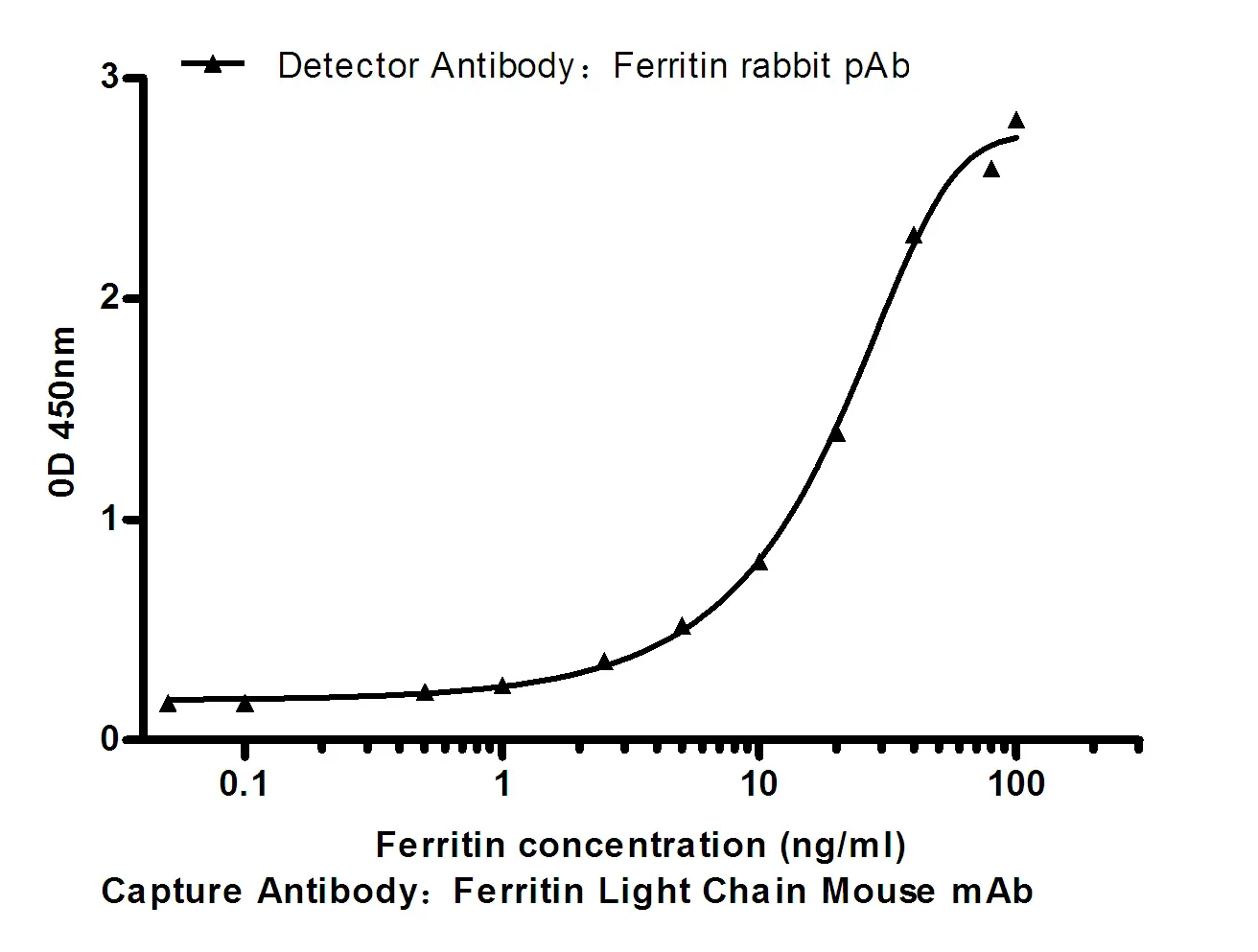
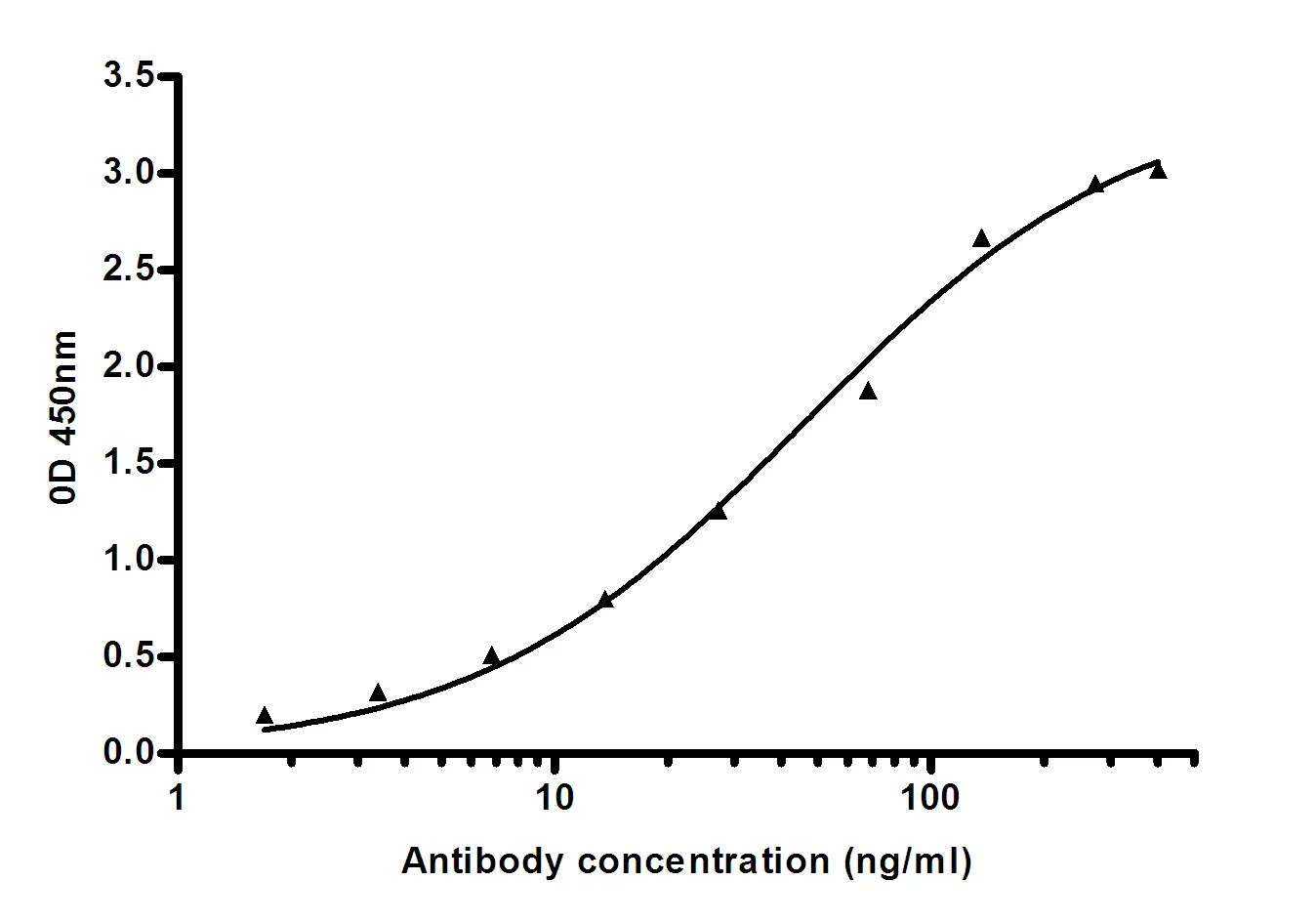
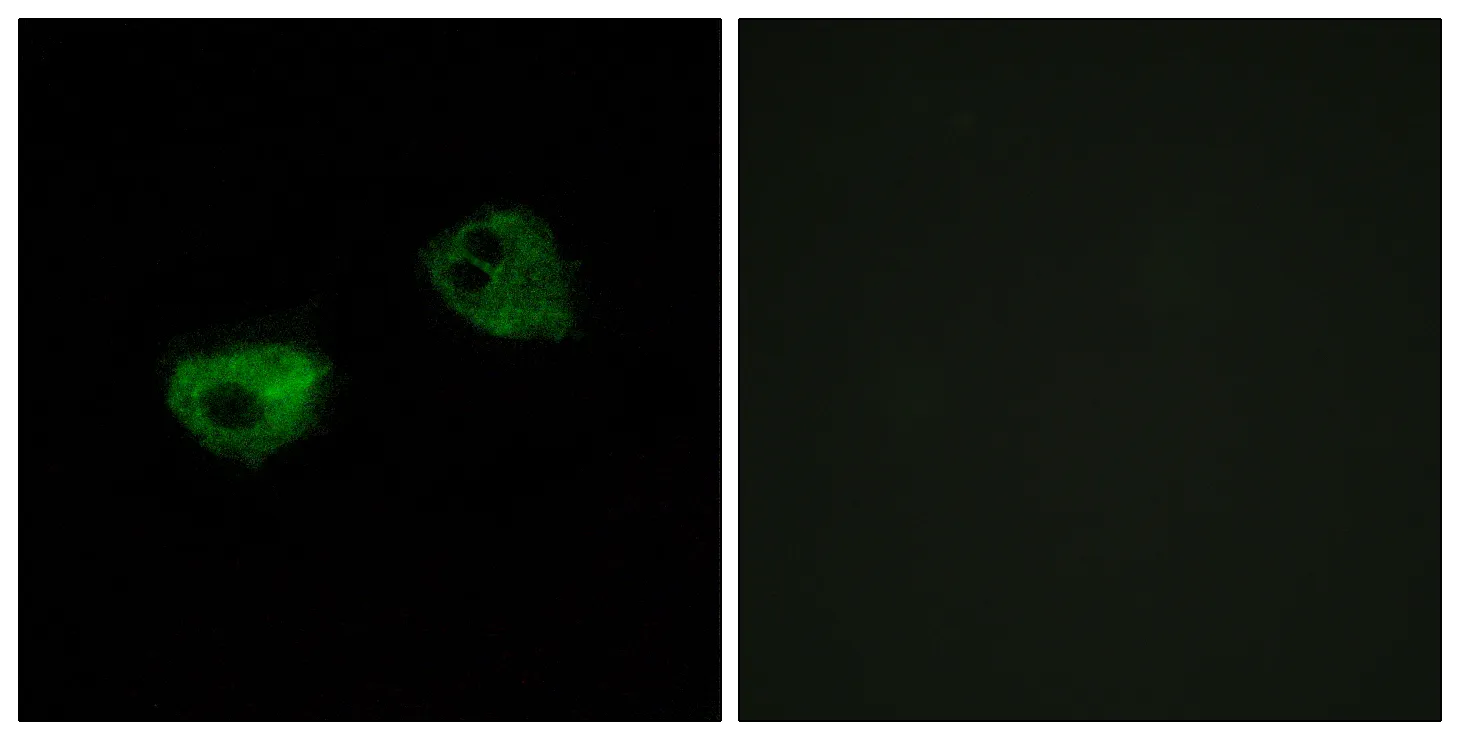
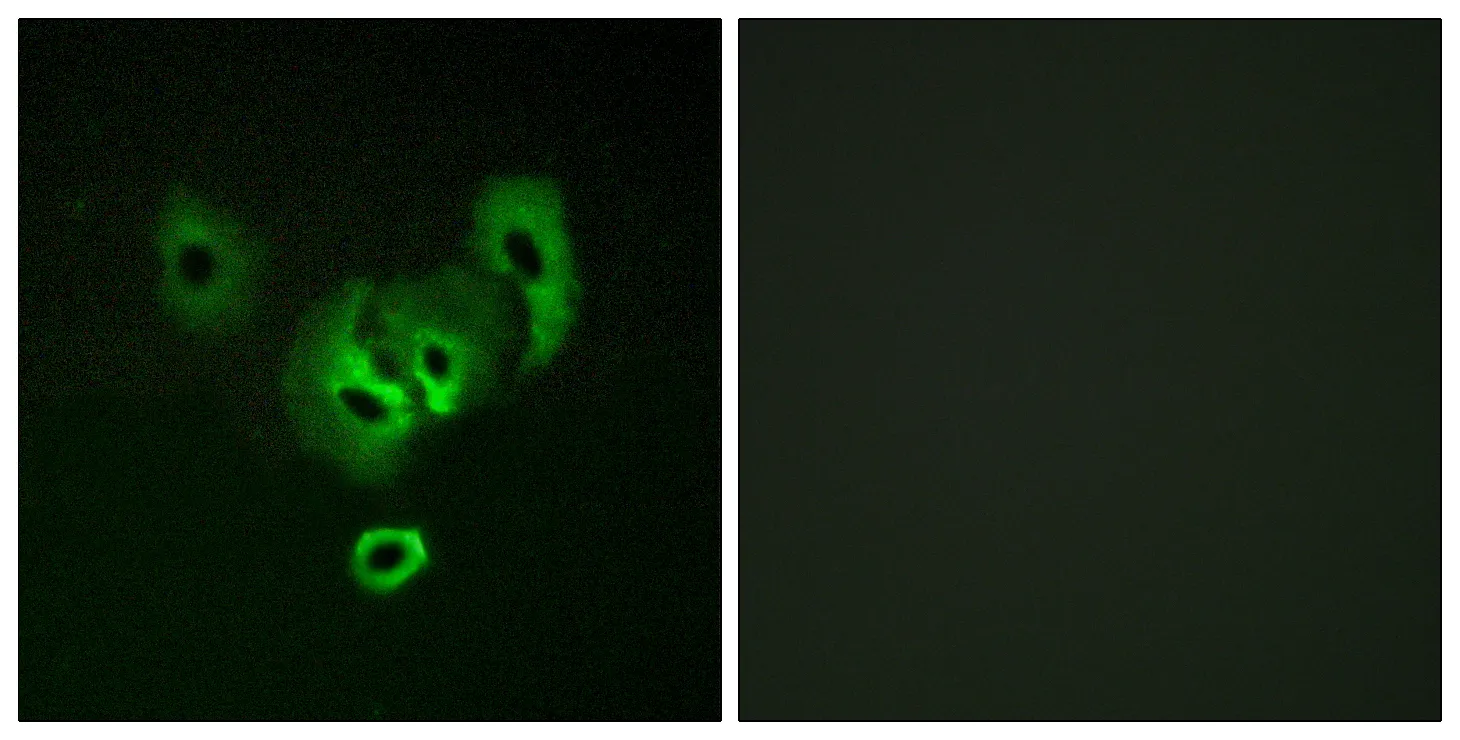
| アプリケーション | IHC,ICC/IF,ELISA |
| 希釈倍率 | IHC 1:50-1:200,ICC/IF 1:50-1:200,ELISA 1:10000-1:20000 |
| 分子量 | - |
研究分野
| Signal Transduction; Signaling Pathway; Nuclear Signaling; Nuclear Hormone Receptors; Estrogen |
背景
| トレフォイルファミリーのメンバーは、3つの保存されたジスルフィド結合を含む40アミノ酸ドメインであるトレフォイルモチーフを少なくとも1コピー持つことを特徴としています。これらは胃腸粘膜で発現する安定した分泌タンパク質です。その機能は解明されていませんが、粘膜を損傷から保護し、粘液層を安定化させ、上皮の治癒に影響を与える可能性があります。胃粘膜で発現するこの遺伝子は、ヒト腫瘍における発現も研究されています。この遺伝子と他の2つの関連するトレフォイルファミリーメンバー遺伝子は、21番染色体上のクラスターに存在します。[RefSeq提供、2008年7月],疾患:乳がん(50%)、膵臓がん(70~75%)、胃がん(50~55%)、大腸がん(58%)など、多くのがん腫で発現しています。,機能:消化管粘膜を覆う粘液ゲルの安定剤であり、さまざまな有害物質に対する物理的なバリアとして機能します。尿中のシュウ酸カルシウム結晶の成長を阻害する可能性があります。,類似性:1つのP型(トレフォイル)ドメインを含みます。,サブユニット:GKN2とのヘテロ二量体で、ジスルフィド結合しています。,組織特異性:胃に存在し、特に上部胃粘膜細胞に最も多く存在します(タンパク質レベル)。小腸、大腸、直腸の杯細胞、食道の小さな粘膜下腺、舌下腺の粘膜腺房、気管の粘膜下腺、および膵外分泌管の内層上皮細胞で検出されるが、膵臓の残りの部分では検出されない(タンパク質レベル)。胆嚢上皮細胞および膣粘膜下腺では散発的に発現が検出され、呼吸器系の偽重層上皮の気管支杯細胞では弱い発現が観察される(タンパク質レベル)。尿中で検出される(タンパク質レベル)。乳癌では強く発現するが、正常乳腺組織では低レベルである。MCF-7細胞ではエストロゲンによって制御される。正常な胃粘膜および消化管の潰瘍性病変周囲の再生組織では強い発現が認められますが、胃癌では低い発現が認められます(タンパク質レベル)。 |