

Melatonin Receptor 1A Rabbit Polyclonal Antibody

Melatonin Receptor 1A Rabbit Polyclonal Antibody

Cat: APRab00432
Boyut:20μL Fiyat:$99_x000D_
Boyut:50μL Fiyat:$150_x000D_
Boyut:100μL Fiyat:$280_x000D_
Boyut:200μL Fiyat:$520_x000D_
Uygulama:ICC/IF,ELISA
Reaktivite:Human,Mouse,Rat
Konjuge:Unconjugated
İsteğe bağlı konjugeler: Biotin, FITC (ücretsiz). Diğer 26 konjugatı görün.

Gen Adı:MTNR1A
Category: ポリクローナル抗体 Tags: , , , , , , , ,
Melatonin Receptor 1A Rabbit Polyclonal Antibody
Konjugasyon: Unconjugated
Rabbit polyclonal Antibody
Uygulama
IHC  ICC/IF  ELISA ICC/IF,ELISA
Reaktivite
Human,Mouse,Rat
Gen Adı
MTNR1A
Saklama
Aliquot and store at -20°C (valid for 12 months). Avoid freeze/thaw cycles.
Özet
Ürün Adı Melatonin Receptor 1A Rabbit Polyclonal Antibody
Açıklama Rabbit polyclonal Antibody
Konak Rabbit
Reaktivite Human,Mouse,Rat
Konjugasyon Unconjugated
Modifikasyon Unmodified
İzotip IgG
Klonalite Polyclonal
Form Liquid
Konsantrasyon Unconjugated
Saklama Aliquot and store at -20°C (valid for 12 months). Avoid freeze/thaw cycles.
Nakliye Ice bags.
Tampon Liquid in PBS containing 50% glycerol, 0.5% protective protein and 0.02% sodium azide, pH 7.3.
Saflaştırma Affinity Purification
Antijen Bilgisi
Gen Adı MTNR1A
Alternatif İsimler MTNR1A; Melatonin receptor type 1A; Mel-1A-R; Mel1a receptor
Gen Kimliği 4543
SwissProt Kimliği P48039
İmmünojen The antiserum was produced against synthesized peptide derived from human MTR1A. AA range:191-240
Uygulama
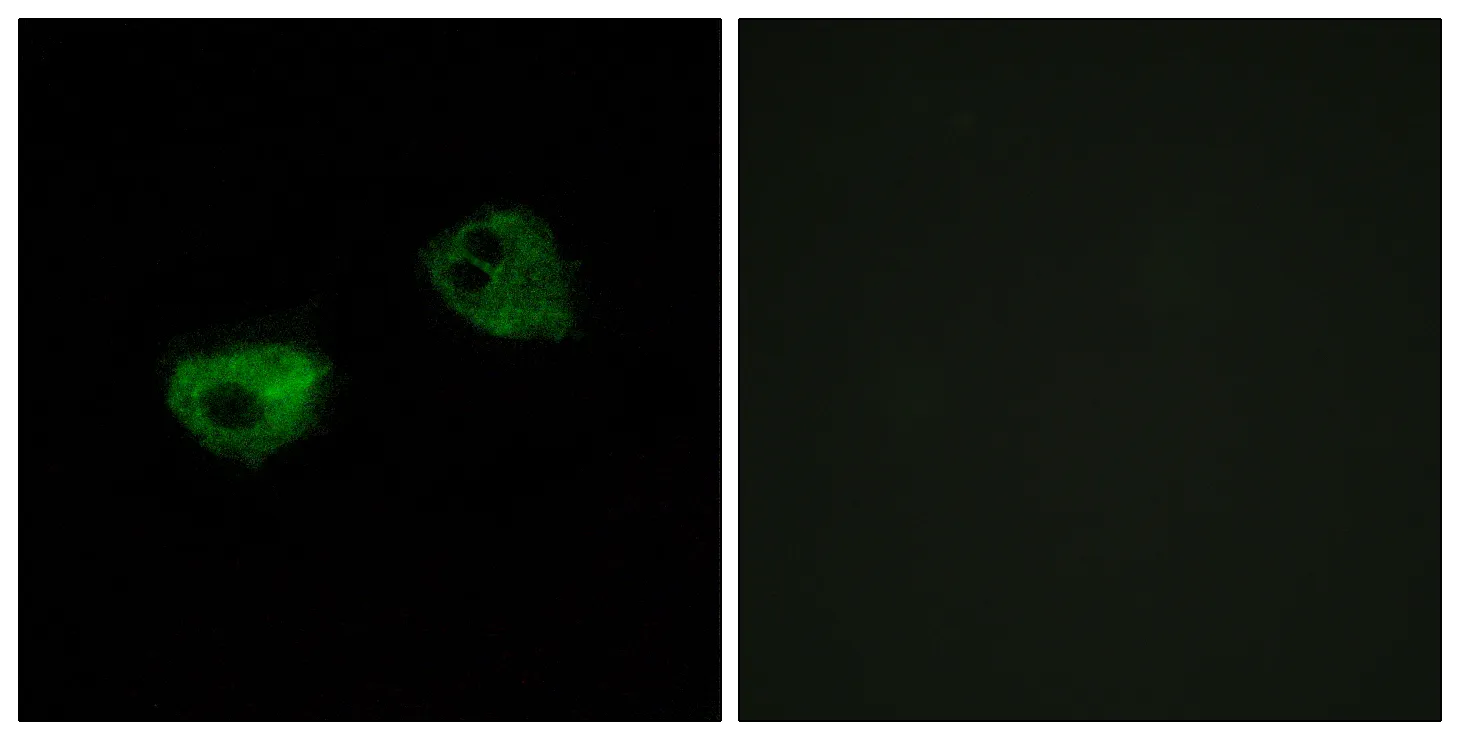
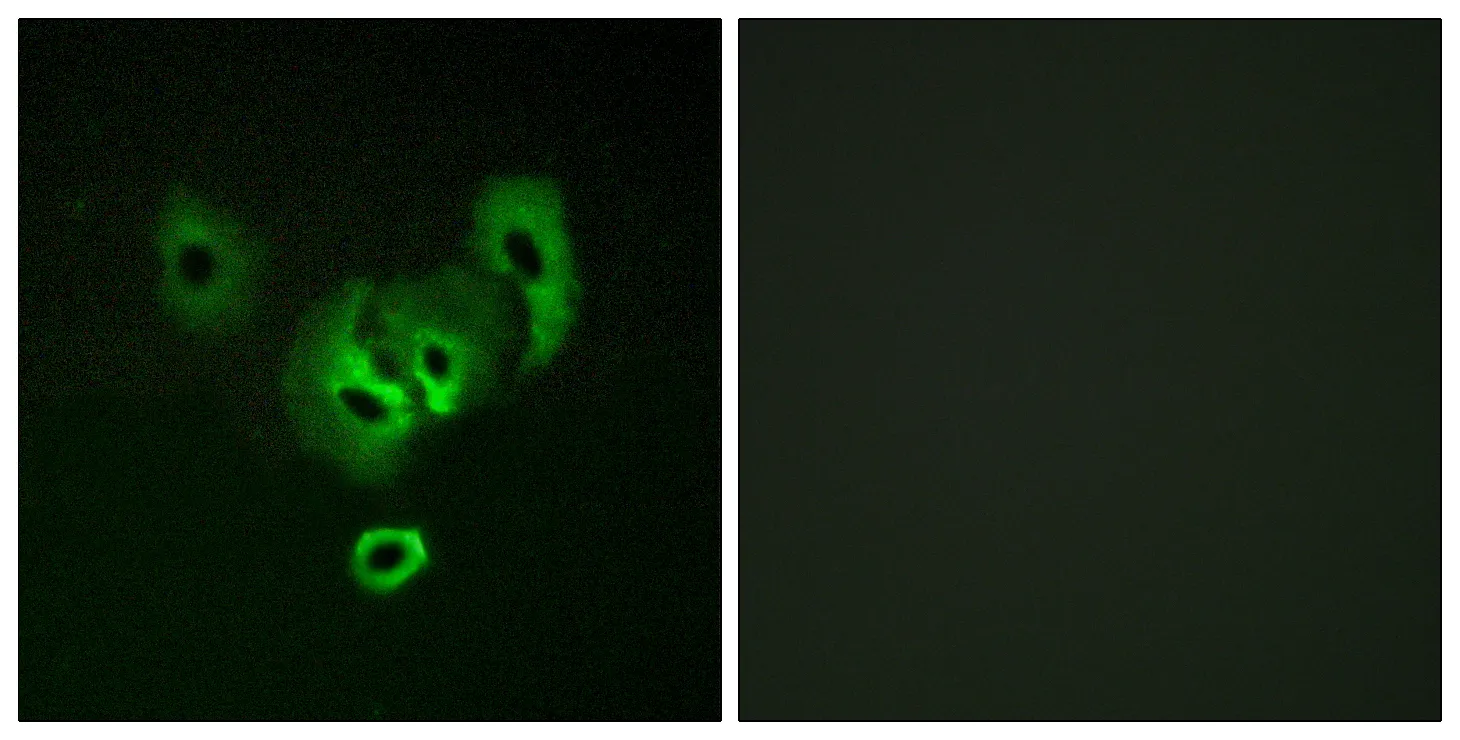
Uygulama ICC/IF,ELISA
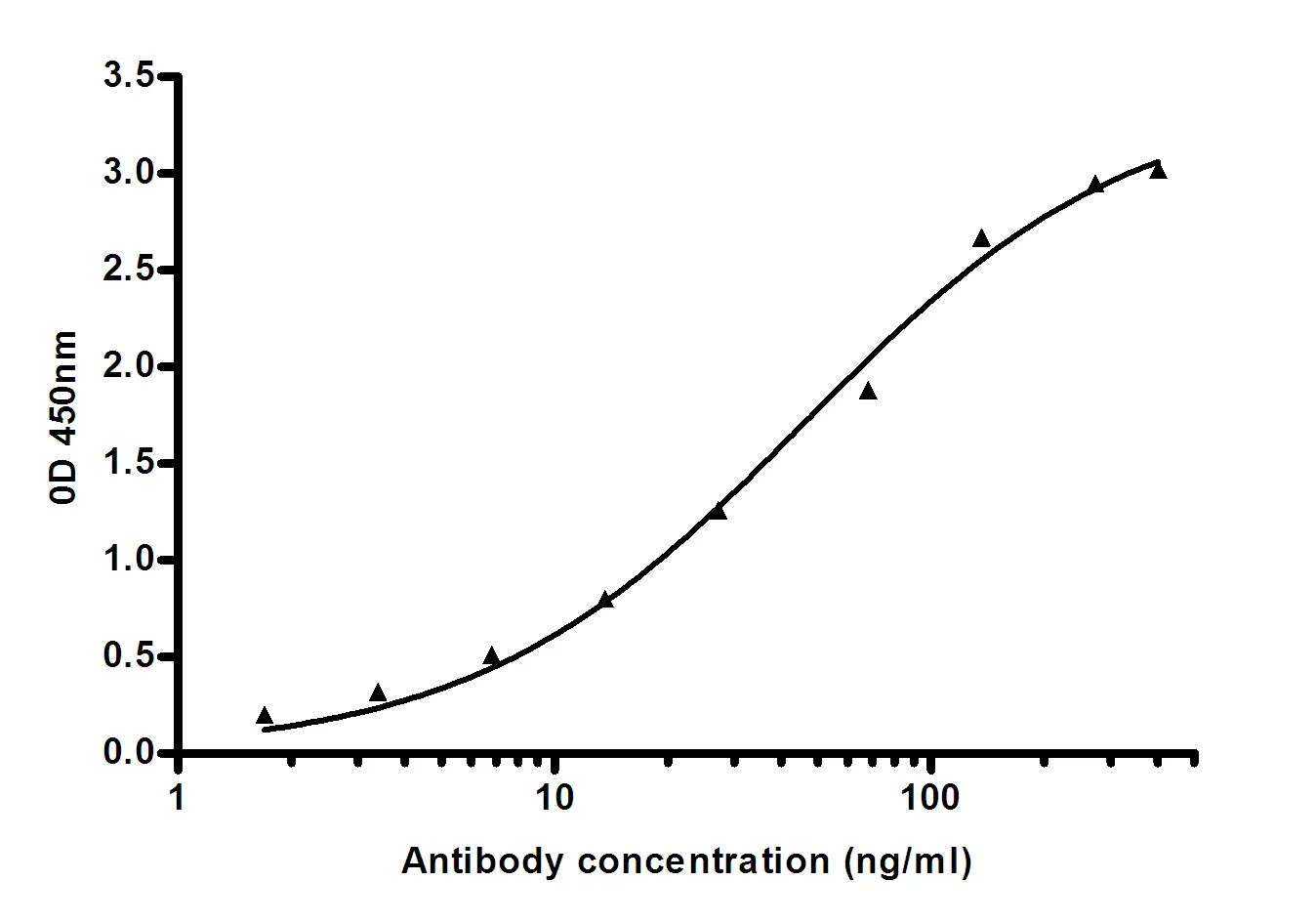
Seyreltme Oranı ICC/IF 1:50-1:200,ELISA 1:5000-1:20000
Moleküler Ağırlık -
Araştırma Alanı
Neuroscience
Arka Plan
This gene encodes one of two high affinity forms of a receptor for melatonin, the primary hormone secreted by the pineal gland. This receptor is a G-protein coupled, 7-transmembrane receptor that is responsible for melatonin effects on mammalian circadian rhythm and reproductive alterations affected by day length. The receptor is an integral membrane protein that is readily detectable and localized to two specific regions of the brain. The hypothalamic suprachiasmatic nucleus appears to be involved in circadian rhythm while the hypophysial pars tuberalis may be responsible for the reproductive effects of melatonin.
   💬 WhatsApp