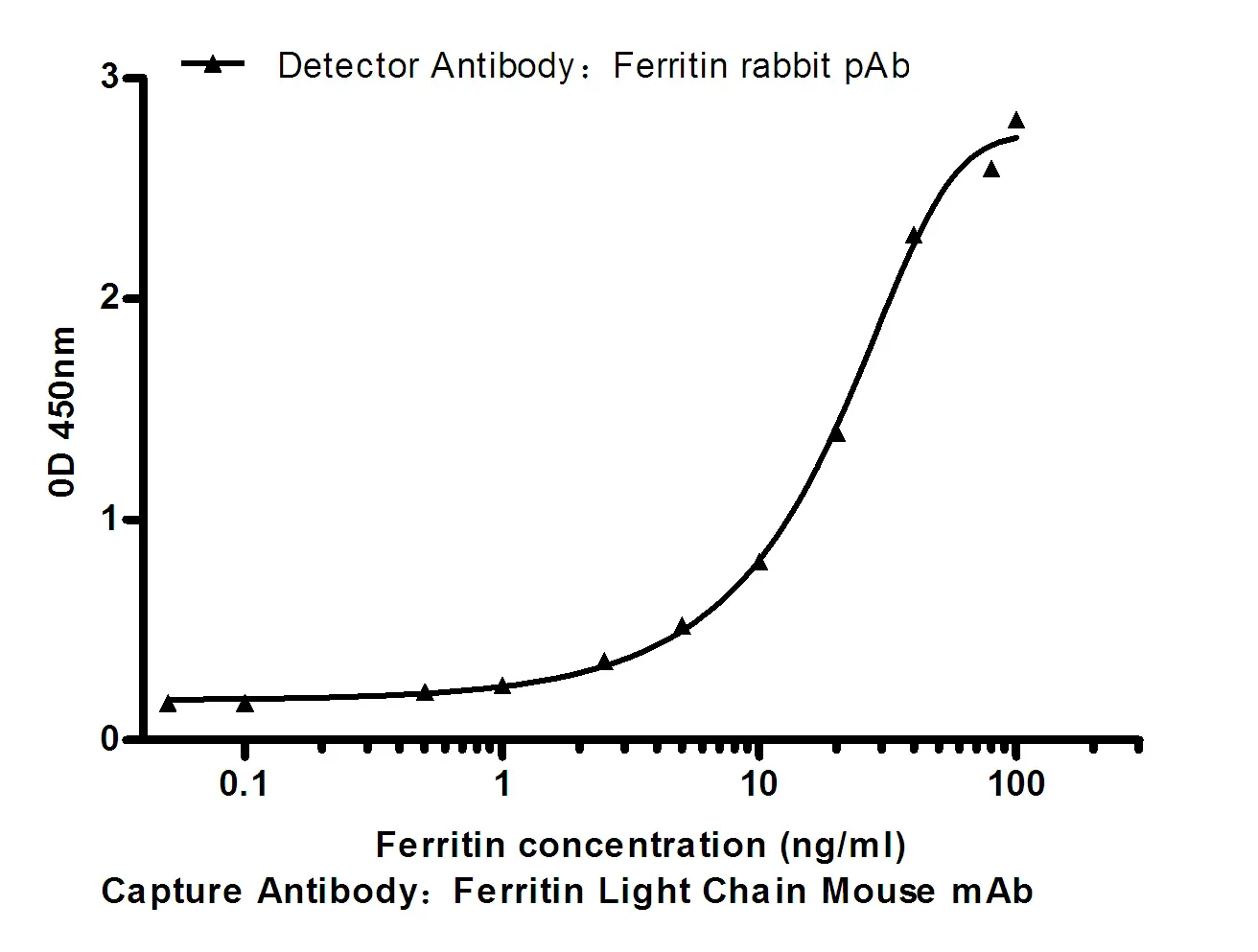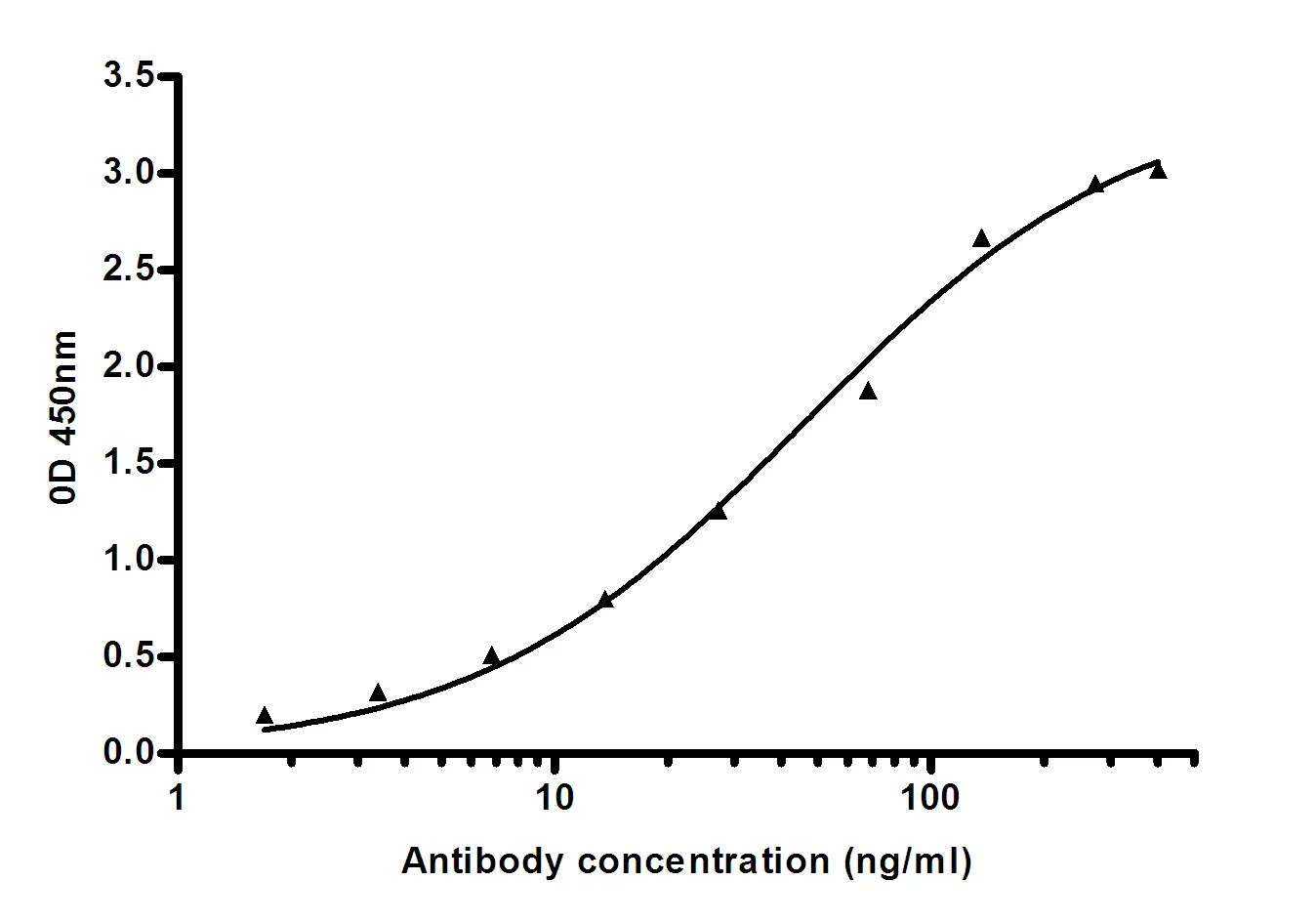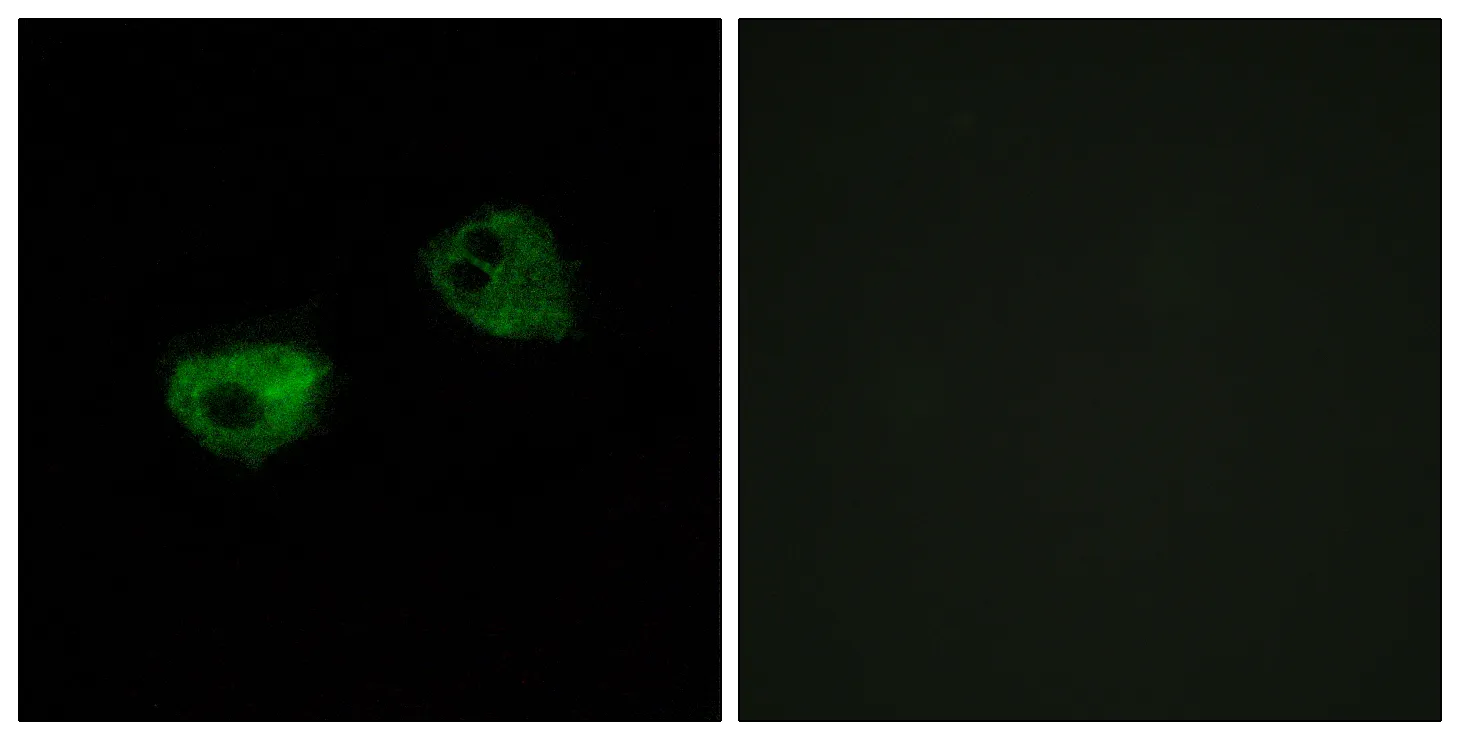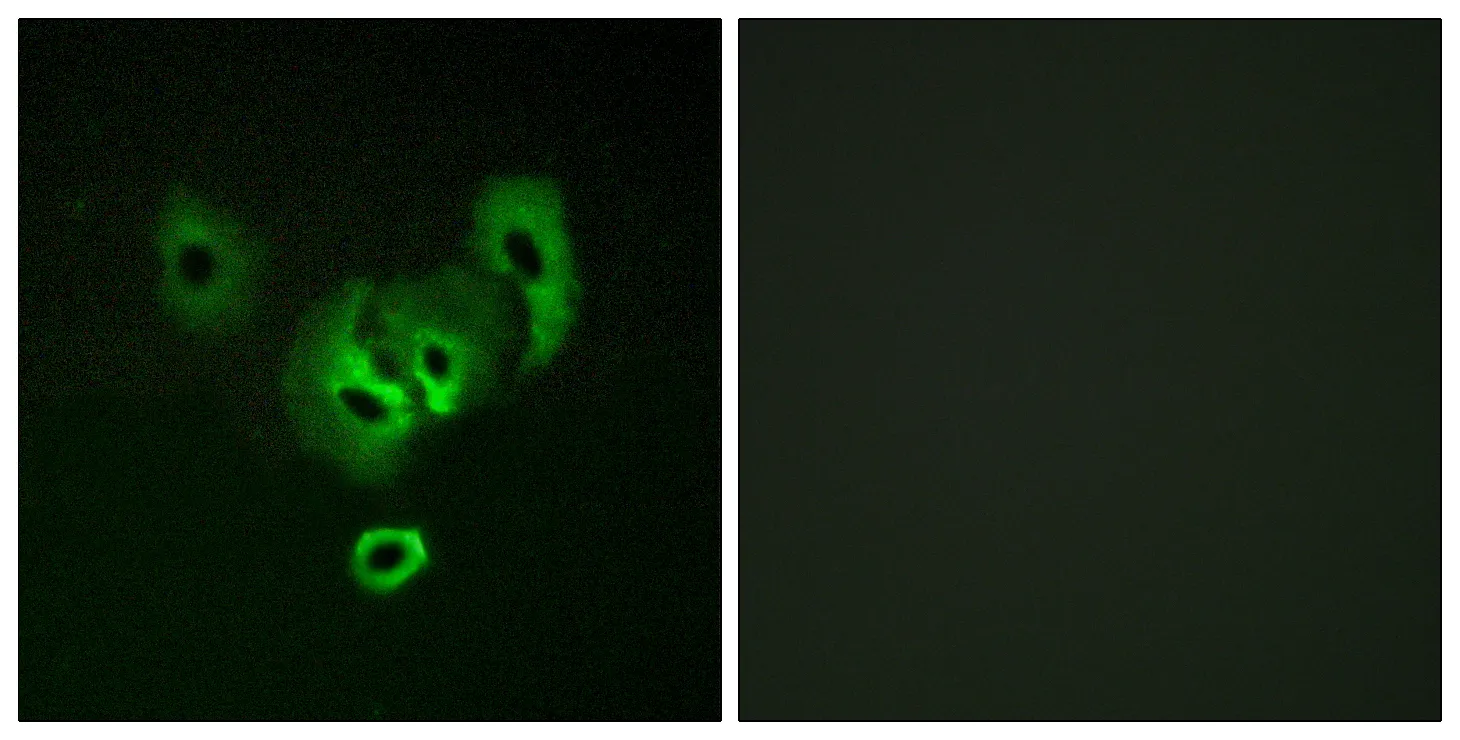


p130ウサギポリクローナル抗体
コンジュゲーション: 非共役
ウサギポリクローナル抗体
アプリケーション
反応性
ヒト、マウス、ラット
遺伝子名
RBL2
保存
小分けして-20℃で保存してください(12ヶ月間有効)。凍結融解サイクルは避けてください。
要約
| 製品名 | p130ウサギポリクローナル抗体 |
| 説明 | ウサギポリクローナル抗体 |
| 宿主 | うさぎ |
| 反応性 | ヒト、マウス、ラット |
| コンジュゲーション | 非共役 |
| 修飾 | 未修正 |
| アイソタイプ | IgG |
| クローン性 | ポリクローナル |
| 形態 | 液体 |
| 濃度 | 非共役 |
| 保存 | 小分けして-20℃で保存してください(12ヶ月間有効)。凍結融解サイクルは避けてください。 |
| 配送 | 氷嚢。 |
| バッファー | 50% グリセロール、0.5% 保護タンパク質、0.02% 新タイプ防腐剤 N を含む PBS 液。 |
| 精製 | アフィニティー精製 |
抗原情報
| 遺伝子名 | RBL2 |
| 別名 | RBL2; RB2; Retinoblastoma-like protein 2; 130 kDa retinoblastoma-associated protein; p130; Retinoblastoma-related protein 2; RBR-2; pRb2 |
| 遺伝子ID | 5934 |
| SwissProt ID | Q08999 |
| 免疫原 | 抗血清はヒトRBL2由来の合成ペプチドに対して作製された。アミノ酸範囲:918-967 |
アプリケーション
| アプリケーション | ICC/IF,ELISA |
| 希釈倍率 | ICC/IF 1:200-1:1000,ELISA 1:5000-1:10000 |
| 分子量 | - |
研究分野
| Regulation of Actin Dynamics; Cell_Cycle_G1S;Cell_Cycle_G2M_DNA; PI3K/Akt; Protein_Acetylation |
背景
| 機能:細胞分裂開始の重要な調節因子。クロマチン全体の構造、特にヒストンのメチル化を安定化させることで恒常的ヘテロクロマチンの構造を維持することにより、ヘテロクロマチン形成に直接関与する。ヒストンメチルトランスフェラーゼSUV420H1およびSUV420H2をリクルートして標的とし、エピジェネティックな転写抑制を引き起こす。ヒストンH4のLys-20トリメチル化を制御する。プロモーターにクロマチン修飾酵素をリクルートすることにより、転写抑制因子として機能すると考えられる。E2Fを介したトランス活性化の強力な阻害剤であり、E2F5と優先的に会合する。サイクリンAおよびEに結合し、アデノウイルスE1Aタンパク質に結合し、その形質転換能に関与する可能性がある。腫瘍抑制因子として作用する可能性があります。,その他:G0期に限定して発現します。,PTM:細胞周期のG0期およびG1期初期に、Ser-639およびドメインB内の5部位がリン酸化されます。G1期におけるSer-672のリン酸化は、ユビキチン依存性タンパク質分解を引き起こします。,類似性:網膜芽細胞腫タンパク質(RB)ファミリーに属します。,サブユニット:AATFと相互作用します。SUV420H1およびSUV420H2と相互作用します(類似性による)。DREAM複合体(LINC複合体とも呼ばれる)の構成要素であり、少なくともE2F4、E2F5、LIN9、LIN37、LIN52、LIN54、MYBL1、MYBL2、RBL1、RBL2、RBBP4、TFDP1、およびTFDP2から構成されます。この複合体は静止細胞に存在し、細胞周期依存性遺伝子の発現を抑制する。S期にLIN9、LIN37、LIN52、およびLIN54がMYBL2に結合するサブ複合体を形成すると、複合体は解離する。RINT1と相互作用する。機能:細胞分裂開始の重要な制御因子。ヒストンのメチル化を安定化させることで、全体的なクロマチン構造、特に恒常的ヘテロクロマチン構造を維持することにより、ヘテロクロマチン形成に直接関与する。ヒストンメチルトランスフェラーゼSUV420H1およびSUV420H2をリクルートして標的とし、エピジェネティックな転写抑制を引き起こす。ヒストンH4の「Lys-20」トリメチル化を制御する。おそらく、プロモーターにクロマチン修飾酵素をリクルートすることで転写抑制因子として機能する。E2Fを介したトランス活性化の強力な阻害剤であり、E2F5と優先的に会合する。サイクリンAおよびEに結合します。アデノウイルスE1Aタンパク質に結合し、その形質転換能に関与している可能性があります。腫瘍抑制因子として作用する可能性があります。,その他:G0期限定発現。,PTM:細胞周期のG0期およびG1期初期に、Ser-639およびドメインB内の5つの部位がリン酸化されます。G1期におけるSer-672のリン酸化は、ユビキチン依存性タンパク質分解を引き起こします。,類似性:網膜芽細胞腫タンパク質(RB)ファミリーに属します。,サブユニット:AATFと相互作用します。SUV420H1およびSUV420H2と相互作用します(類似性による)。 DREAM複合体(LINC複合体とも呼ばれる)の構成要素であり、少なくともE2F4、E2F5、LIN9、LIN37、LIN52、LIN54、MYBL1、MYBL2、RBL1、RBL2、RBBP4、TFDP1、TFDP2から構成される。この複合体は静止細胞に存在し、細胞周期依存性遺伝子の発現を抑制する。S期にはLIN9、LIN37、LIN52、LIN54がMYBL2に結合するサブ複合体を形成すると解離する。RINT1と相互作用する。 |