

eIF4Gウサギポリクローナル抗体
コンジュゲーション: 非共役
ウサギポリクローナル抗体
アプリケーション
反応性
ヒト、マウス、ラット
遺伝子名
EIF4G1
保存
小分けして-20℃で保存してください(12ヶ月間有効)。凍結融解サイクルは避けてください。
要約
| 製品名 | eIF4Gウサギポリクローナル抗体 |
| 説明 | ウサギポリクローナル抗体 |
| 宿主 | うさぎ |
| 反応性 | ヒト、マウス、ラット |
| コンジュゲーション | 非共役 |
| 修飾 | 未修正 |
| アイソタイプ | IgG |
| クローン性 | ポリクローナル |
| 形態 | 液体 |
| 濃度 | 非共役 |
| 保存 | 小分けして-20℃で保存してください(12ヶ月間有効)。凍結融解サイクルは避けてください。 |
| 配送 | 氷嚢。 |
| バッファー | 50% グリセロール、0.5% 保護タンパク質、0.02% 新タイプ防腐剤 N を含む PBS 液。 |
| 精製 | アフィニティー精製 |
抗原情報
| 遺伝子名 | EIF4G1 |
| 別名 | EIF4G1; EIF4F; EIF4G; EIF4GI; Eukaryotic translation initiation factor 4 gamma 1; eIF-4-gamma 1; eIF-4G 1; eIF-4G1; p220 |
| 遺伝子ID | 1981 |
| SwissProt ID | Q04637 |
| 免疫原 | 抗血清はヒトeIF4G由来の合成ペプチドに対して作製された。アミノ酸範囲:1074-1123 |
アプリケーション
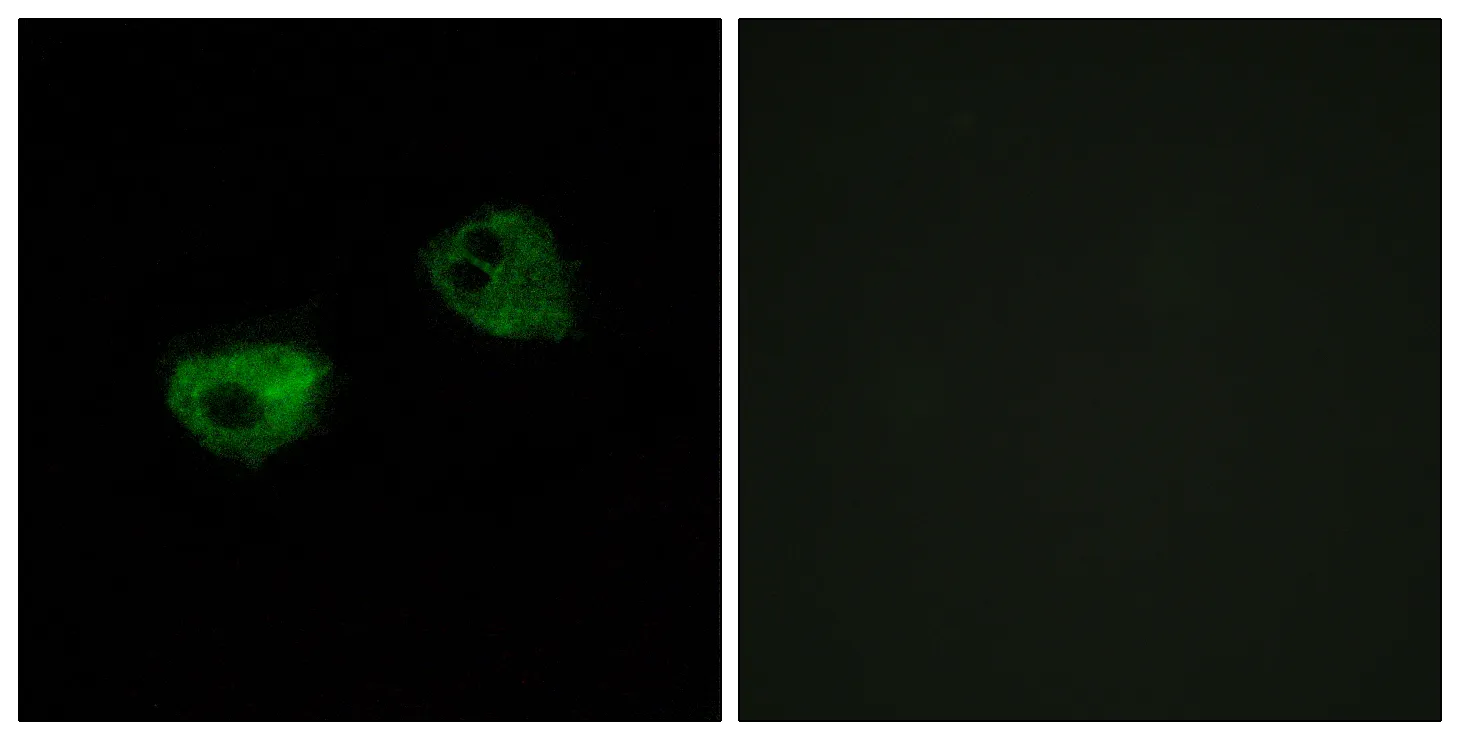
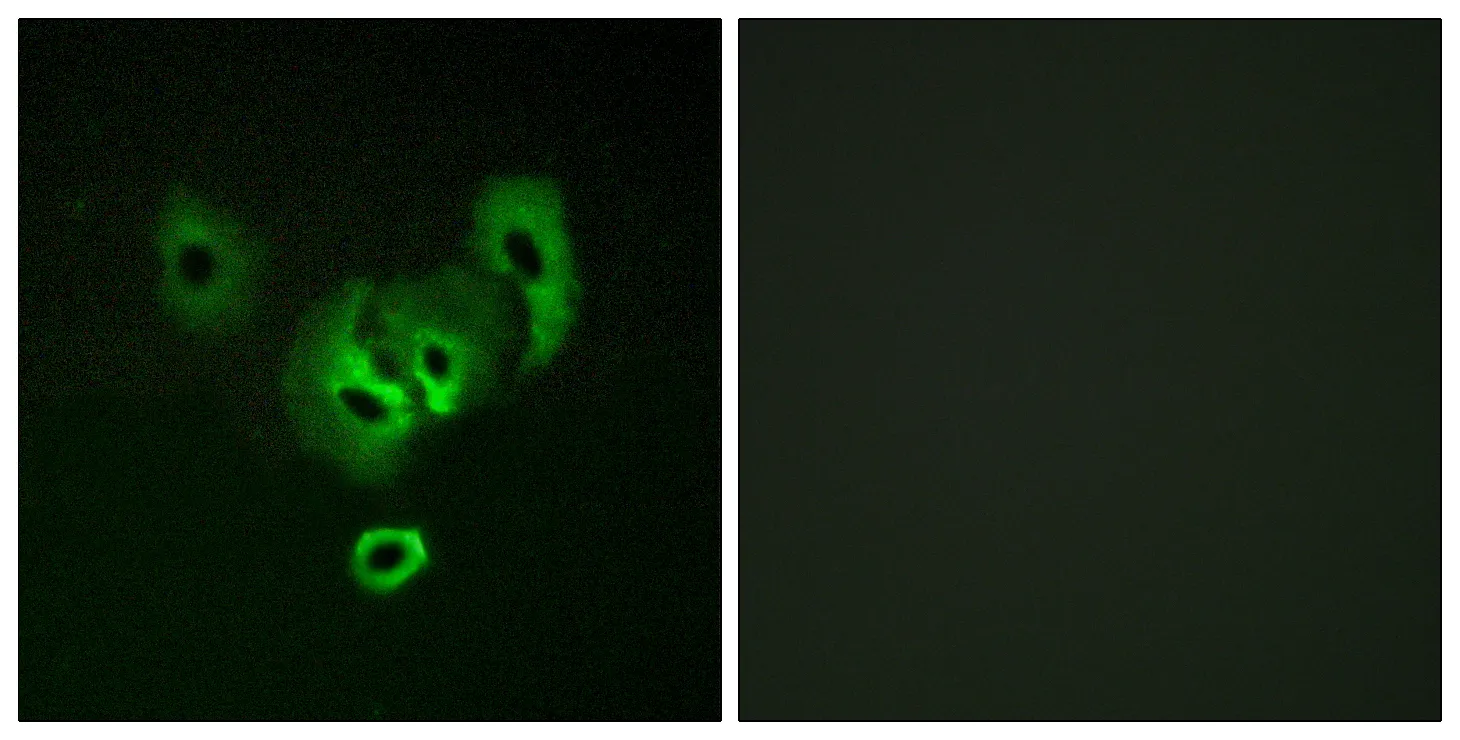
| アプリケーション | WB,IHC,ICC/IF,ELISA |
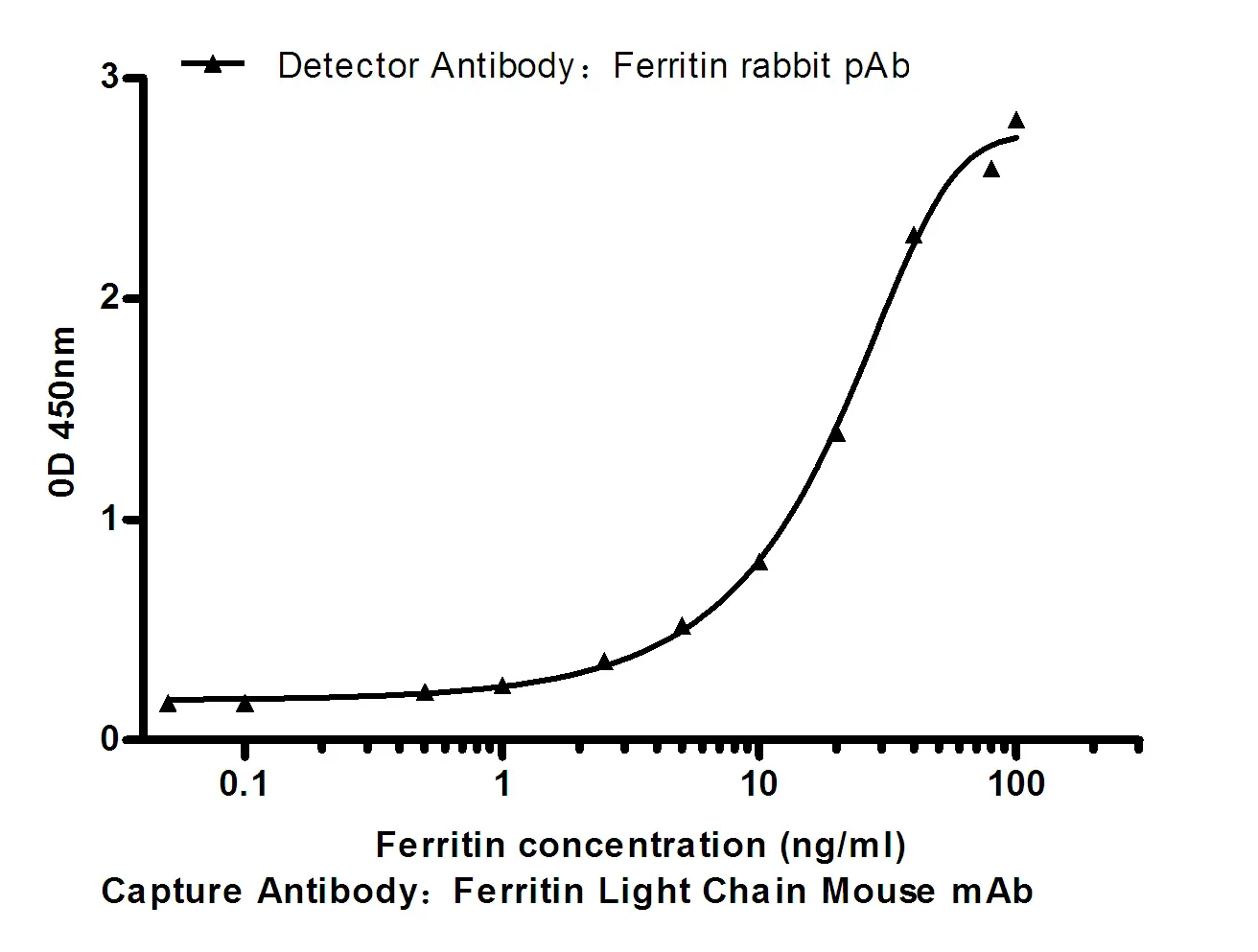
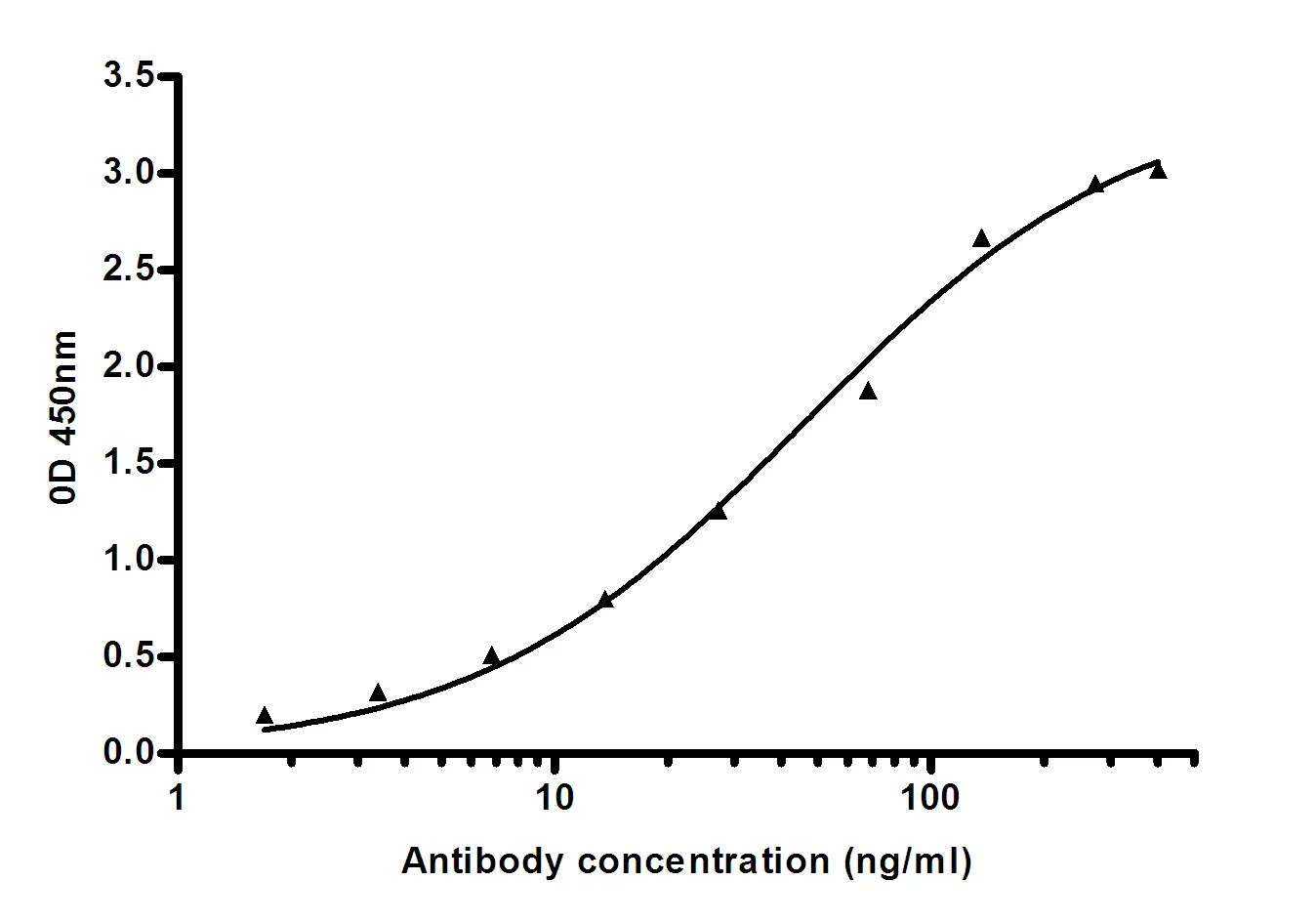
| 希釈倍率 | WB 1:500-1:2000,IHC 1:100-1:300,ICC/IF 1:200-1:1000,ELISA 1:5000-1:10000 |
| 分子量 | 175kDa |
研究分野
| Viral myocarditis; |
背景
| この遺伝子によってコードされるタンパク質は、多サブユニットタンパク質複合体EIF4Fの構成要素です。この複合体は、タンパク質合成の開始段階における律速段階であるリボソームへのmRNAのリクルートメントを促進します。mRNAキャップの認識とATP依存性の5'末端二次構造の巻き戻しは、この複合体の因子によって触媒されます。この遺伝子によってコードされるサブユニットは、EIF4F複合体の他のメンバーが結合する部位を含む、大きな足場タンパク質です。N末端のドメインはポリA結合タンパク質と相互作用し、翻訳中にmRNAの環状化を媒介する可能性があります。選択的スプライシングによって複数の転写産物バリアントが生じ、その一部はプロモーターの選択的使用に由来します。 [RefSeq提供、2010年8月],機能:タンパク質複合体eIF4Fの構成要素であり、mRNAキャップの認識、5'末端二次構造のATP依存性の巻き戻し、およびリボソームへのmRNAのリクルートメントに関与しています。,PTM:特定のエンテロウイルス、ライノウイルス、およびアフトウイルスによる感染後、EIF4G1はウイルスプロテアーゼ2Aによって切断されますが、アフトウイルスの場合はリーダープロテアーゼによって切断されます。これにより、キャップされた細胞内mRNAの転写が停止します。,PTM:生体内で複数の部位でリン酸化されます。,配列注意:異常なスプライシング。,類似性:eIF4Gファミリーに属します。,類似性:1つのMIドメインを含みます。,類似性:1つのMIF4Gドメインを含みます。,類似性:1つのW2ドメインを含みます。,サブユニット:eIF4Fは、その構成が外部および内部の環境条件によって変化する、複数のサブユニットからなる複合体です。少なくともEIF4A、EIF4E、およびEIF4G1/EIF4G3で構成されています。eIF3と相互作用し、EIF4A1またはEIFA2、EIF4Eとは相互に排他的であり、N末端を介してPAPBC1と相互作用します。C末端を介してセリン/スレオニンキナーゼMKNK1およびMKNK2と相互作用します。 EIF4Eをリン酸化するためにこれらの酵素を保持する足場タンパク質として作用すると考えられる。非リン酸化EIF4EBP1はEIF4G1/EIF4G3と競合してEIF4Eと相互作用する。インスリン刺激によるMAPキナーゼ(MAPK1およびMAPK3)によるEIF4EBP1のリン酸化は複合体の解離を引き起こし、EIF4G1/EIF4G3が結合して翻訳を開始する。EIF4G1/EIF4G3はPABPC1と相互作用してmRNAの環状化をもたらす。ラパマイシンはFKBPを介したインスリン刺激を弱める可能性がある。EIF4E3と相互作用する。MIF4GDと相互作用する。ロタウイルスAのNSP3と相互作用する。この相互作用において、NSP3はPABPC1の代わりになり、宿主のタンパク質合成を停止させる。 |