β-1,4-Gal-T1ウサギポリクローナル抗体
コンジュゲーション: 非共役
ウサギポリクローナル抗体
アプリケーション
反応性
ヒト、マウス
遺伝子名
B4GALT1
保存
小分けして-20℃で保存してください(12ヶ月間有効)。凍結融解サイクルは避けてください。
要約
| 製品名 | β-1,4-Gal-T1ウサギポリクローナル抗体 |
| 説明 | ウサギポリクローナル抗体 |
| 宿主 | うさぎ |
| 反応性 | ヒト、マウス |
| コンジュゲーション | 非共役 |
| 修飾 | 未修正 |
| アイソタイプ | IgG |
| クローン性 | ポリクローナル |
| 形態 | 液体 |
| 濃度 | 非共役 |
| 保存 | 小分けして-20℃で保存してください(12ヶ月間有効)。凍結融解サイクルは避けてください。 |
| 配送 | 氷嚢。 |
| バッファー | 50% グリセロール、0.5% 保護タンパク質、0.02% 新タイプ防腐剤 N を含む PBS 液。 |
| 精製 | アフィニティー精製 |
抗原情報
| 遺伝子名 | B4GALT1 |
| 別名 | B4GALT1; GGTB2; Beta-1; 4-galactosyltransferase 1; Beta-1,4-GalTase 1; Beta4Gal-T1; b4Gal-T1; UDP-Gal:beta-GlcNAc beta-1,4-galactosyltransferase 1; UDP-galactose:beta-N-acetylglucosamine beta-1,4-galactosyltransferase 1 |
| 遺伝子ID | 2683 |
| SwissProt ID | P15291 |
| 免疫原 | ヒトβ-1,4-Gal-T1のC末端領域から得られた合成ペプチド。 |
アプリケーション
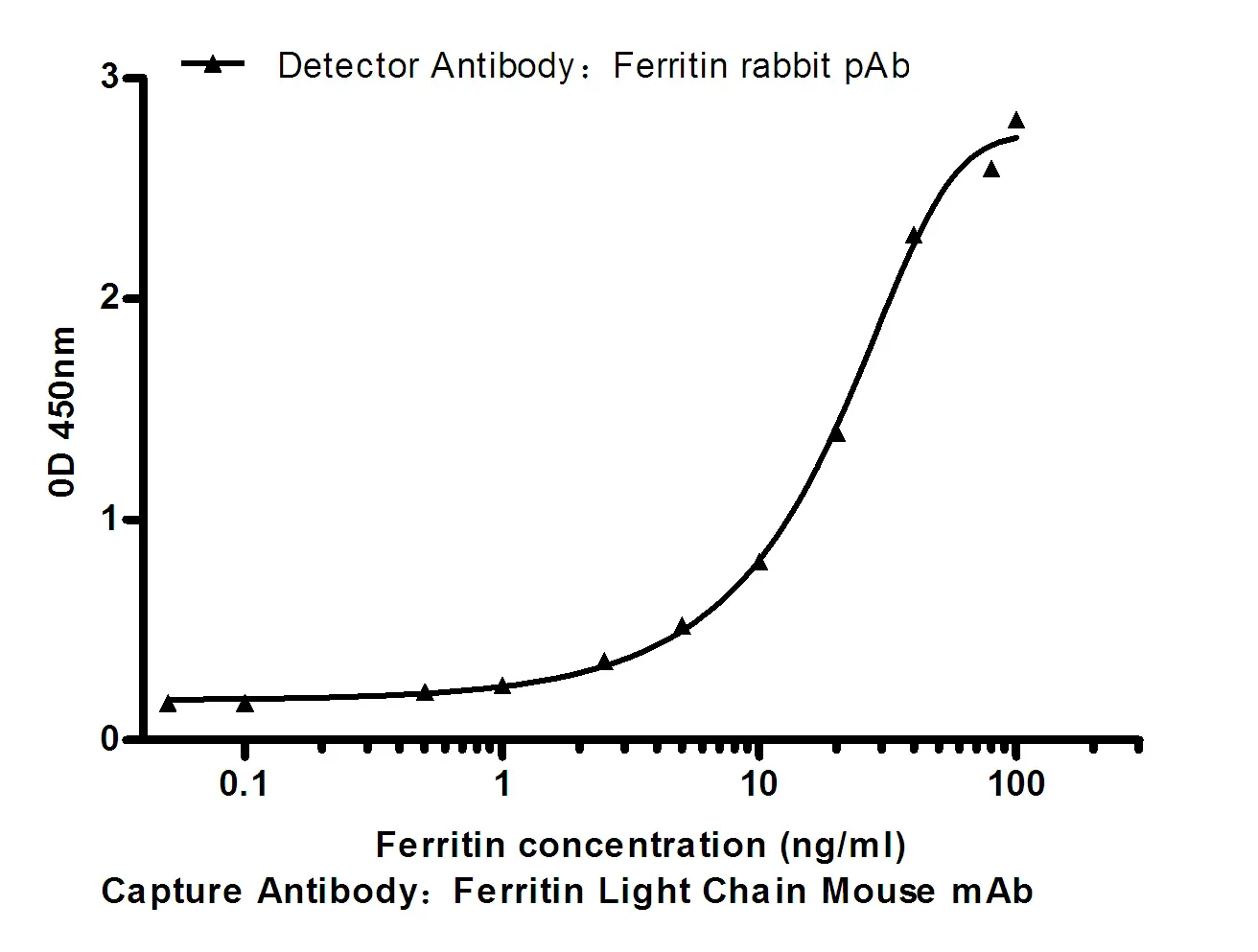
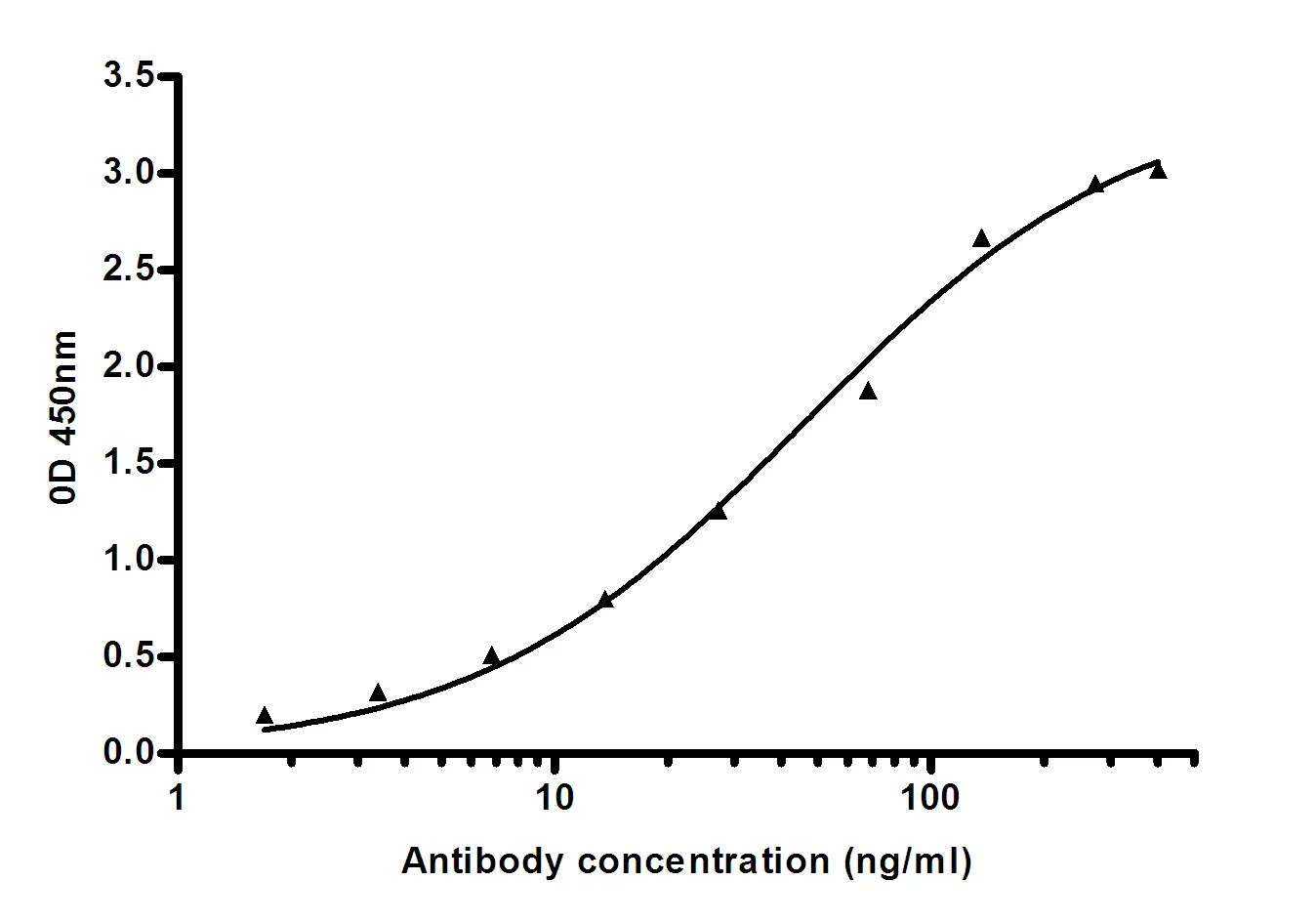
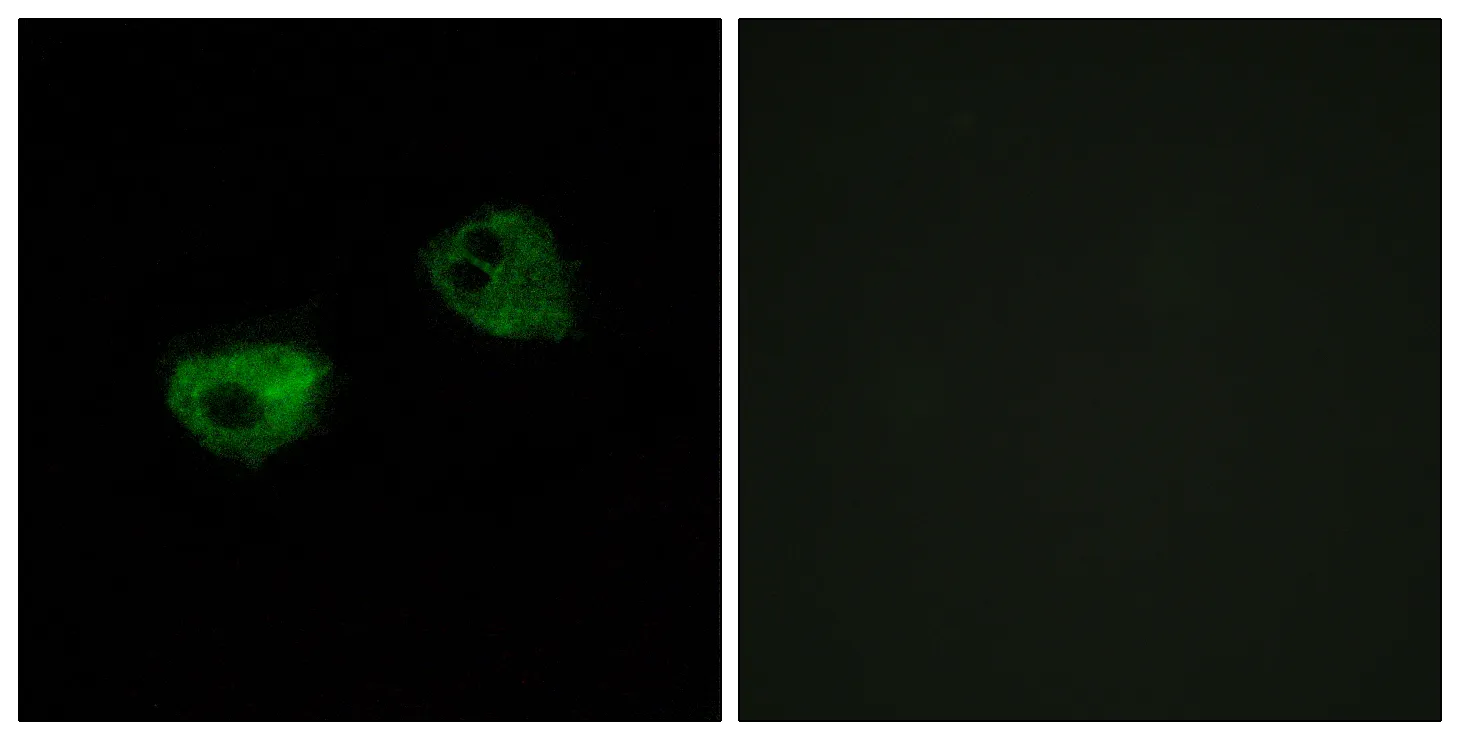
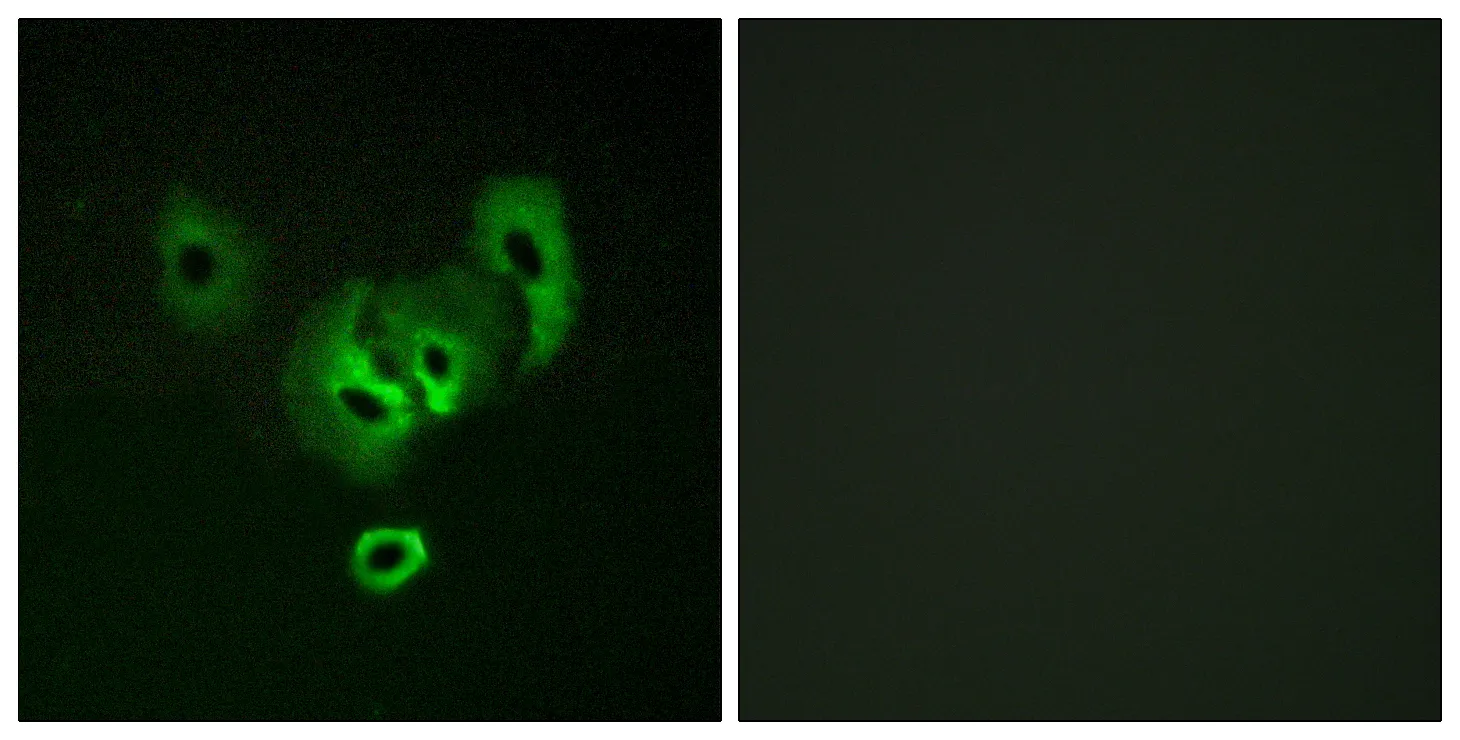
| アプリケーション | WB,IHC,ICC/IF,ELISA |
| 希釈倍率 | WB 1:500-1:2000,IHC 1:100-1:300,ICC/IF 1:50-1:200,ELISA 1:10000-1:20000 |
| 分子量 | 50kDa |
研究分野
| Galactose metabolism;N-Glycan biosynthesis;Keratan sulfate biosynthesis;Glycosphingolipid biosynthesis; |
背景
| この遺伝子は、7つのβ-1,4-ガラクトシルトランスフェラーゼ(beta4GalT)遺伝子の1つです。これらの遺伝子は、供与基質であるUDP-ガラクトースに特異的に特異性を持つII型膜結合型糖タンパク質をコードしています。これらの遺伝子はすべて、β1,4結合したガラクトースを、同様の受容体糖(GlcNAc、Glc、Xyl)に転移します。それぞれのbeta4GalTは、異なる複合糖質および糖構造の生合成において、それぞれ異なる機能を有しています。II型膜タンパク質であるbeta4GalTは、タンパク質をゴルジ体へ誘導するN末端疎水性シグナル配列を有し、このシグナル配列は切断されずに膜貫通アンカーとして機能します。配列の類似性により、beta4GalT は beta4GalT1 と beta4GalT2、beta4GalT3 と beta4GalT4、beta4GalT5 と beta4GalT6、beta4GalT7 の 4 つのグループを形成します。この遺伝子は、複合糖質と乳酸触媒活性の両方に関与する酵素をコードする点で、beta4GalT遺伝子の中でも独特です:UDP-ガラクトース + D-グルコース = UDP + ラクトース。,触媒活性:UDP-ガラクトース + N-アセチル-β-D-グルコサミニルグリコペプチド = UDP + β-D-ガラクトシル-(1->4)-N-アセチル-β-D-グルコサミニルグリコペプチド。,触媒活性:UDP-ガラクトース + N-アセチル-D-グルコサミン = UDP + N-アセチルラクトサミン。,補因子:マンガン。,疾患:B4GALT1の欠陥は、先天性糖化障害2D型(CDG2D) [MIM:607091]の原因です。CDGは、タンパク質のN-グリコシル化の欠陥によって引き起こされる重篤な遺伝性疾患ファミリーです。これらの疾患は、血清タンパク質の低グリコシル化を特徴とします。これらの多臓器疾患は、神経系発達障害、精神運動発達遅滞、形態異常、筋緊張低下、凝固障害、免疫不全など、多様な臨床症状を呈します。幅広い特性は、胚発生、分化、細胞機能の維持における N 型糖タンパク質の重要な役割を反映しています。,機能:細胞表面形態は、対向する細胞上または細胞外マトリックス内の特定のオリゴ糖リガンドに結合して、発生中や卵子の受精中に生じるようなさまざまな細胞間および細胞とマトリックス間の相互作用において認識分子として機能します。,機能:ゴルジ体複合体形態は、授乳中の乳腺におけるラクトースの生成を触媒し、また、多くの糖タンパク質における複合型 N 結合型オリゴ糖や糖脂質の炭水化物部分の合成にも関与している可能性があります。,オンライン情報:ベータ 1,4 ガラクトシルトランスフェラーゼ 1,オンライン情報:GlycoGene データベース,経路:タンパク質修飾;タンパク質のグリコシル化。,PTM: 可溶性形態は、タンパク質分解処理によって膜形態から派生します。,類似性: グリコシルトランスフェラーゼ 7 ファミリーに属します。,細胞内局在: ゴルジ体のトランスシステルナに存在します。,細胞内局在: 体液中に可溶性形態が存在します。,サブユニット: ホモ二量体、およびα-ラクタブルミンとヘテロ二量体を形成してラクトース合成酵素を形成します。,組織特異性: 普遍的に発現しますが、胎児および成人の脳では非常に低いレベルです。, |