

XRCC4ウサギポリクローナル抗体
コンジュゲーション: 非共役
ウサギポリクローナル抗体
アプリケーション
反応性
ヒト、ラット、マウス
遺伝子名
XRCC4
保存
小分けして-20℃で保存してください(12ヶ月間有効)。凍結融解サイクルは避けてください。
要約
| 製品名 | XRCC4ウサギポリクローナル抗体 |
| 説明 | ウサギポリクローナル抗体 |
| 宿主 | うさぎ |
| 反応性 | ヒト、ラット、マウス |
| コンジュゲーション | 非共役 |
| 修飾 | 未修正 |
| アイソタイプ | IgG |
| クローン性 | ポリクローナル |
| 形態 | 液体 |
| 濃度 | 非共役 |
| 保存 | 小分けして-20℃で保存してください(12ヶ月間有効)。凍結融解サイクルは避けてください。 |
| 配送 | 氷嚢。 |
| バッファー | 50% グリセロール、0.5% 保護タンパク質、0.02% 新タイプ防腐剤 N を含む PBS 液。 |
| 精製 | アフィニティー精製 |
抗原情報
| 遺伝子名 | XRCC4 |
| 別名 | XRCC4; DNA repair protein XRCC4; X-ray repair cross-complementing protein 4 |
| 遺伝子ID | 7518 |
| SwissProt ID | Q13426 |
| 免疫原 | 抗血清はヒトXRCC4由来の合成ペプチドに対して作製された。アミノ酸範囲:261-310 |
アプリケーション
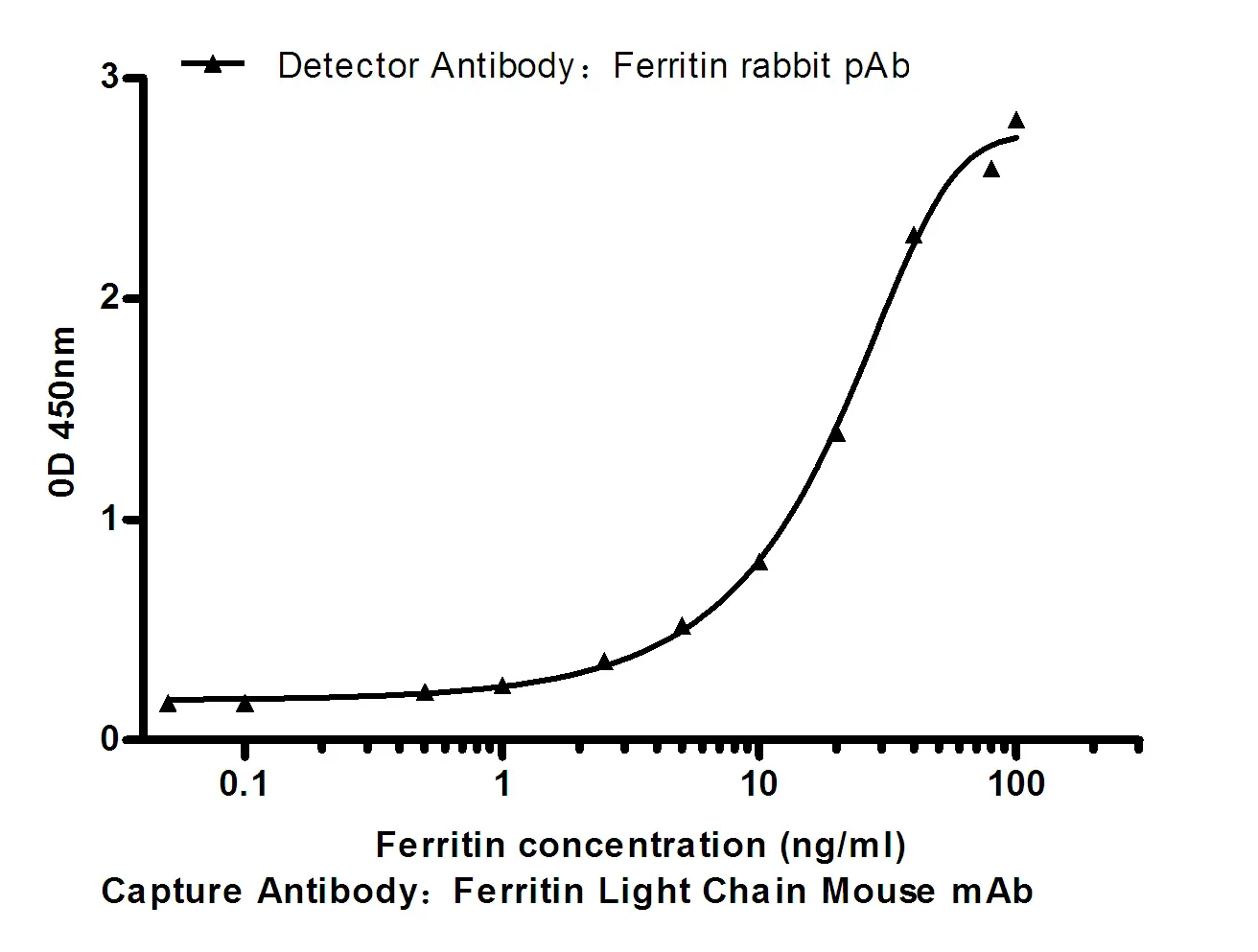
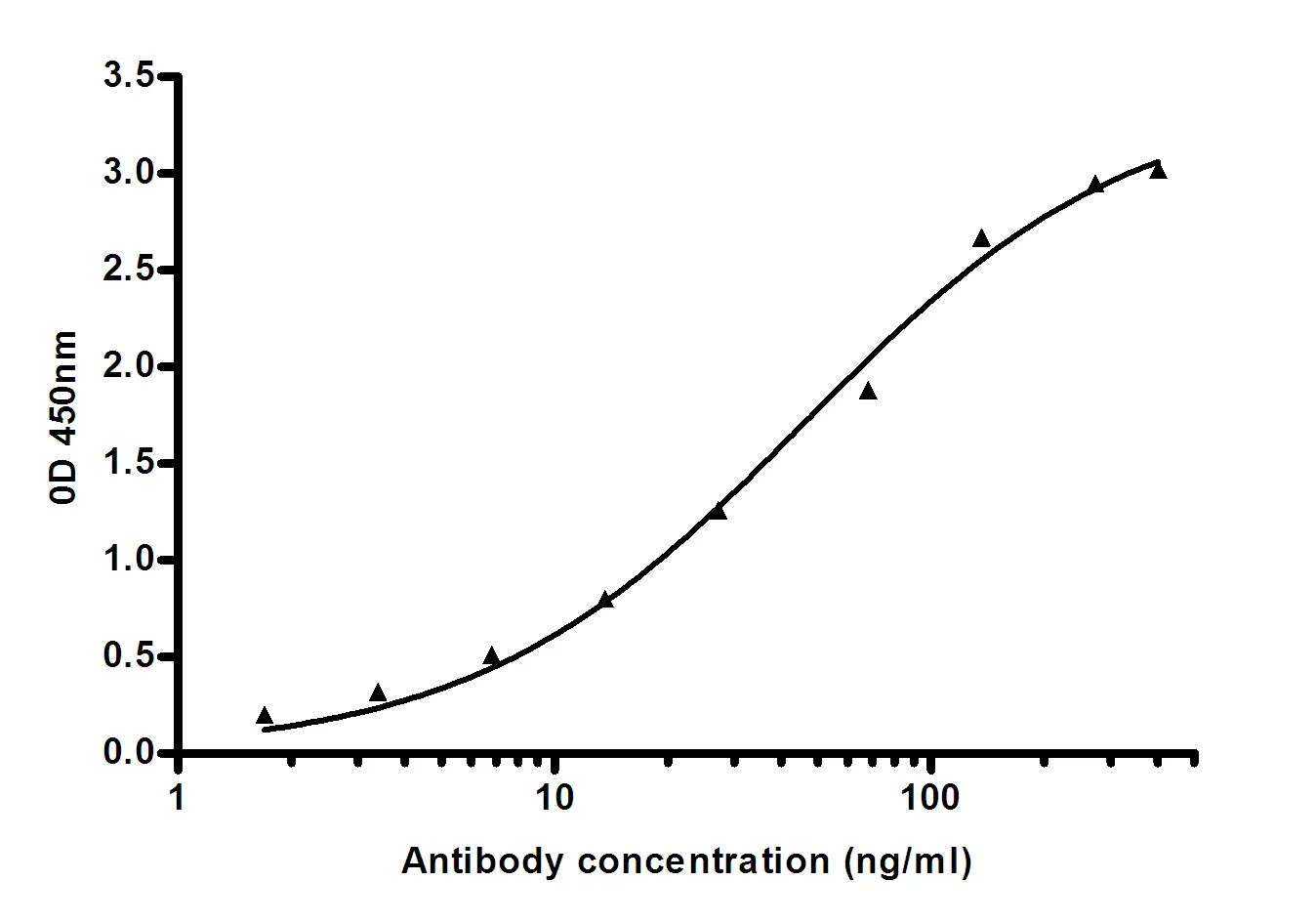
| アプリケーション | WB,ELISA |
| 希釈倍率 | WB 1:500-1:2000,ELISA 1:10000-1:20000 |
| 分子量 | 40kDa |
研究分野
| Non-homologous end-joining; |
背景
| この遺伝子によってコードされるタンパク質は、DNAリガーゼIVおよびDNA依存性タンパク質キナーゼと連携してDNA二本鎖切断の修復に関与する。このタンパク質は、非相同末端結合とV(D)J組換えの完了の両方に関与する。この遺伝子の変異は、低身長、小頭症、および内分泌機能障害(SSMED)を引き起こす可能性がある。選択的スプライシングによって、複数の転写産物バリアントが生成される。[RefSeq提供、2015年12月]、機能:二本鎖切断の修復とV(D)J組換えに必要なDNA非相同末端結合(NHEJ)に関与する。DNAおよびDNAリガーゼIV(LIG4)に結合する。LIG4-XRCC4複合体はNHEJライゲーション段階を担い、XRCC4はLIG4の結合活性を高める。 LIG4-XRCC4複合体のDNA末端への結合は、DNA依存性タンパク質キナーゼ複合体DNA-PKのこれらのDNA末端への組み立てに依存する。,PTM:モノユビキチン化。,PTM:PRKDCによってリン酸化される。このリン酸化はDNAへの結合には必要ないと思われる。CK2によるリン酸化はAPTXとの相互作用を促進する。,PTM:Lys-210のSUMO化は核局在および組換え効率に必要である。ユビキチン化には影響しない。,類似性:XRCC4ファミリーに属する。,サブユニット:溶液中でホモ二量体およびホモ四量体。ホモ二量体はLIG4と会合し、LIG4-XRCC4複合体はKu p70/p86二量体(G22P1/G22P2)およびPRKDCによって形成されるDNA-PK複合体とDNA依存的に会合する。 PRKDCと直接相互作用すると思われるが、Ku p70/86二量体とは相互作用しない。XLF/Cernunnosと相互作用する。APTXおよびAPLFと相互作用する。,組織特異性:広く発現している。, |