

XRCC1ウサギポリクローナル抗体
コンジュゲーション: 非共役
ウサギポリクローナル抗体
アプリケーション
反応性
ヒト、マウス、ラット
遺伝子名
XRCC1
保存
小分けして-20℃で保存してください(12ヶ月間有効)。凍結融解サイクルは避けてください。
要約
| 製品名 | XRCC1ウサギポリクローナル抗体 |
| 説明 | ウサギポリクローナル抗体 |
| 宿主 | うさぎ |
| 反応性 | ヒト、マウス、ラット |
| コンジュゲーション | 非共役 |
| 修飾 | 未修正 |
| アイソタイプ | IgG |
| クローン性 | ポリクローナル |
| 形態 | 液体 |
| 濃度 | 非共役 |
| 保存 | 小分けして-20℃で保存してください(12ヶ月間有効)。凍結融解サイクルは避けてください。 |
| 配送 | 氷嚢。 |
| バッファー | 50% グリセロール、0.5% 保護タンパク質、0.02% 新タイプ防腐剤 N を含む PBS 液。 |
| 精製 | アフィニティー精製 |
抗原情報
| 遺伝子名 | XRCC1 |
| 別名 | XRCC1; DNA repair protein XRCC1; X-ray repair cross-complementing protein 1 |
| 遺伝子ID | 7515 |
| SwissProt ID | P18887 |
| 免疫原 | 抗血清はヒトXRCC1由来の合成ペプチドに対して作製された。アミノ酸範囲:517-566 |
アプリケーション
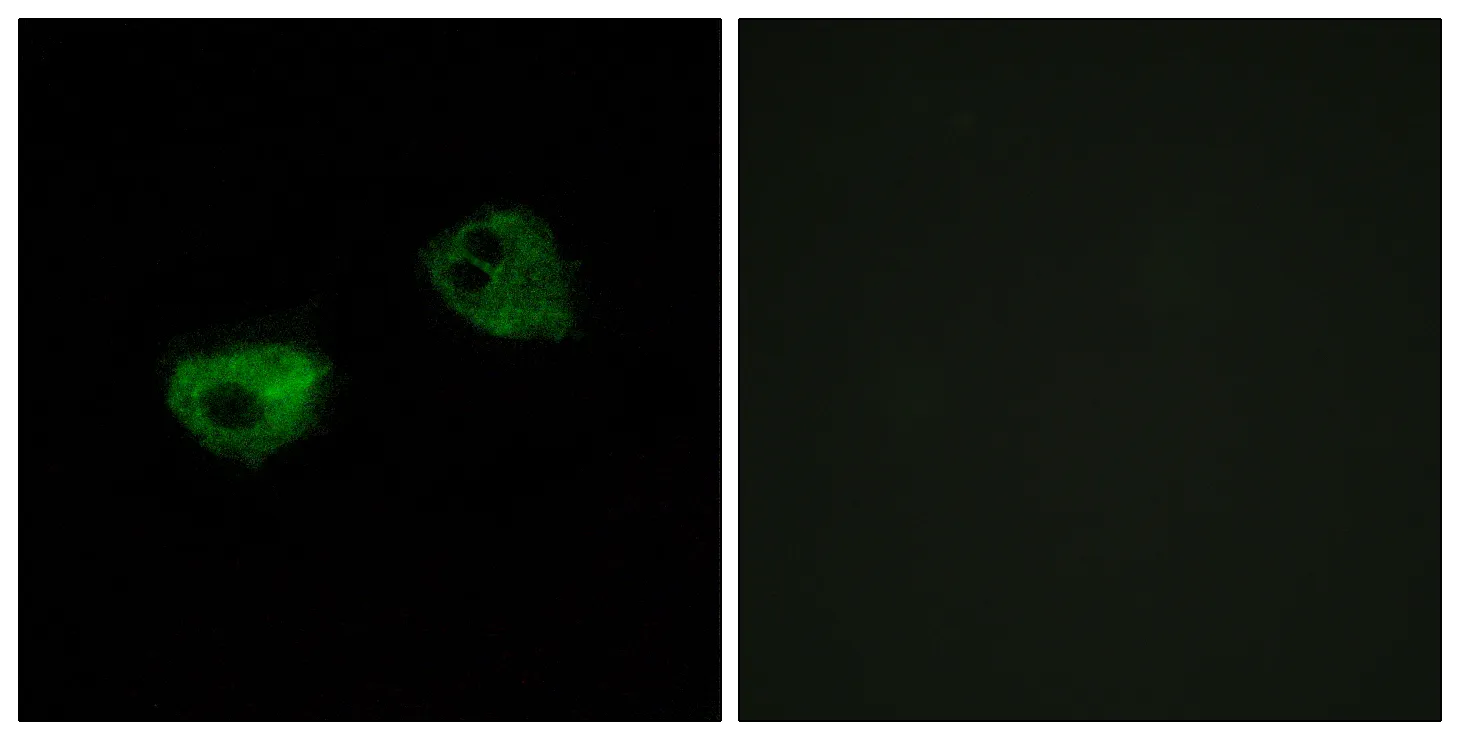
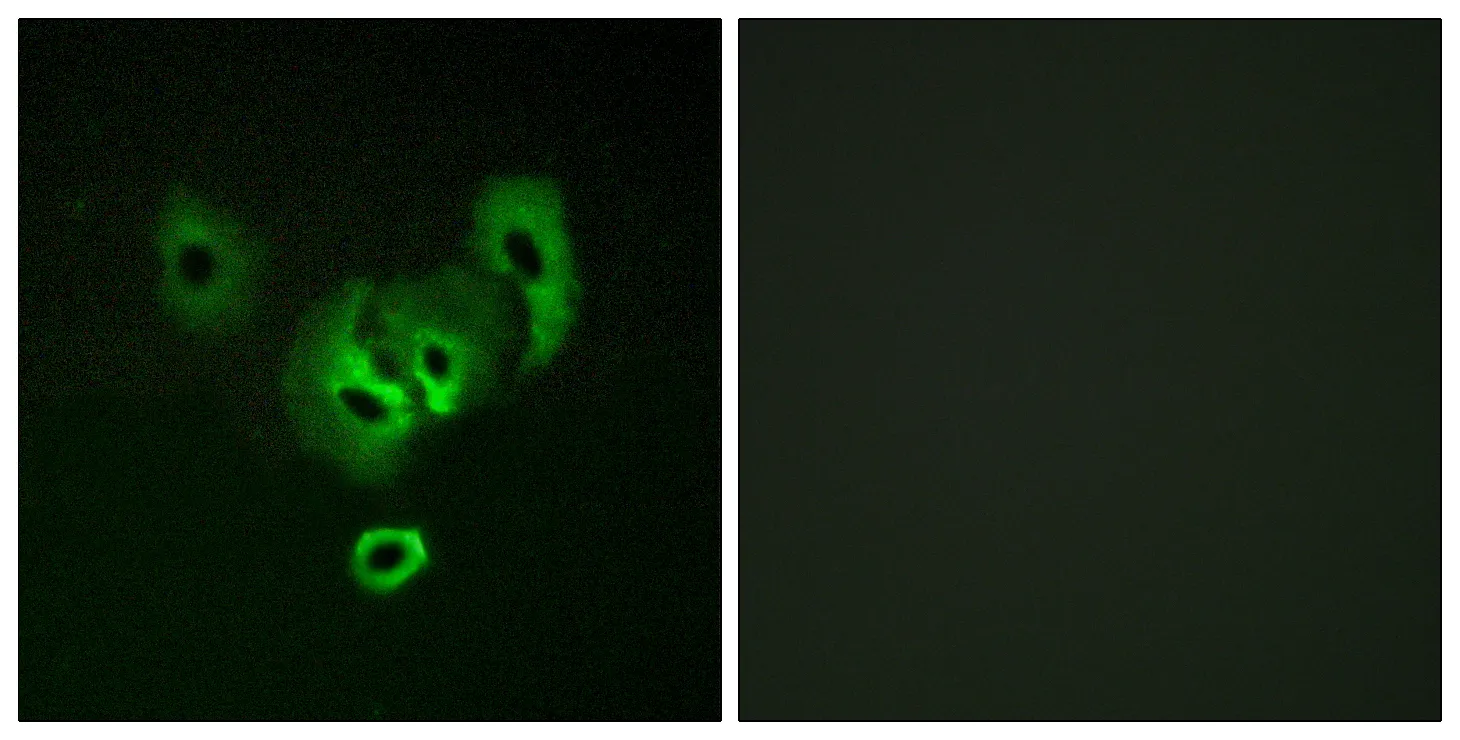
| アプリケーション | WB,IHC,ICC/IF,ELISA |
| 希釈倍率 | WB 1:500-1:2000,IHC 1:100-1:300,ICC/IF 1:50-1:200,ELISA 1:5000-1:20000 |
| 分子量 | 70kDa |
研究分野
| Base excision repair; |
背景
| この遺伝子によってコードされるタンパク質は、電離放射線およびアルキル化剤への曝露によって形成されたDNA一本鎖切断の効率的な修復に関与しています。このタンパク質はDNAリガーゼIII、ポリメラーゼβ、およびポリ(ADP-リボース)ポリメラーゼと相互作用し、塩基除去修復経路に関与します。生殖細胞における減数分裂および組換えにおけるDNA処理において役割を果たす可能性があります。この遺伝子のまれなマイクロサテライト多型は、様々な放射線感受性の患者の癌と関連しています。[RefSeq提供、2008年7月],機能:電離放射線およびアルキル化剤による治療後に生じた欠陥のあるDNA鎖切断修復および姉妹染色分体交換を修正します。,多型:多型性Gln-399アレルのキャリアは、タバコおよび加齢に伴うDNA損傷のリスクが高い可能性があります。,PTM:Ser-371のリン酸化は二量体の解離を引き起こします。 CK2によるリン酸化はAPTXおよびAPLFとの相互作用を促進する。,PTM:SUMO化。,類似性:2つのBRCTドメインを含む。,細胞内局在:DNA損傷部位に蓄積する。,サブユニット:ホモ二量体。ポリヌクレオチドキナーゼ(PNK)、DNAポリメラーゼβ(POLB)、DNAリガーゼIII(LIG3)と相互作用する。APTXおよびAPLFと相互作用する。, |