

Wnt1ウサギポリクローナル抗体
コンジュゲーション: 非共役
ウサギポリクローナル抗体
アプリケーション
反応性
ヒト、マウス
遺伝子名
WNT1
保存
小分けして-20℃で保存してください(12ヶ月間有効)。凍結融解サイクルは避けてください。
要約
| 製品名 | Wnt1ウサギポリクローナル抗体 |
| 説明 | ウサギポリクローナル抗体 |
| 宿主 | うさぎ |
| 反応性 | ヒト、マウス |
| コンジュゲーション | 非共役 |
| 修飾 | 未修正 |
| アイソタイプ | IgG |
| クローン性 | ポリクローナル |
| 形態 | 液体 |
| 濃度 | 非共役 |
| 保存 | 小分けして-20℃で保存してください(12ヶ月間有効)。凍結融解サイクルは避けてください。 |
| 配送 | 氷嚢。 |
| バッファー | 50% グリセロール、0.5% 保護タンパク質、0.02% アジ化ナトリウムを含む PBS 液 (pH 7.3)。 |
| 精製 | アフィニティー精製 |
抗原情報
| 遺伝子名 | WNT1 |
| 別名 | WNT1; INT1; Proto-oncogene Wnt-1; Proto-oncogene Int-1 homolog |
| 遺伝子ID | 7471 |
| SwissProt ID | P04628 |
| 免疫原 | 抗血清はヒトWNT1由来の合成ペプチドに対して作製された。アミノ酸範囲:301-350 |
アプリケーション
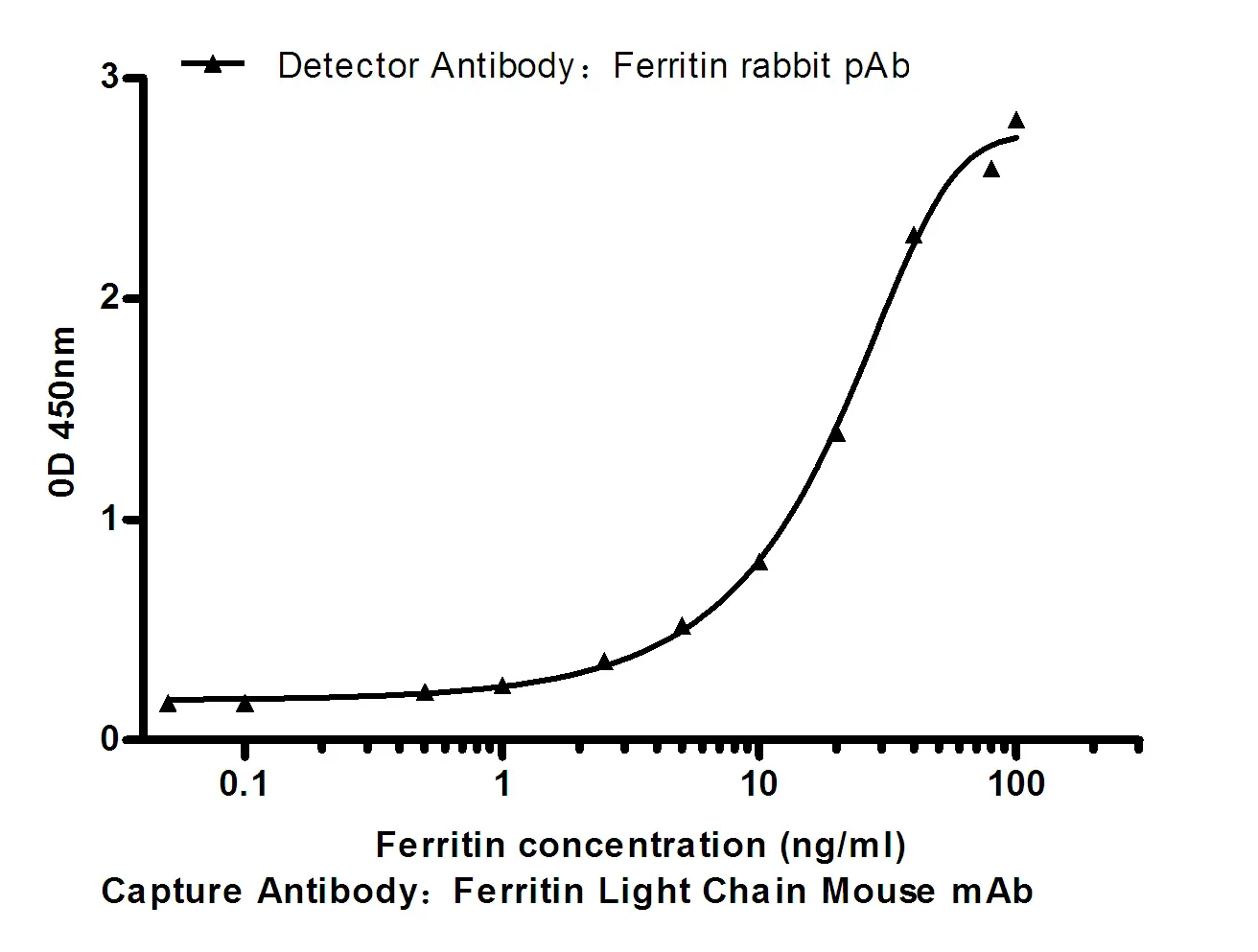
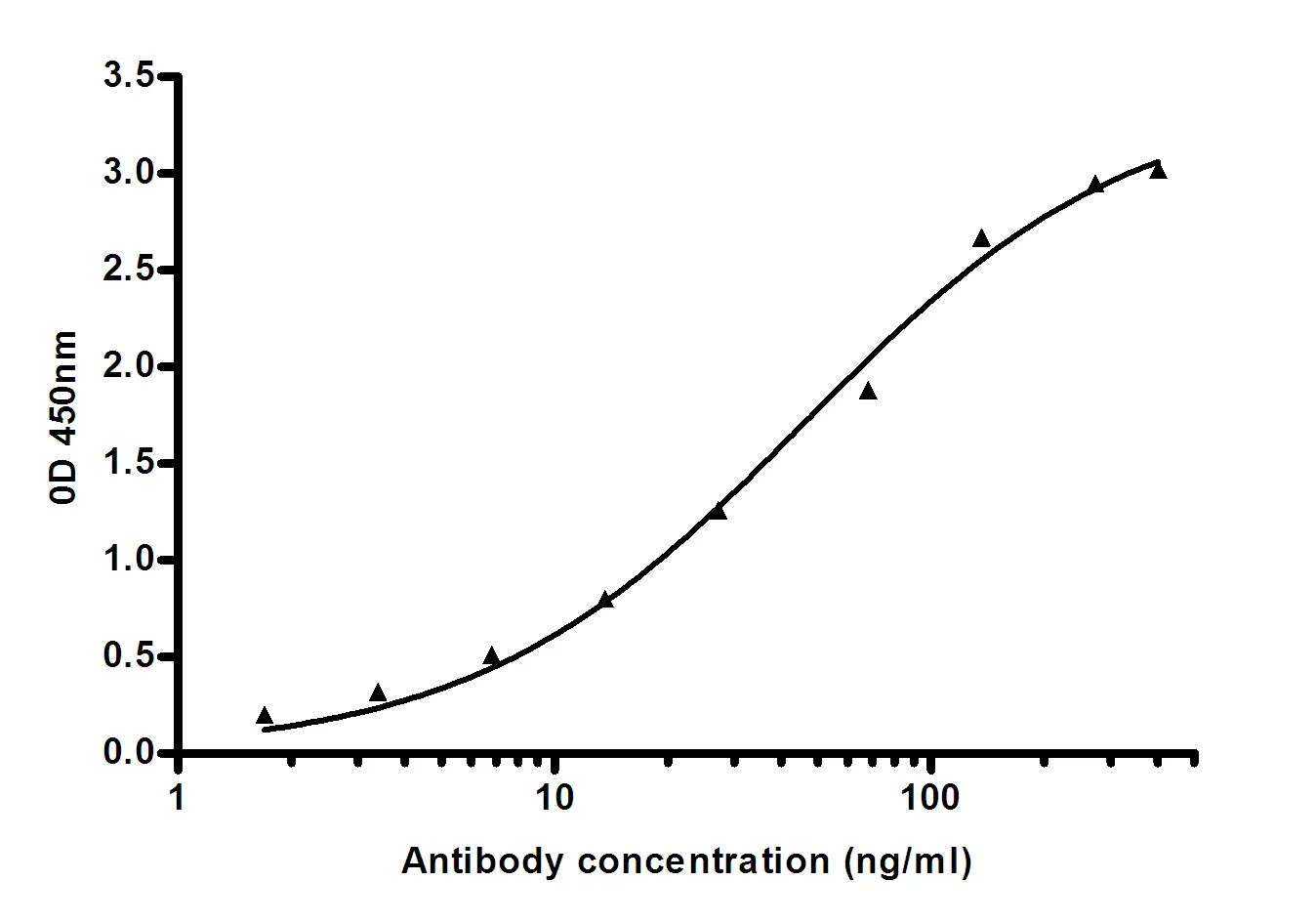
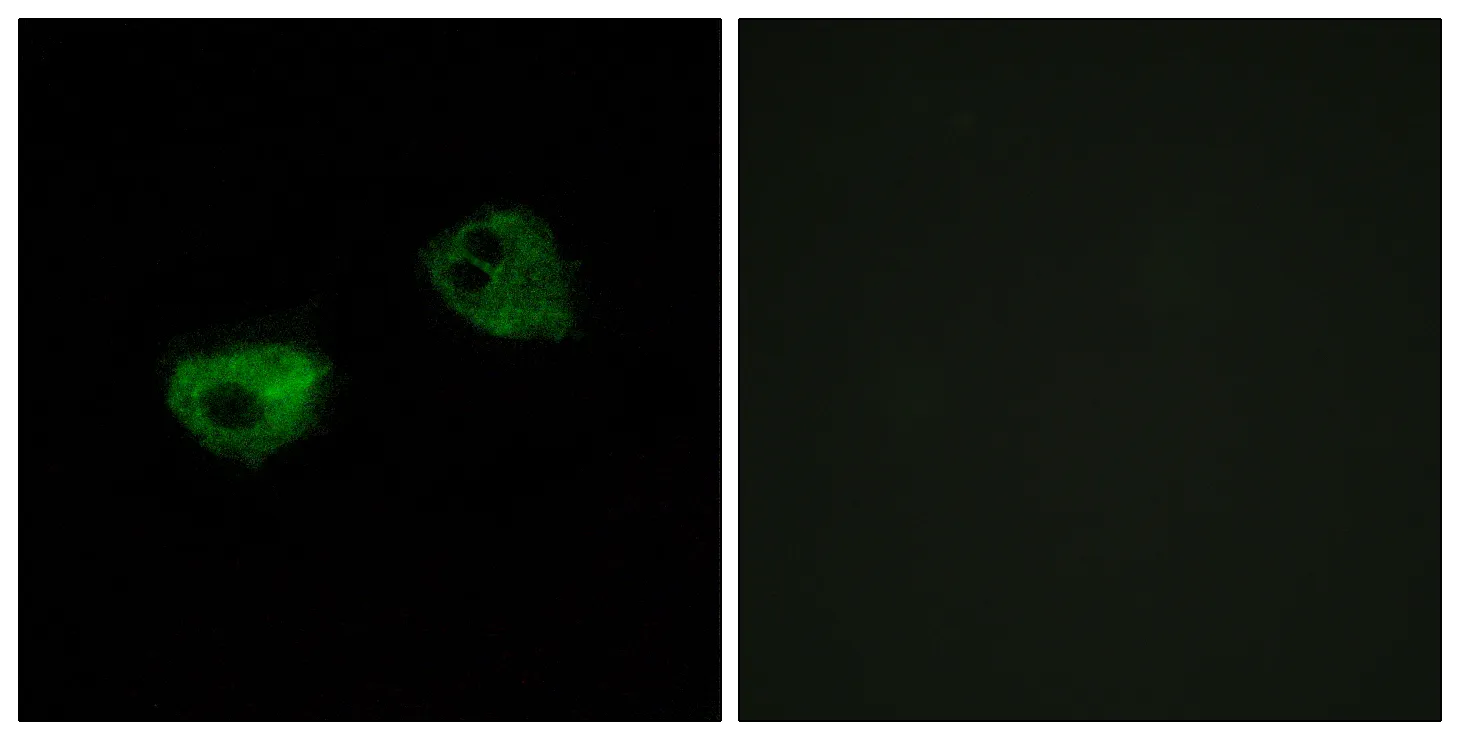
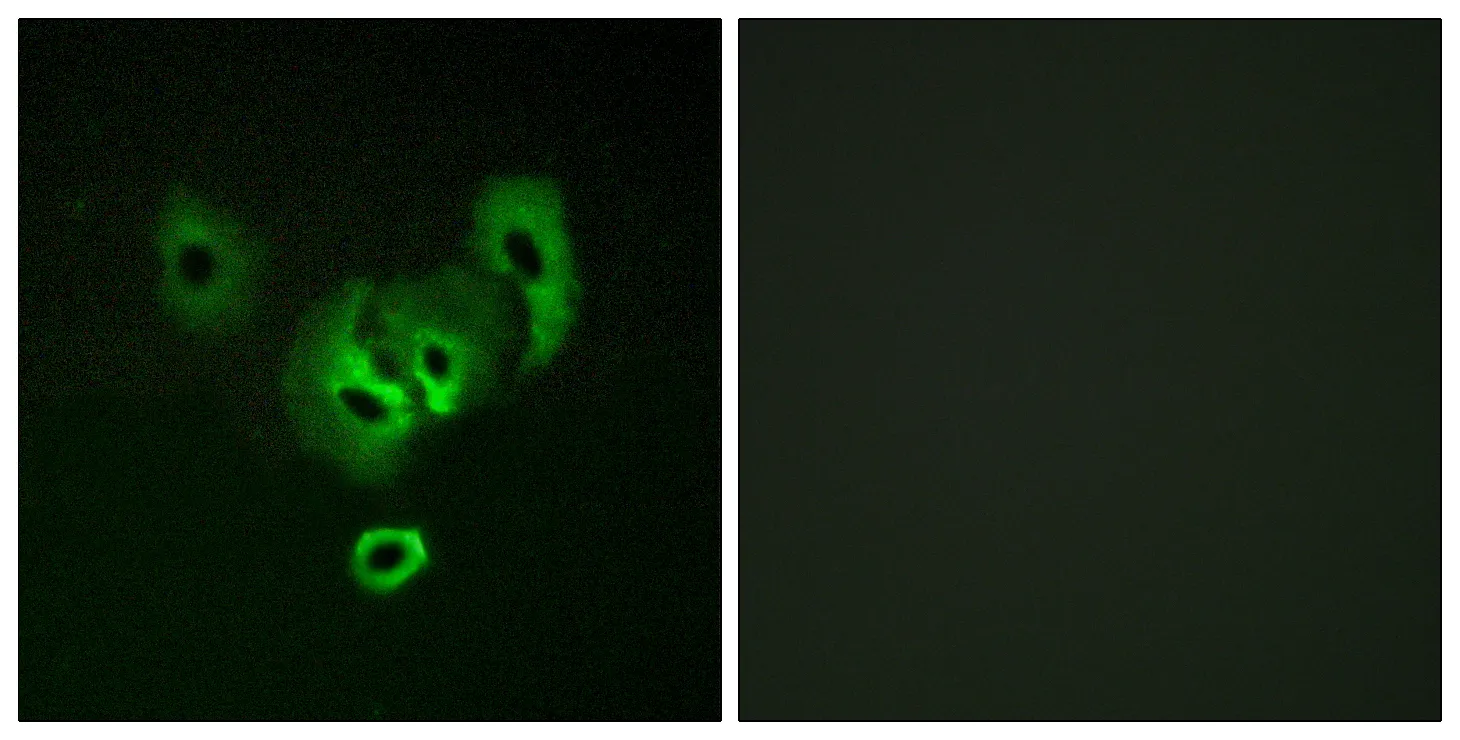
| アプリケーション | WB,IHC,ICC/IF,ELISA |
| 希釈倍率 | WB 1:500-1:1000,IHC 1:50-1:100,ICC/IF 1:50-1:200,ELISA 1:5000-1:20000 |
| 分子量 | Calculated MW: 41 kDa; Observed MW: 45 kDa |
研究分野
| Stem Cells |
背景
| WNT1:wingless型MMTV統合部位ファミリー、メンバー1。WNT遺伝子ファミリーは、分泌シグナル伝達タンパク質をコードする構造的に関連した遺伝子で構成されています。これらのタンパク質は、腫瘍形成や、胚発生中の細胞運命とパターン形成の調節を含むいくつかの発生プロセスに関係しています。この遺伝子はWNT遺伝子ファミリーのメンバーです。進化において非常に保存されており、この遺伝子によってコードされるタンパク質は、マウスWnt1タンパク質とアミノ酸レベルで98%同一であることが知られています。マウスの研究では、Wnt1タンパク質が中脳と小脳の誘導に機能することが示されている。この遺伝子は当初、小脳低形成を主症状とする常染色体劣性疾患であるジュベール症候群の候補遺伝子と考えられていました。しかし、その後の研究で、遺伝子変異はジュベール症候群において重要な役割を果たしていない可能性があることが示唆されました。この遺伝子は、染色体 12q13 領域で別のファミリー メンバーである WNT10B とクラスター化しています。 |