

Wee 1ウサギポリクローナル抗体
コンジュゲーション: 非共役
ウサギポリクローナル抗体
アプリケーション
反応性
ヒト、マウス、ラット
遺伝子名
WEE1
保存
小分けして-20℃で保存してください(12ヶ月間有効)。凍結融解サイクルは避けてください。
要約
| 製品名 | Wee 1ウサギポリクローナル抗体 |
| 説明 | ウサギポリクローナル抗体 |
| 宿主 | うさぎ |
| 反応性 | ヒト、マウス、ラット |
| コンジュゲーション | 非共役 |
| 修飾 | 未修正 |
| アイソタイプ | IgG |
| クローン性 | ポリクローナル |
| 形態 | 液体 |
| 濃度 | 非共役 |
| 保存 | 小分けして-20℃で保存してください(12ヶ月間有効)。凍結融解サイクルは避けてください。 |
| 配送 | 氷嚢。 |
| バッファー | 50% グリセロール、0.5% 保護タンパク質、0.02% 新タイプ防腐剤 N を含む PBS 液。 |
| 精製 | アフィニティー精製 |
抗原情報
| 遺伝子名 | WEE1 |
| 別名 | WEE1; Wee1-like protein kinase; WEE1hu; Wee1A kinase |
| 遺伝子ID | 7465 |
| SwissProt ID | P30291 |
| 免疫原 | 抗血清はヒトWEE1由来の合成ペプチドに対して作製された。アミノ酸範囲:19-68 |
アプリケーション
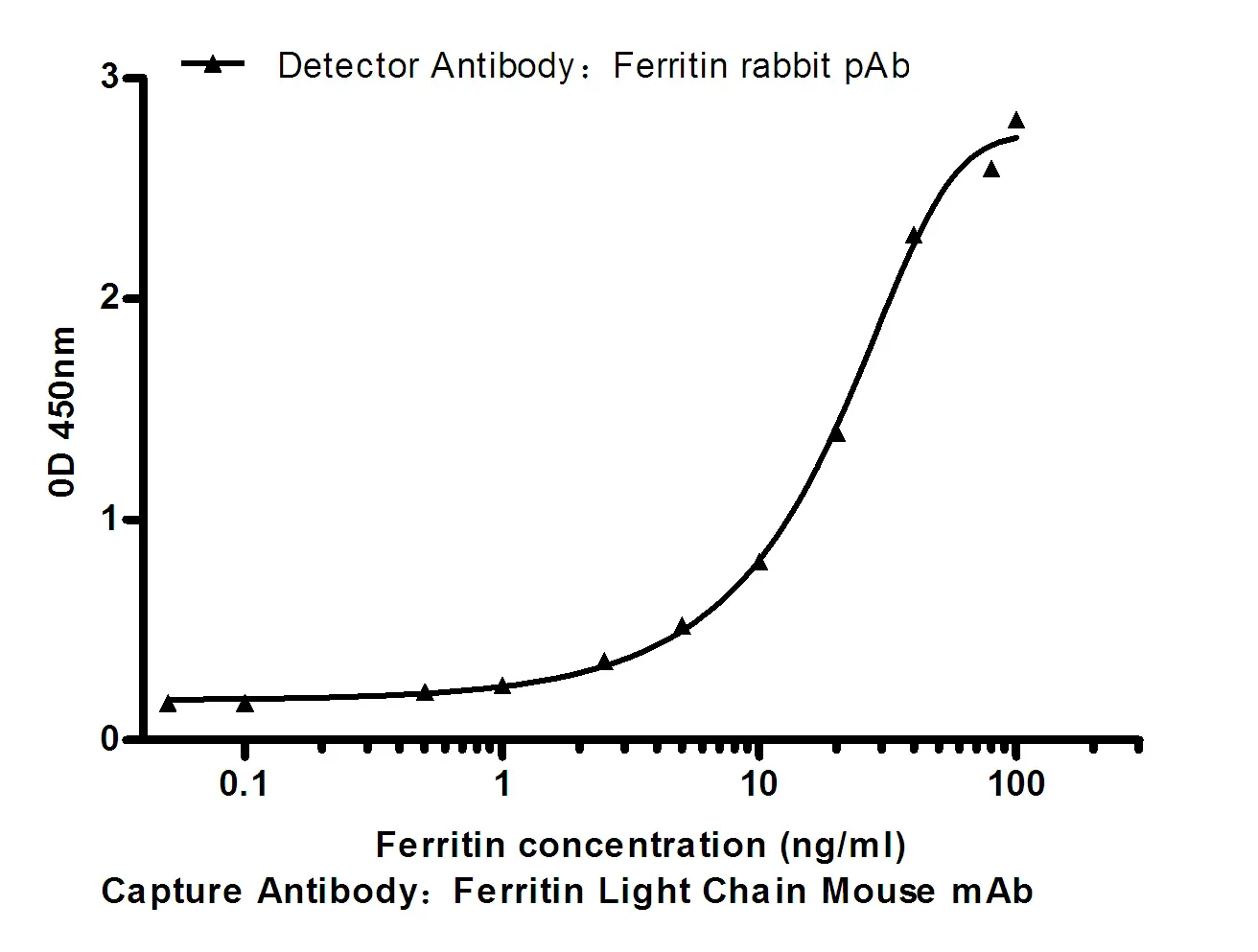
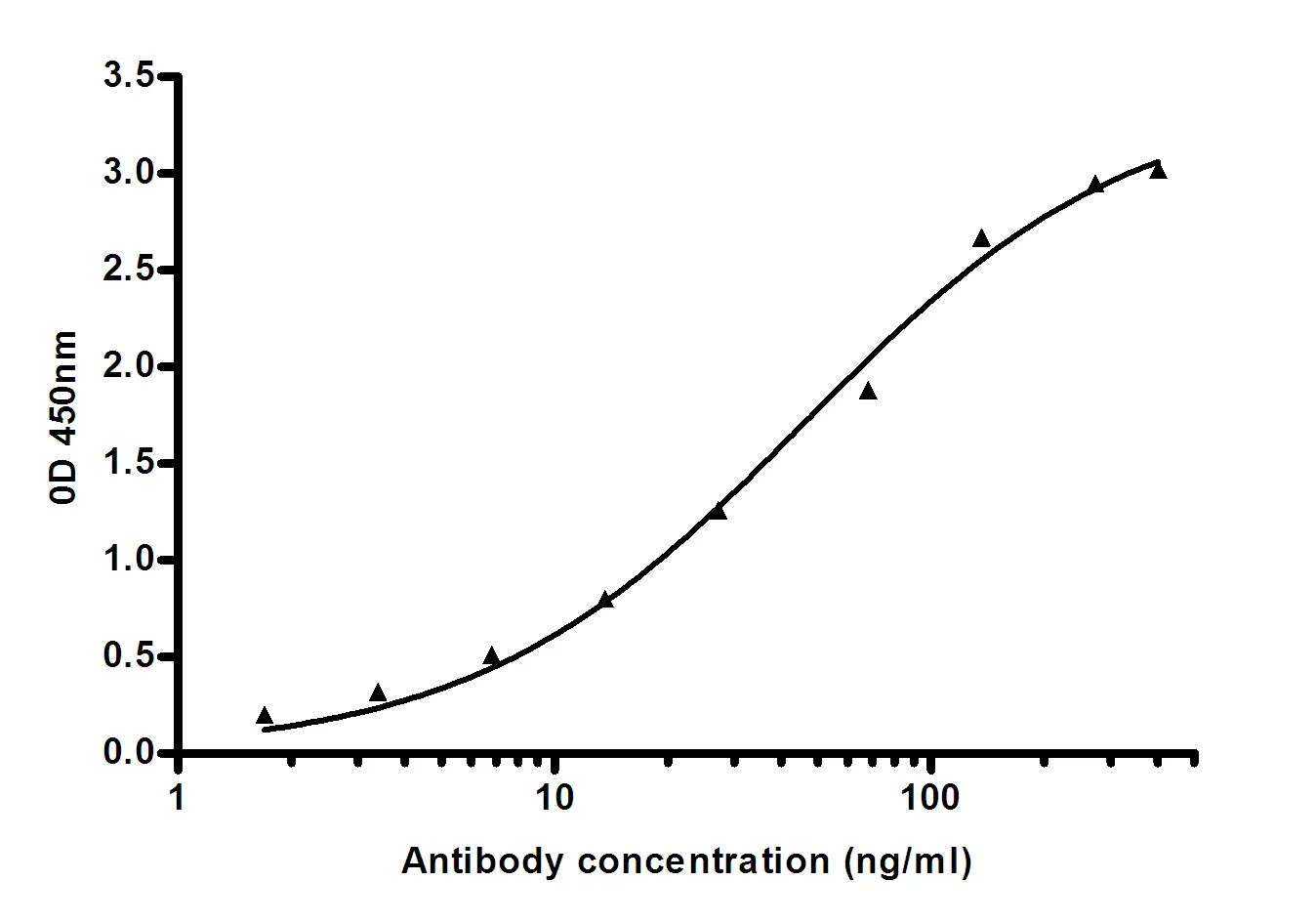
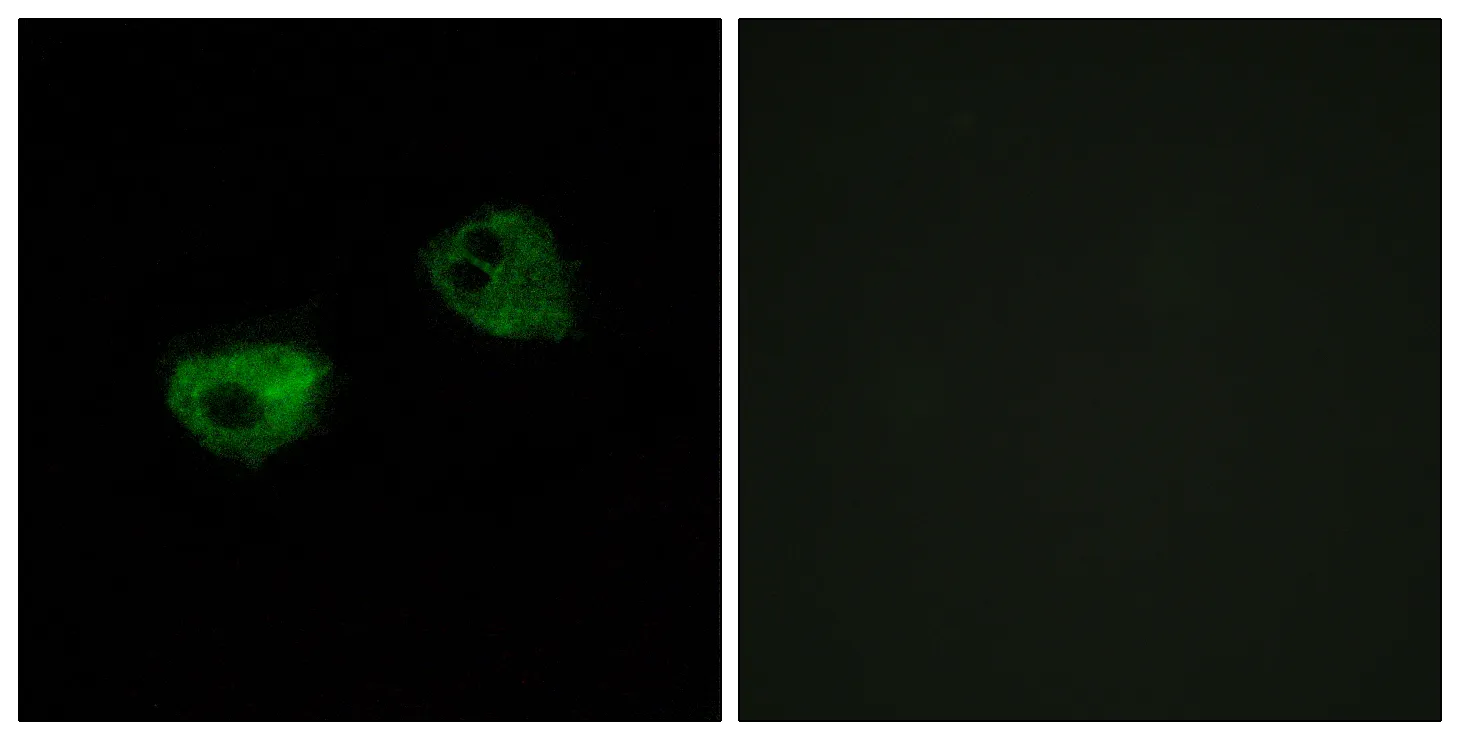
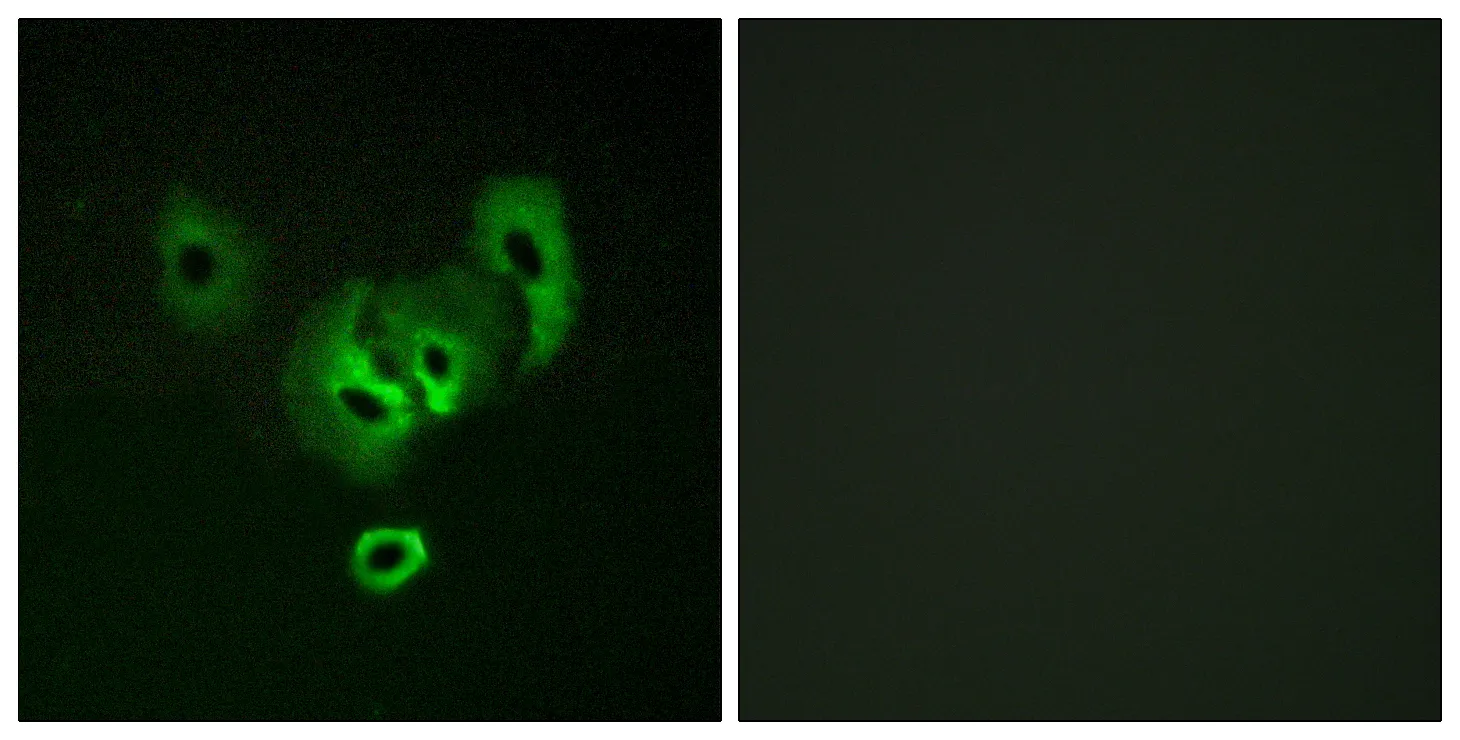
| アプリケーション | WB,ELISA |
| 希釈倍率 | WB 1:500-1:2000,ELISA 1:20000-1:40000 |
| 分子量 | 72kDa |
研究分野
| Cell_Cycle_G1S;Cell_Cycle_G2M_DNA; |
背景
| WEE1 G2チェックポイントキナーゼ(WEE1) ホモサピエンス この遺伝子は、Ser/Thrファミリーのタンパク質キナーゼに属するチロシンキナーゼである核タンパク質をコードしています。このタンパク質は、CDC2/サイクリンBキナーゼの阻害性チロシンリン酸化を触媒し、細胞質で活性化されたCDC2キナーゼから核を保護することで、DNA複製と有糸分裂の間の遷移を調整すると考えられています。[RefSeq提供、2008年7月],触媒活性:ATP + a [タンパク質]-L-チロシン = ADP + a [タンパク質]-L-チロシンリン酸。,補因子:サブユニットあたり2個のマグネシウムイオンを結合します。,酵素調節:S期およびG2期には、おそらく転写の増加により合成が増加します。一方、m期にはリン酸化により活性が低下します。 M 期には、合成の減少と分解が組み合わさってタンパク質レベルが低下します。有糸分裂に入ると、リン酸化によって活性が負に制御されるようですが、N 末端リン酸化は、タンパク質分解からの保護を介してタンパク質の安定性を制御したり、細胞内局在を制御したりする可能性があります。,機能:有糸分裂の開始前に、細胞質で活性化されたサイクリン B1 複合体 CDC2 から核を保護することにより、有糸分裂 (G2 から M への移行) 開始の負の調節因子として機能する可能性があります。その活性は S 期と G2 期に増加し、過剰リン酸化されると M 期に減少します。M/G1 期では、おそらくその分解が原因で、タンパク質レベルの相関的な減少が起こります。具体的には、サイクリン B1 複合体 CDC2 をリン酸化して不活性化し、G2 期に最大になり、細胞が M 期に入ると最小になります。サイクリンB1-CDC2のリン酸化は「Tyr-15」のみで起こり、単量体CDC2のリン酸化は起こらない。,PTM:M期およびG1期にリン酸化される。また、自己リン酸化も起こる。,PTM:G2/M期開始時にユビキチン化され、分解される。,類似性:タンパク質キナーゼスーパーファミリーに属する。,類似性:タンパク質キナーゼスーパーファミリーに属する。Ser/Thrタンパク質キナーゼファミリー。WEE1サブファミリー。,類似性:1つのタンパク質キナーゼドメインを含む。, |