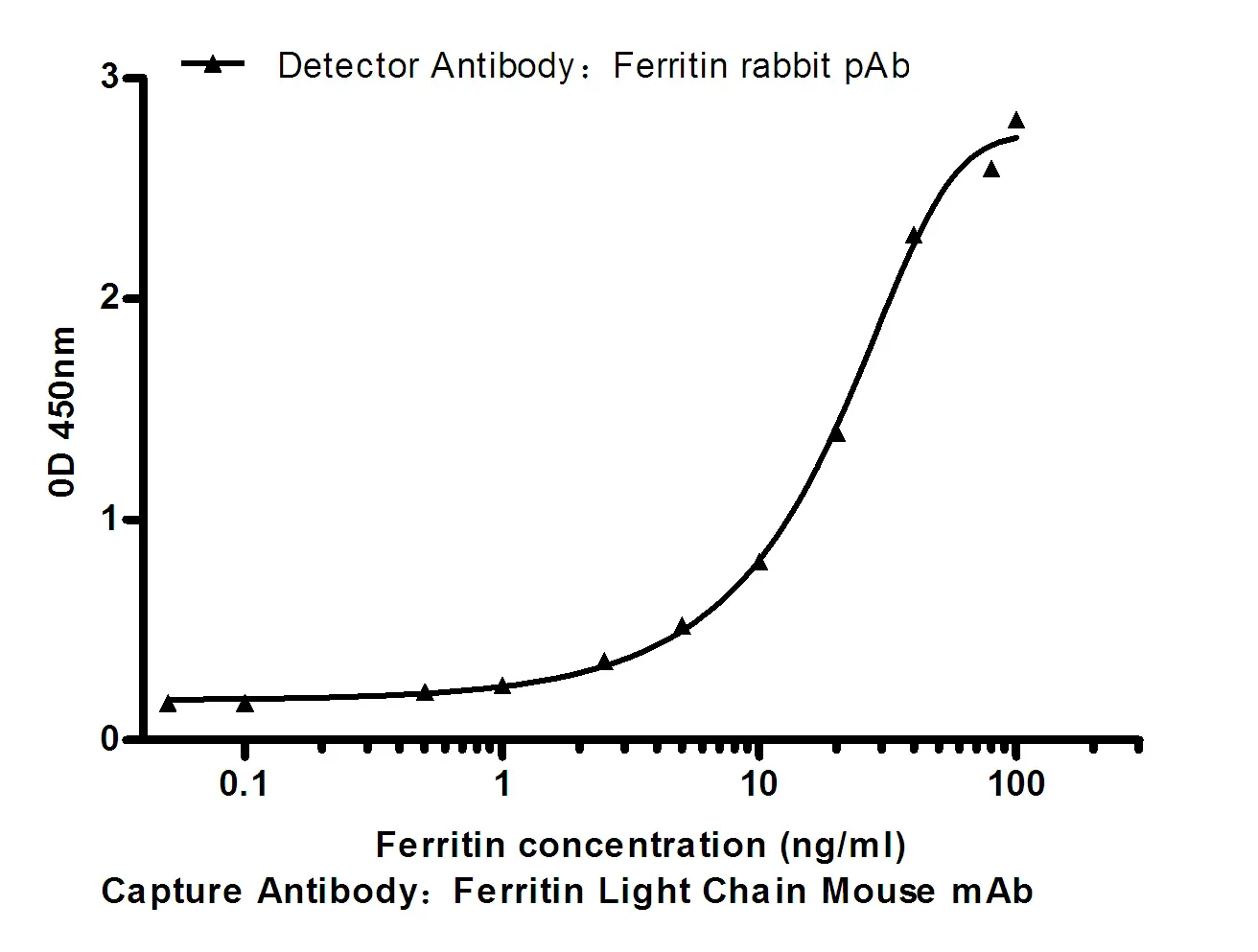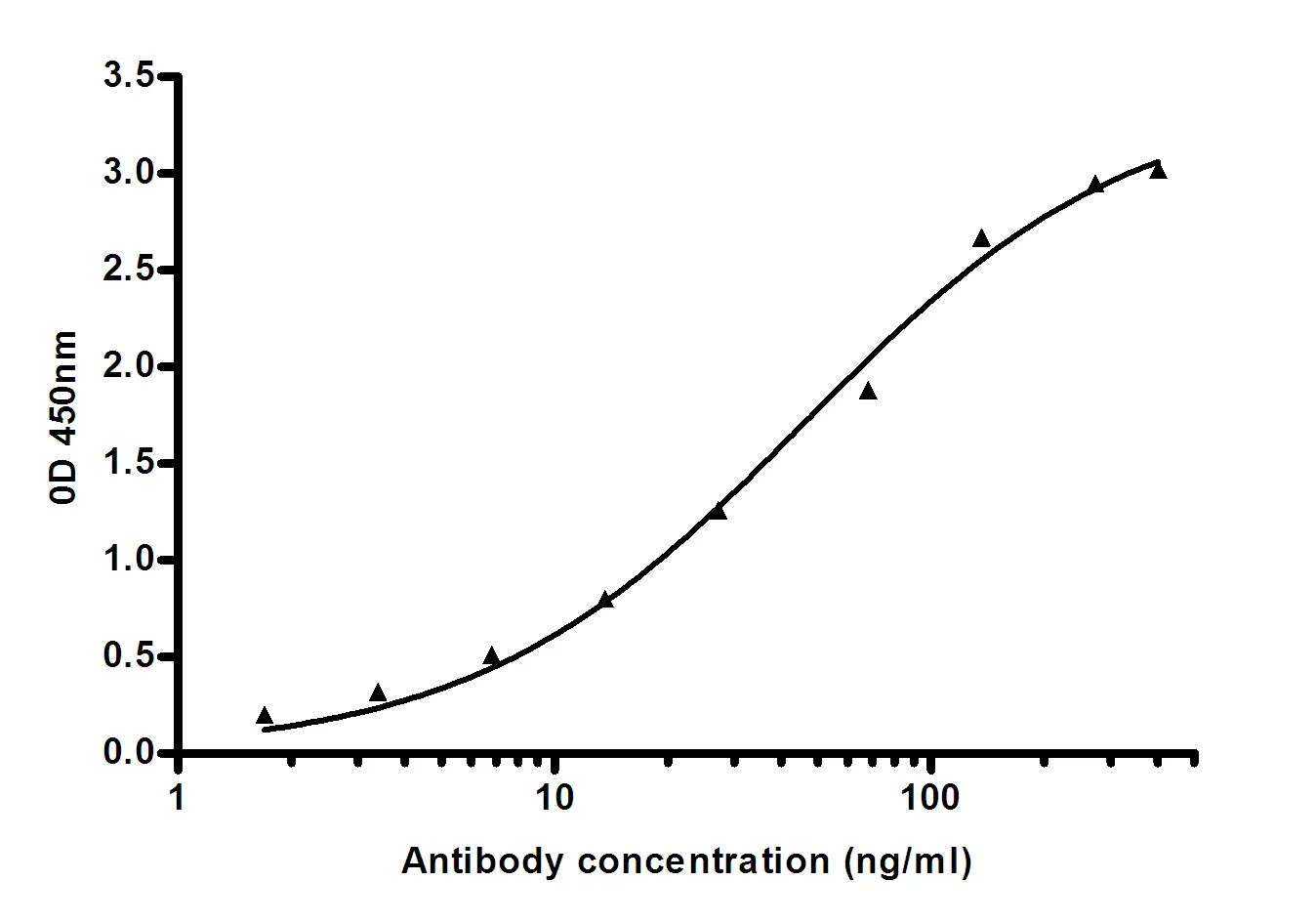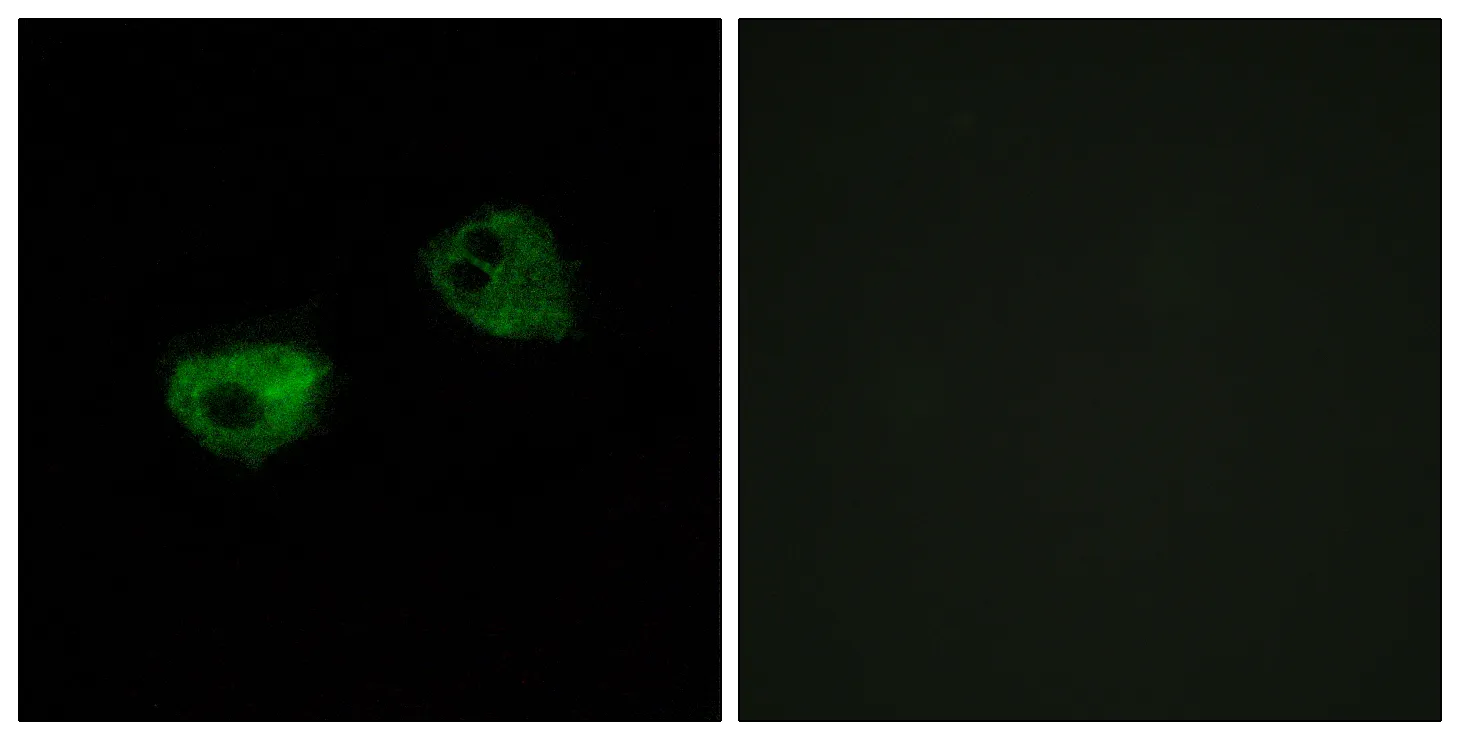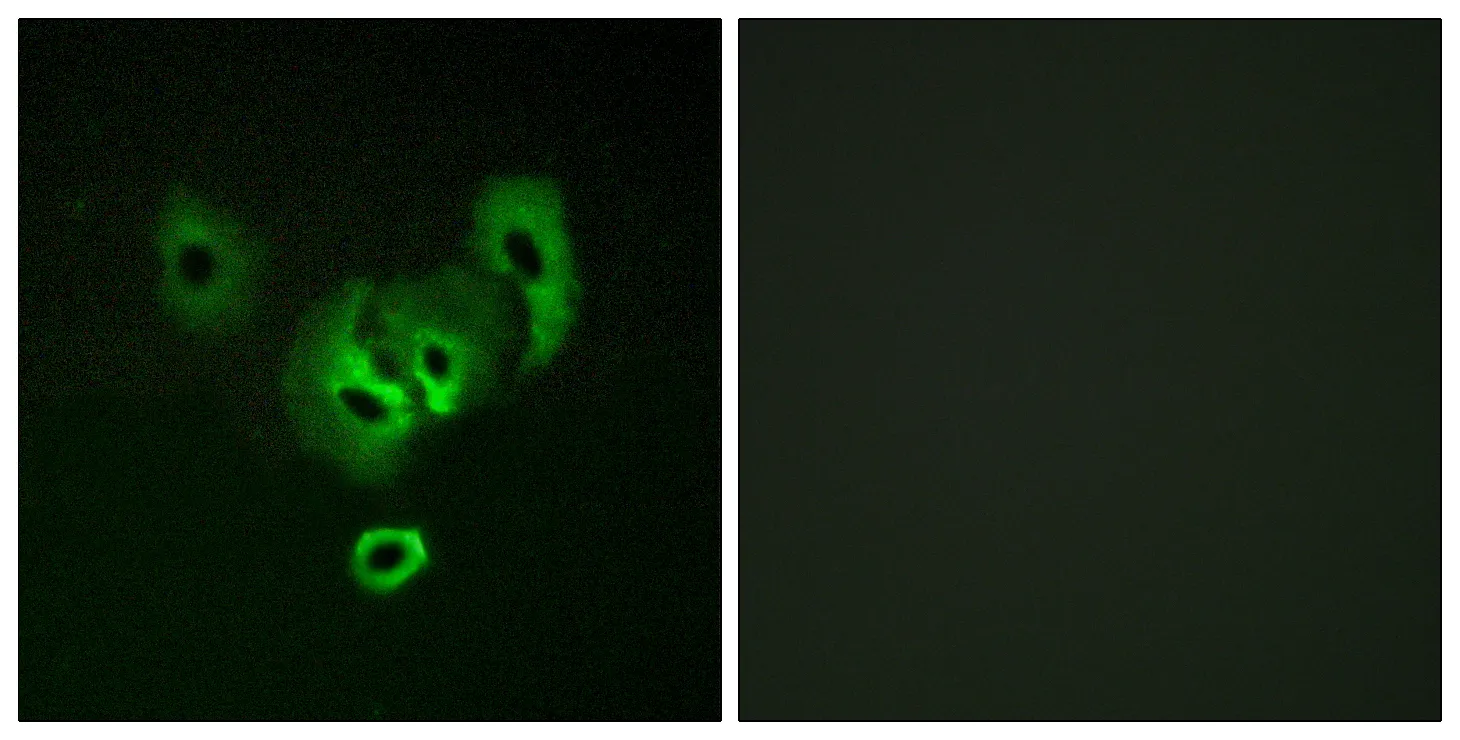


ビリンウサギポリクローナル抗体
コンジュゲーション: 非共役
ウサギポリクローナル抗体
アプリケーション
反応性
ヒト、マウス、ラット
遺伝子名
VIL1 VIL
保存
小分けして-20℃で保存してください(12ヶ月間有効)。凍結融解サイクルは避けてください。
要約
| 製品名 | ビリンウサギポリクローナル抗体 |
| 説明 | ウサギポリクローナル抗体 |
| 宿主 | うさぎ |
| 反応性 | ヒト、マウス、ラット |
| コンジュゲーション | 非共役 |
| 修飾 | 未修正 |
| アイソタイプ | IgG |
| クローン性 | ポリクローナル |
| 形態 | 液体 |
| 濃度 | 非共役 |
| 保存 | 小分けして-20℃で保存してください(12ヶ月間有効)。凍結融解サイクルは避けてください。 |
| 配送 | 氷嚢。 |
| バッファー | 50% グリセロール、0.5% 保護タンパク質、0.02% 新タイプ防腐剤 N を含む PBS 液。 |
| 精製 | アフィニティー精製 |
抗原情報
| 遺伝子名 | VIL1 VIL |
| 別名 | villin 1 |
| 遺伝子ID | 7429 |
| SwissProt ID | P09327 |
| 免疫原 | ビリン由来の合成ペプチド(アミノ酸範囲:601-650) |
アプリケーション
| アプリケーション | WB,ELISA |
| 希釈倍率 | WB 1:500-1:2000,ELISA 1:10000-1:20000 |
| 分子量 | 90kDa |
研究分野
| Signal Transduction |
背景
| この遺伝子は、カルシウム制御性アクチン結合タンパク質ファミリーのメンバーをコードしています。このタンパク質は、アクチンフィラメントのキャッピング、切断、および束形成に機能する刷子縁細胞骨格の主要な部分を構成しています。2.7 kbと3.5 kbの2つのmRNAが観察されており、これらは末端エクソンに存在する代替ポリアデニル化シグナルの利用によって生じます。[RefSeq提供、2008年7月],ドメイン:N末端部分である大きなコアフラグメントと、C末端部分である小さなヘッドピースで構成されています。ヘッドピースは、カルシウムの存在下でも非存在下でも、F-アクチンに強く結合する。,機能:Ca(2+)調節性アクチン結合タンパク質。,類似性:ビリン/ゲルゾリンファミリーに属する。,類似性:1つのHP(ヘッドピース)ドメインを含む。,類似性:6つのゲルゾリン様反復配列を含む。,サブユニット:モノマー。,組織特異性:腸管上皮細胞および腎臓近位尿細管細胞の微絨毛の主成分。, |