Tuberin (phospho Thr1462) Rabbit Polyclonal Antibody

Tuberin (phospho Thr1462) Rabbit Polyclonal Antibody

Cat: APRab05595
Boyut:20μL Fiyat:$99_x000D_
Boyut:50μL Fiyat:$118_x000D_
Boyut:100μL Fiyat:$220_x000D_
Boyut:200μL Fiyat:$380_x000D_
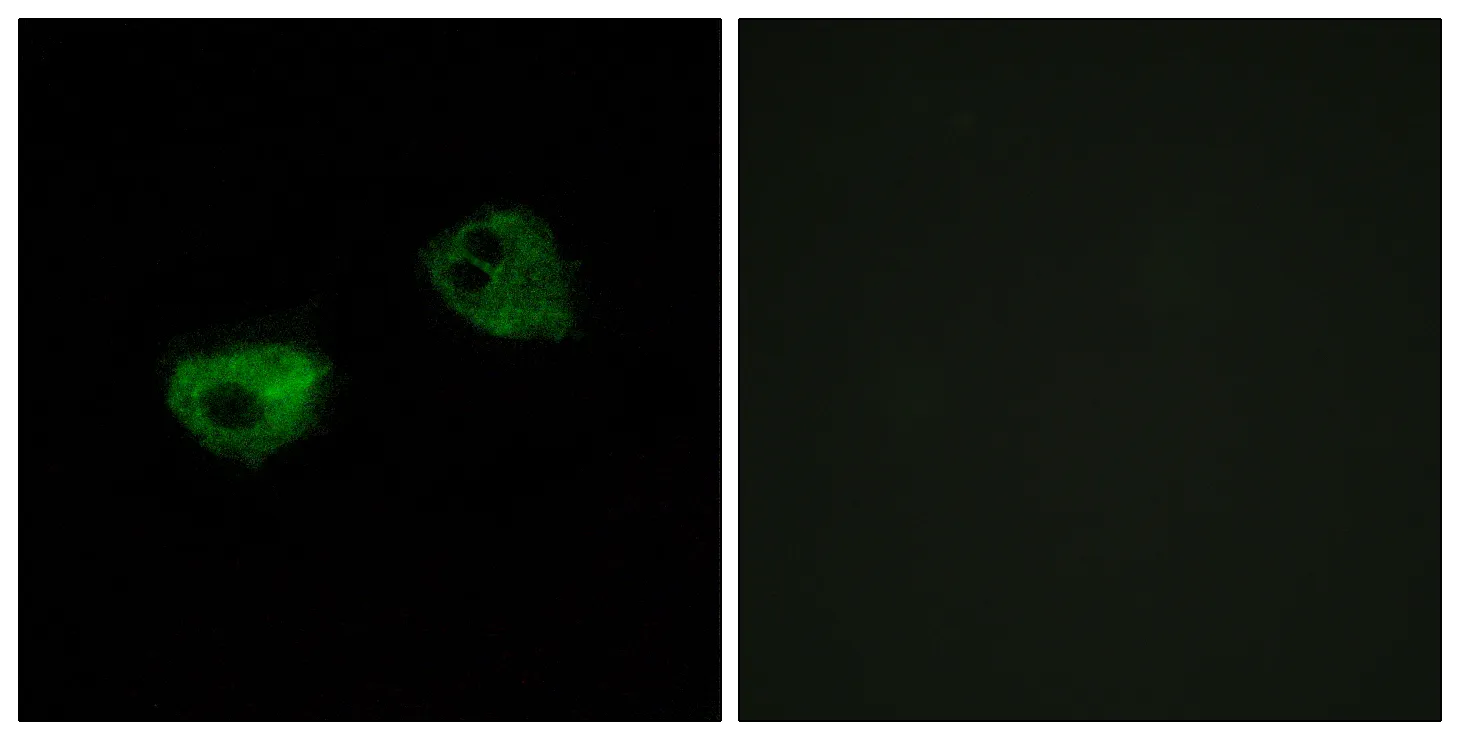
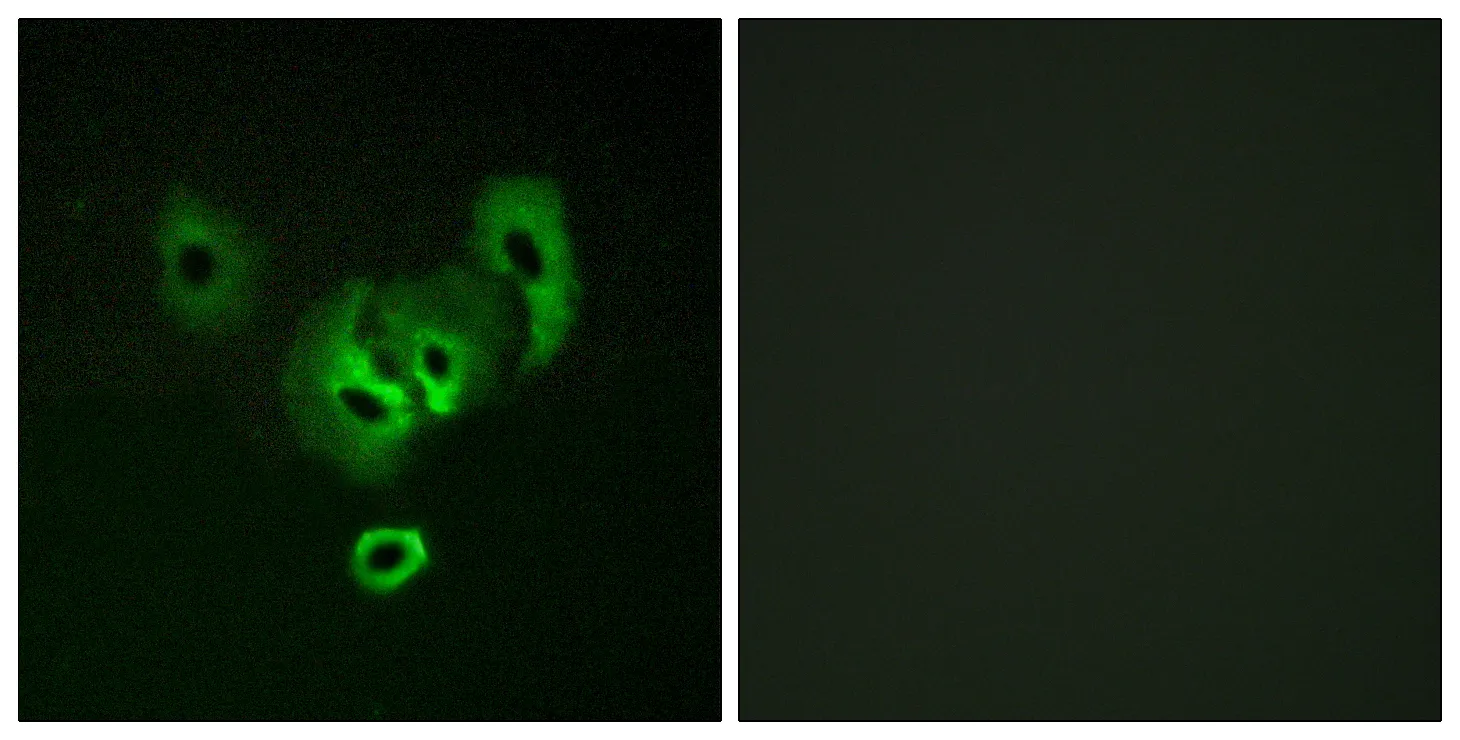
Uygulama:WB,IHC,ICC/IF,ELISA
Reaktivite:Human,Mouse,Rat
Konjuge:Unconjugated
İsteğe bağlı konjugeler: Biotin, FITC (ücretsiz). Diğer 26 konjugatı görün.

Gen Adı:TSC2
Category: ポリクローナル抗体 Tags: , , , , , , , , , ,
Tuberin (phospho Thr1462) Rabbit Polyclonal Antibody
Konjugasyon: Unconjugated
Rabbit polyclonal Antibody
Uygulama
IHC  ICC/IF  ELISA WB,IHC,ICC/IF,ELISA
Reaktivite
Human,Mouse,Rat
Gen Adı
TSC2
Saklama
Aliquot and store at -20°C (valid for 12 months). Avoid freeze/thaw cycles.
Özet
Ürün Adı Tuberin (phospho Thr1462) Rabbit Polyclonal Antibody
Açıklama Rabbit polyclonal Antibody
Konak Rabbit
Reaktivite Human,Mouse,Rat
Konjugasyon Unconjugated
Modifikasyon Phosphorylated
İzotip IgG
Klonalite Polyclonal
Form Liquid
Konsantrasyon Unconjugated
Saklama Aliquot and store at -20°C (valid for 12 months). Avoid freeze/thaw cycles.
Nakliye Ice bags.
Tampon Liquid in PBS containing 50% glycerol, 0.5% protective protein and 0.02% New type preservative N.
Saflaştırma Affinity purification
Antijen Bilgisi
Gen Adı TSC2
Alternatif İsimler TSC2; TSC4; Tuberin; Tuberous sclerosis 2 protein
Gen Kimliği 7249
SwissProt Kimliği P49815
İmmünojen The antiserum was produced against synthesized peptide derived from human Tuberin/TSC2 around the phosphorylation site of Thr1462. AA range:1428-1477
Uygulama
Uygulama WB,IHC,ICC/IF,ELISA
Seyreltme Oranı WB 1:500-1:2000,IHC 1:100-1:300,ICC/IF 1:200-1:1000,ELISA 1:5000-1:10000
Moleküler Ağırlık 200kDa
Araştırma Alanı
Insulin Receptor; mTOR; B Cell Receptor; PI3K/Akt; AMPK
Arka Plan
Mutations in this gene lead to tuberous sclerosis complex. Its gene product is believed to be a tumor suppressor and is able to stimulate specific GTPases. The protein associates with hamartin in a cytosolic complex, possibly acting as a chaperone for hamartin. Alternative splicing results in multiple transcript variants encoding different isoforms. [provided by RefSeq, Jul 2008],alternative products:Additional isoforms seem to exist. Experimental confirmation may be lacking for some isoforms,disease:Defects in TSC2 are a cause of lymphangioleiomyomatosis (LAM) [MIM:606690]. LAM is a progressive and often fatal lung disease characterized by a diffuse proliferation of abnormal smooth muscle cells in the lungs. It affects almost exclusively young women and can occur as an isolated disorder or in association with tuberous sclerosis complex.,disease:Defects in TSC2 are the cause of tuberous sclerosis complex (TSC) [MIM:191100]. The molecular basis of TSC is a functional impairment of the tuberin-hamartin complex. TSC is an autosomal dominant multi-system disorder that affects especially the brain, kidneys, heart, and skin. TSC is characterized by hamartomas (benign overgrowths predominantly of a cell or tissue type that occurs normally in the organ) and hamartias (developmental abnormalities of tissue combination). Clinical symptoms can range from benign hypopigmented macules of the skin to profound mental retardation with intractable seizures to premature death from a variety of disease-associated causes.,function:Implicated as a tumor suppressor. May have a function in vesicular transport, but may also play a role in the regulation of cell growth arrest and in the regulation of transcription mediated by steroid receptors. Interaction between TSC1 and TSC2 may facilitate vesicular docking. Specifically stimulates the intrinsic GTPase activity of the Ras-related protein RAP1A and RAB5. Suggesting a possible mechanism for its role in regulating cellular growth. Mutations in TSC2 leads to constitutive activation of RAP1A in tumors.,online information:TSC2 mutation db,PTM:Phosphorylation at Ser-1387, Ser-1418 or Ser-1420 does not affect interaction with TSC1.,similarity:Contains 1 Rap-GAP domain.,subcellular location:At steady state found in association with membranes.,subunit:Interacts with TSC1 and HERC1; the interaction with TSC1 stabilizes TSC2 and prevents the interaction with HERC1. May also interact with the adapter molecule RABEP1. The final complex contains TSC2 and RABEP1 linked to RAB5 (Probable). Interacts with HSPA1 and HSPA8.,tissue specificity:Liver, brain, heart, lymphocytes, fibroblasts, biliary epithelium, pancreas, skeletal muscle, kidney, lung and placenta.,
   💬 WhatsApp