Troponin T-C Rabbit Polyclonal Antibody

Troponin T-C Rabbit Polyclonal Antibody

Cat: APRab19307
Boyut:20μL Fiyat:$99_x000D_
Boyut:50μL Fiyat:$118_x000D_
Boyut:100μL Fiyat:$220_x000D_
Boyut:200μL Fiyat:$380_x000D_
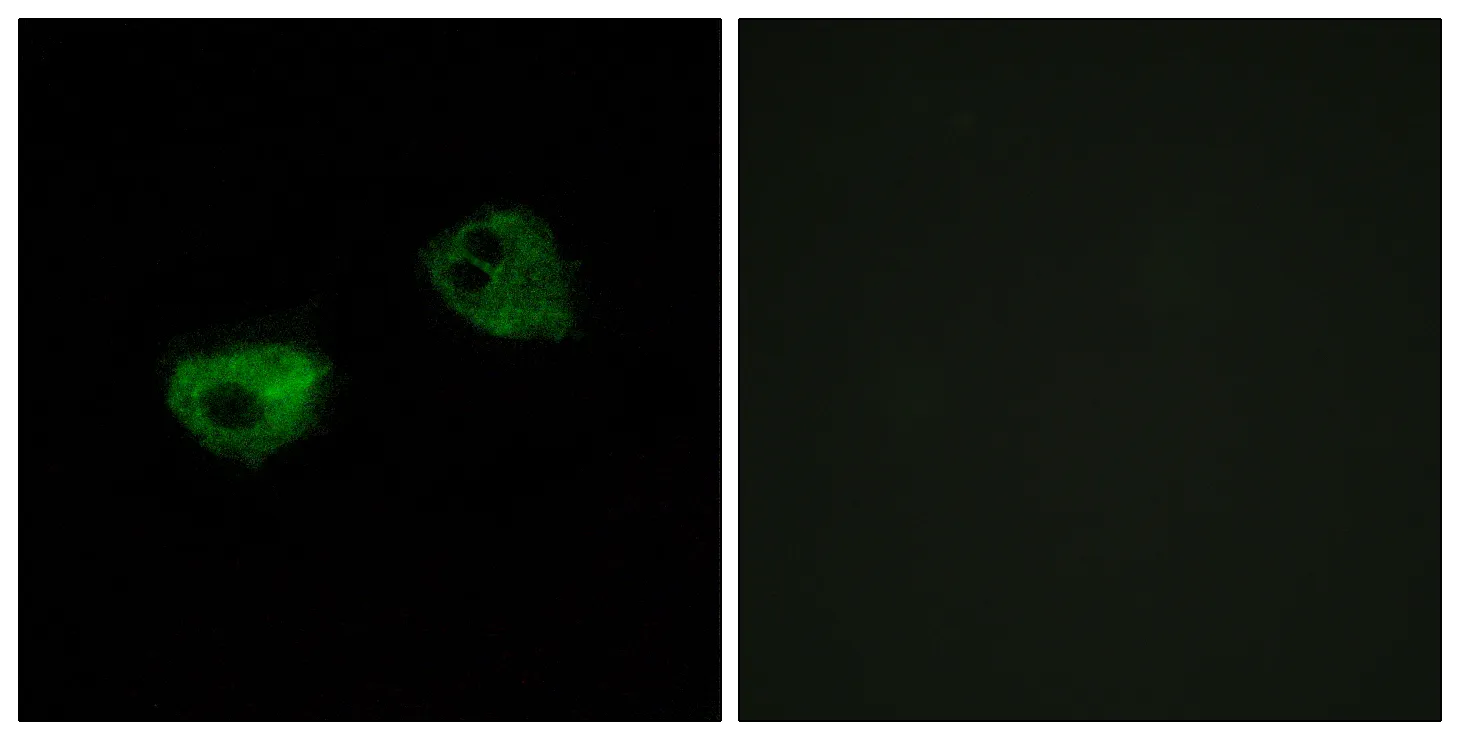
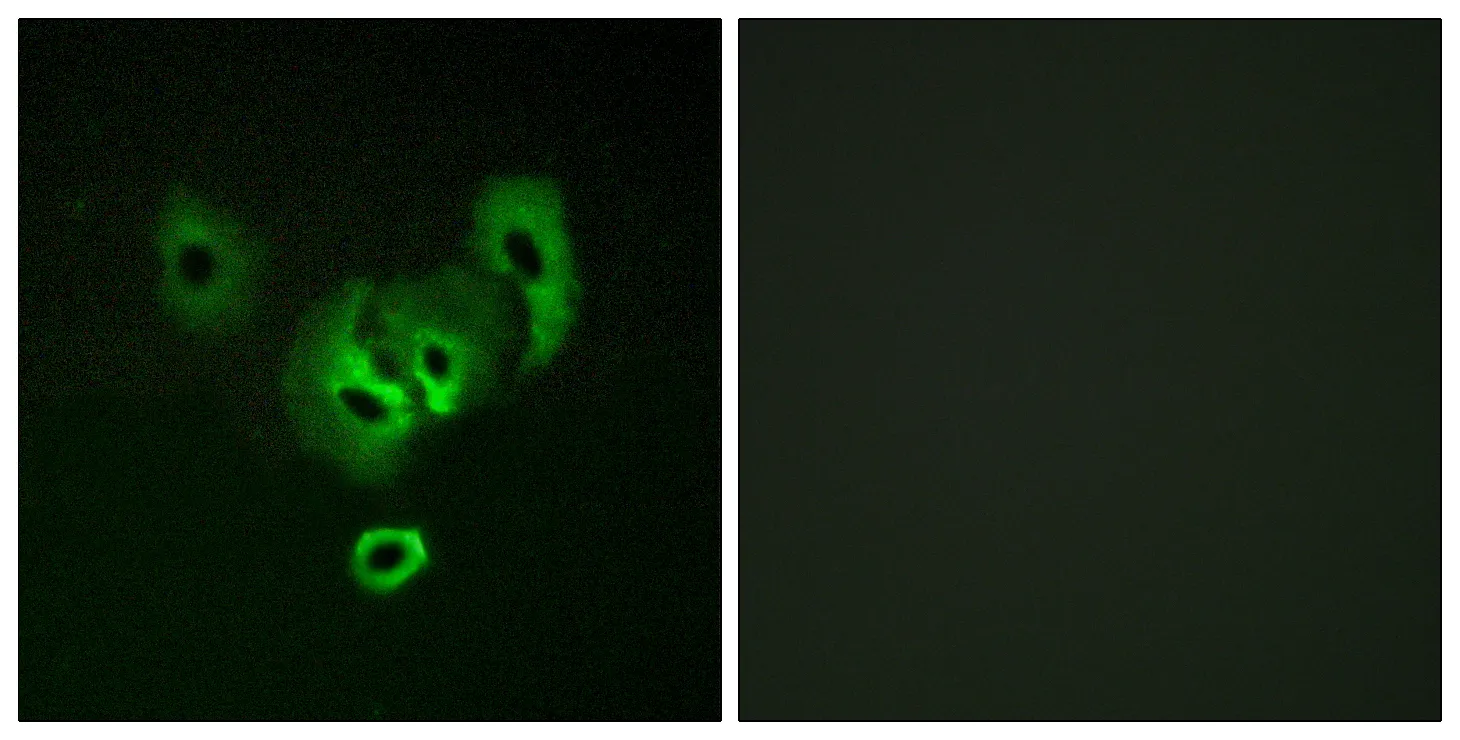
Uygulama:WB,IHC,ICC/IF,ELISA
Reaktivite:Human,Mouse,Rat
Konjuge:Unconjugated
İsteğe bağlı konjugeler: Biotin, FITC (ücretsiz). Diğer 26 konjugatı görün.

Gen Adı:TNNT2
Category: ポリクローナル抗体 Tags: , , , , , , , , , ,
Troponin T-C Rabbit Polyclonal Antibody
Konjugasyon: Unconjugated
Rabbit polyclonal Antibody
Uygulama
IHC  ICC/IF  ELISA WB,IHC,ICC/IF,ELISA
Reaktivite
Human,Mouse,Rat
Gen Adı
TNNT2
Saklama
Aliquot and store at -20°C (valid for 12 months). Avoid freeze/thaw cycles.
Özet
Ürün Adı Troponin T-C Rabbit Polyclonal Antibody
Açıklama Rabbit polyclonal Antibody
Konak Rabbit
Reaktivite Human,Mouse,Rat
Konjugasyon Unconjugated
Modifikasyon Unmodified
İzotip IgG
Klonalite Polyclonal
Form Liquid
Konsantrasyon Unconjugated
Saklama Aliquot and store at -20°C (valid for 12 months). Avoid freeze/thaw cycles.
Nakliye Ice bags.
Tampon Liquid in PBS containing 50% glycerol, 0.5% protective protein and 0.02% New type preservative N.
Saflaştırma Affinity purification
Antijen Bilgisi
Gen Adı TNNT2
Alternatif İsimler TNNT2; Troponin T, cardiac muscle; TnTc; Cardiac muscle troponin T; cTnT
Gen Kimliği 7139
SwissProt Kimliği P45379
İmmünojen The antiserum was produced against synthesized peptide derived from the Internal region of human TNNT2. AA range:131-180
Uygulama
Uygulama WB,IHC,ICC/IF,ELISA
Seyreltme Oranı WB 1:500-1:2000,IHC 1:100-1:300,ICC/IF 1:50-1:200,ELISA 1:10000-1:20000
Moleküler Ağırlık 35kDa
Araştırma Alanı
Cardiac muscle contraction;Hypertrophic cardiomyopathy (HCM);Dilated cardiomyopathy;
Arka Plan
The protein encoded by this gene is the tropomyosin-binding subunit of the troponin complex, which is located on the thin filament of striated muscles and regulates muscle contraction in response to alterations in intracellular calcium ion concentration. Mutations in this gene have been associated with familial hypertrophic cardiomyopathy as well as with dilated cardiomyopathy. Transcripts for this gene undergo alternative splicing that results in many tissue-specific isoforms, however, the full-length nature of some of these variants has not yet been determined. [provided by RefSeq, Jul 2008],alternative products:Additional isoforms seem to exist. Experimental confirmation may be lacking for some isoforms,disease:Defects in TNNT2 are the cause of cardiomyopathy dilated type 1D (CMD1D) [MIM:601494]. Dilated cardiomyopathy is a disorder characterized by ventricular dilation and impaired systolic function, resulting in congestive heart failure and arrhythmia. Patients are at risk of premature death.,disease:Defects in TNNT2 are the cause of cardiomyopathy familial hypertrophic type 2 (CMH2) [MIM:115195]. Familial hypertrophic cardiomyopathy is a hereditary heart disorder characterized by ventricular hypertrophy, which is usually asymmetric and often involves the interventricular septum. The symptoms include dyspnea, syncope, collapse, palpitations, and chest pain. They can be readily provoked by exercise. The disorder has inter- and intrafamilial variability ranging from benign to malignant forms with high risk of cardiac failure and sudden cardiac death.,disease:Defects in TNNT2 are the cause of cardiomyopathy familial restrictive type 3 (RCM3) [MIM:612422]. Restrictive cardiomyopathy is a heart disorder characterized by impaired filling of the ventricles with reduced diastolic volume, in the presence of normal or near normal wall thickness and systolic function.,function:Troponin T is the tropomyosin-binding subunit of troponin, the thin filament regulatory complex which confers calcium-sensitivity to striated muscle actomyosin ATPase activity.,similarity:Belongs to the troponin T family.,tissue specificity:Heart. The fetal heart shows a greater expression in the atrium than in the ventricle, while the adult heart shows a greater expression in the ventricle than in the atrium. Isoform 6 predominates in normal adult heart. Isoforms 1, 7 and 8 are expressed in fetal heart. Isoform 7 is also expressed in failing adult heart.,
   💬 WhatsApp