TSLC1ウサギポリクローナル抗体
コンジュゲーション: 非共役
ウサギポリクローナル抗体
アプリケーション
反応性
ヒト、マウス
遺伝子名
CADM1
保存
小分けして-20℃で保存してください(12ヶ月間有効)。凍結融解サイクルは避けてください。
要約
| 製品名 | TSLC1ウサギポリクローナル抗体 |
| 説明 | ウサギポリクローナル抗体 |
| 宿主 | うさぎ |
| 反応性 | ヒト、マウス |
| コンジュゲーション | 非共役 |
| 修飾 | 未修正 |
| アイソタイプ | IgG |
| クローン性 | ポリクローナル |
| 形態 | 液体 |
| 濃度 | 非共役 |
| 保存 | 小分けして-20℃で保存してください(12ヶ月間有効)。凍結融解サイクルは避けてください。 |
| 配送 | 氷嚢。 |
| バッファー | 50% グリセロール、0.5% 保護タンパク質、0.02% 新タイプ防腐剤 N を含む PBS 液。 |
| 精製 | アフィニティー精製 |
抗原情報
| 遺伝子名 | CADM1 |
| 別名 | CADM1; IGSF4; IGSF4A; NECL2; SYNCAM; TSLC1; Cell adhesion molecule 1; Immunoglobulin superfamily member 4; IgSF4; Nectin-like protein 2; NECL-2; Spermatogenic immunoglobulin superfamily; SgIgSF; Synaptic cell adhesion molecule; SynCAM; Tumo |
| 遺伝子ID | 23705 |
| SwissProt ID | Q9BY67 |
| 免疫原 | 抗血清はヒトCADM1由来の合成ペプチドに対して作製された。アミノ酸範囲:393-442 |
アプリケーション
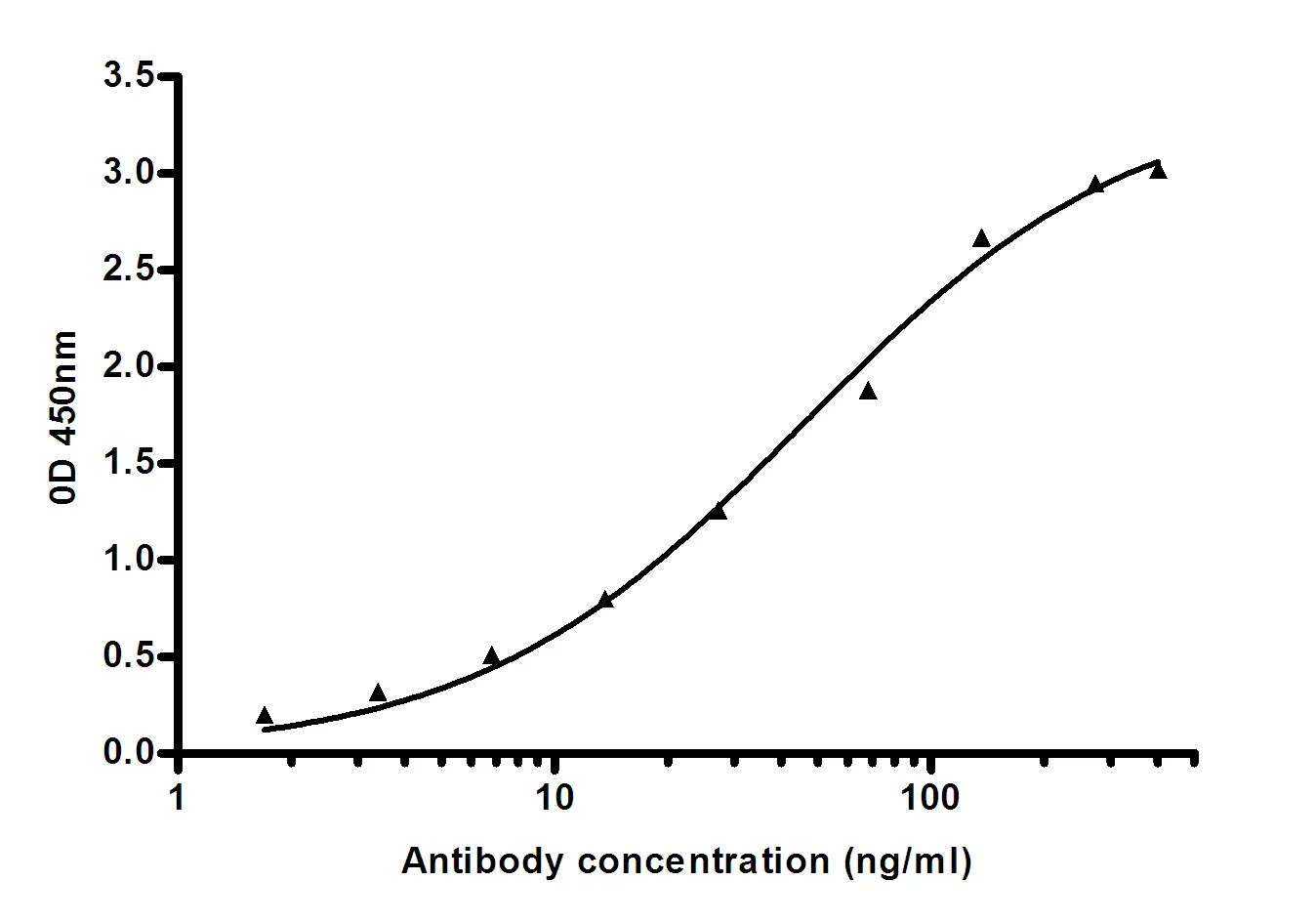
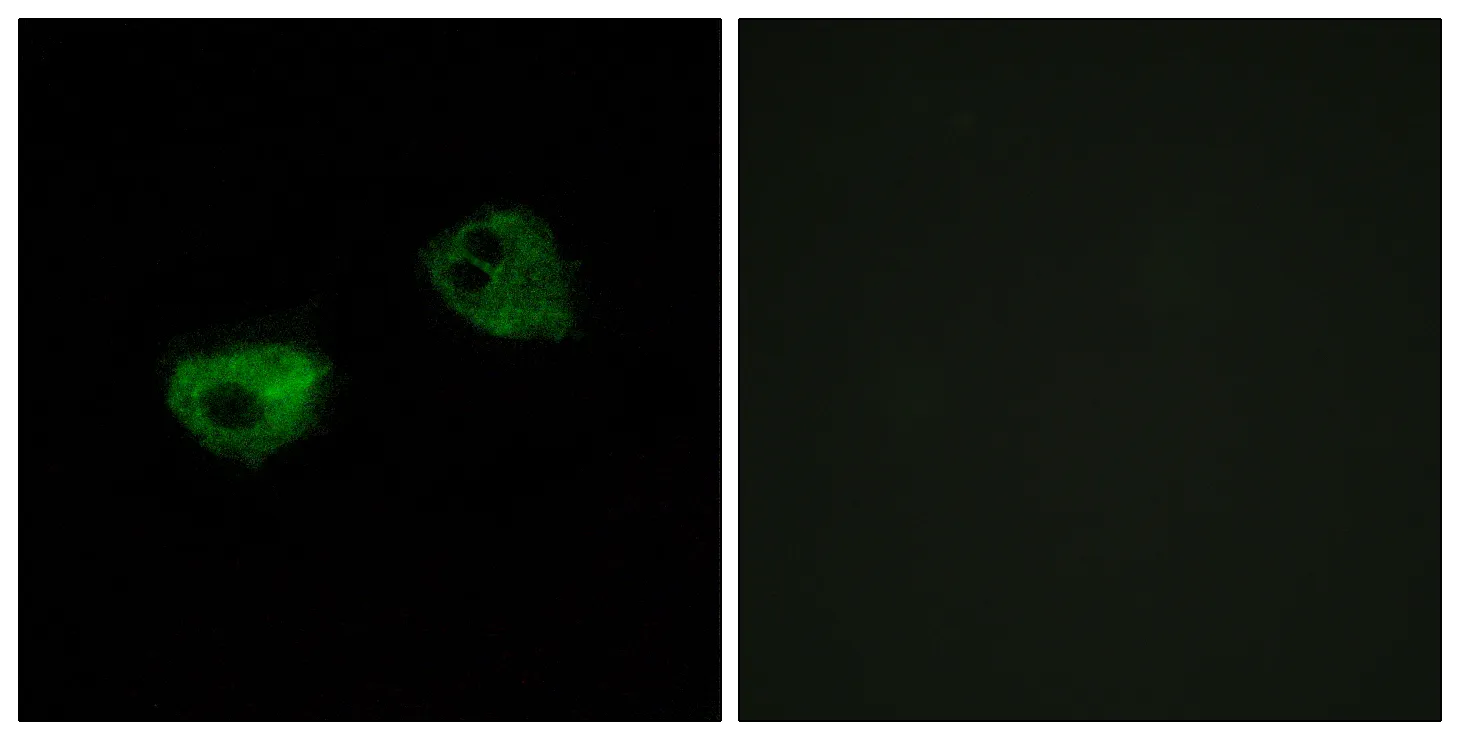
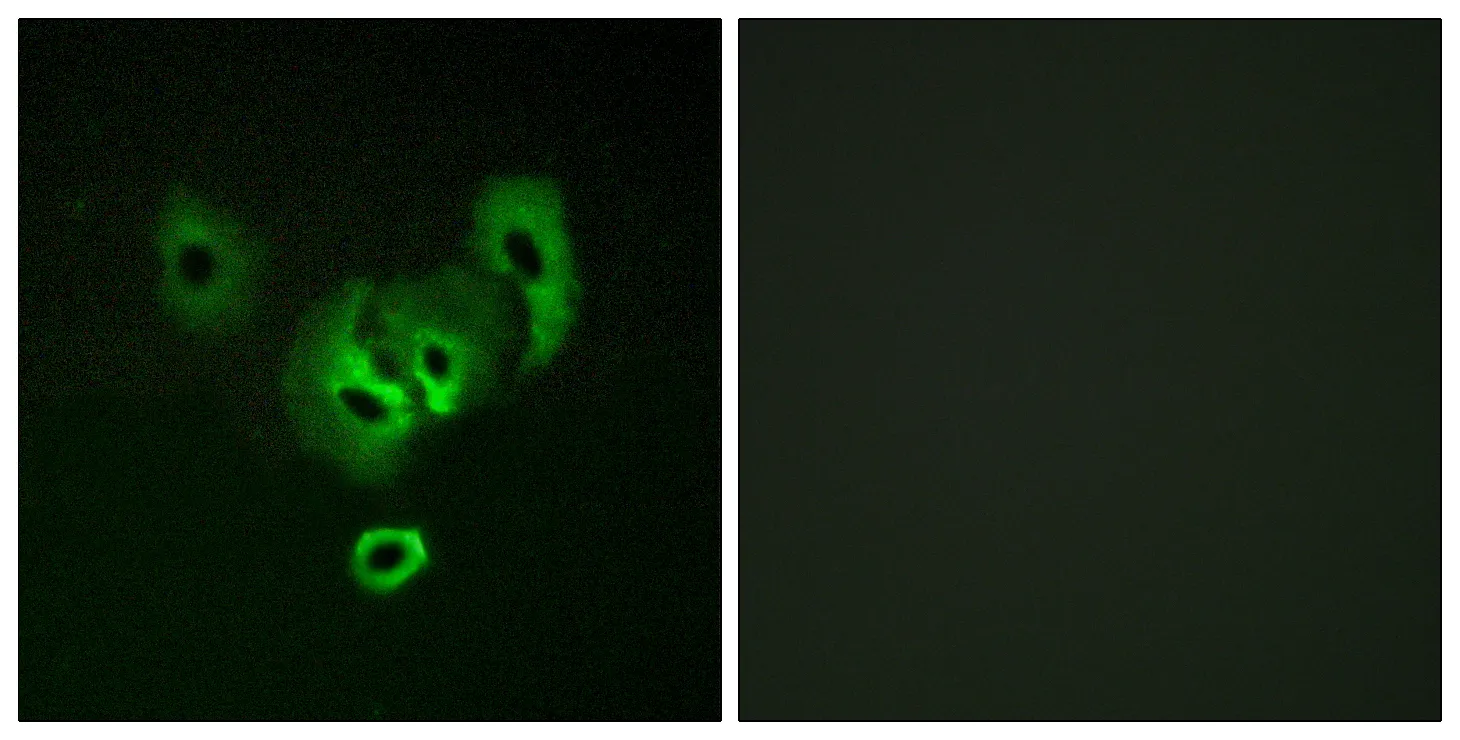
| アプリケーション | WB,ICC/IF,ELISA |
| 希釈倍率 | WB 1:500-1:2000,ICC/IF 1:200-1:1000,ELISA 1:10000-1:20000 |
| 分子量 | 49kDa |
研究分野
| Cell adhesion molecules (CAMs); |
背景
| 疾患:プロモーターメチル化による遺伝子サイレンシングのため、多くの進行した非小細胞肺癌症例および他の多くのヒト癌において存在しないか、またはダウンレギュレーションされている。,ドメイン:細胞質ドメインは、非小細胞肺癌におけるアポトーシス促進および腫瘍抑制活性において重要な役割を果たしていると考えられる。,機能:Ca(2+)非依存的に同種親和性の細胞間接着を媒介する。また、Ca(2+)非依存的にCADM3およびPVRL3と異種親和性の細胞間接着を媒介する。非小細胞肺癌(NSCLC)細胞において腫瘍抑制因子として作用する。CRTAMとの相互作用により、in vitroにおいてCD8+細胞によるナチュラルキラー(NK)細胞の細胞傷害活性およびインターフェロンγ(IFN-γ)分泌が促進されるほか、in vivoにおいてNK細胞を介したCADM3発現腫瘍の拒絶が促進される。鱗状増殖腫瘍細胞の低浸潤性表現型に寄与する可能性がある。肥満細胞において、神経への接着を媒介し、神経との伝達を促進すると考えられる。CADM1はMITFとともに、生体内での肥満細胞の発達と生存に不可欠である。シナプス組み立てを促進するシナプス細胞接着分子として機能すると考えられる。ニューロンの移動、軸索成長、経路探索、および分化中のニューロンの軸索上の束形成に関与していると考えられる。精母細胞と精細胞のセルトリ細胞への接着、および成熟精子への正常な分化を含む、精子形成において多様な役割を果たすと考えられる。,類似性:ネクチンファミリーに属します。,類似性:1つのIg様V型(免疫グロブリン様)ドメインを含みます。,類似性:2つのIg様C2型(免疫グロブリン様)ドメインを含みます。,細胞内局在:生体内では核周囲膜および細胞膜と関連しています。胆嚢上皮細胞の基底外側細胞膜に局在する。,サブユニット:ホモ二量体。CRTAMおよびEPB41L3/DAL1と相互作用する。EPB41L3/DAL1との相互作用は、CADM1をアクチン細胞骨格に固定する働きをすると考えられる。C末端を介してMPP3のPDZドメインおよびMPP6のPDZドメインと相互作用する。,疾患:プロモーターメチル化による遺伝子サイレンシングのため、多くの進行性NSCLC症例および他の多くのヒト癌において、欠失またはダウンレギュレーションされている。,ドメイン:細胞質ドメインは、NSCLCにおけるアポトーシス促進および腫瘍抑制活性において重要な役割を果たしていると考えられる。,機能:Ca(2+)非依存的に同種親和性の細胞間接着を媒介する。また、Ca(2+)非依存的にCADM3およびPVRL3と異種親和性の細胞間接着を媒介する。非小細胞肺癌(NSCLC)細胞において腫瘍抑制因子として作用する。CRTAMとの相互作用により、in vitroにおいてナチュラルキラー(NK)細胞の細胞傷害活性およびCD8+細胞によるインターフェロンγ(IFN-γ)分泌が促進されるほか、in vivoにおいてCADM3を発現する腫瘍のNK細胞による拒絶が促進される。鱗状増殖腫瘍細胞の低侵襲性表現型に寄与する可能性がある。肥満細胞においては、神経への接着を媒介し、神経とのコミュニケーションを促進する可能性がある。CADM1はMITFとともに、in vivoにおいて肥満細胞の発達と生存に不可欠である。シナプス形成を促進するシナプス細胞接着分子として作用する可能性がある。分化ニューロンの軸索上で、ニューロンの移動、軸索成長、経路探索、および束形成に関与している可能性がある。精子形成において多様な役割を果たしていると考えられており、精母細胞と精細胞のセルトリ細胞への接着、および成熟精子への正常な分化に関与している。,類似性:ネクチンファミリーに属します。,類似性:Ig様V型(免疫グロブリン様)ドメインを1つ含みます。,類似性:Ig様C2型(免疫グロブリン様)ドメインを2つ含みます。,細胞内局在:生体内では核周膜および細胞膜と会合します。胆嚢上皮細胞の基底外側細胞膜に局在します。,サブユニット:ホモ二量体。CRTAMおよびEPB41L3/DAL1と相互作用します。EPB41L3/DAL1との相互作用は、CADM1をアクチン細胞骨格に固定する働きがあると考えられます。 C末端を介してMPP3のPDZドメインおよびMPP6のPDZドメインと相互作用する。 |