

TRAP240ウサギポリクローナル抗体
コンジュゲーション: 非共役
ウサギポリクローナル抗体
アプリケーション
反応性
ヒト、マウス
遺伝子名
MED13L
保存
小分けして-20℃で保存してください(12ヶ月間有効)。凍結融解サイクルは避けてください。
要約
| 製品名 | TRAP240ウサギポリクローナル抗体 |
| 説明 | ウサギポリクローナル抗体 |
| 宿主 | うさぎ |
| 反応性 | ヒト、マウス |
| コンジュゲーション | 非共役 |
| 修飾 | 未修正 |
| アイソタイプ | IgG |
| クローン性 | ポリクローナル |
| 形態 | 液体 |
| 濃度 | 非共役 |
| 保存 | 小分けして-20℃で保存してください(12ヶ月間有効)。凍結融解サイクルは避けてください。 |
| 配送 | 氷嚢。 |
| バッファー | 50% グリセロール、0.5% 保護タンパク質、0.02% 新タイプ防腐剤 N を含む PBS 液。 |
| 精製 | アフィニティー精製 |
抗原情報
| 遺伝子名 | MED13L |
| 別名 | MED13L; KIAA1025; Mediator of RNA polymerase II transcription subunit 13-like; Mediator complex subunit 13-like; Thyroid hormone receptor-associated protein 2; Thyroid hormone receptor-associated protein complex 240 kDa component-like |
| 遺伝子ID | 23389 |
| SwissProt ID | Q71F56 |
| 免疫原 | 抗血清はヒトMED13L由来の合成ペプチドに対して作製された。アミノ酸範囲:449-498 |
アプリケーション
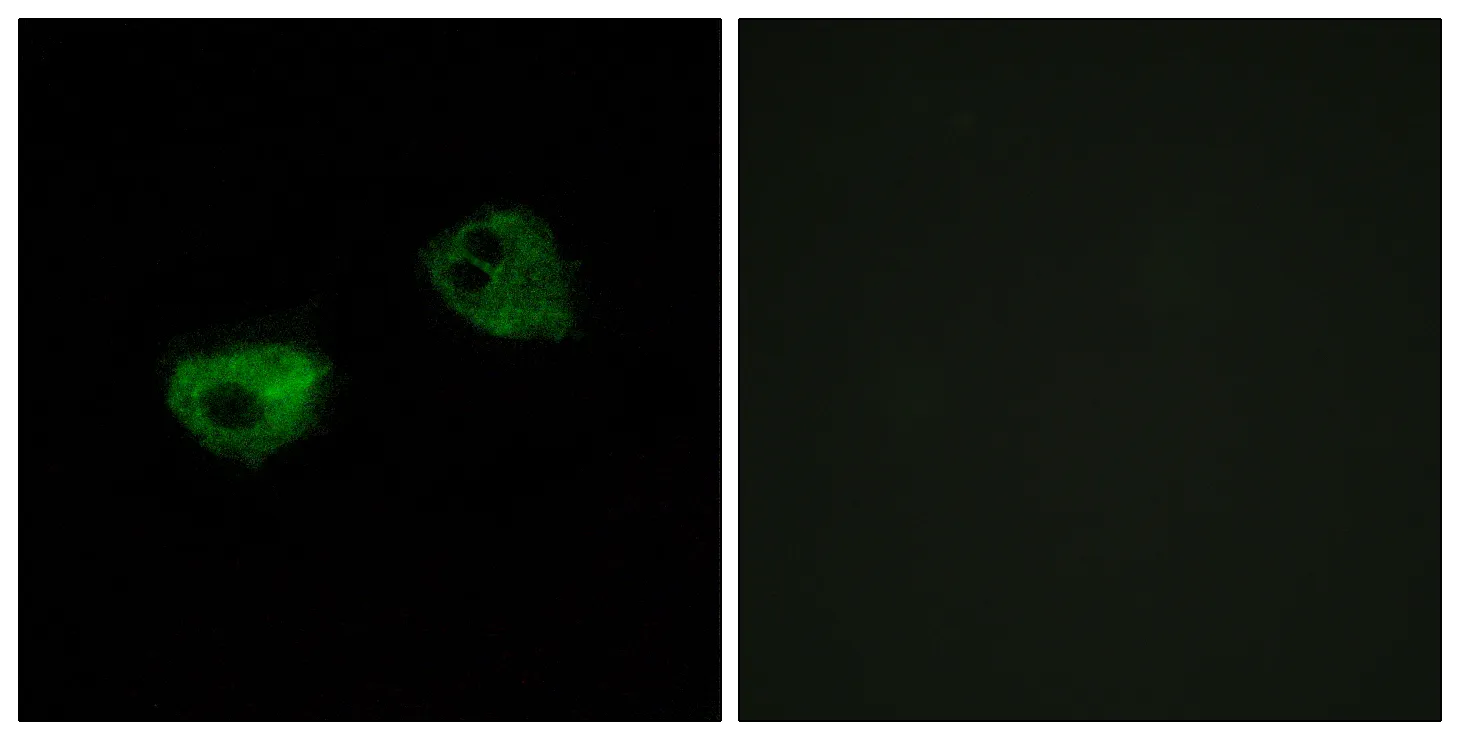
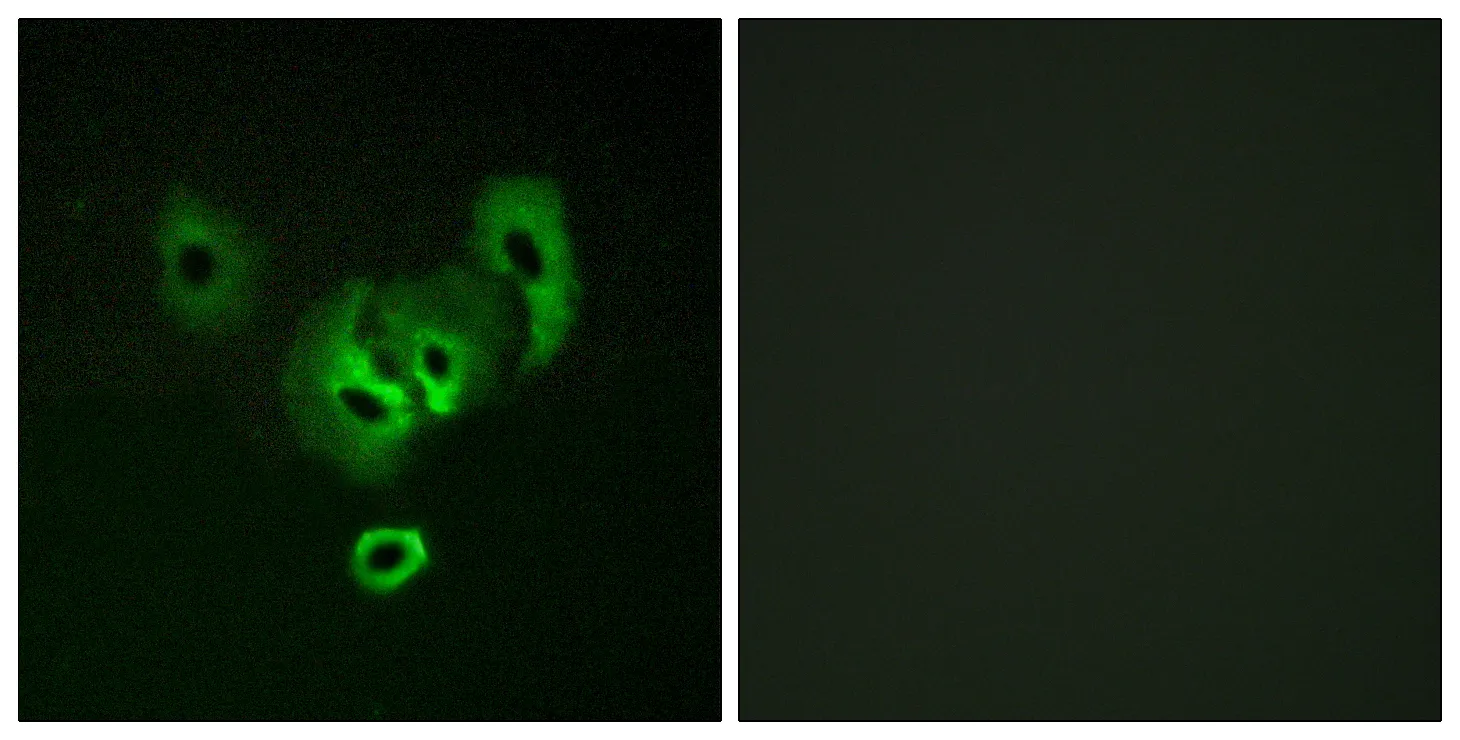
| アプリケーション | WB,IHC,ICC/IF,ELISA |
| 希釈倍率 | WB 1:500-1:2000,IHC 1:100-1:300,ICC/IF 1:50-1:200,ELISA 1:5000-1:20000 |
| 分子量 | 250kDa |
研究分野
| Epigenetics and Nuclear Signaling; Transcription; Mediator Complex |
背景
| この遺伝子によってコードされるタンパク質は、メディエーター複合体のサブユニットです。メディエーター複合体は、RNAポリメラーゼIIによって転写されるほとんどの遺伝子の転写コアクチベーターとして機能する、大規模なタンパク質複合体です。このタンパク質は、心臓と脳の初期発達に関与しています。この遺伝子の欠陥は、右旋性大血管転位症(DTGA)の原因となります。[RefSeq提供、2010年7月],疾患:右旋性大血管転位症と精神遅滞を伴う患者において、MED13L遺伝子に関連する染色体異常が発見されました。転座t(12;17)(q24.1;q21)。,疾患:MED13L遺伝子の欠陥は、右旋性大血管転位症(DTGA)の原因となります[MIM:608808]。 DTGA は大血管の完全な逆位から成り、大動脈が右心室から、肺動脈が左心室から誤って発生します。これにより、肺循環系と全身循環系が完全に分離され、生命維持に適さない配置となります。患者は、心房中隔欠損症や心室中隔欠損症、あるいはその他のタイプのシャントを有しており、これらにより両循環系がある程度混ざり合って最低限の生命維持が図られていますが、外科的介入が常に必要となります。,機能:メディエーター複合体の構成要素であり、ほぼすべての RNA ポリメラーゼ II 依存性遺伝子の転写制御に関与するコアクチベーターです。メディエーターは、遺伝子特異的な調節タンパク質から基本的な RNA ポリメラーゼ II 転写機構に情報を伝達する橋渡しとして機能します。メディエーターは、調節タンパク質との直接相互作用によってプロモーターにリクルートされ、RNA ポリメラーゼ II および一般的な転写因子との機能的な転写開始前複合体の組み立ての足場として機能します。このサブユニットは、Wnt シグナル伝達経路および SHH シグナル伝達経路の標的の転写を特異的に制御する可能性があります。,PTM:DNA が損傷すると、おそらく ATM または ATR によってリン酸化されます。,類似性:メディエーター複合体サブユニット 13 ファミリーに属します。,サブユニット:メディエーター複合体の構成要素で、MED1、MED4、MED6、MED7、MED8、MED9、MED10、MED11、MED12、MED13、MED13L、MED14、MED15、MED16、MED17、MED18、MED19、MED20、MED21、MED22、MED23、MED24、MED25、MED26、MED27、MED29、MED30、MED31、CCNC、CDK8、および CDC2L6/CDK11 で構成されています。 MED12、MED13、CCNC、およびCDK8サブユニットは、CDK8モジュールと呼ばれる独立したモジュールを形成します。CDK8モジュールを含むメディエーターは、このモジュールを欠くメディエーターよりも転写活性化の促進活性が低くなります。1つ以上の異なるサブユニットを欠くメディエーター複合体の個々の標本は、ARC、CRSP、DRIP、PC2、SMCC、TRAPなど様々な名称で呼ばれています。,組織特異性:脳(小脳)、心臓(大動脈)、骨格筋、腎臓、胎盤、末梢血白血球で高発現しています。胎児脳でも高発現しています。, |