

TLE1/2/3/4ウサギポリクローナル抗体
コンジュゲーション: 非共役
ウサギポリクローナル抗体
アプリケーション
反応性
ヒト、マウス、ラット
遺伝子名
-
保存
小分けして-20℃で保存してください(12ヶ月間有効)。凍結融解サイクルは避けてください。
要約
| 製品名 | TLE1/2/3/4ウサギポリクローナル抗体 |
| 説明 | ウサギポリクローナル抗体 |
| 宿主 | うさぎ |
| 反応性 | ヒト、マウス、ラット |
| コンジュゲーション | 非共役 |
| 修飾 | 未修正 |
| アイソタイプ | IgG |
| クローン性 | ポリクローナル |
| 形態 | 液体 |
| 濃度 | 非共役 |
| 保存 | 小分けして-20℃で保存してください(12ヶ月間有効)。凍結融解サイクルは避けてください。 |
| 配送 | 氷嚢。 |
| バッファー | 50% グリセロール、0.5% 保護タンパク質、0.02% 新タイプ防腐剤 N を含む PBS 液。 |
| 精製 | アフィニティー精製 |
抗原情報
| 遺伝子名 | - |
| 別名 | similar to transducin-like enhancer of split 1/2/3/4 |
| 遺伝子ID | 7088 |
| SwissProt ID | Q04724/Q04725/Q04726/Q04727 |
| 免疫原 | 抗血清は、ヒトTLE1/TLE2/TLE3/TLE4のC末端領域由来の合成ペプチドに対して作製された。アミノ酸範囲:721-770 |
アプリケーション
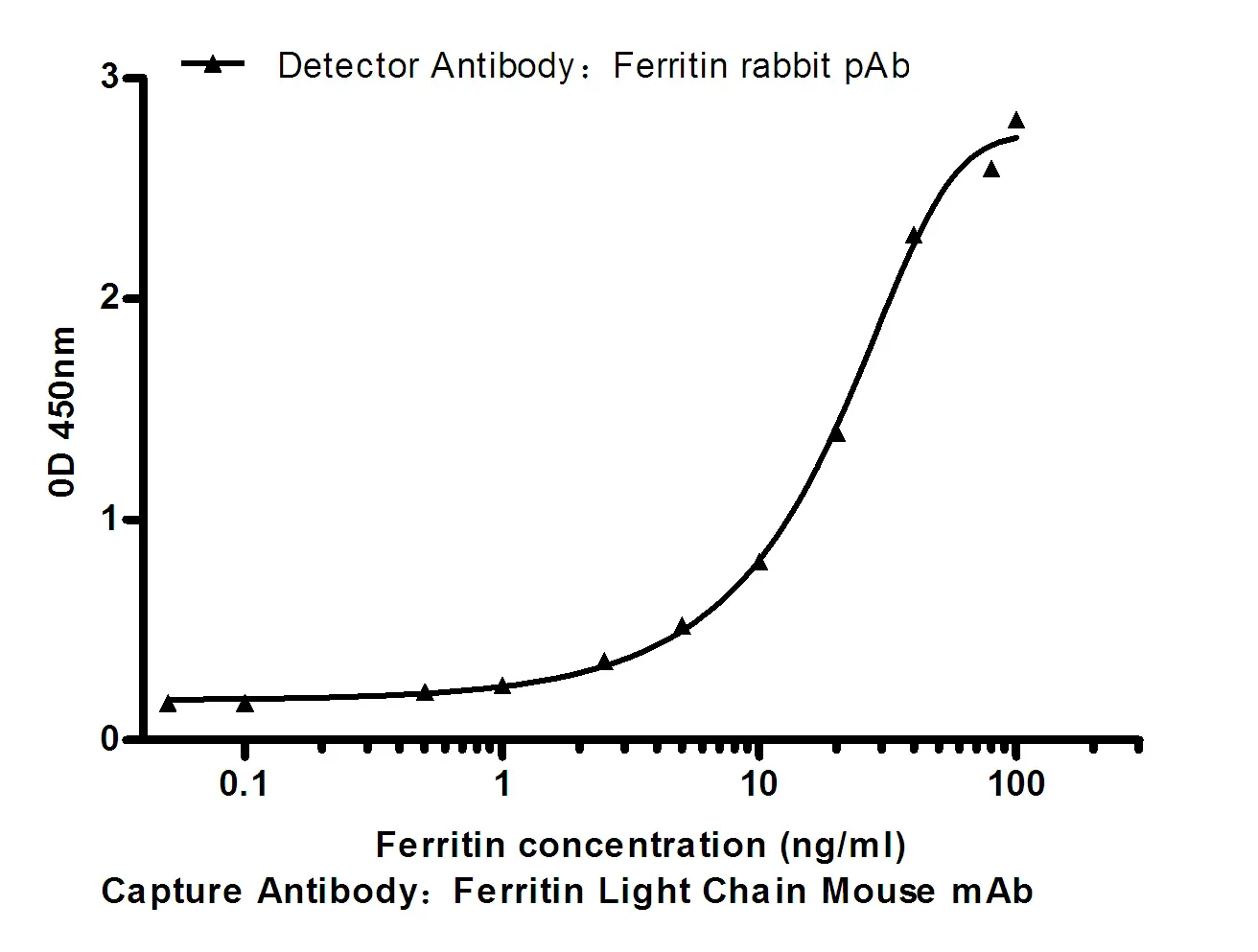
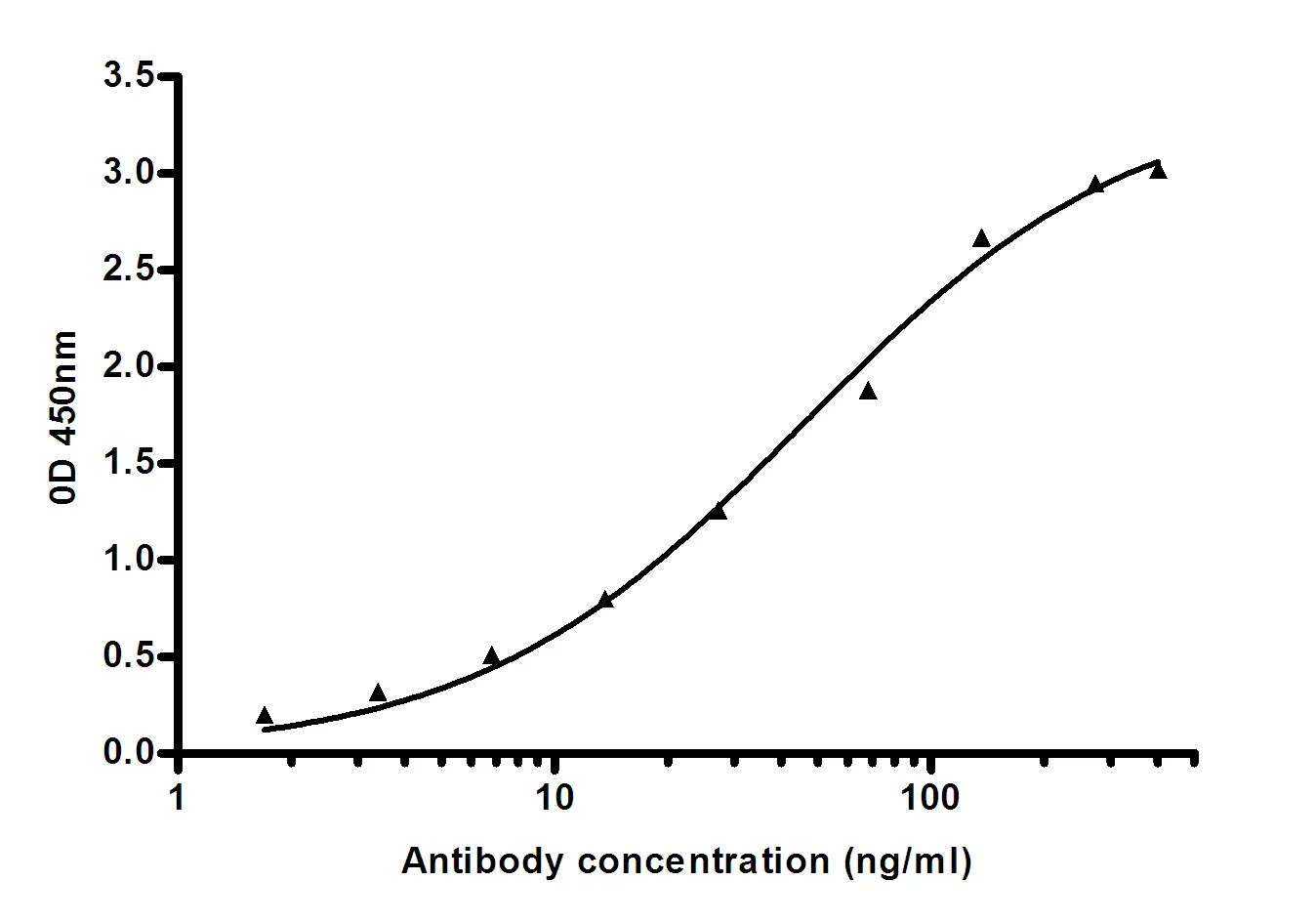
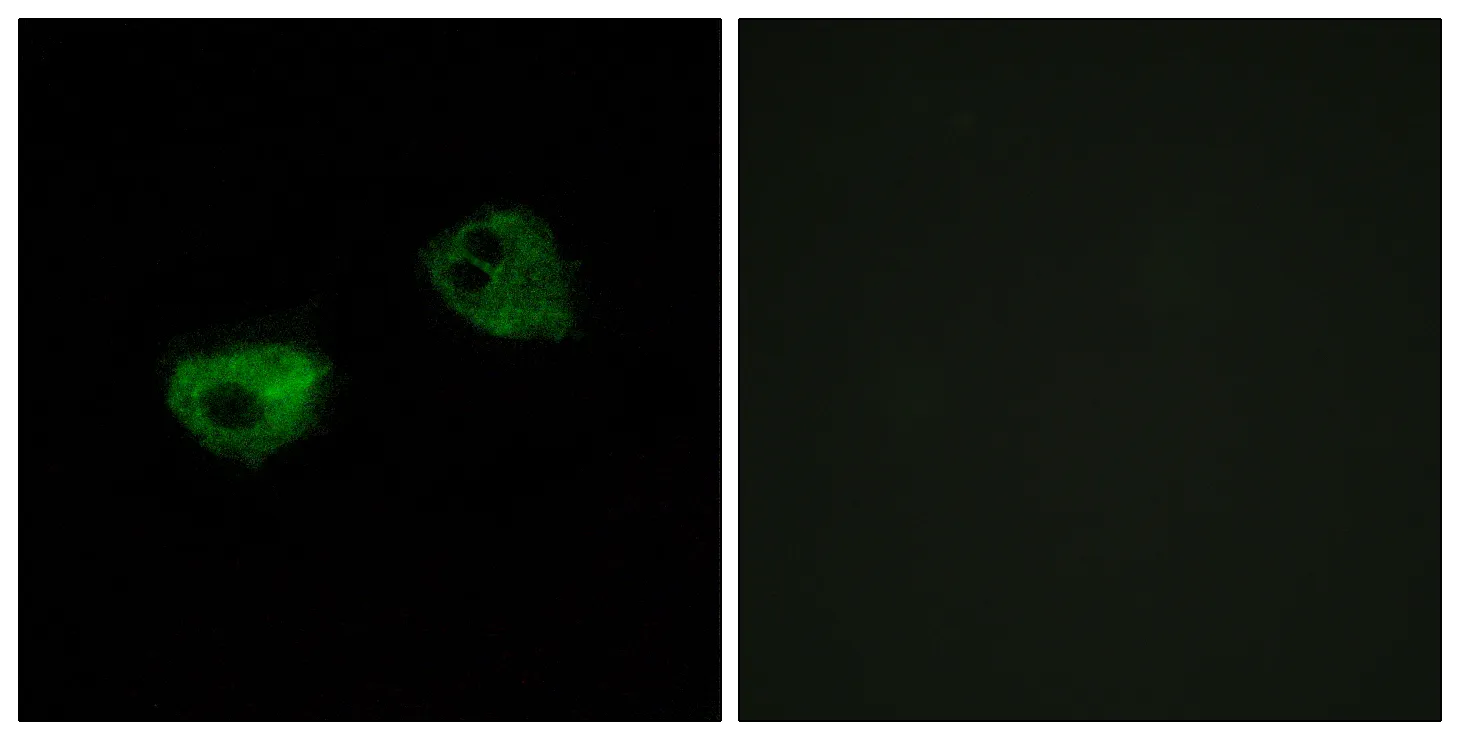
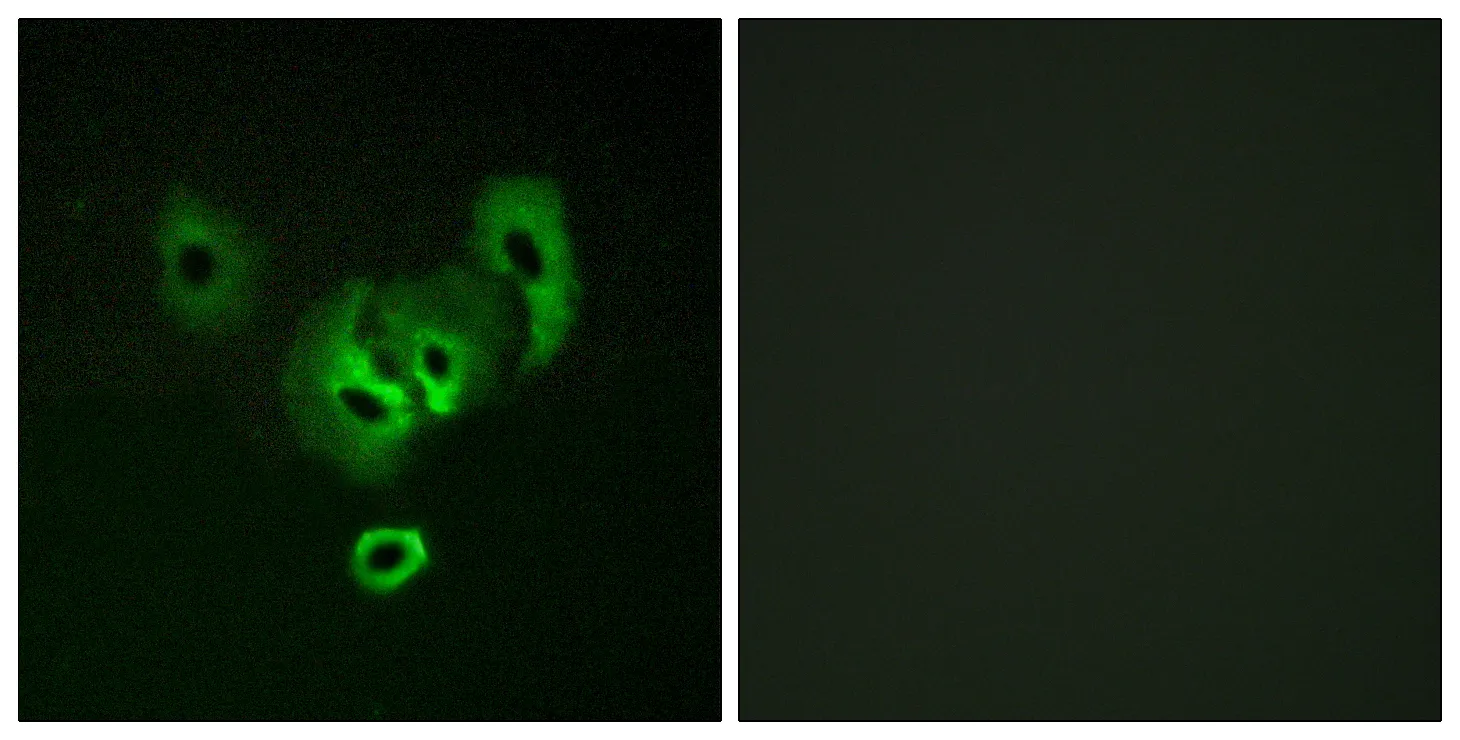
| アプリケーション | WB,IHC,ELISA |
| 希釈倍率 | WB 1:500-1:2000,IHC 1:50-1:300,ELISA 1:2000-1:20000 |
| 分子量 | 90kDa |
研究分野
背景
| 機能:多数の転写因子に結合する転写コリプレッサー。NF-κB制御による遺伝子発現を阻害。FOXA2、およびWntシグナル伝達におけるCTNNB1とTCFファミリーメンバーによる転写活性化を阻害。全長TLEファミリーメンバーの効果は、優性負性AESとの関連によって調節される可能性がある。ESRRGのコアクチベーターとしての異常な機能。,PTM:おそらくCDC2によってリン酸化される。リン酸化の程度は細胞周期を通して変化し、G2/M期遷移時に最も高くなる。細胞分化およびHES1またはRUNX1との相互作用に応じて過剰リン酸化される。,類似性:WDリピートGroucho/TLEファミリーに属する。,類似性:6つのWDリピートを含む。,細胞内局在:アイソフォームおよびリン酸化状態に応じて、核およびクロマチンに局在する。過剰リン酸化により核成分への親和性が低下する。,サブユニット:ホモオリゴマーおよび他のファミリーメンバーとのヘテロオリゴマー。LEF1、RUNX1、RUNX3、FOXA2、KDM6A、UTY、ヒストンH3、HESX1、ESRRG、およびNF-κBサブユニットRELAに結合します。HES1と相互作用します(WRPWモチーフを介して)。,組織特異性:調べたすべての組織、主に脳、肝臓、筋肉。,機能:多数の転写因子に結合する転写コリプレッサー。NF-κB制御遺伝子発現を阻害します。FOXA2、およびWntシグナル伝達におけるCTNNB1およびTCFファミリーメンバーによる転写活性化を阻害します。全長TLEファミリーメンバーの効果は、優性負性AESとの関連によって調整される可能性があります。 ESRRGのコアクチベーターとしての異常な機能。,PTM:CDC2によってリン酸化されると考えられています。リン酸化の程度は細胞周期を通じて変化し、G2/M期遷移時に最も高くなります。細胞分化およびHES1またはRUNX1との相互作用に応じて過リン酸化されます。,類似性:WDリピートGroucho/TLEファミリーに属します。,類似性:6つのWDリピートを含みます。,細胞内局在:アイソフォームおよびリン酸化状態に応じて、核およびクロマチンに局在します。過リン酸化は核成分への親和性を低下させます。,サブユニット:他のファミリーメンバーとのホモオリゴマーおよびヘテロオリゴマー。LEF1、RUNX1、RUNX3、FOXA2、KDM6A、UTY、ヒストンH3、HESX1、ESRRG、およびNF-κBサブユニットRELAに結合します。 HES1 と相互作用します (WRPW モチーフを介して)。,組織特異性: 検査したすべての組織、主に脳、肝臓、筋肉。, |