TCF-4/12ウサギポリクローナル抗体
コンジュゲーション: 非共役
ウサギポリクローナル抗体
アプリケーション
反応性
ヒト、マウス、ラット
遺伝子名
TCF4/TCF12
保存
小分けして-20℃で保存してください(12ヶ月間有効)。凍結融解サイクルは避けてください。
要約
| 製品名 | TCF-4/12ウサギポリクローナル抗体 |
| 説明 | ウサギポリクローナル抗体 |
| 宿主 | うさぎ |
| 反応性 | ヒト、マウス、ラット |
| コンジュゲーション | 非共役 |
| 修飾 | 未修正 |
| アイソタイプ | IgG |
| クローン性 | ポリクローナル |
| 形態 | 液体 |
| 濃度 | 非共役 |
| 保存 | 小分けして-20℃で保存してください(12ヶ月間有効)。凍結融解サイクルは避けてください。 |
| 配送 | 氷嚢。 |
| バッファー | 50% グリセロール、0.5% 保護タンパク質、0.02% 新タイプ防腐剤 N を含む PBS 液。 |
| 精製 | アフィニティー精製 |
抗原情報
| 遺伝子名 | TCF4/TCF12 |
| 別名 | TCF4; BHLHB19; ITF2; SEF2; Transcription factor 4; TCF-4; Class B basic helix-loop-helix protein 19; bHLHb19; Immunoglobulin transcription factor 2; ITF-2; SL3-3 enhancer factor 2; SEF-2; TCF12; BHLHB20; HEB; HTF4; Transcription factor 12; |
| 遺伝子ID | 6925/6938 |
| SwissProt ID | P15884/Q99081 |
| 免疫原 | 抗血清はヒトTCF4/12由来の合成ペプチドに対して作製された。アミノ酸範囲:581-630 |
アプリケーション
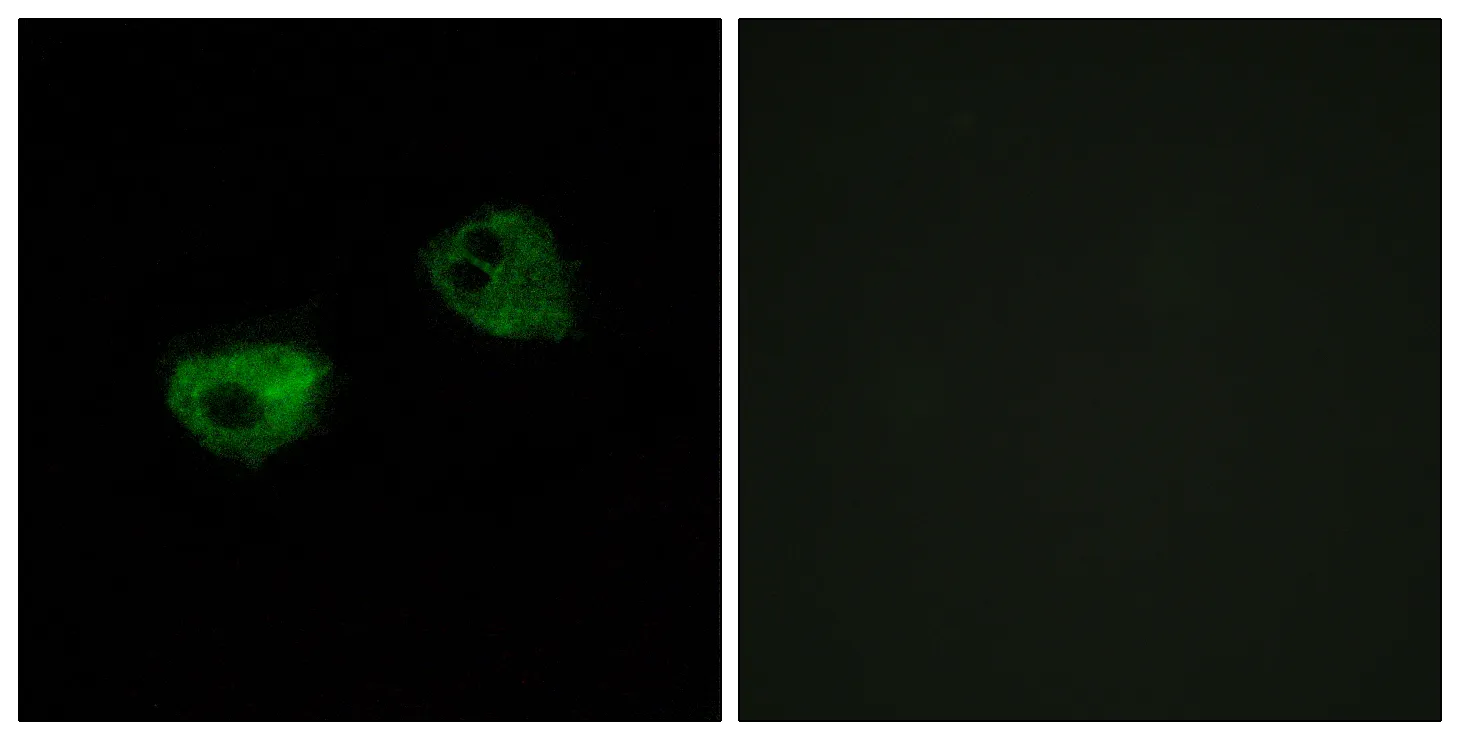
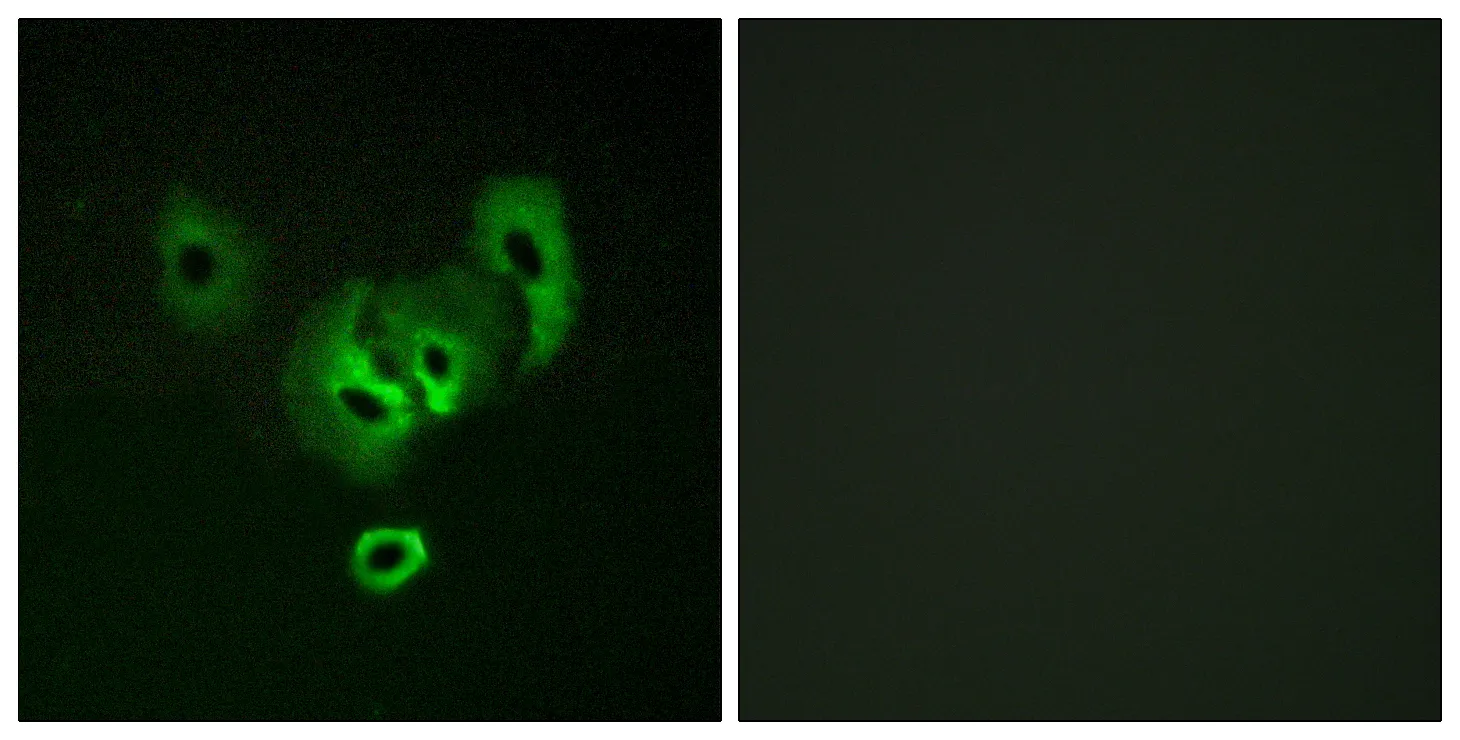
| アプリケーション | WB,IHC,ICC/IF,ELISA |
| 希釈倍率 | WB 1:500-1:2000,IHC 1:100-1:300,ICC/IF 1:50-1:200,ELISA 1:10000-1:20000 |
| 分子量 | 60kDa |
研究分野
| Stem cell pathway; Adherens_Junction; WNT;WNT-T CELL;β-Catenin; Protein_Acetylation |
背景
| この遺伝子は、基本的なヘリックス・ループ・ヘリックス型転写因子である転写因子4をコードしています。コードされているタンパク質は、エフラッシボックス(「Eボックス」)結合部位(「CANNTG」)を認識します。このモチーフは、免疫グロブリンエンハンサーで初めて同定されました。この遺伝子は広く発現しており、神経系の発達において重要な役割を果たす可能性があります。この遺伝子の欠陥は、ピット・ホプキンス症候群の原因の一つです。さらに、通常10~37回の反復単位からなるイントロンCTG反復配列は、50回を超える反復単位にまで拡大し、フックス角膜内皮ジストロフィーを引き起こすことがあります。異なるタンパク質をコードする複数の選択的スプライシング転写バリアントが報告されています。 [RefSeq提供、2016年7月],疾患:TCF4の欠陥はピット・ホプキンス症候群(PTHS)[MIM:610954]の原因です。,疾患:TCF4のハプロ不全はピット・ホプキンス症候群(PTHS)[MIM:610954]の原因です。PTHSは、重度の精神運動遅滞、てんかん、乳児期に始まる日中の過換気発作、出生後の軽度成長遅延、出生後小頭症、および特徴的な顔貌を特徴とするまれな症候群性脳症です。これまで報告された症例のほとんどは散発性であり、男女比は同程度であることから、PTHSは常染色体優性疾患とみなされています。,機能:免疫グロブリンエンハンサーMu-E5/KE5モチーフに結合する転写因子。ソマトスタチン受容体2のイニシエーターエレメント(SSTR2-INR)に存在するEボックスに結合し、転写を活性化します(類似性による)。5'-ACANNTGT-3'または5'-CCANNTGG-3'のいずれかに優先的に結合します。,配列注意:不完全で、おそらく誤りの配列です。,類似性:1つの基本ヘリックス・ループ・ヘリックス(bHLH)ドメインを含みます。,サブユニット:効率的なDNA結合には、別のbHLHタンパク質との二量体形成が必要です。ミオジェニンとホモオリゴマーまたはヘテロオリゴマーを形成します。HIVEP2と相互作用します。,組織特異性:成体では心臓、脳、胎盤、骨格筋に発現し、肺にも少量発現します。発達中の胎児組織では、主に脳で発現します。, |