TASK-1ウサギポリクローナル抗体
コンジュゲーション: 非共役
ウサギポリクローナル抗体
アプリケーション
反応性
ヒト、マウス、ラット
遺伝子名
KCNK3
保存
小分けして-20℃で保存してください(12ヶ月間有効)。凍結融解サイクルは避けてください。
要約
| 製品名 | TASK-1ウサギポリクローナル抗体 |
| 説明 | ウサギポリクローナル抗体 |
| 宿主 | うさぎ |
| 反応性 | ヒト、マウス、ラット |
| コンジュゲーション | 非共役 |
| 修飾 | 未修正 |
| アイソタイプ | IgG |
| クローン性 | ポリクローナル |
| 形態 | 液体 |
| 濃度 | 非共役 |
| 保存 | 小分けして-20℃で保存してください(12ヶ月間有効)。凍結融解サイクルは避けてください。 |
| 配送 | 氷嚢。 |
| バッファー | 50% グリセロール、0.5% 保護タンパク質、0.02% 新タイプ防腐剤 N を含む PBS 液。 |
| 精製 | アフィニティー精製 |
抗原情報
| 遺伝子名 | KCNK3 |
| 別名 | KCNK3; TASK; TASK1; Potassium channel subfamily K member 3; Acid-sensitive potassium channel protein TASK-1; TWIK-related acid-sensitive K(+) channel 1; Two pore potassium channel KT3.1; Two pore K(+) channel KT3.1 |
| 遺伝子ID | 3777 |
| SwissProt ID | O14649 |
| 免疫原 | 抗血清はヒトTASK-1由来の合成ペプチドに対して作製された。アミノ酸範囲:47-96 |
アプリケーション
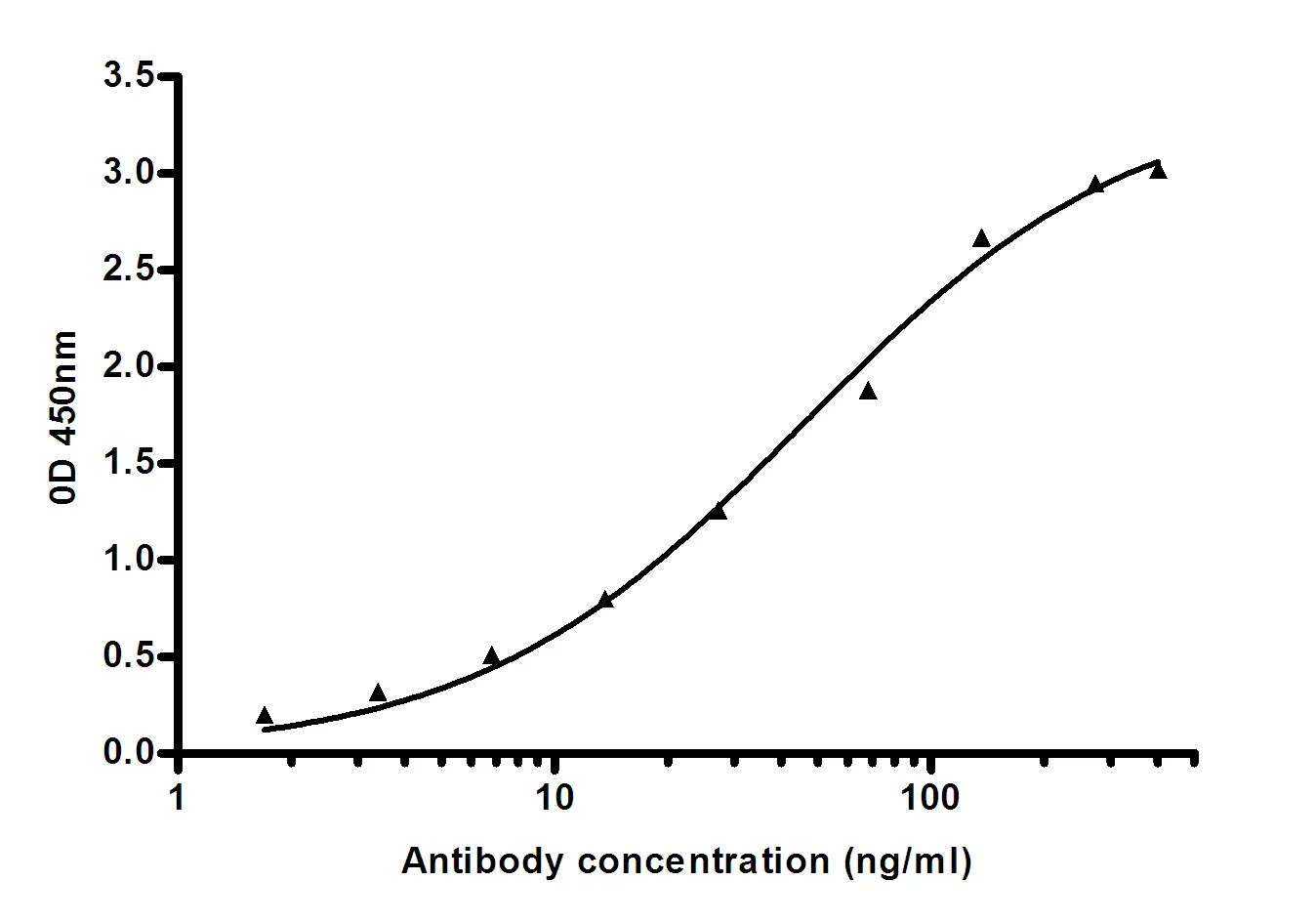
| アプリケーション | WB,ELISA |
| 希釈倍率 | WB 1:500-1:2000,ELISA 1:5000-1:20000 |
| 分子量 | 53kDa |
研究分野
| Neuroscience; Neurotransmission; Receptors / Channels; Potassium Channels |
背景
| この遺伝子は、2つの孔形成Pドメインを含むカリウムチャネルタンパク質のスーパーファミリーのメンバーをコードしています。コードされているタンパク質は、細胞外pHの変化に敏感で、細胞外酸性化によって阻害される外向き整流性チャネルです。酸感受性カリウムチャネルとも呼ばれ、麻酔薬のハロタンとイソフルランによって活性化されます。ノーザンブロットでは3つの転写産物が検出されていますが、現在この遺伝子の転写産物バリアントを確認できる配列はありません。[RefSeq提供、2008年8月],機能:pH依存性、電圧非感受性、バックグラウンドカリウムチャネルタンパク質。整流方向は、膜の両側のカリウムイオン濃度によって決まります。外部のカリウム濃度が低い場合は外向き整流器として機能します。外部のカリウム濃度が高い場合は、電流は内向きです。,その他:外部の酸性化によって阻害されます。ハロタンおよびイソフルランによって活性化される。,類似性:2孔ドメインカリウムチャネル(TC 1.A.1.8)ファミリーに属する。,組織特異性:成人では広く発現する。膵臓と胎盤で最も強い発現を示す。脳、肺、前立腺、心臓、腎臓、子宮、小腸、結腸では発現が低い。, |