

T2R50ウサギポリクローナル抗体
コンジュゲーション: 非共役
ウサギポリクローナル抗体
アプリケーション
反応性
ヒト、ラット、マウス
遺伝子名
TAS2R50
保存
小分けして-20℃で保存してください(12ヶ月間有効)。凍結融解サイクルは避けてください。
要約
| 製品名 | T2R50ウサギポリクローナル抗体 |
| 説明 | ウサギポリクローナル抗体 |
| 宿主 | うさぎ |
| 反応性 | ヒト、ラット、マウス |
| コンジュゲーション | 非共役 |
| 修飾 | 未修正 |
| アイソタイプ | IgG |
| クローン性 | ポリクローナル |
| 形態 | 液体 |
| 濃度 | 非共役 |
| 保存 | 小分けして-20℃で保存してください(12ヶ月間有効)。凍結融解サイクルは避けてください。 |
| 配送 | 氷嚢。 |
| バッファー | 50% グリセロール、0.02% 新タイプ防腐剤 N を含む PBS 液。 |
| 精製 | アフィニティー精製 |
抗原情報
| 遺伝子名 | TAS2R50 |
| 別名 | - |
| 遺伝子ID | 259296 |
| SwissProt ID | P59544 |
| 免疫原 | ヒトタンパク質由来の合成ペプチド。アミノ酸範囲:160~240 |
アプリケーション
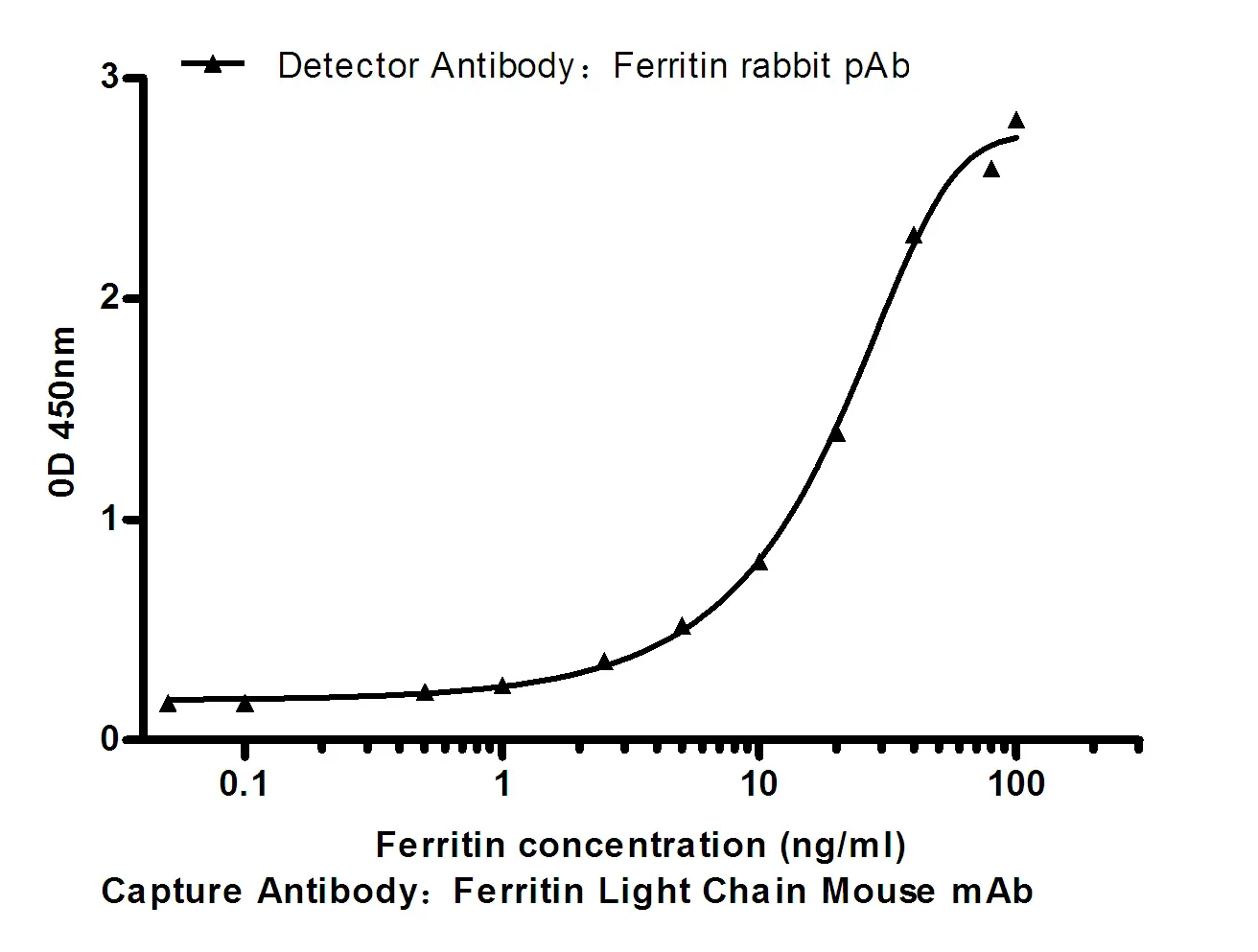
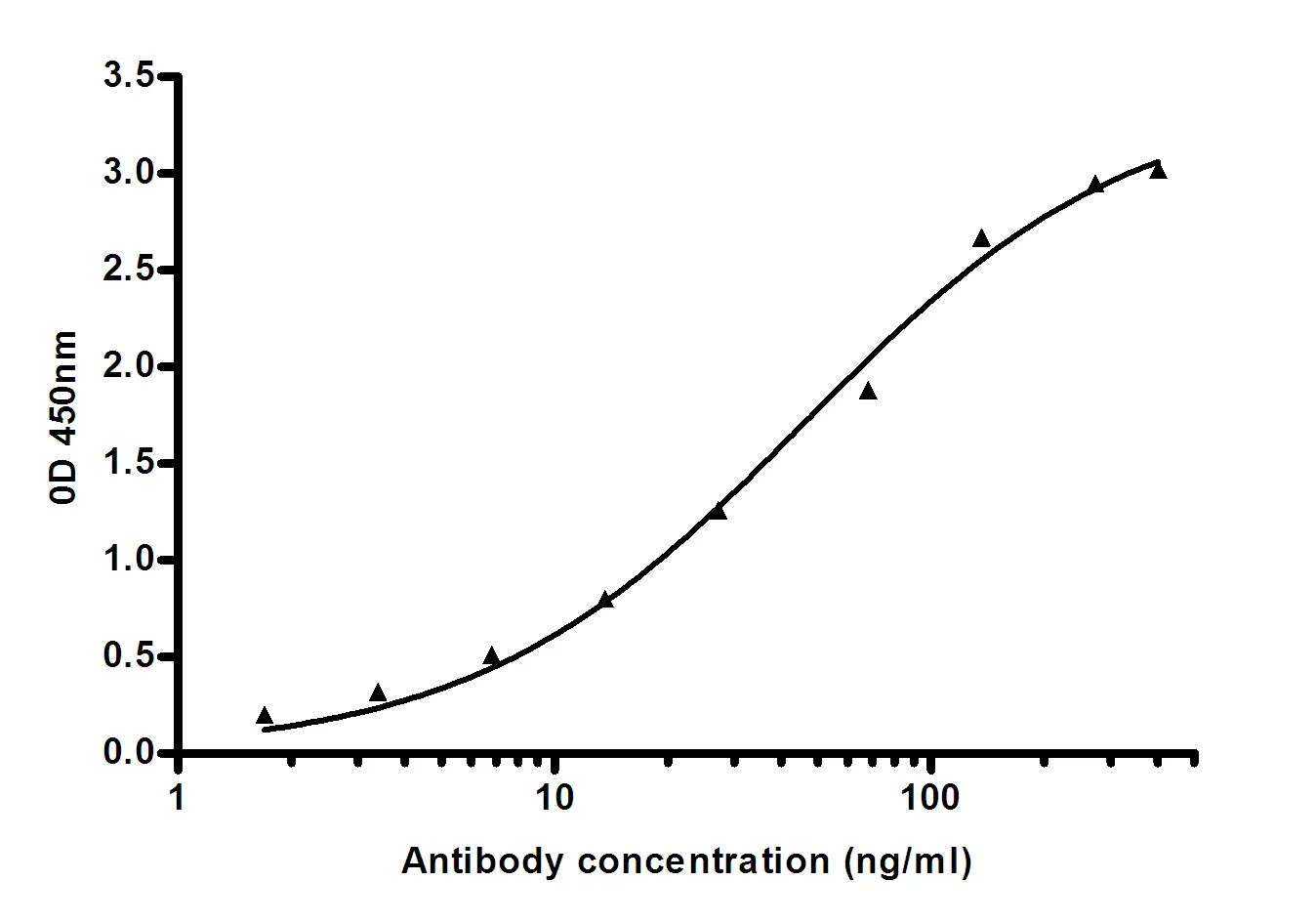
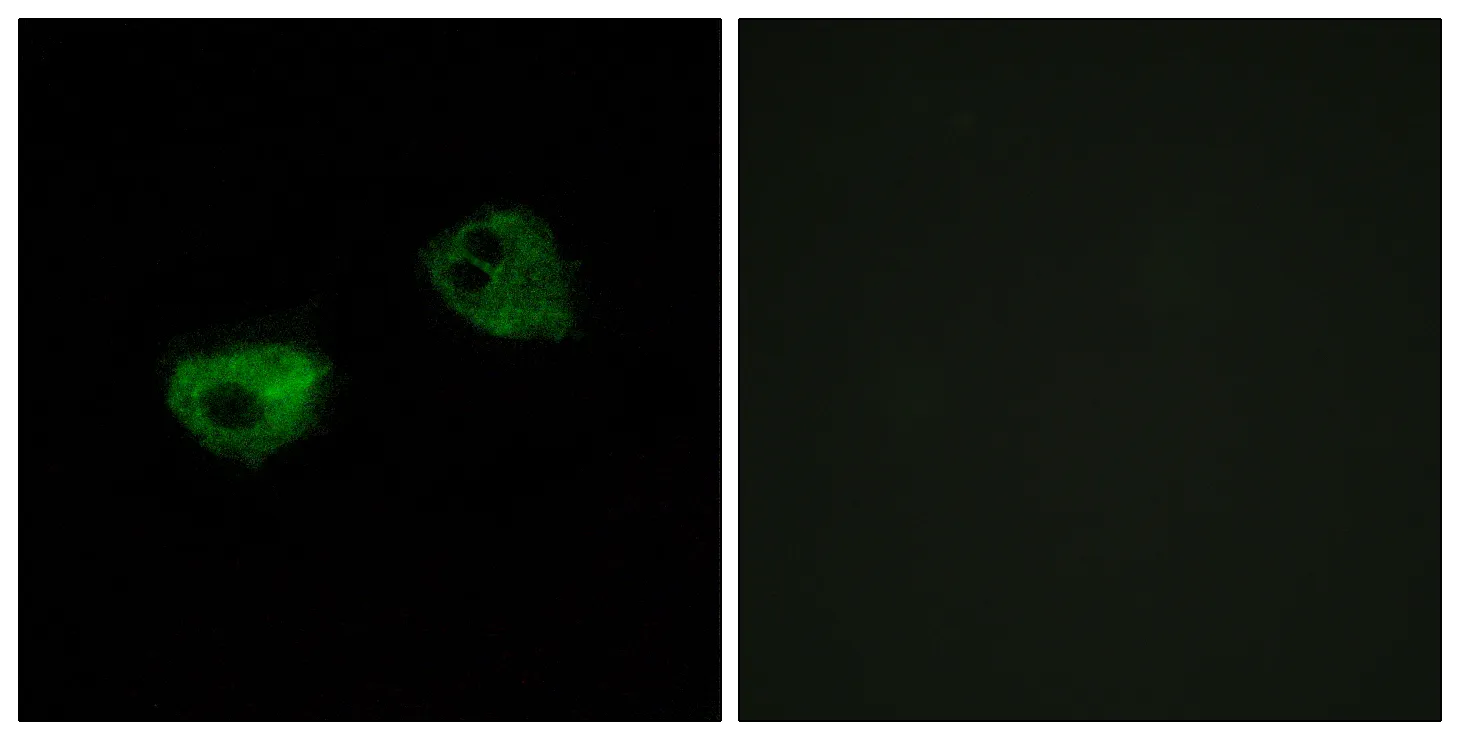
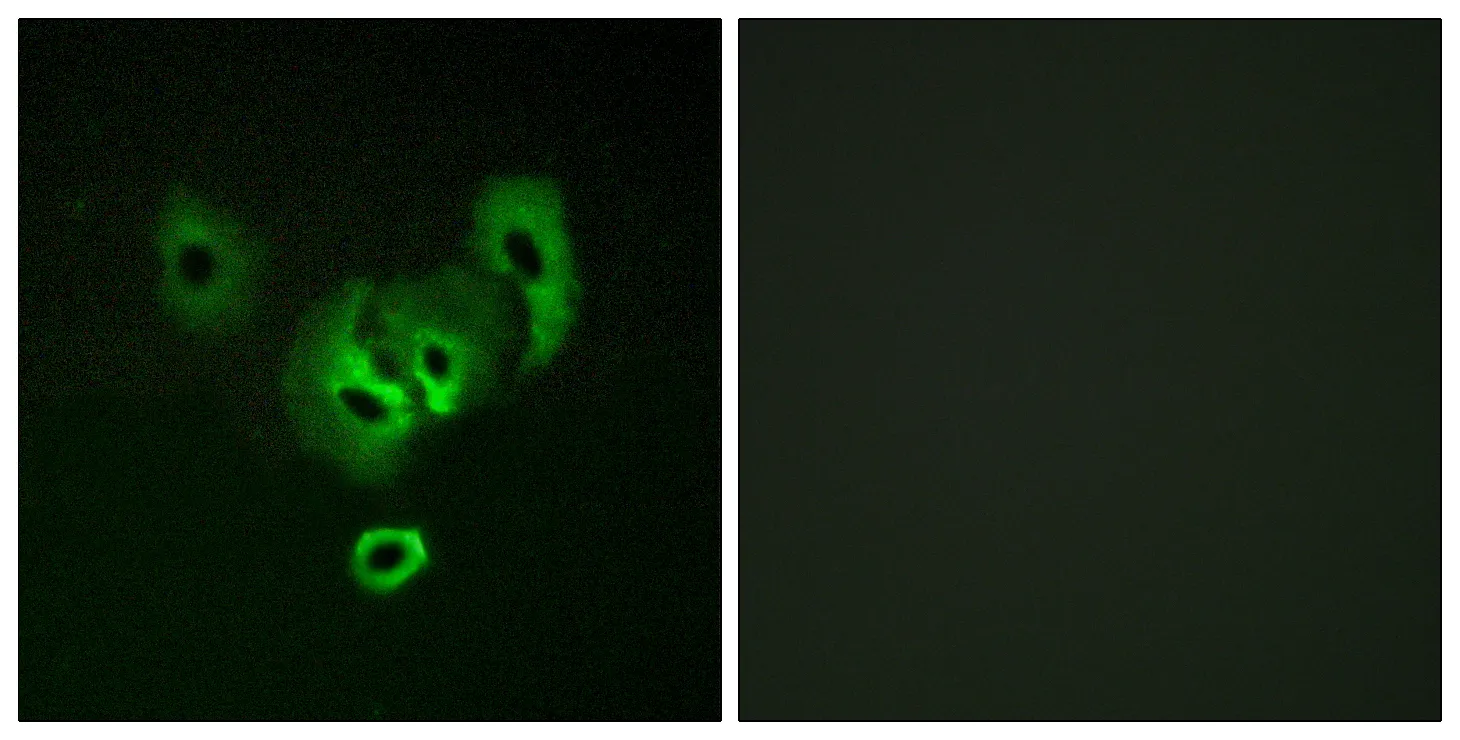
| アプリケーション | WB,ELISA |
| 希釈倍率 | WB 1:500-1:2000,ELISA 1:5000-1:20000 |
| 分子量 | 32kDa |
研究分野
| Taste transduction; |
背景
| TAS2R50は、大規模なTAS2R受容体ファミリーに属します。TAS2Rは味覚受容体細胞の表面に発現し、Gタンパク質共役セカンドメッセンジャー経路を介して苦味の知覚を媒介します(Conte et al., 2002 [PubMed 12584440])。TAS2R10(MIM 604791)も参照してください。[OMIM提供、2008年3月],機能:苦味の知覚に関与する可能性のある受容体で、ガストデューシンと関連しています。消化管内容物の化学組成を感知する役割を果たしている可能性があります。この受容体の活性は、αガストデューシンを刺激し、PLC-β-2の活性化を媒介し、TRPM5のゲーティングにつながる可能性があります。,その他:ほとんどの味覚細胞は、限られた数の苦味化合物によって活性化される可能性があります。個々の味覚細胞は苦味刺激を区別することができる。,類似性:Gタンパク質共役受容体T2Rファミリーに属する。,組織特異性:舌の味覚受容体細胞のサブセットで発現し、ガストデューシン陽性細胞でのみ発現する。, |