

SUMO-1ウサギポリクローナル抗体
コンジュゲーション: 非共役
ウサギポリクローナル抗体
アプリケーション
反応性
ヒト、マウス、ラット
遺伝子名
SUMO1
保存
小分けして-20℃で保存してください(12ヶ月間有効)。凍結融解サイクルは避けてください。
要約
| 製品名 | SUMO-1ウサギポリクローナル抗体 |
| 説明 | ウサギポリクローナル抗体 |
| 宿主 | うさぎ |
| 反応性 | ヒト、マウス、ラット |
| コンジュゲーション | 非共役 |
| 修飾 | 未修正 |
| アイソタイプ | IgG |
| クローン性 | ポリクローナル |
| 形態 | 液体 |
| 濃度 | 非共役 |
| 保存 | 小分けして-20℃で保存してください(12ヶ月間有効)。凍結融解サイクルは避けてください。 |
| 配送 | 氷嚢。 |
| バッファー | 50% グリセロール、0.5% 保護タンパク質、0.02% 新タイプ防腐剤 N を含む PBS 液。 |
| 精製 | アフィニティー精製 |
抗原情報
| 遺伝子名 | SUMO1 |
| 別名 | SUMO1; SMT3C; SMT3H3; UBL1; OK/SW-cl.43; Small ubiquitin-related modifier 1; SUMO-1; GAP-modifying protein 1; GMP1; SMT3 homolog 3; Sentrin; Ubiquitin-homology domain protein PIC1; Ubiquitin-like protein SMT3C; Smt3C; Ubiquitin-like protein |
| 遺伝子ID | 7341 |
| SwissProt ID | P63165 |
| 免疫原 | 抗血清はヒトSumo1由来の合成ペプチドに対して作製された。アミノ酸範囲:1-50 |
アプリケーション
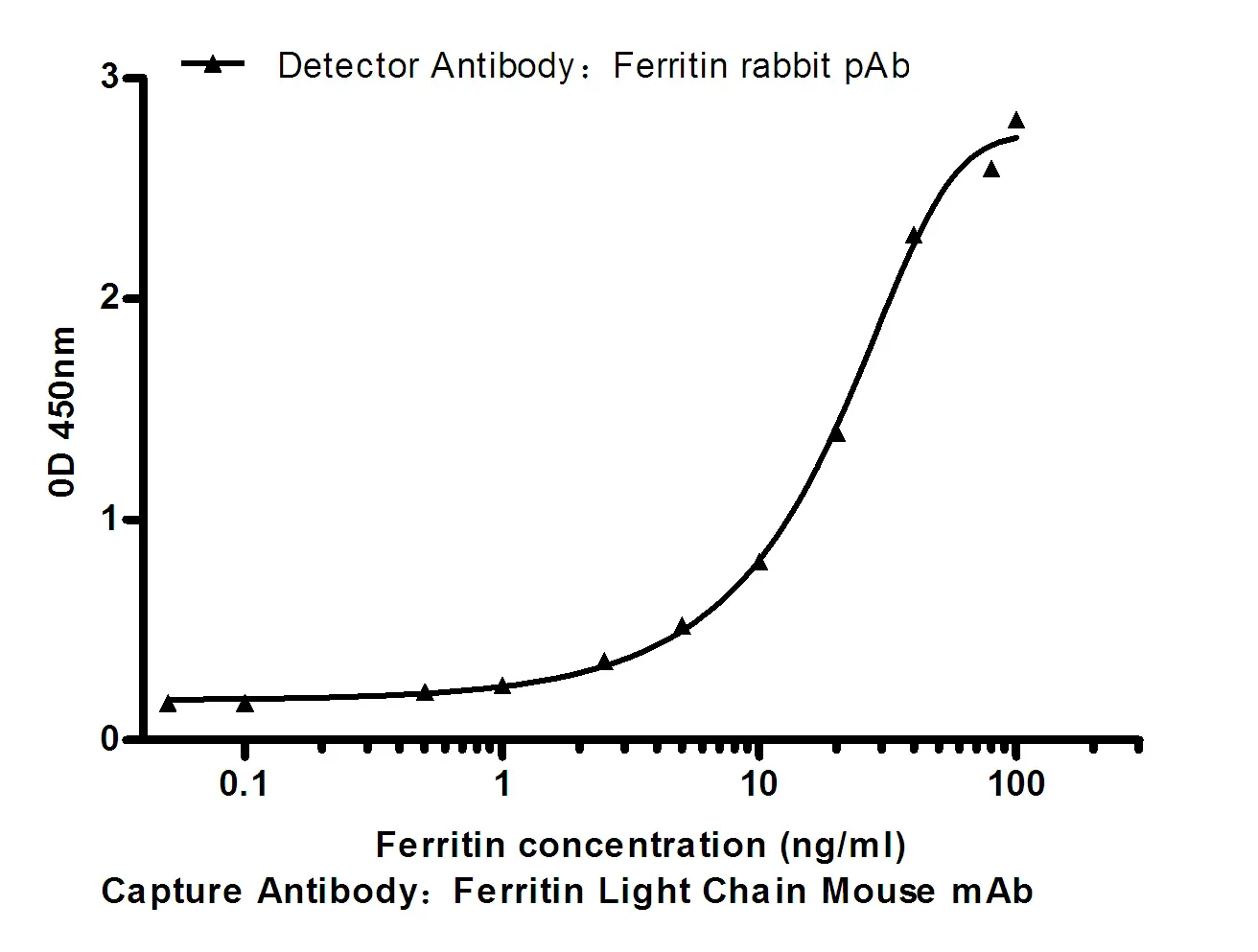
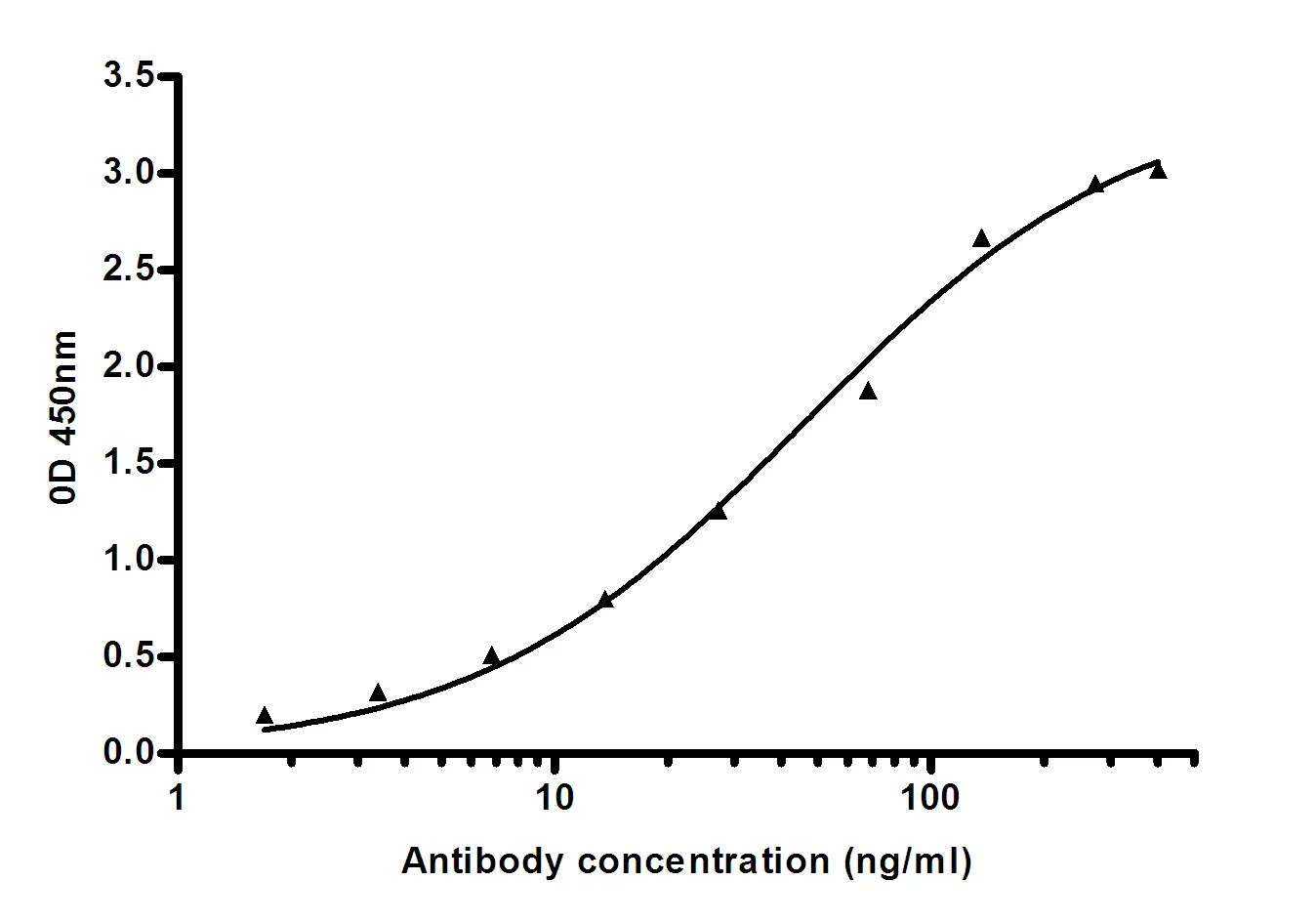
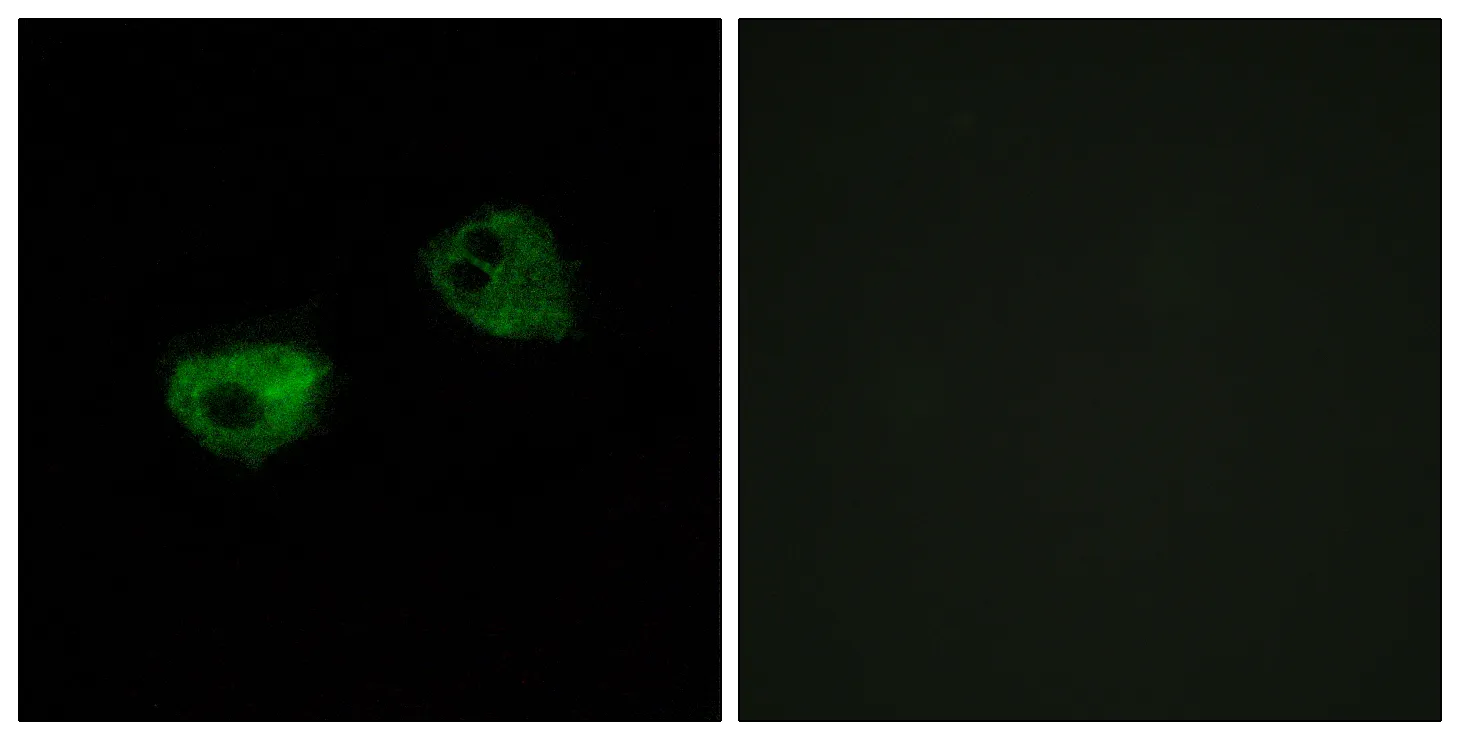
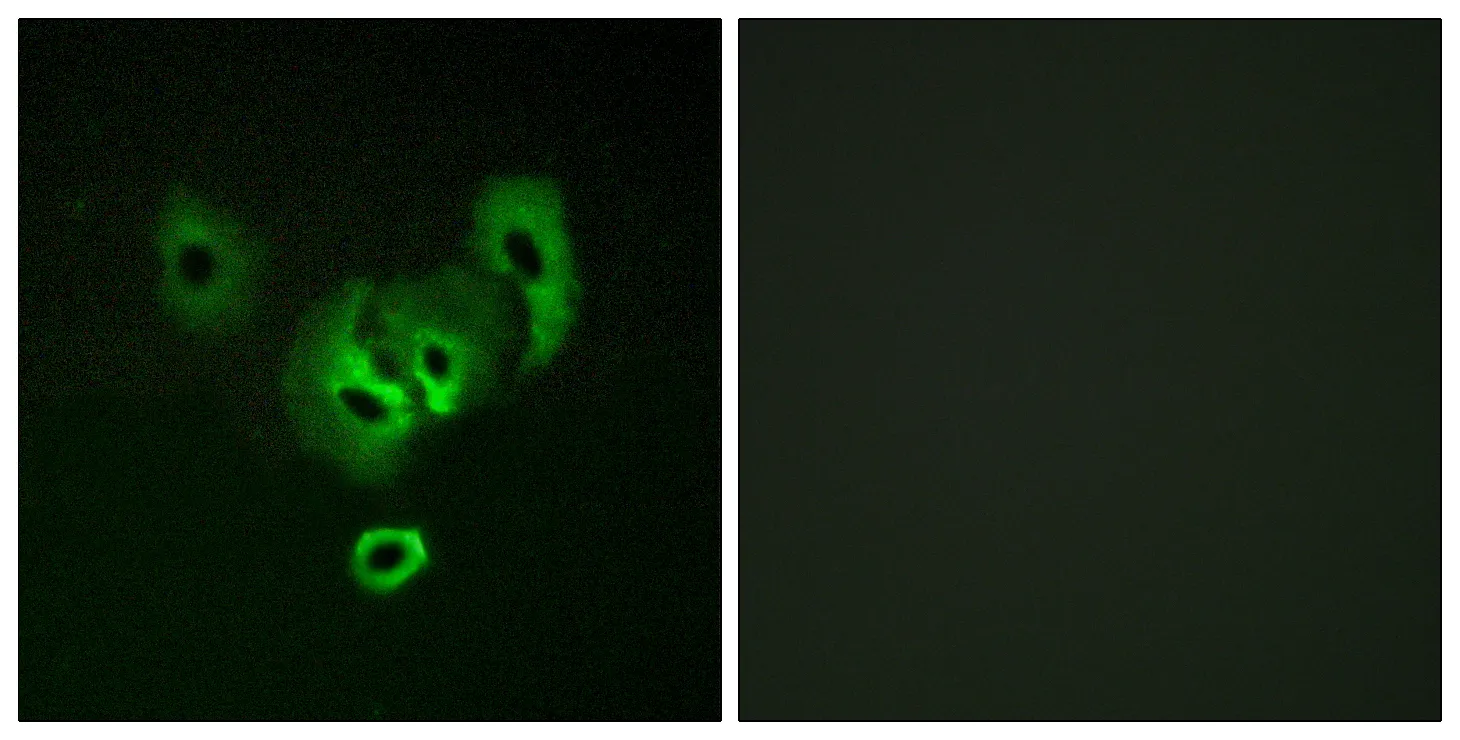
| アプリケーション | WB,IHC,ICC/IF,ELISA |
| 希釈倍率 | WB 1:500-1:2000,IHC 1:100-1:300,ICC/IF 1:200-1:1000,ELISA 1:10000-1:20000 |
| 分子量 | 12kDa |
研究分野
| Cell Biology |
背景
| この遺伝子は、SUMO(small ubiquitin-like modifier)タンパク質ファミリーに属するタンパク質をコードします。このタンパク質は、ユビキチンと同様に、翻訳後修飾システムの一部として標的タンパク質に結合することで機能します。しかし、タンパク質を分解の標的とするユビキチンとは異なり、このタンパク質は核輸送、転写調節、アポトーシス、タンパク質安定化など、様々な細胞プロセスに関与しています。カルボキシ末端の最後の4つのアミノ酸が切断されるまでは活性化しません。この遺伝子には、いくつかの擬似遺伝子が報告されています。異なるアイソフォームをコードする代替転写スプライスバリアントが同定されています。[RefSeq提供、2008年7月],注意:ここに示す配列は、Ensembl自動解析パイプラインから得られたものであり、予備的なデータとして考慮する必要があります。,機能:標的リジンにモノマーとして共有結合できるユビキチン様タンパク質。タンパク質分解には関与していないようで、分解プロセスにおいてユビキチンの拮抗薬として機能する可能性がある。核輸送、DNA複製と修復、有糸分裂、シグナル伝達など、多くの細胞プロセスにおいて役割を果たす。RANGAP1を核膜孔複合体タンパク質RANBP2に標的化することに関与する。その基質への共有結合には、E1複合体SAE1-SAE2による事前活性化とE2酵素UBE2Iへの結合が必要であり、PIAS1-4、RANBP2、CBX4などのE3リガーゼによって促進される。,オンライン情報:SUMOタンパク質エントリ,PTM:機能にはSENP1またはSENP2による前駆体の切断が必要である。,類似性:ユビキチンファミリーに属します。 SUMOサブファミリー。,類似性:1つのユビキチン様ドメインを含む。,サブユニット:SAE2、UBE2I、RANBP2、PIAS1、PIAS2と相互作用する。PARK2とも相互作用する。PML、RANGAP1、HIPK2、SP100、p53、p73-alpha、MDM2、JUN、DNMT3B、TDGなど、多くのタンパク質と共有結合する。また、HIF1A、HIPK2、HIPK3、CHD3、EXOSC9、RAD51、RAD52とも相互作用する。, |