SPTLC1ウサギポリクローナル抗体
コンジュゲーション: 非共役
ウサギポリクローナル抗体
アプリケーション
反応性
ヒト、マウス、ラット
遺伝子名
SPTLC1
保存
小分けして-20℃で保存してください(12ヶ月間有効)。凍結融解サイクルは避けてください。
要約
| 製品名 | SPTLC1ウサギポリクローナル抗体 |
| 説明 | ウサギポリクローナル抗体 |
| 宿主 | うさぎ |
| 反応性 | ヒト、マウス、ラット |
| コンジュゲーション | 非共役 |
| 修飾 | 未修正 |
| アイソタイプ | IgG |
| クローン性 | ポリクローナル |
| 形態 | 液体 |
| 濃度 | 非共役 |
| 保存 | 小分けして-20℃で保存してください(12ヶ月間有効)。凍結融解サイクルは避けてください。 |
| 配送 | 氷嚢。 |
| バッファー | 50% グリセロール、0.5% 保護タンパク質、0.02% 新タイプ防腐剤 N を含む PBS 液。 |
| 精製 | アフィニティー精製 |
抗原情報
| 遺伝子名 | SPTLC1 |
| 別名 | SPTLC1; LCB1; Serine palmitoyltransferase 1; Long chain base biosynthesis protein 1; LCB 1; Serine-palmitoyl-CoA transferase 1; SPT 1; SPT1 |
| 遺伝子ID | 10558 |
| SwissProt ID | O15269 |
| 免疫原 | SPTLC1由来の合成ペプチド。アミノ酸範囲:411-460 |
アプリケーション
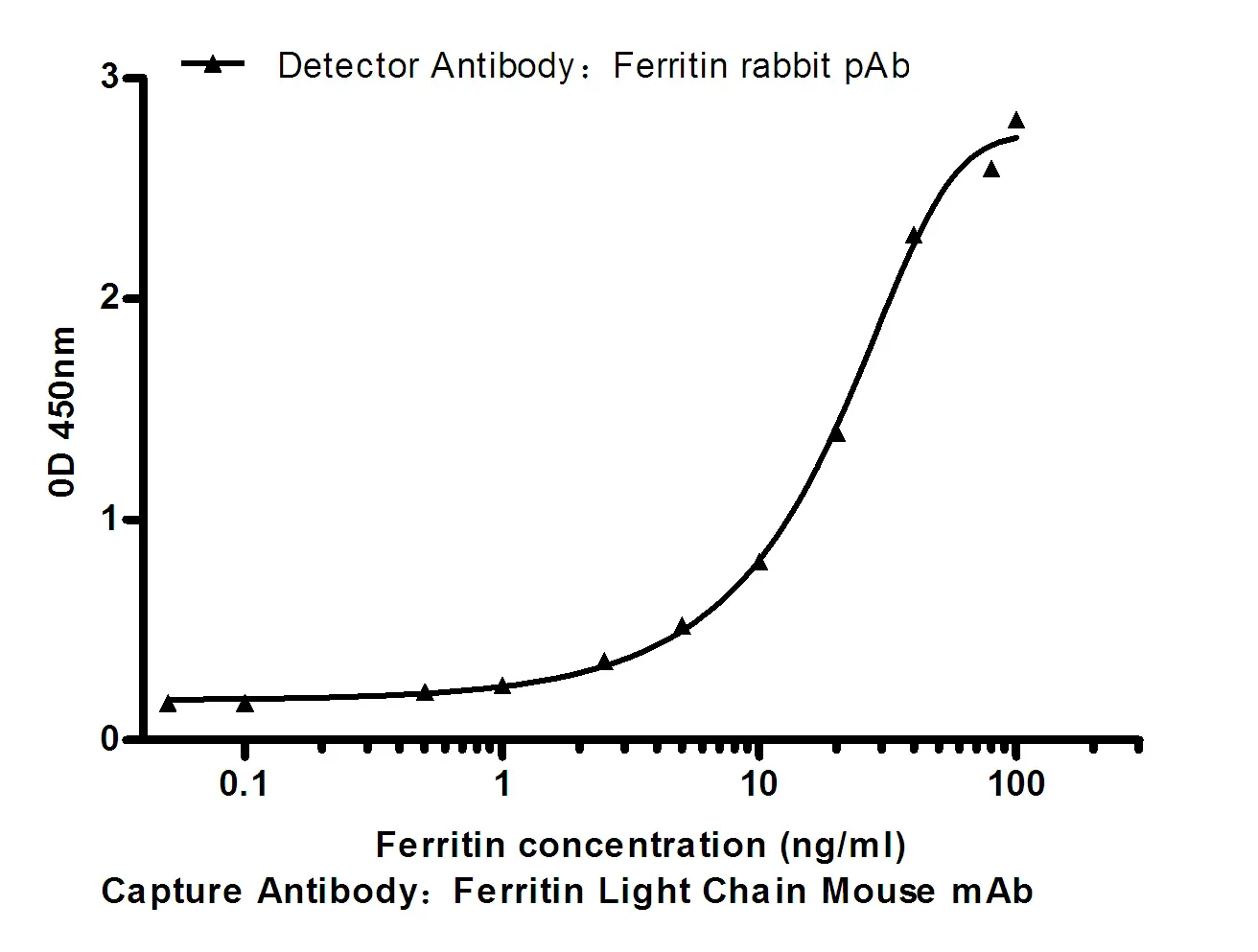
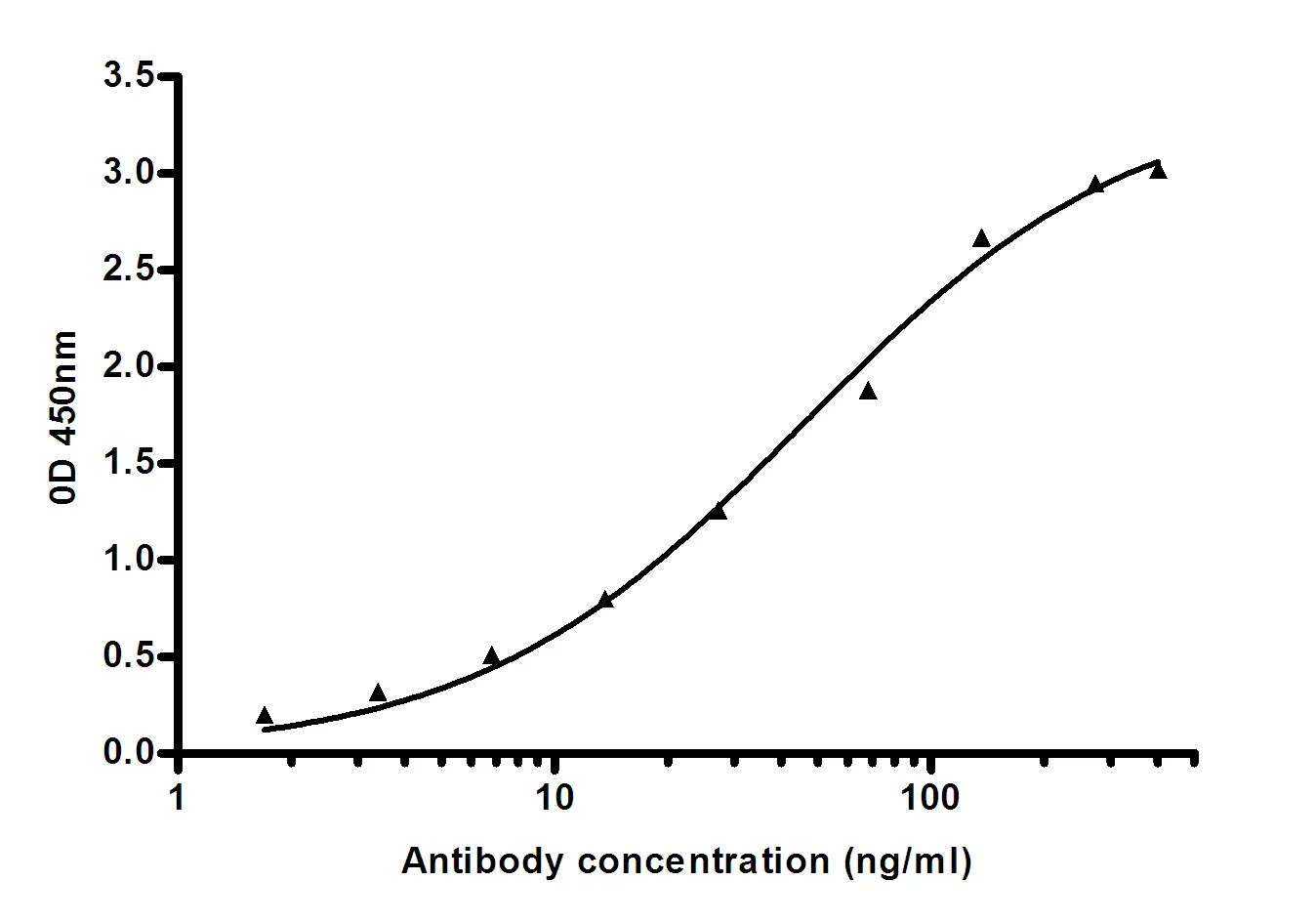
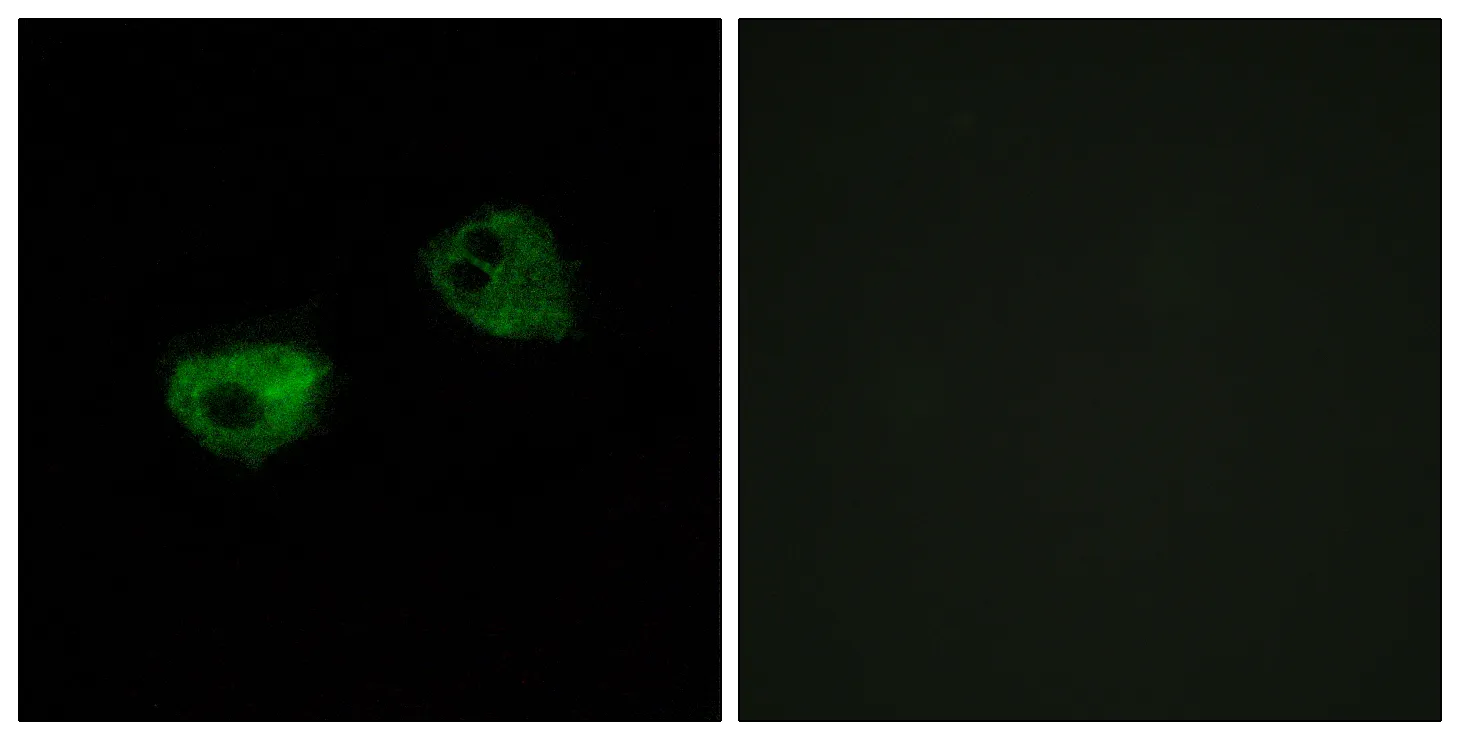
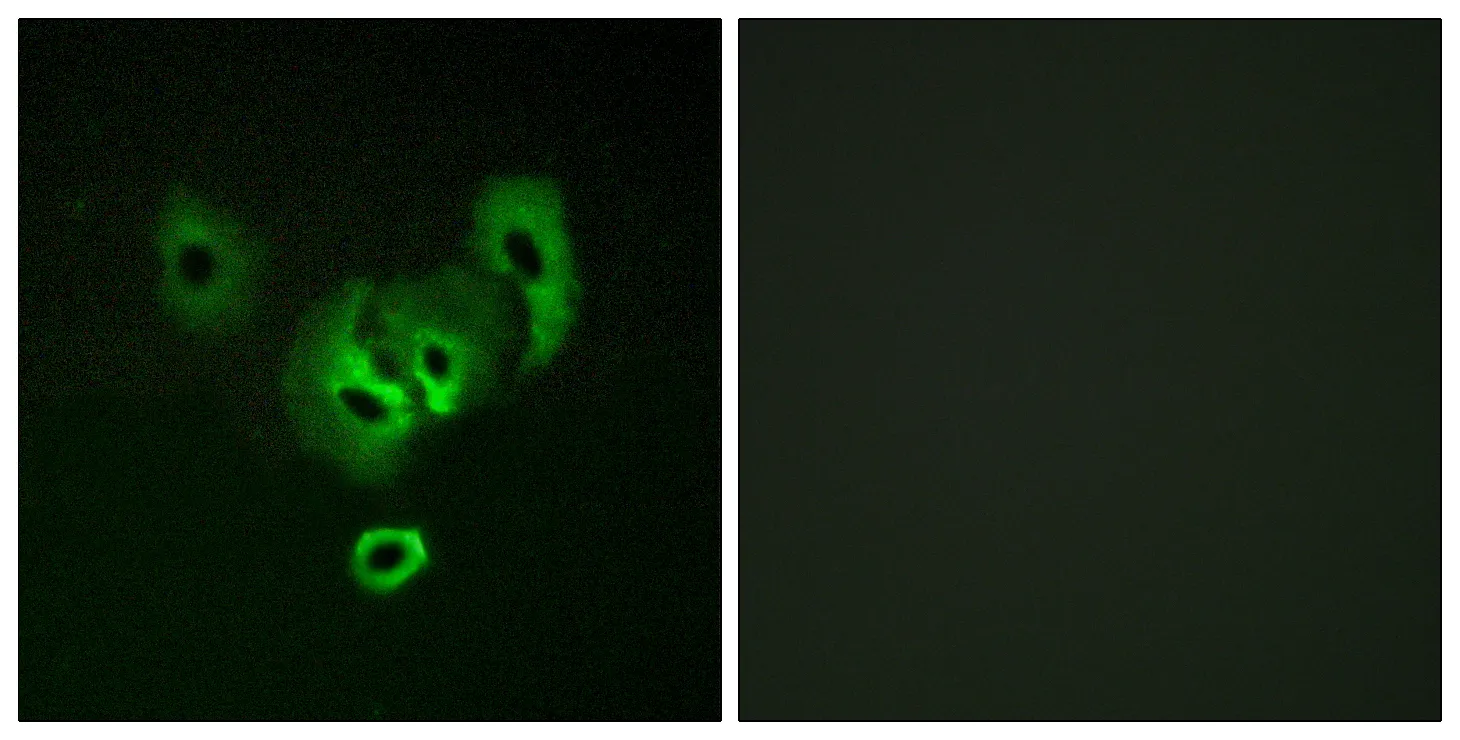
| アプリケーション | WB,IHC,ICC/IF,ELISA |
| 希釈倍率 | WB 1:500-1:2000,IHC 1:100-1:300,ICC/IF 1:50-1:200,ELISA 1:10000-1:20000 |
| 分子量 | 52kDa |
研究分野
| Sphingolipid metabolism; |
背景
| この遺伝子は、クラスIIピリドキサールリン酸依存性アミノトランスフェラーゼファミリーのメンバーをコードしています。コードされるタンパク質は、セリンパルミトイルトランスフェラーゼの長鎖塩基サブユニット1です。セリンパルミトイルトランスフェラーゼは、L-セリンとパルミトイルCoAをピリドキサール5'-リン酸と反応させて3-オキソスフィンガニンに変換し、スフィンゴ脂質生合成における重要な酵素です。この遺伝子の変異は、遺伝性感覚神経障害1型患者で同定されています。また、異なるアイソフォームをコードする選択的スプライシングバリアントも同定されています。この遺伝子の擬似遺伝子は、1番染色体、6番染色体、10番染色体、および13番染色体上に定義されています。[RefSeq提供、2013年7月]、触媒活性:パルミトイルCoA + L-セリン = CoA + 3-デヒドロ-D-スフィンガニン + CO(2)、補因子:ピリドキサールリン酸、疾患:SPTLC1の欠陥は、遺伝性感覚・自律神経性ニューロパチー1型(HSAN1)[MIM:162400]の原因です。遺伝性感覚・自律神経性ニューロパチーは、遺伝的および臨床的に異質な疾患群であり、背根および自律神経節細胞の変性、および感覚および/または自律神経異常を特徴とします。HSAN1は、10代または20代に発症する常染色体優性軸索ニューロパチーです。初期症状は、足の痛覚、触覚、温冷覚の消失であり、続いて遠位筋の萎縮と筋力低下が起こります。痛覚の消失は慢性皮膚潰瘍や遠位切断につながります。,経路:脂質代謝;スフィンゴ脂質代謝。,類似性:クラスIIピリドキサールリン酸依存性アミノトランスフェラーゼファミリーに属する。,サブユニット:SPTLC1、SPTLC2、およびSPTLC3は、この酵素のサブユニットをコードする可能性がある。,組織特異性:広く発現している。小腸では検出されない。, |