

SPT16ウサギポリクローナル抗体
コンジュゲーション: 非共役
ウサギポリクローナル抗体
アプリケーション
反応性
ヒト、マウス
遺伝子名
SUPT16H
保存
小分けして-20℃で保存してください(12ヶ月間有効)。凍結融解サイクルは避けてください。
要約
| 製品名 | SPT16ウサギポリクローナル抗体 |
| 説明 | ウサギポリクローナル抗体 |
| 宿主 | うさぎ |
| 反応性 | ヒト、マウス |
| コンジュゲーション | 非共役 |
| 修飾 | 未修正 |
| アイソタイプ | IgG |
| クローン性 | ポリクローナル |
| 形態 | 液体 |
| 濃度 | 非共役 |
| 保存 | 小分けして-20℃で保存してください(12ヶ月間有効)。凍結融解サイクルは避けてください。 |
| 配送 | 氷嚢。 |
| バッファー | 50% グリセロール、0.5% 保護タンパク質、0.02% 新タイプ防腐剤 N を含む PBS 液。 |
| 精製 | アフィニティー精製 |
抗原情報
| 遺伝子名 | SUPT16H |
| 別名 | SUPT16H; FACT140; FACTP140; FACT complex subunit SPT16; Chromatin-specific transcription elongation factor 140 kDa subunit; FACT 140 kDa subunit; FACTp140; Facilitates chromatin transcription complex subunit SPT16; hSPT16 |
| 遺伝子ID | 11198 |
| SwissProt ID | Q9Y5B9 |
| 免疫原 | 抗血清はヒトSUPT16H由来の合成ペプチドに対して作製された。アミノ酸範囲:941-990 |
アプリケーション
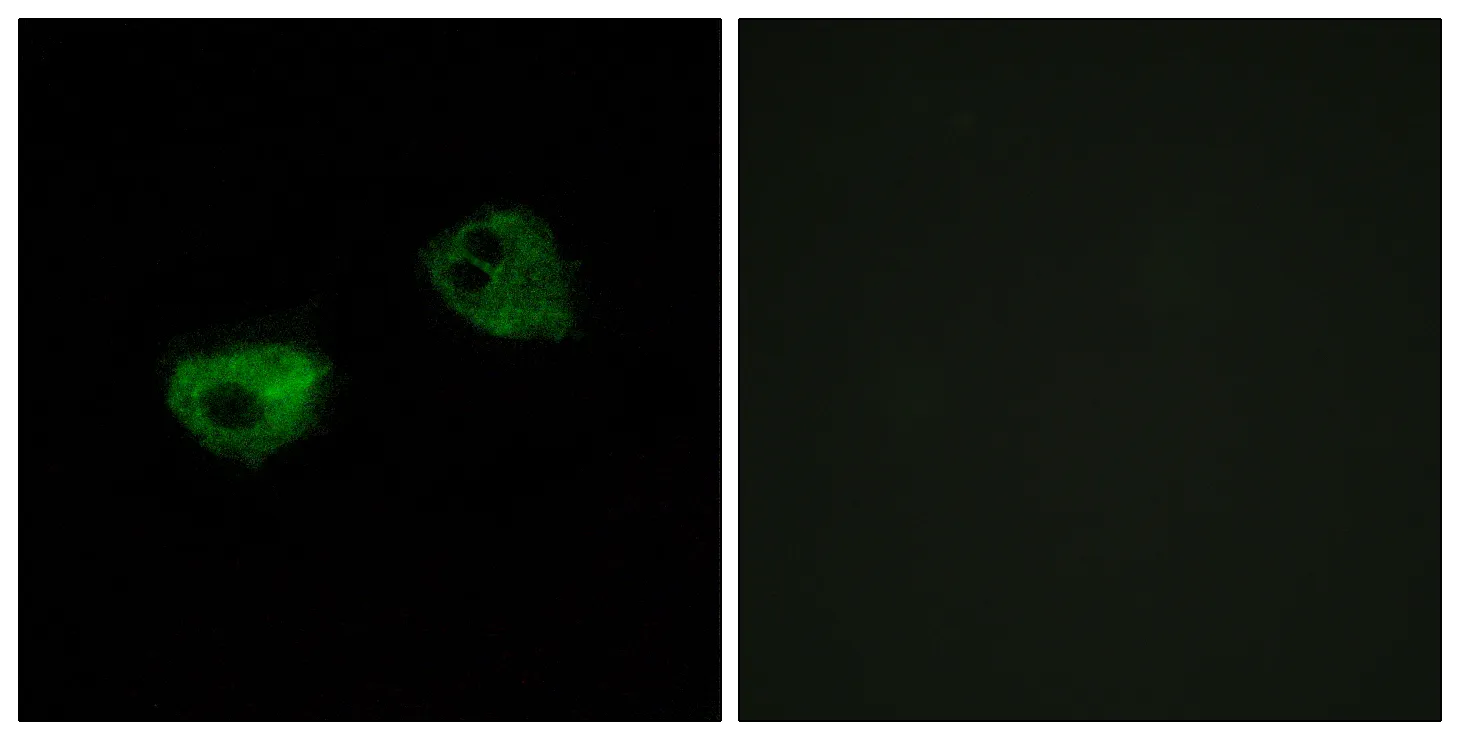
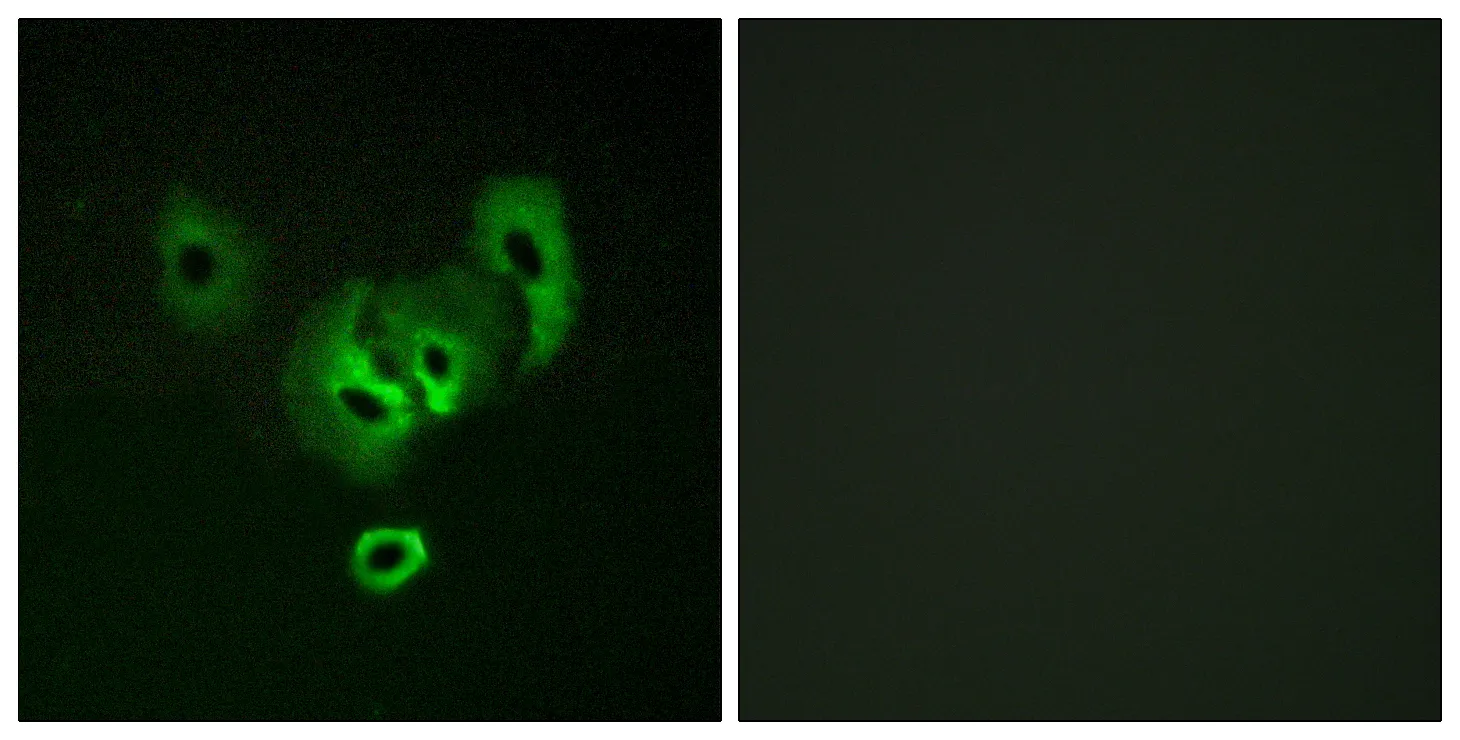
| アプリケーション | WB,IHC,ICC/IF,ELISA |
| 希釈倍率 | WB 1:500-1:2000,IHC 1:100-1:300,ICC/IF 1:50-1:200,ELISA 1:5000-1:20000 |
| 分子量 | 119kDa |
研究分野
背景
| タンパク質コード遺伝子の転写は、一般的な転写因子とRNAポリメラーゼIIのみを用いて、裸のDNA上で再構成することができます。しかし、この最小限のシステムではクロマチンにパッケージ化されたDNAを転写することはできません。これは、補助因子がDNAへのアクセスを促進する可能性を示唆しています。そのような因子の一つであるFACT(クロマチン転写促進因子)は、ヒストンH2A/H2Bと特異的に相互作用し、ヌクレオソームの分解と転写伸長を引き起こします。FACTは80 kDaのサブユニットと140 kDaのサブユニットで構成されており、この遺伝子は140 kDaのサブユニットをコードしています。 [RefSeq提供、2009年2月],注意:ペプチダーゼM24ファミリーに関連していますが、このタンパク質は保存された活性部位残基を欠いており、ペプチダーゼ活性を欠いている可能性があります。,ドメイン:C末端のグルタミン酸に富む酸性領域は、FACT活性に不可欠です。,機能:ヌクレオソームを再編成する働きをする一般的なクロマチン因子であるFACT複合体の構成要素です。FACT複合体は、mRNA伸長、DNA複製、DNA修復など、DNAをテンプレートとして必要とする複数のプロセスに関与しています。転写伸長中、FACT複合体はヒストンシャペロンとして働き、ヌクレオソーム構造を不安定化させるとともに修復します。これは、ヒストンH2A-H2B二量体のヌクレオソームからの解離を促進することでRNAポリメラーゼIIの通過と転写を促進し、その後、RNAポリメラーゼIIの通過後にヌクレオソームの再構築を促進します。 FACT複合体は、CK2(カゼインキナーゼII)との会合を介して、p53/TP53の「Ser-392」のリン酸化にも関与していると考えられます。また、ビタミンD受容体(VDR)によってリクルートされるクロマチンリモデリング複合体であるWINAC複合体との会合を介して、ビタミンD共役転写制御にも関与しており、CYP27B1遺伝子のリガンド結合型VDR媒介性転写抑制に必須です。,PTM:ADPリボシル化。PARP1によるADPリボシル化は遺伝毒性ストレスによって誘導され、FACTのクロマチンからの解離と相関しています。,配列注意:汚染配列。潜在的なポリA配列。,類似性:ペプチダーゼM24ファミリーに属します。SPT16サブファミリー。,細胞内局在:クロマチン上でRNAポリメラーゼIIと共局在します。活発に転写されている遺伝子座にリクルートされる。,サブユニット:SSRP1とSUPT16Hの安定なヘテロ二量体であるFACT複合体の構成要素。また、紫外線照射後に形成されるCK2-SPT16-SSRP1複合体の構成要素で、SSRP1、SUPT16H、CSNK2A1、CSNK2A2、CSNK2Bから構成される。WINAC複合体の構成要素で、少なくともSMARCA2、SMARCA4、SMARCB1、SMARCC1、SMARCC2、SMARCD1、SMARCE1、ACTL6A、BAZ1B/WSTF、ARID1A、SUPT16H、CHAF1A、TOP2Bから構成される。NEK9と相互作用する。ヒストンH2A-H2Bに結合し、GTF2E2と相互作用する。,組織特異性:普遍的。, |