

SIRT1ウサギポリクローナル抗体
コンジュゲーション: 非共役
ウサギポリクローナル抗体
アプリケーション
反応性
ヒト、マウス
遺伝子名
SIRT1
保存
小分けして-20℃で保存してください(12ヶ月間有効)。凍結融解サイクルは避けてください。
要約
| 製品名 | SIRT1ウサギポリクローナル抗体 |
| 説明 | ウサギポリクローナル抗体 |
| 宿主 | うさぎ |
| 反応性 | ヒト、マウス |
| コンジュゲーション | 非共役 |
| 修飾 | 未修正 |
| アイソタイプ | IgG |
| クローン性 | ポリクローナル |
| 形態 | 液体 |
| 濃度 | 非共役 |
| 保存 | 小分けして-20℃で保存してください(12ヶ月間有効)。凍結融解サイクルは避けてください。 |
| 配送 | 氷嚢。 |
| バッファー | 50% グリセロール、0.5% 保護タンパク質、0.02% 新タイプ防腐剤 N を含む PBS 液。 |
| 精製 | アフィニティー精製 |
抗原情報
| 遺伝子名 | SIRT1 |
| 別名 | SIRT1; SIR2L1; NAD-dependent protein deacetylase sirtuin-1; hSIRT1; Regulatory protein SIR2 homolog 1; SIR2-like protein 1; hSIR2 |
| 遺伝子ID | 23411 |
| SwissProt ID | Q96EB6 |
| 免疫原 | 抗血清はヒトSirT1由来の合成ペプチドに対して作製された。アミノ酸範囲:13-62 |
アプリケーション
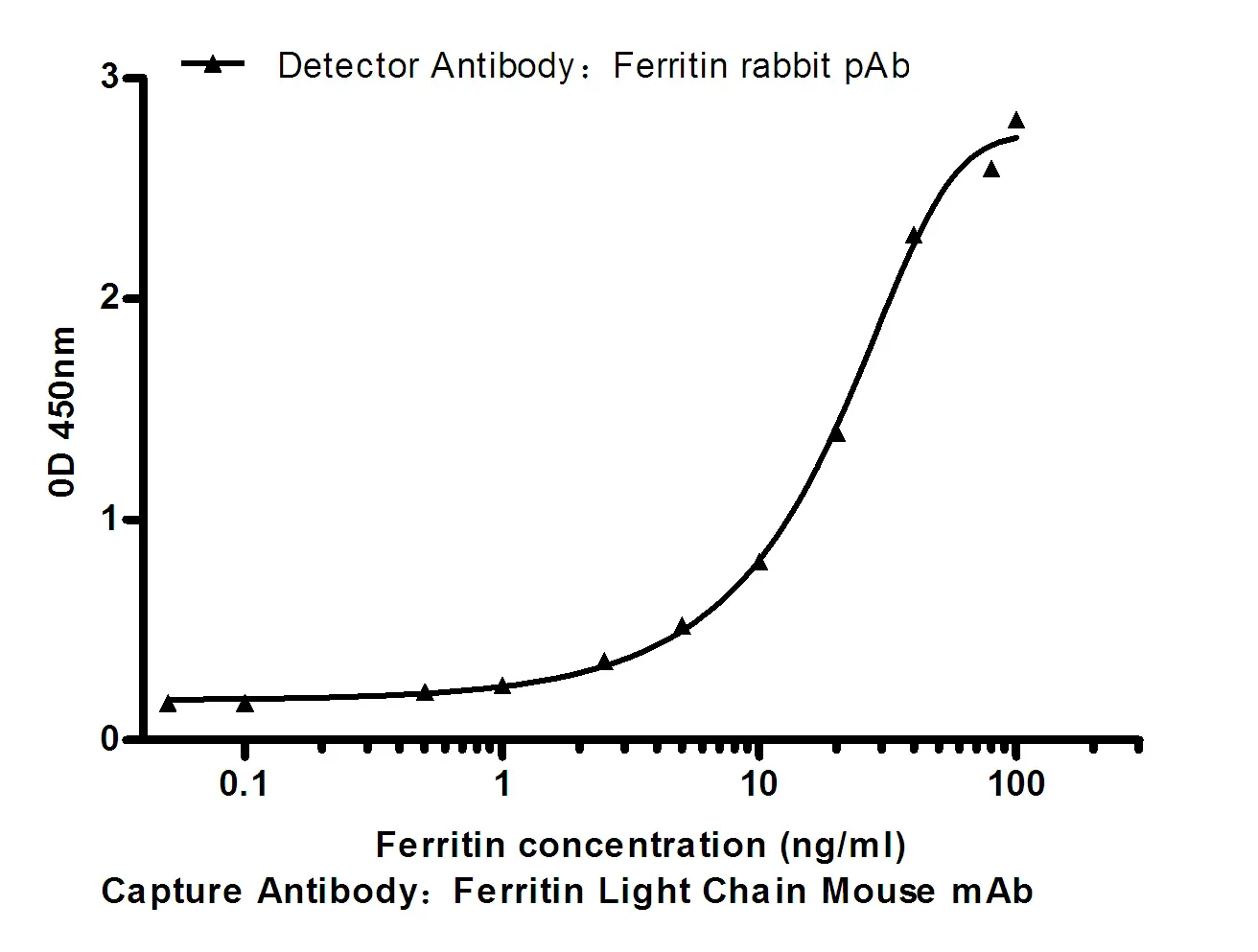
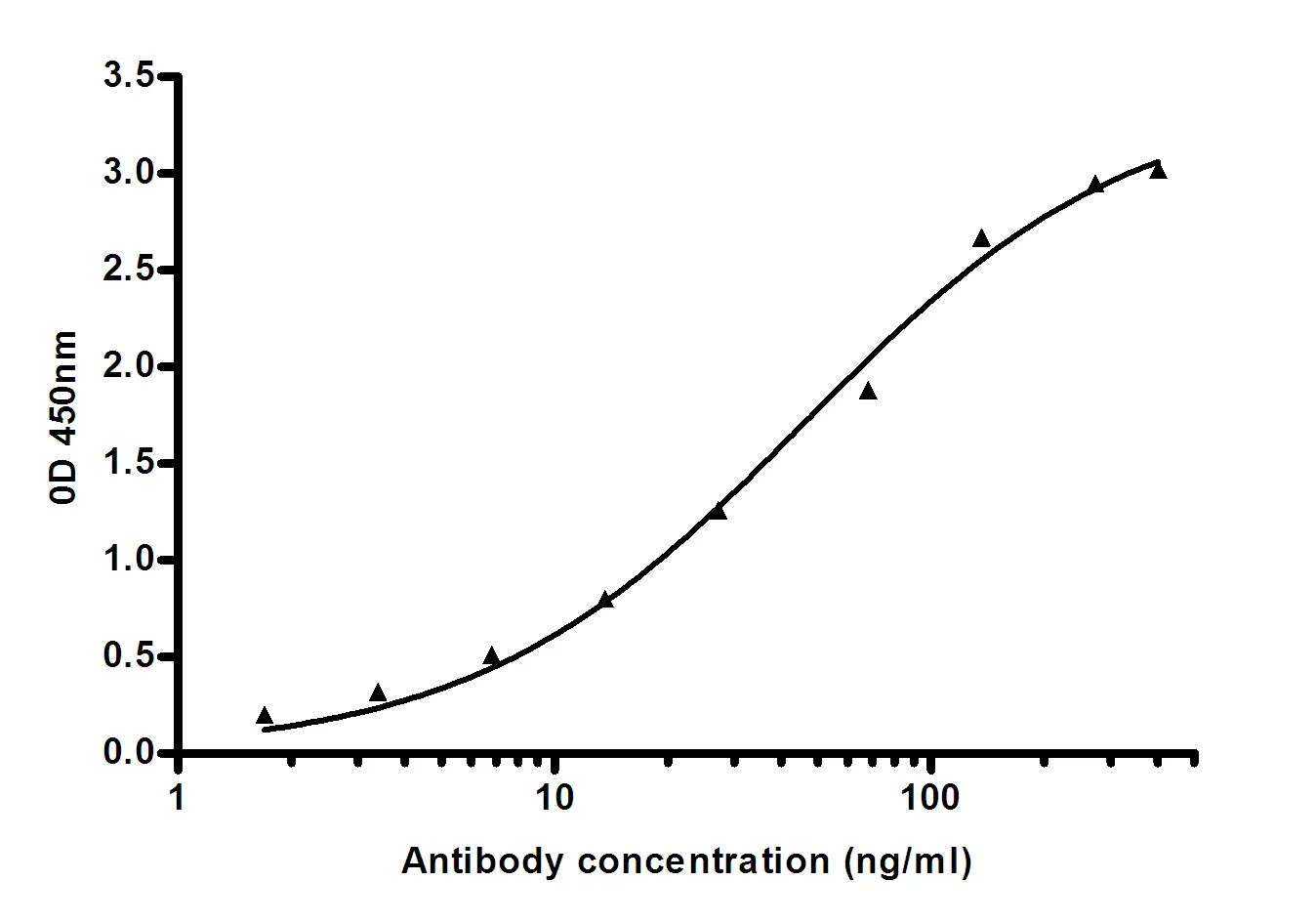
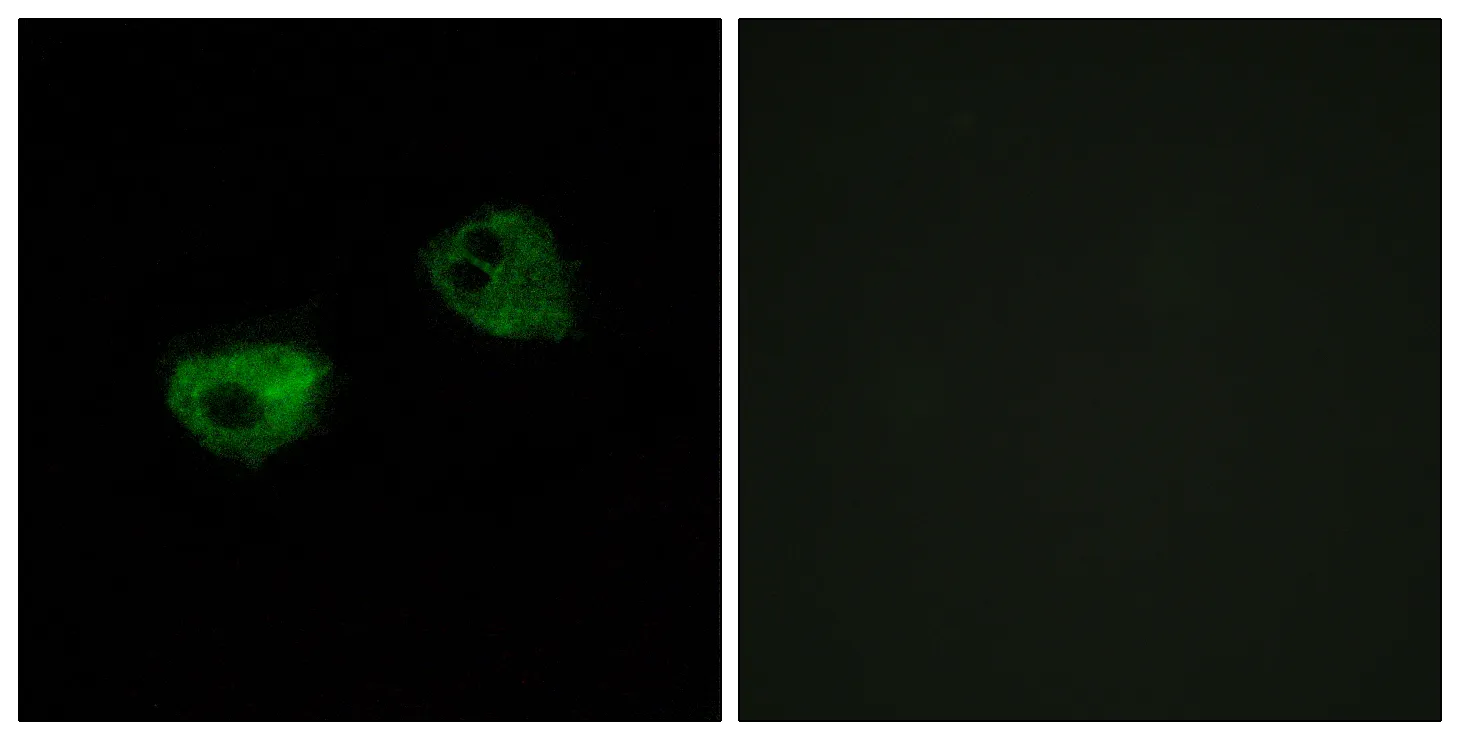
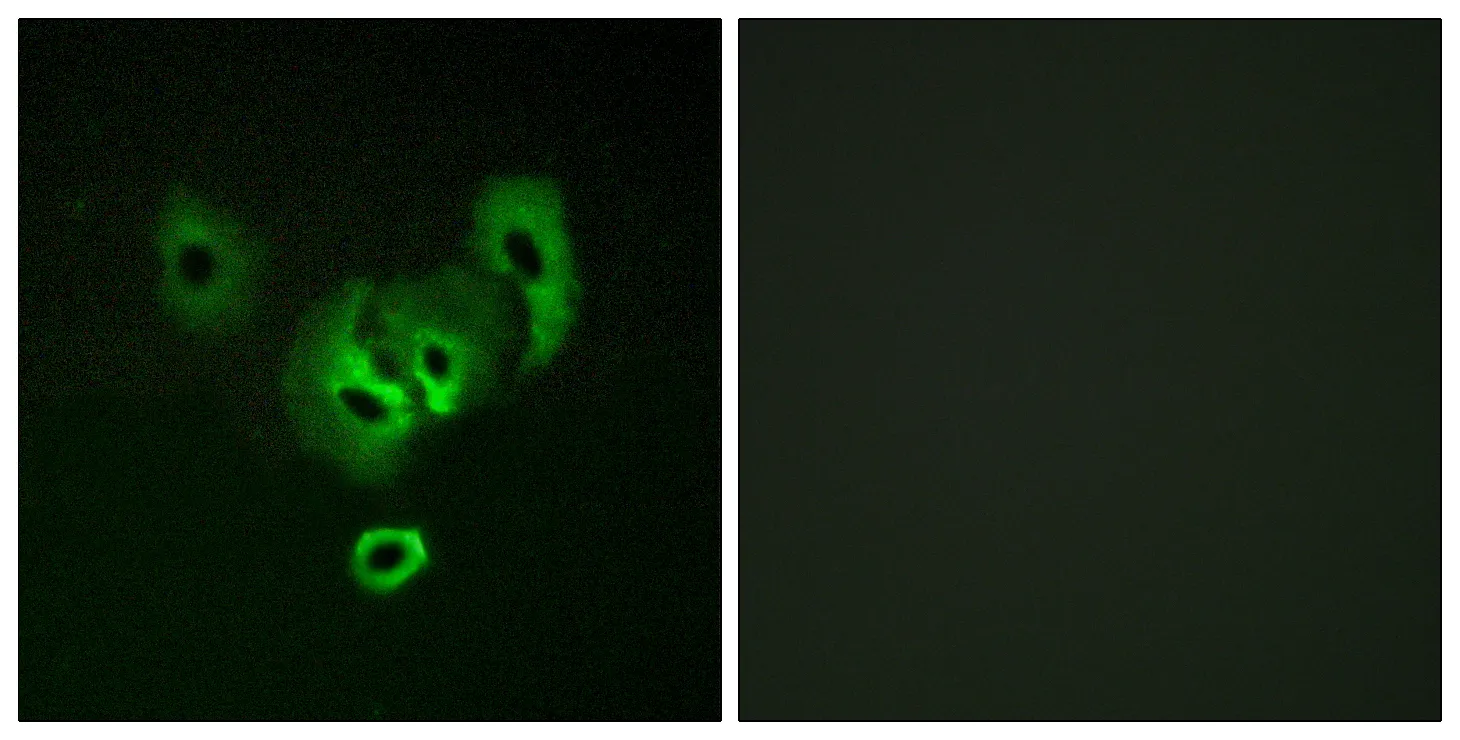
| アプリケーション | WB,IHC,ICC/IF,ELISA |
| 希釈倍率 | WB 1:500-1:2000,IHC 1:100-1:300,ICC/IF 1:50-1:200,ELISA 1:5000-1:10000 |
| 分子量 | 85-110kDa |
研究分野
| Protein_Acetylation |
背景
| この遺伝子は、酵母Sir2タンパク質のホモログであるサーチュインファミリータンパク質のメンバーをコードします。サーチュインファミリーのメンバーはサーチュインコアドメインを特徴とし、4つのクラスに分類されます。ヒトサーチュインの機能はまだ解明されていませんが、酵母サーチュインタンパク質はエピジェネティックな遺伝子サイレンシングを制御し、rDNAの組換えを抑制することが知られています。研究によると、ヒトサーチュインはモノADPリボシルトランスフェラーゼ活性を持つ細胞内調節タンパク質として機能する可能性が示唆されています。この遺伝子によってコードされるタンパク質は、サーチュインファミリーのクラスIに分類されます。選択的スプライシングにより、複数の転写産物バリアントが生じます。 [RefSeq提供、2008年12月],触媒活性:NAD(+) + アセチルタンパク質 = ニコチンアミド + O-アセチルADPリボース + タンパク質。,補因子:サブユニットあたり1個の亜鉛イオンと結合。,酵素調節:ニコチンアミドによって阻害される。レスベラトロール(3,5,4'-トリヒドロキシ-トランス-スチルベン)、ブテイン(3,4,2',4'-テトラヒドロキシカルコン)、ピセアタンノール(3,5,3',4'-テトラヒドロキシ-トランス-スチルベン)、イソリキリチゲニン(4,2',4'-トリヒドロキシカルコン)、フィセチン(3,7,3',4'-テトラヒドロキシフラボン)、ケルセチン(3,5,7,3',4'-ペンタヒドロキシフラボン)によって活性化される。 RPS19BP1/AROS は、脱アセチル化活性の正の調節因子として機能します。,機能:NAD 依存性脱アセチル化酵素は、主要なタンパク質を脱アセチル化することで、アポトーシスや筋肉分化などのプロセスを制御し、p53/TP53 の 'Lys-382' を脱アセチル化し、プロアポトーシス プログラムを誘導して細胞老化を調整する能力を損ないます。TAF1B を脱アセチル化し、それによって RNA ポリメラーゼ I による rDNA 転写を抑制します。HES1 および HEY2 を介した転写抑制に関与しています。PCAF および MYOD1 を脱アセチル化することで、骨格筋の分化を阻害します。骨格筋細胞の分化に不可欠な、細胞質 NAD(+)/NADH 比のセンサーとして機能する可能性があります。in vitro ではヒストンを脱アセチル化する能力がある程度ありますが、in vivo ではそのような活性は弱いか、まったくありません。 HIV-1感染の場合、ウイルスのTatタンパク質と相互作用し、脱アセチル化します。,その他:レスベラトロールを含む赤ワインは、サーチュインタンパク質の活性化に関与し、酵母で観察されているように、寿命延長に関与している可能性があります。,類似性:サーチュインファミリーに属します。,類似性:1つの脱アセチル化酵素サーチュイン型ドメインを含みます。,細胞内局在:PMLとの相互作用を介して核小体にリクルートされます。,サブユニット:TAF1Bと相互作用します。PCAFおよびMYOD1との複合体として存在します(類似性による)。MLLT7/FOXO4、HES1、HEY2、p53/TP53、およびPMLと相互作用します。RPS19BP1/AROSと相互作用します。,組織特異性:広く発現しています。, |