

SH3TC2ウサギポリクローナル抗体
コンジュゲーション: 非共役
ウサギポリクローナル抗体
アプリケーション
反応性
ヒト、ラット、マウス
遺伝子名
SH3TC2
保存
小分けして-20℃で保存してください(12ヶ月間有効)。凍結融解サイクルは避けてください。
要約
| 製品名 | SH3TC2ウサギポリクローナル抗体 |
| 説明 | ウサギポリクローナル抗体 |
| 宿主 | うさぎ |
| 反応性 | ヒト、ラット、マウス |
| コンジュゲーション | 非共役 |
| 修飾 | 未修正 |
| アイソタイプ | IgG |
| クローン性 | ポリクローナル |
| 形態 | 液体 |
| 濃度 | 非共役 |
| 保存 | 小分けして-20℃で保存してください(12ヶ月間有効)。凍結融解サイクルは避けてください。 |
| 配送 | 氷嚢。 |
| バッファー | 50% グリセロール、0.5% 保護タンパク質、0.02% 新タイプ防腐剤 N を含む PBS 液。 |
| 精製 | アフィニティー精製 |
抗原情報
| 遺伝子名 | SH3TC2 |
| 別名 | SH3TC2; KIAA1985; PP12494; SH3 domain and tetratricopeptide repeat-containing protein 2 |
| 遺伝子ID | 79628 |
| SwissProt ID | Q8TF17 |
| 免疫原 | 抗血清はヒトSH3TC2由来の合成ペプチドに対して作製された。アミノ酸範囲:390-430 |
アプリケーション
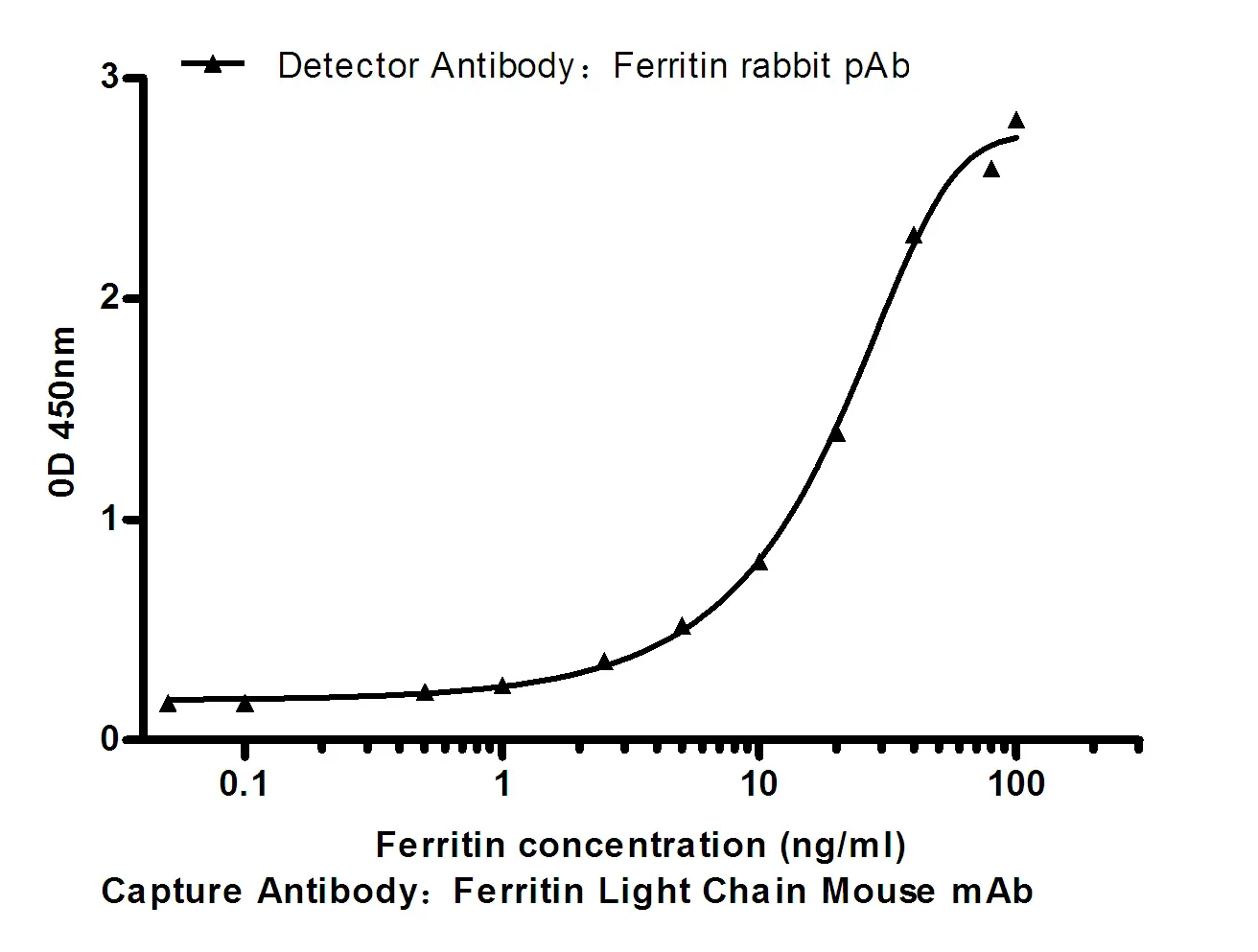
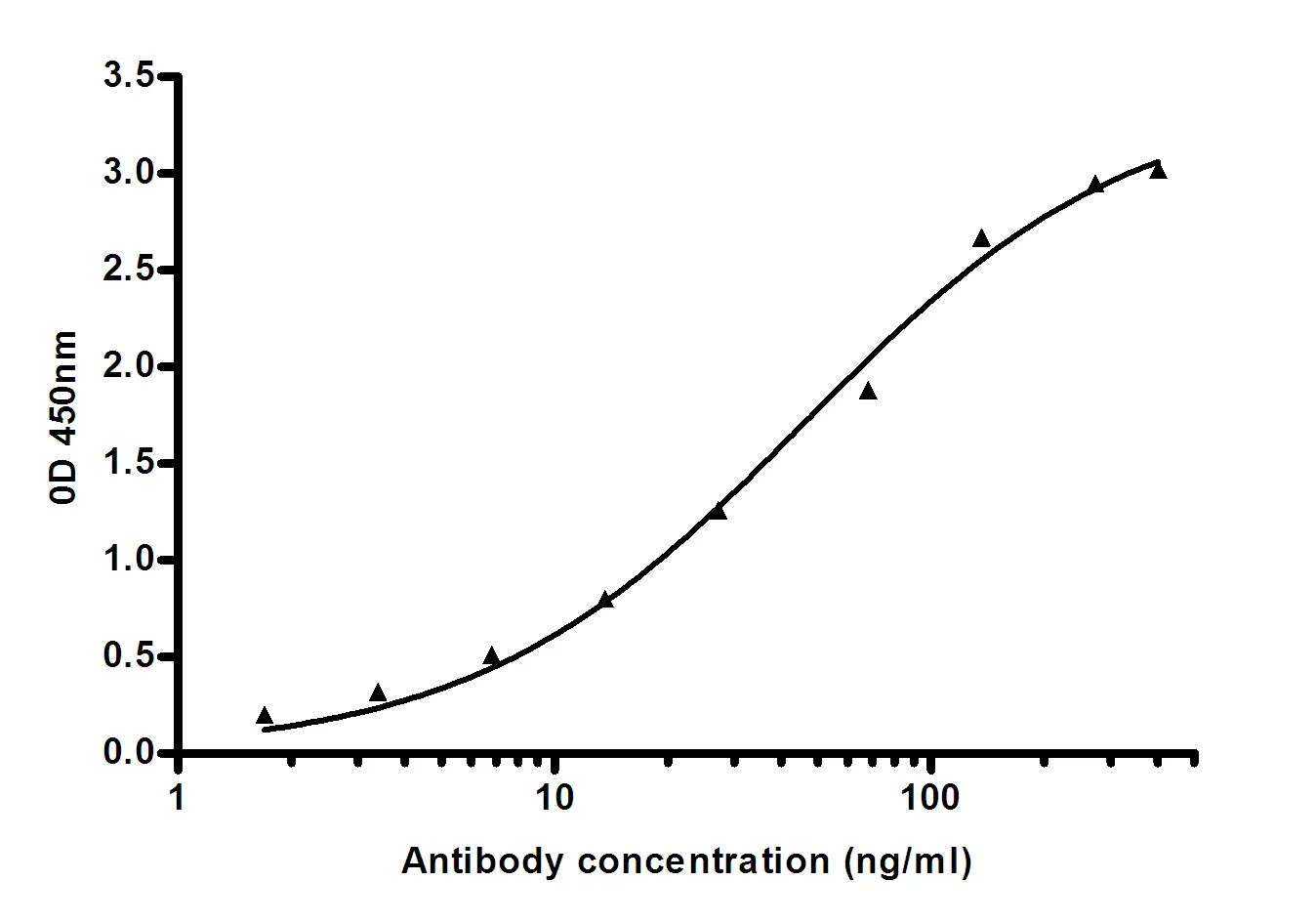
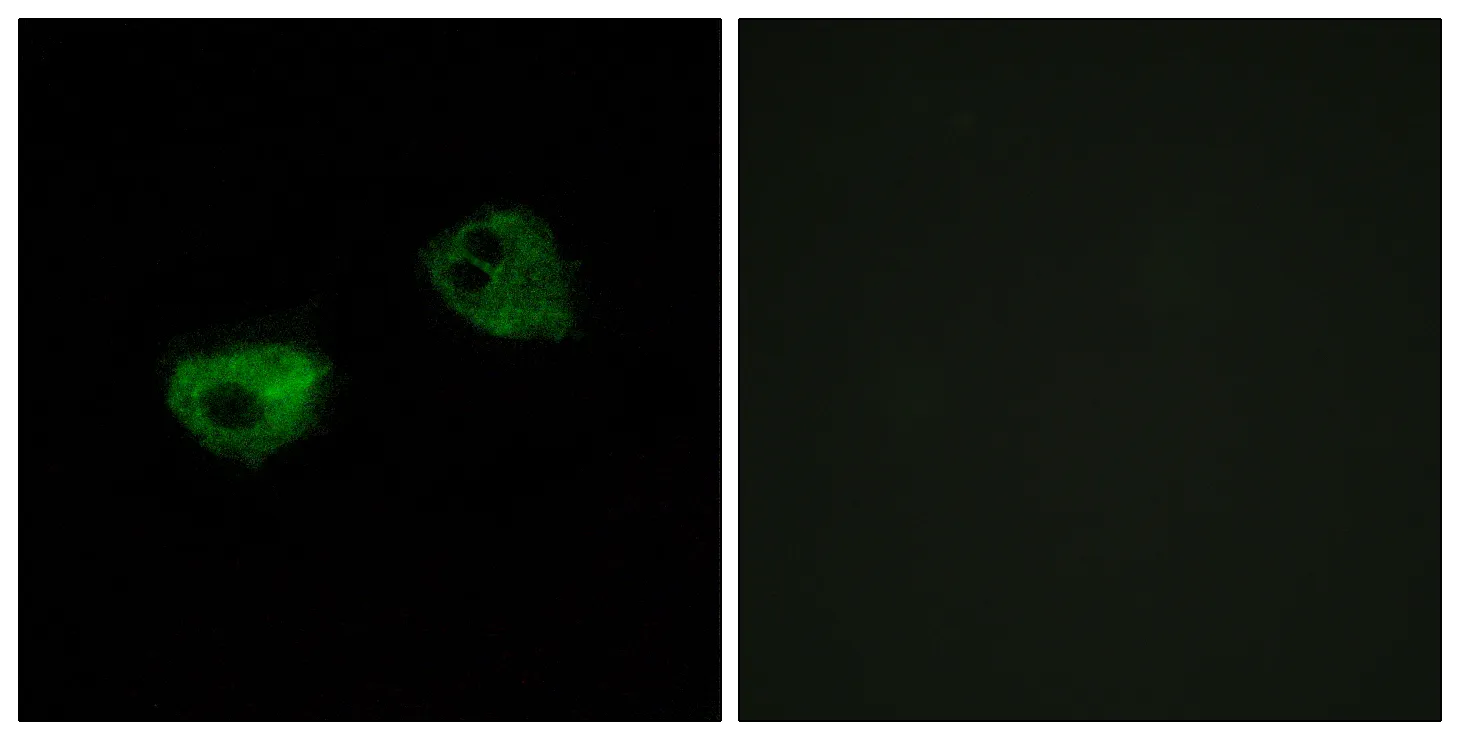
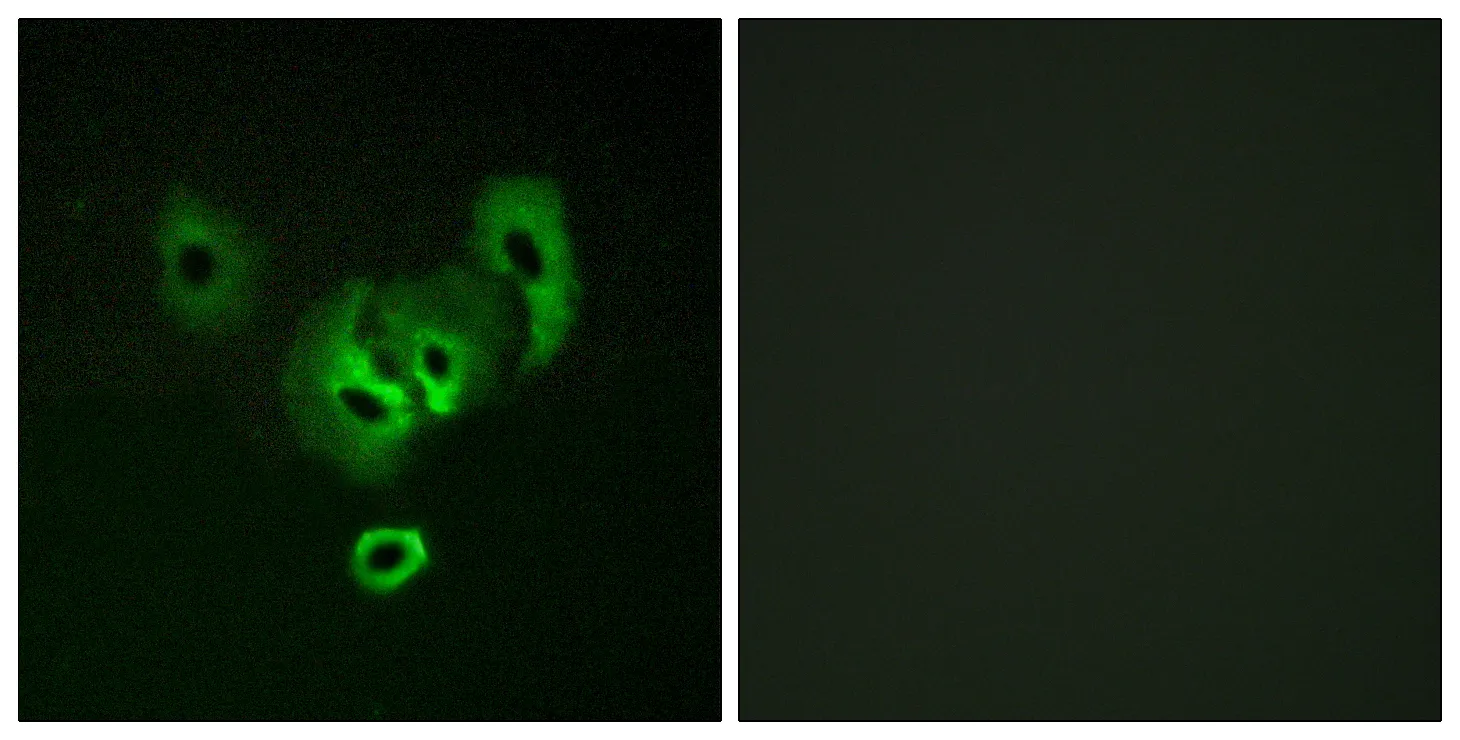
| アプリケーション | IHC,ICC/IF,ELISA |
| 希釈倍率 | IHC 1:100-1:300,ICC/IF 1:50-1:200,ELISA 1:20000-1:40000 |
| 分子量 | - |
研究分野
| Neuroscience; Cell Type Marker; Neuron marker; Axon marker |
背景
| この遺伝子は、N末端に2つのSrcホモロジー3(SH3)ドメインと10個のテトラトリコペプチドリピート(TPR)モチーフを持つタンパク質をコードし、小規模な遺伝子ファミリーのメンバーです。この遺伝子産物は、アダプター分子またはドッキング分子であることが提案されています。この遺伝子の変異は、常染色体劣性遺伝性のシャルコー・マリー・トゥース病4C型を引き起こします。シャルコー・マリー・トゥース病4C型は、運動ニューロンと感覚ニューロンの脱髄を特徴とする小児期発症の神経変性疾患です。[RefSeq提供、2008年7月],疾患:SH3TC2の欠陥がシャルコー・マリー・トゥース病4C型(CMT4C)の原因です[MIM:601596]。CMT4Cは、末梢神経系の最も一般的な遺伝性疾患であるシャルコー・マリー・トゥース病の劣性遺伝型です。シャルコー・マリー・トゥース病は、電気生理学的特性と組織病理学に基づき、原発性末梢脱髄性ニューロパチーと原発性末梢軸索性ニューロパチーの2つの主要なグループに分類されます。脱髄性CMTニューロパチーは、神経伝導速度の著しい低下(38 m/秒未満)、神経生検におけるタマネギ球状化を伴う分節性脱髄および再髄鞘化、緩徐に進行する遠位筋萎縮および筋力低下、深部腱反射の消失、および空洞足を特徴とします。慣例により、脱髄性シャルコー・マリー・トゥース病の常染色体劣性遺伝形式はCMT4と呼ばれます。CMT4Cは、小児期の発症、早期発症の側弯症、および明確なシュワン細胞病理を特徴とします。,類似性:1つのSH3ドメインを含みます。,類似性:8つのTPRリピートを含みます。,組織特異性:脳と脊髄で強く発現します。脊髄と坐骨神経で同等の発現を示す。横紋筋では弱い発現を示す。 |