

SH-PTP2 (phospho Tyr580) Rabbit Polyclonal Antibody

SH-PTP2 (phospho Tyr580) Rabbit Polyclonal Antibody

Cat: APRab05428
Boyut:20μL Fiyat:$99_x000D_
Boyut:50μL Fiyat:$118_x000D_
Boyut:100μL Fiyat:$220_x000D_
Boyut:200μL Fiyat:$380_x000D_
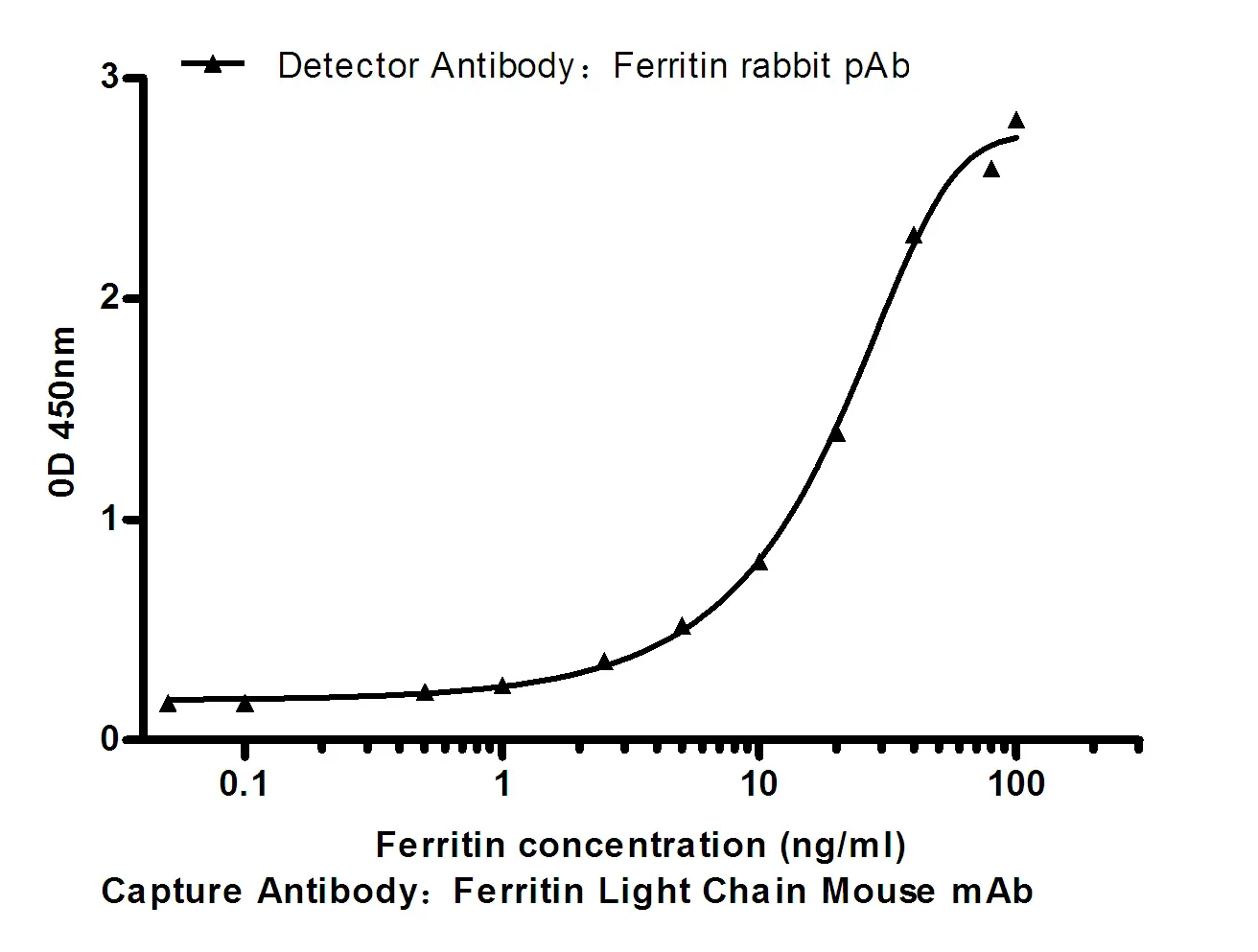
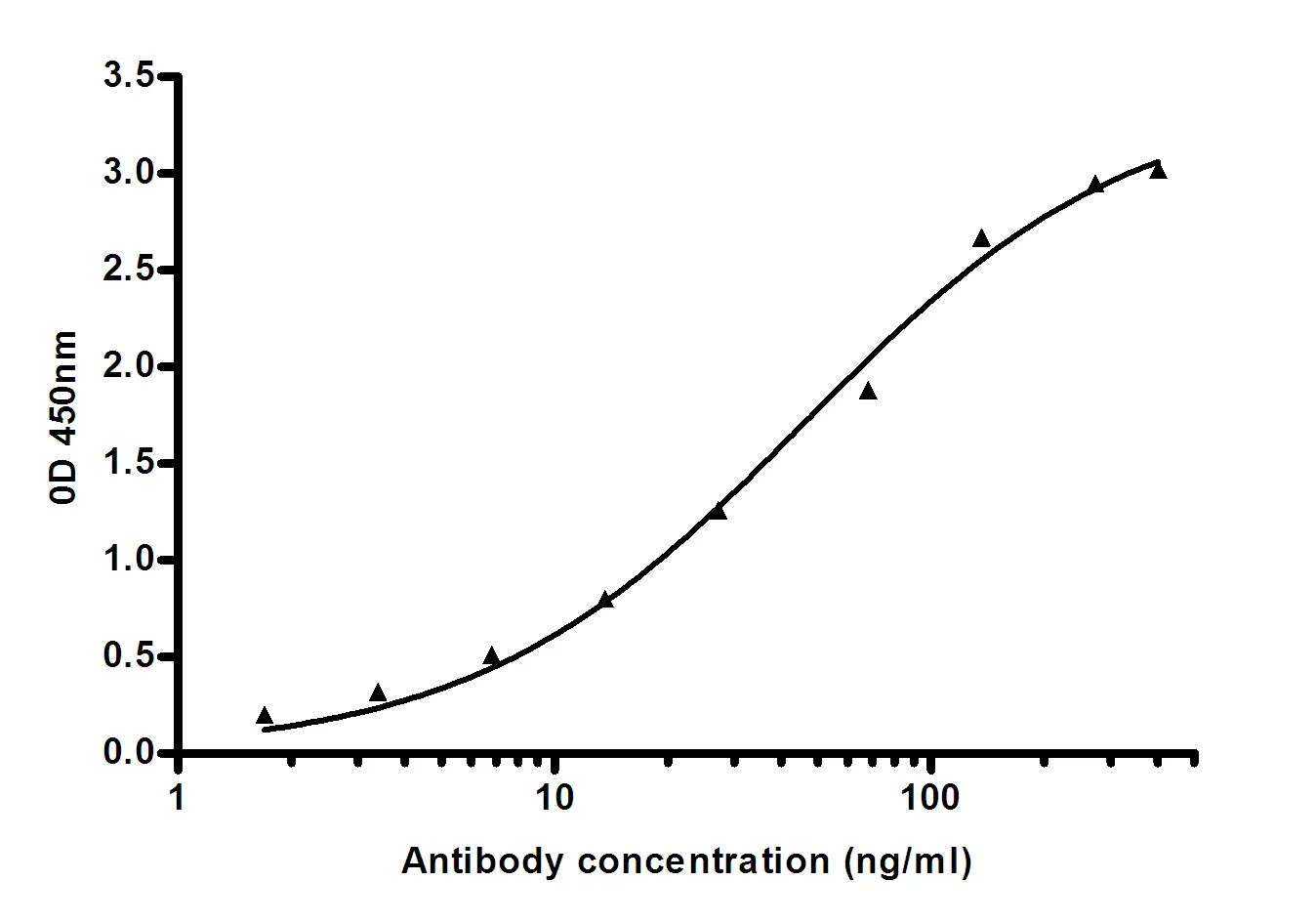
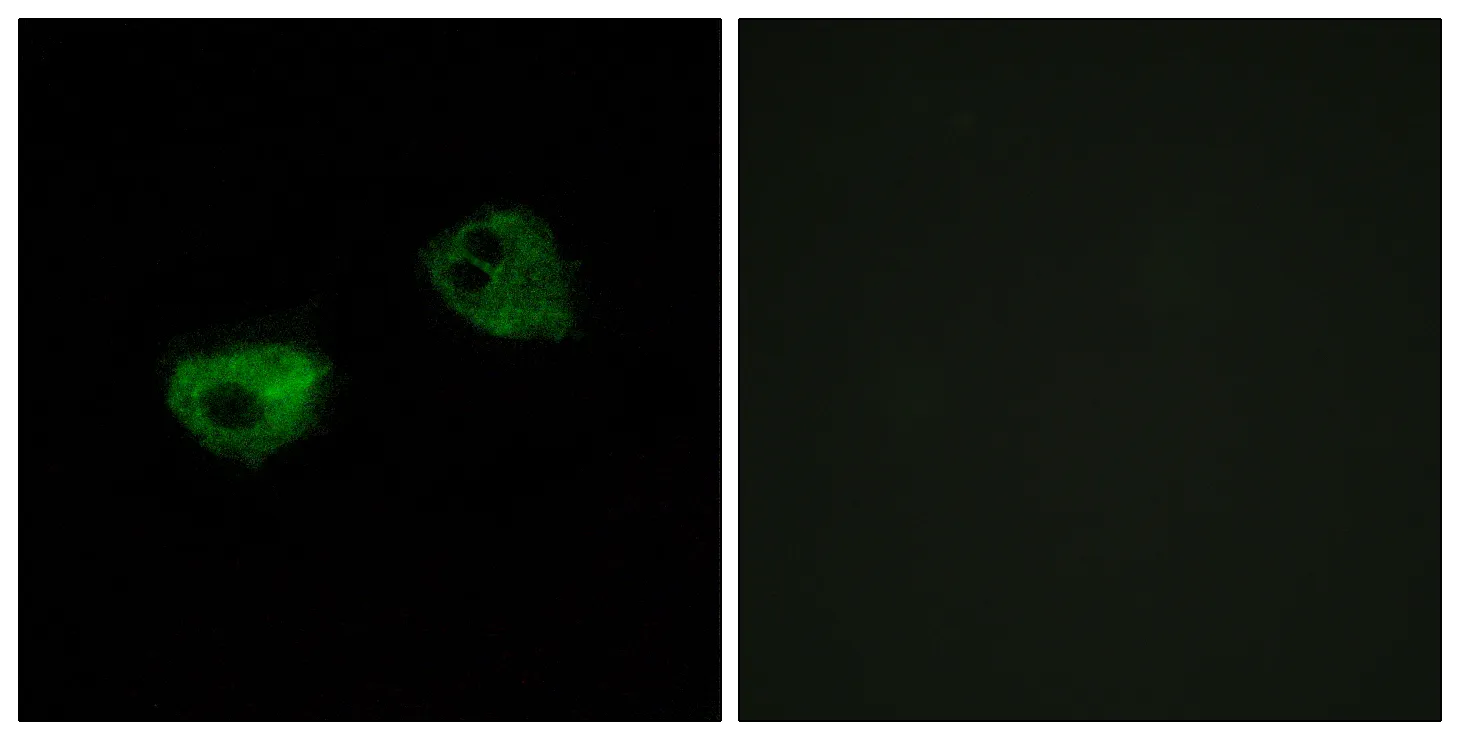
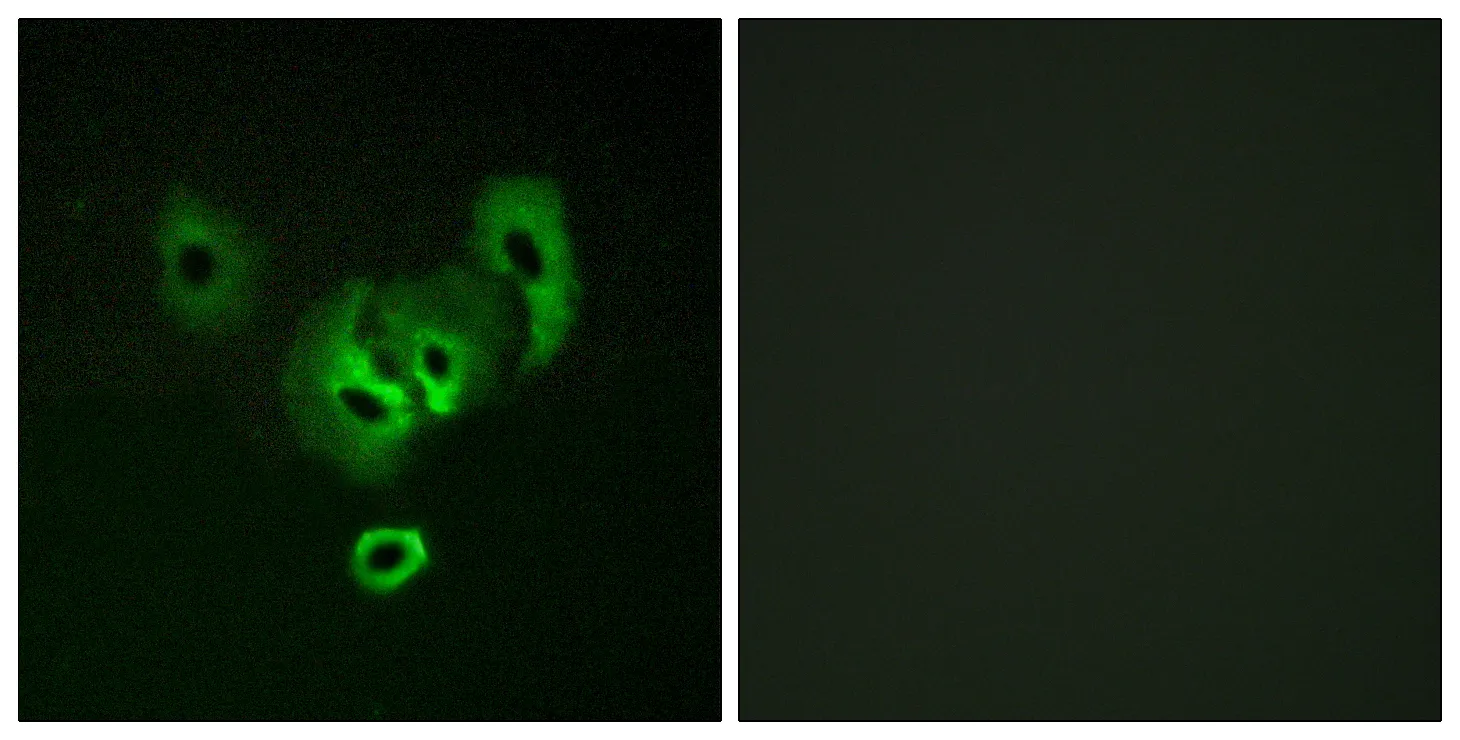
Uygulama:WB,IHC,ICC/IF,ELISA
Reaktivite:Human,Mouse,Rat
Konjuge:Unconjugated
İsteğe bağlı konjugeler: Biotin, FITC (ücretsiz). Diğer 26 konjugatı görün.

Gen Adı:PTPN11
Category: ポリクローナル抗体 Tags: , , , , , , , , , ,
SH-PTP2 (phospho Tyr580) Rabbit Polyclonal Antibody
Konjugasyon: Unconjugated
Rabbit polyclonal Antibody
Uygulama
IHC  ICC/IF  ELISA WB,IHC,ICC/IF,ELISA
Reaktivite
Human,Mouse,Rat
Gen Adı
PTPN11
Saklama
Aliquot and store at -20°C (valid for 12 months). Avoid freeze/thaw cycles.
Özet
Ürün Adı SH-PTP2 (phospho Tyr580) Rabbit Polyclonal Antibody
Açıklama Rabbit polyclonal Antibody
Konak Rabbit
Reaktivite Human,Mouse,Rat
Konjugasyon Unconjugated
Modifikasyon Phosphorylated
İzotip IgG
Klonalite Polyclonal
Form Liquid
Konsantrasyon Unconjugated
Saklama Aliquot and store at -20°C (valid for 12 months). Avoid freeze/thaw cycles.
Nakliye Ice bags.
Tampon Liquid in PBS containing 50% glycerol, 0.5% protective protein and 0.02% New type preservative N.
Saflaştırma Affinity purification
Antijen Bilgisi
Gen Adı PTPN11
Alternatif İsimler PTPN11; PTP2C; SHPTP2; Tyrosine-protein phosphatase non-receptor type 11; Protein-tyrosine phosphatase 1D; PTP-1D; Protein-tyrosine phosphatase 2C; PTP-2C; SH-PTP2; SHP-2; Shp2; SH-PTP3
Gen Kimliği 5781
SwissProt Kimliği Q06124
İmmünojen The antiserum was produced against synthesized peptide derived from human SHP-2 around the phosphorylation site of Tyr580. AA range:546-595
Uygulama
Uygulama WB,IHC,ICC/IF,ELISA
Seyreltme Oranı WB 1:500-1:2000,IHC 1:100-1:300,ICC/IF 1:50-1:200,ELISA 1:20000-1:40000
Moleküler Ağırlık 70kDa
Araştırma Alanı
Insulin Receptor; B Cell Receptor; MAPK; Protein_Acetylation
Arka Plan
The protein encoded by this gene is a member of the protein tyrosine phosphatase (PTP) family. PTPs are known to be signaling molecules that regulate a variety of cellular processes including cell growth, differentiation, mitotic cycle, and oncogenic transformation. This PTP contains two tandem Src homology-2 domains, which function as phospho-tyrosine binding domains and mediate the interaction of this PTP with its substrates. This PTP is widely expressed in most tissues and plays a regulatory role in various cell signaling events that are important for a diversity of cell functions, such as mitogenic activation, metabolic control, transcription regulation, and cell migration. Mutations in this gene are a cause of Noonan syndrome as well as acute myeloid leukemia. [provided by RefSeq, Aug 2016],catalytic activity:Protein tyrosine phosphate + H(2)O = protein tyrosine + phosphate.,disease:Defects in PTPN11 are a cause of juvenile myelomonocytic leukemia (JMML) [MIM:607785]. JMML is a pediatric myelodysplastic syndrome that constitutes approximately 30% of childhood cases of myelodysplastic syndrome (MDS) and 2% of leukemia. It is characterized by leukocytosis with tissue infiltration and in vitro hypersensitivity of myeloid progenitors to granulocyte-macrophage colony stimulating factor.,disease:Defects in PTPN11 are a cause of Noonan-like syndrome [MIM:163955]; also known as Noonan-like/multiple giant cell lesion syndrome. It is an autosomal dominant disorder characterized by Noonan features associates with giant cell lesions of bone and soft tissue.,disease:Defects in PTPN11 are the cause of LEOPARD syndrome [MIM:151100]. It is an autosomal dominant disorder allelic with Noonan syndrome. The acronym LEOPARD stands for lentigines, electrocardiographic conduction abnormalities, ocular hypertelorism, pulmonic stenosis, abnormalities of genitalia, retardation of growth, and deafness.,disease:Defects in PTPN11 are the cause of Noonan syndrome 1 (NS1) [MIM:163950]. Noonan syndrome (NS) is a disorder characterized by dysmorphic facial features, short stature, hypertelorism, cardiac anomalies, deafness, motor delay, and a bleeding diathesis. It is a genetically heterogeneous and relatively common syndrome, with an estimated incidence of 1 in 1000-2500 live births. Mutations in PTPN11 account for more than 50% of the cases. Rarely, NS is associated with juvenile myelomonocytic leukemia (JMML). NS1 inheritance is autosomal dominant.,domain:The SH2 domains repress phosphatase activity. Binding of these domains to phosphotyrosine-containing proteins relieves this auto-inhibition, possibly by inducing a conformational change in the enzyme.,function:Acts downstream of various receptor and cytoplasmic protein tyrosine kinases to participate in the signal transduction from the cell surface to the nucleus.,PTM:Phosphorylated on Tyr-546 and Tyr-584 upon receptor protein tyrosine kinase activation; which creates a binding site for GRB2 and other SH2-containing proteins.,similarity:Belongs to the protein-tyrosine phosphatase family. Non-receptor class 2 subfamily.,similarity:Contains 1 tyrosine-protein phosphatase domain.,similarity:Contains 2 SH2 domains.,subunit:Interacts with phosphorylated LIME1 and BCAR3. Interacts with SHB and INPP5D/SHIP1 (By similarity). Interacts with PTPNS1 and CD84. Interacts with phosphorylated SIT1 and MPZL1. Interacts with FCRL3, FCRL4, FCRL6 and ANKHD1.,tissue specificity:Widely expressed, with highest levels in heart, brain, and skeletal muscle.,
   💬 WhatsApp