

Rhodopsin (phospho Ser334) Rabbit Polyclonal Antibody

Rhodopsin (phospho Ser334) Rabbit Polyclonal Antibody

Cat: APRab05370
Boyut:20μL Fiyat:$99_x000D_
Boyut:50μL Fiyat:$118_x000D_
Boyut:100μL Fiyat:$220_x000D_
Boyut:200μL Fiyat:$380_x000D_
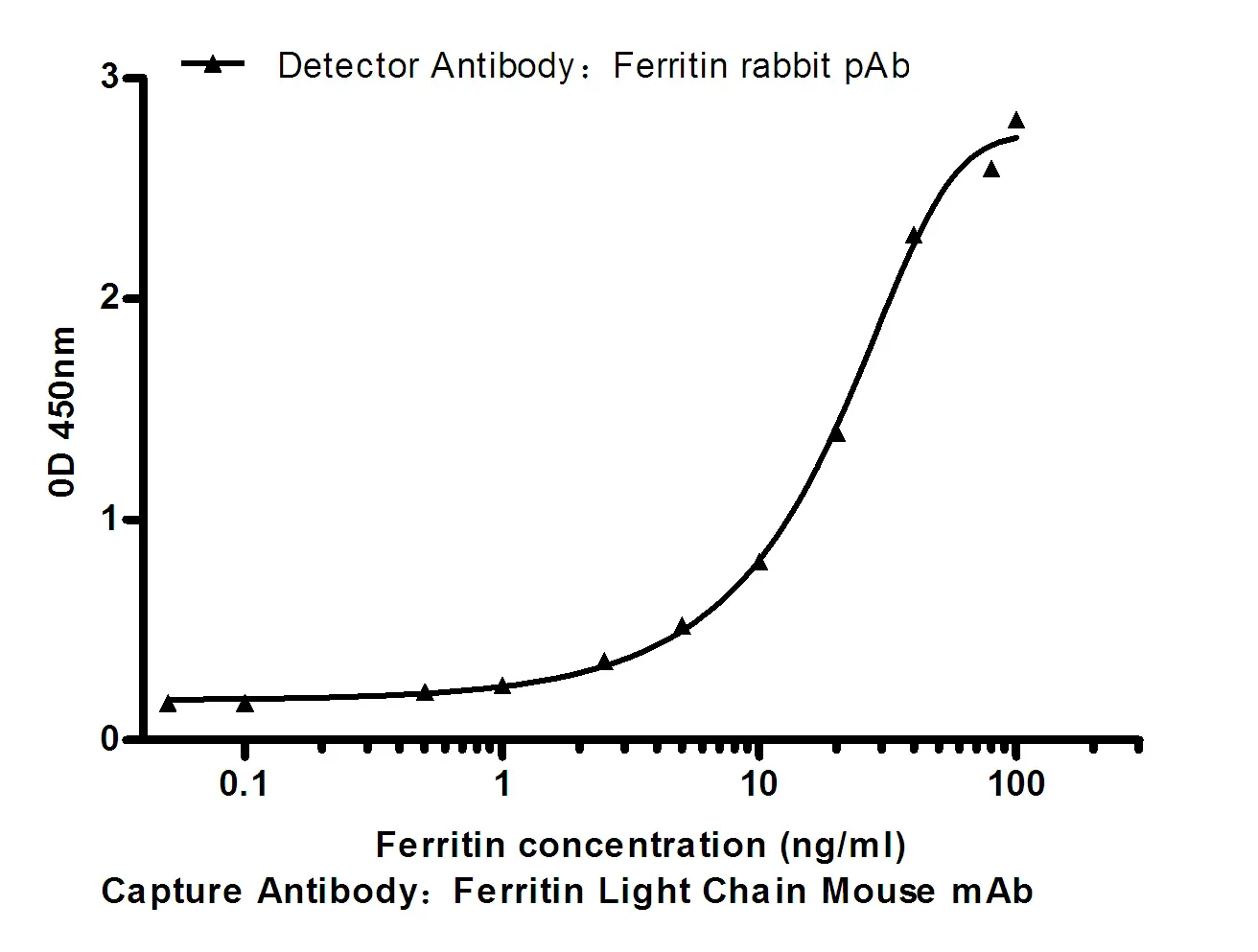
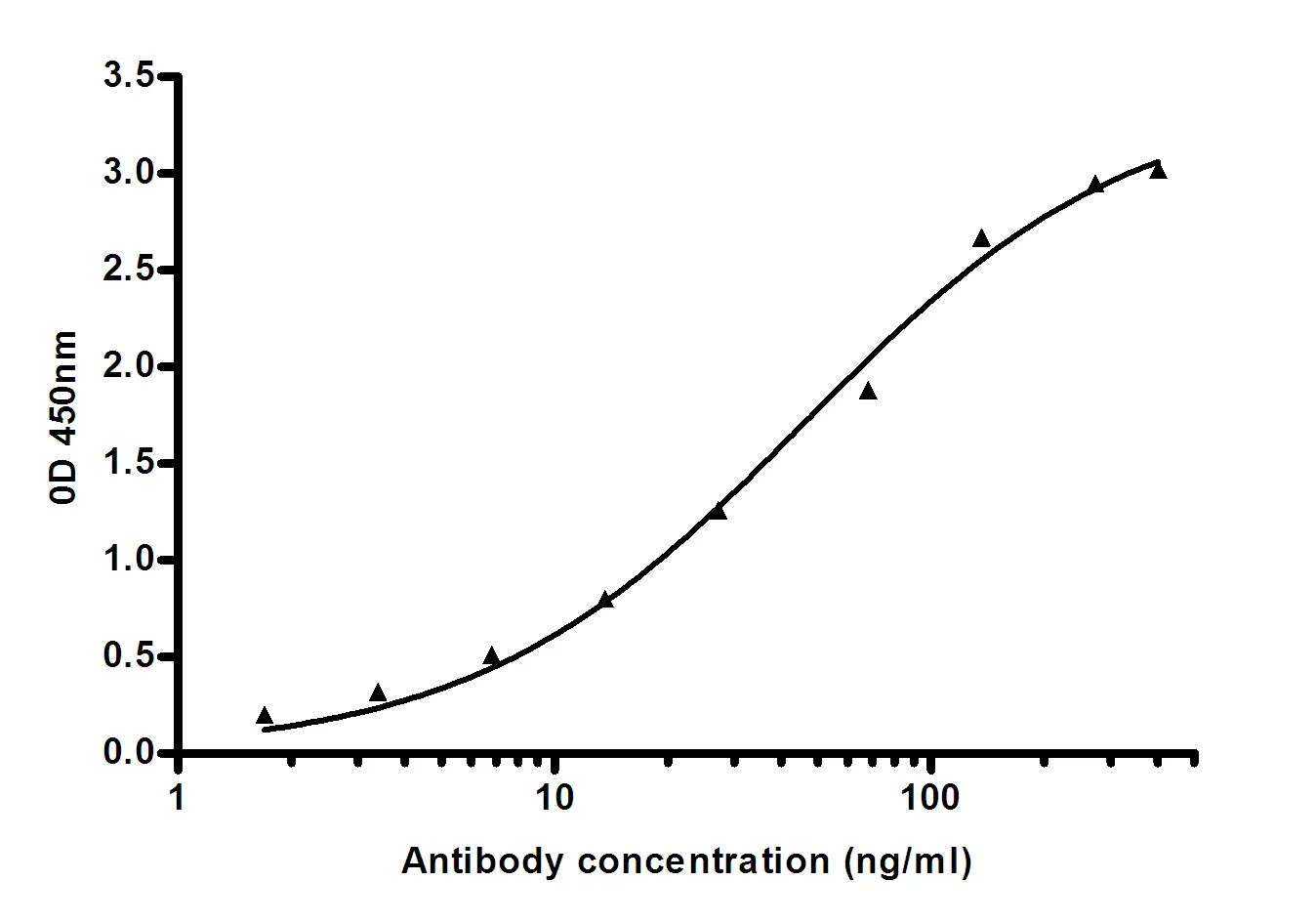
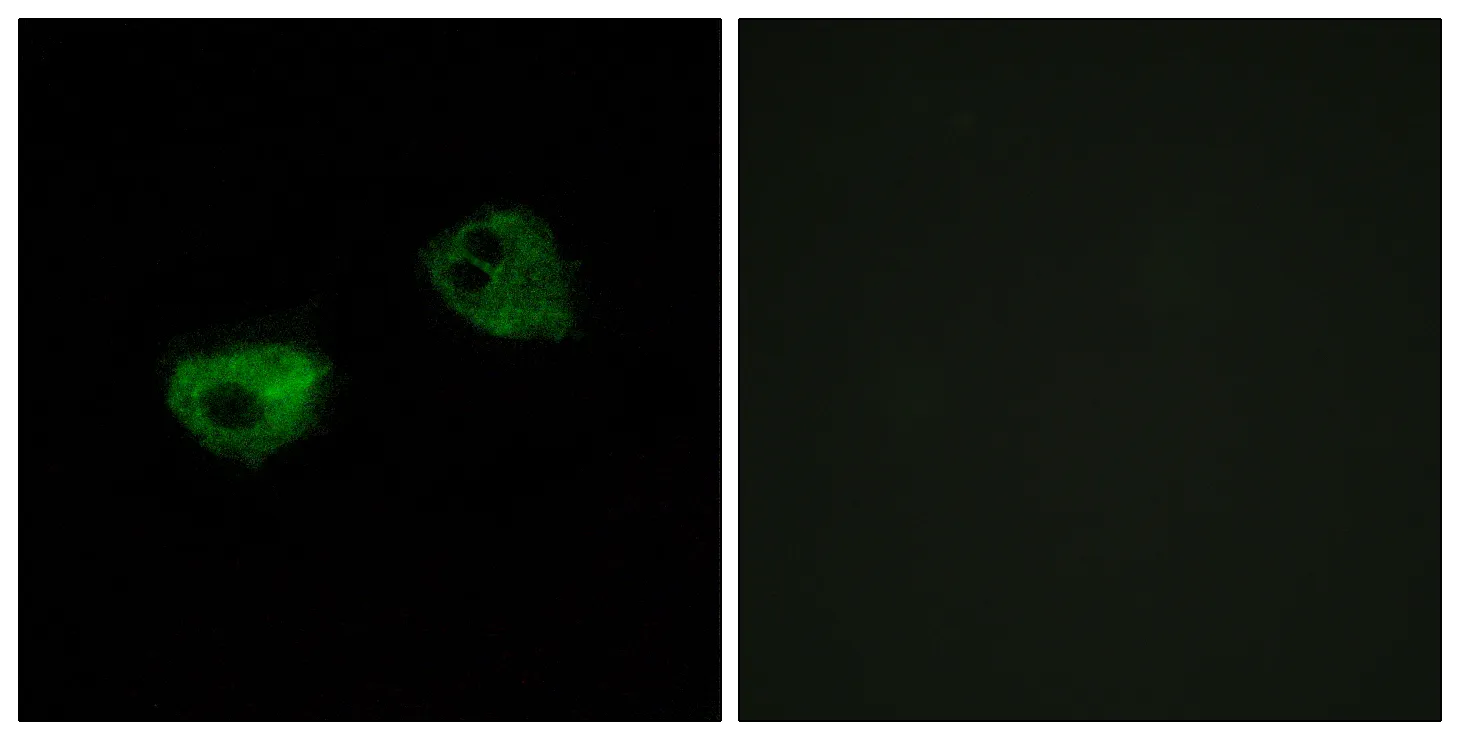
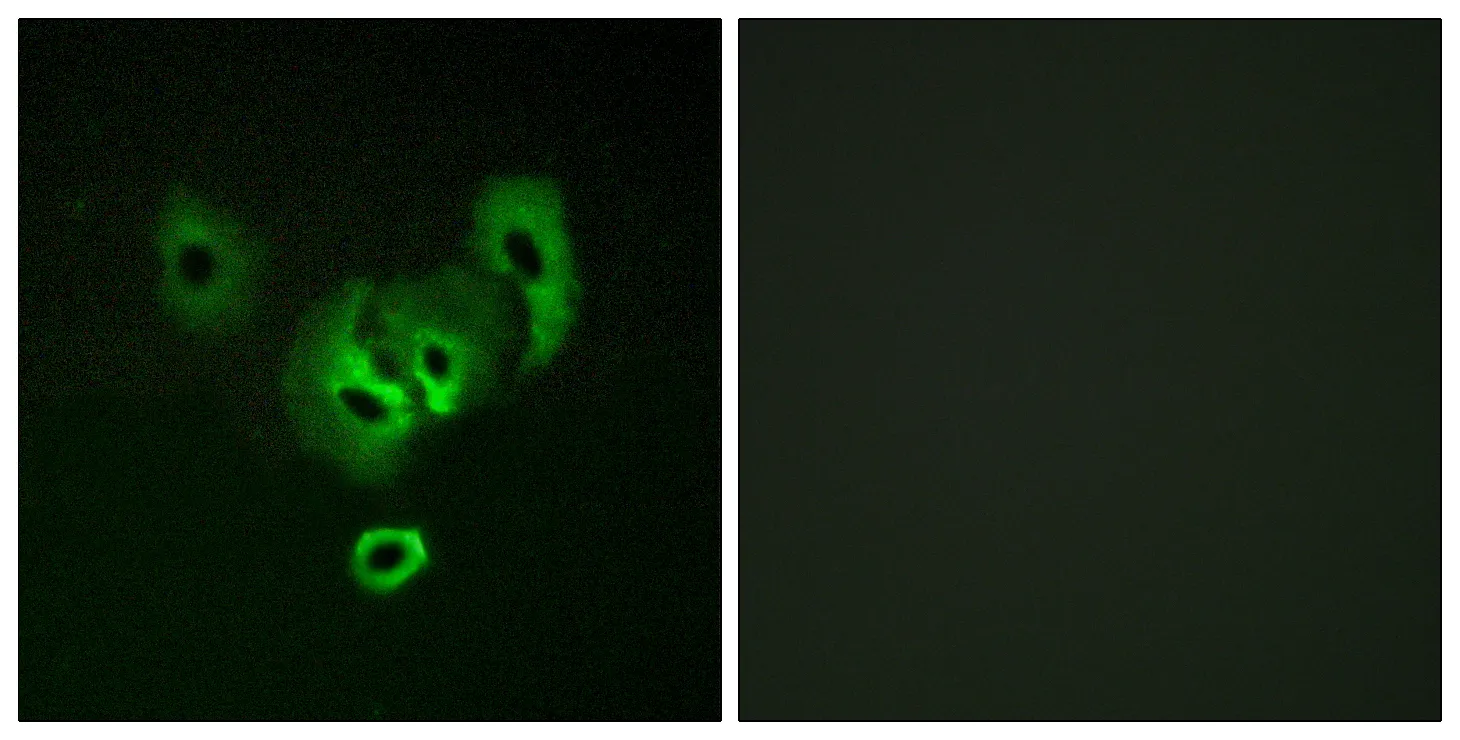
Uygulama:IHC,ICC/IF,ELISA
Reaktivite:Human,Mouse,Rat
Konjuge:Unconjugated
İsteğe bağlı konjugeler: Biotin, FITC (ücretsiz). Diğer 26 konjugatı görün.

Gen Adı:RHO
Category: ポリクローナル抗体 Tags: , , , , , , , , ,
Rhodopsin (phospho Ser334) Rabbit Polyclonal Antibody
Konjugasyon: Unconjugated
Rabbit polyclonal Antibody
Uygulama
IHC  ICC/IF  ELISA IHC,ICC/IF,ELISA
Reaktivite
Human,Mouse,Rat
Gen Adı
RHO
Saklama
Aliquot and store at -20°C (valid for 12 months). Avoid freeze/thaw cycles.
Özet
Ürün Adı Rhodopsin (phospho Ser334) Rabbit Polyclonal Antibody
Açıklama Rabbit polyclonal Antibody
Konak Rabbit
Reaktivite Human,Mouse,Rat
Konjugasyon Unconjugated
Modifikasyon Phosphorylated
İzotip IgG
Klonalite Polyclonal
Form Liquid
Konsantrasyon Unconjugated
Saklama Aliquot and store at -20°C (valid for 12 months). Avoid freeze/thaw cycles.
Nakliye Ice bags.
Tampon Liquid in PBS containing 50% glycerol, 0.5% protective protein and 0.02% New type preservative N.
Saflaştırma Affinity purification
Antijen Bilgisi
Gen Adı RHO
Alternatif İsimler RHO; OPN2; Rhodopsin; Opsin-2
Gen Kimliği 6010
SwissProt Kimliği P08100
İmmünojen The antiserum was produced against synthesized peptide derived from human Rhodopsin around the phosphorylation site of Ser334. AA range:299-348
Uygulama
Uygulama IHC,ICC/IF,ELISA
Seyreltme Oranı IHC 1:100-1:300,ICC/IF 1:50-1:200,ELISA 1:5000-1:20000
Moleküler Ağırlık -
Araştırma Alanı
Regulation of Microtubule Dynamics; Regulation of Actin Dynamics; SAPK_JNK; B_Cell_Antigen
Arka Plan
Retinitis pigmentosa is an inherited progressive disease which is a major cause of blindness in western communities. It can be inherited as an autosomal dominant, autosomal recessive, or X-linked recessive disorder. In the autosomal dominant form,which comprises about 25% of total cases, approximately 30% of families have mutations in the gene encoding the rod photoreceptor-specific protein rhodopsin. This is the transmembrane protein which, when photoexcited, initiates the visual transduction cascade. Defects in this gene are also one of the causes of congenital stationary night blindness. [provided by RefSeq, Jul 2008],disease:Defects in RHO are a cause of retinitis pigmentosa autosomal recessive (ARRP) [MIM:268000].,disease:Defects in RHO are the cause of congenital stationary night blindness autosomal dominant type 1 (CSNBAD1) [MIM:610445]; also known as rhodopsin-related congenital stationary night blindness. Congenital stationary night blindness is a non-progressive retinal disorder characterized by impaired night vision.,disease:Defects in RHO are the cause of retinitis pigmentosa type 4 (RP4) [MIM:180380]. RP leads to degeneration of retinal photoreceptor cells. Patients typically have night vision blindness and loss of midperipheral visual field. As their condition progresses, they lose their far peripheral visual field and eventually central vision as well. RP4 inheritance is autosomal dominant.,function:Photoreceptor required for image-forming vision at low light intensity. Required for photoreceptor cell viability after birth. Light-induced isomerization of 11-cis to all-trans retinal triggers a conformational change leading to G-protein activation and release of all-trans retinal.,online information:Retina International's Scientific Newsletter,online information:Rhodopsin entry,online information:Rhodopsin mutations page,PTM:Phosphorylated on some or all of the serine and threonine residues present in the C-terminal region.,similarity:Belongs to the G-protein coupled receptor 1 family. Opsin subfamily.,tissue specificity:Rod shaped photoreceptor cells which mediates vision in dim light.,
   💬 WhatsApp