

Rad9ウサギポリクローナル抗体
コンジュゲーション: 非共役
ウサギポリクローナル抗体
アプリケーション
反応性
ヒト、ラット、マウス
遺伝子名
RAD9A
保存
小分けして-20℃で保存してください(12ヶ月間有効)。凍結融解サイクルは避けてください。
要約
| 製品名 | Rad9ウサギポリクローナル抗体 |
| 説明 | ウサギポリクローナル抗体 |
| 宿主 | うさぎ |
| 反応性 | ヒト、ラット、マウス |
| コンジュゲーション | 非共役 |
| 修飾 | 未修正 |
| アイソタイプ | IgG |
| クローン性 | ポリクローナル |
| 形態 | 液体 |
| 濃度 | 非共役 |
| 保存 | 小分けして-20℃で保存してください(12ヶ月間有効)。凍結融解サイクルは避けてください。 |
| 配送 | 氷嚢。 |
| バッファー | 50% グリセロール、0.5% 保護タンパク質、0.02% 新タイプ防腐剤 N を含む PBS 液。 |
| 精製 | アフィニティー精製 |
抗原情報
| 遺伝子名 | RAD9A |
| 別名 | RAD9A; Cell cycle checkpoint control protein RAD9A; hRAD9; DNA repair exonuclease rad9 homolog A |
| 遺伝子ID | 5883 |
| SwissProt ID | Q96C41 |
| 免疫原 | 抗血清はヒトRAD9由来の合成ペプチドに対して作製された。アミノ酸範囲:257-306 |
アプリケーション
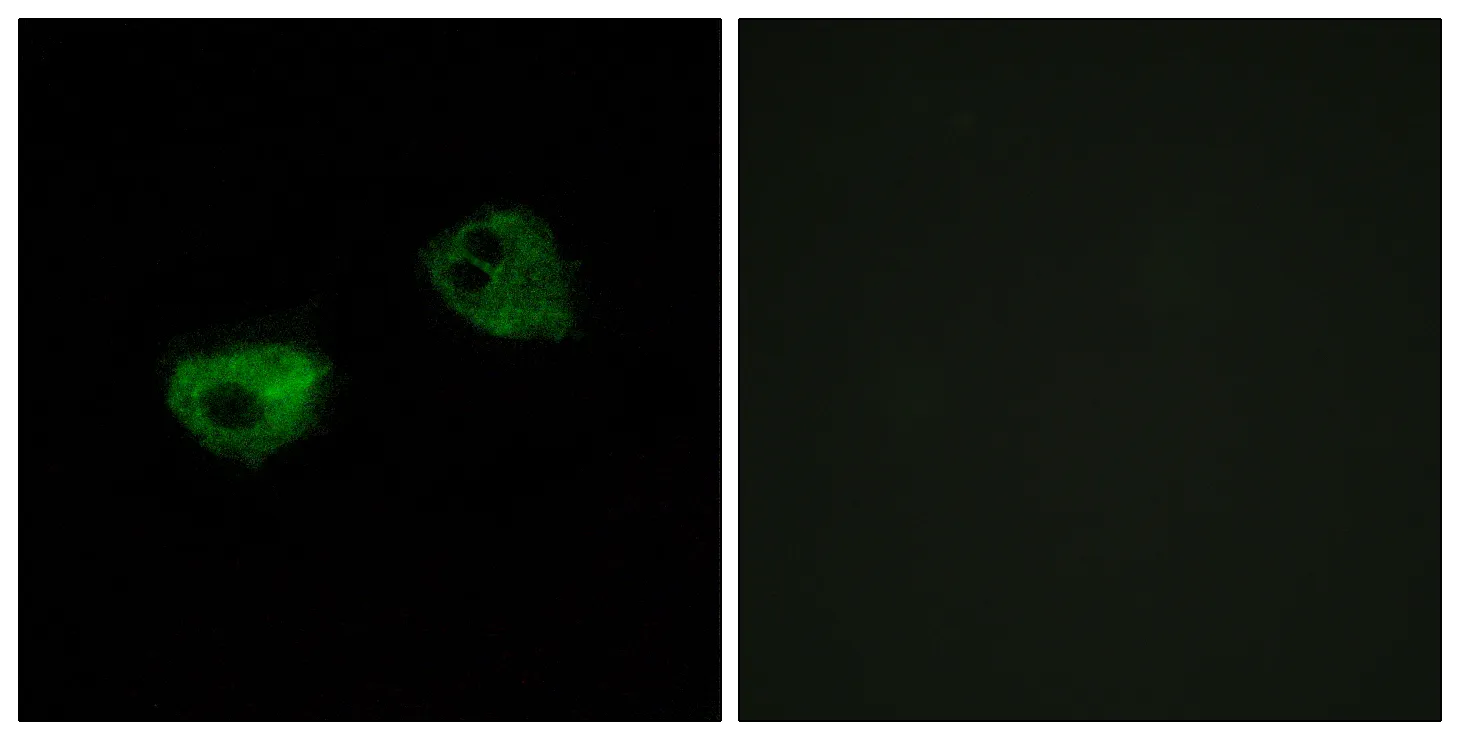
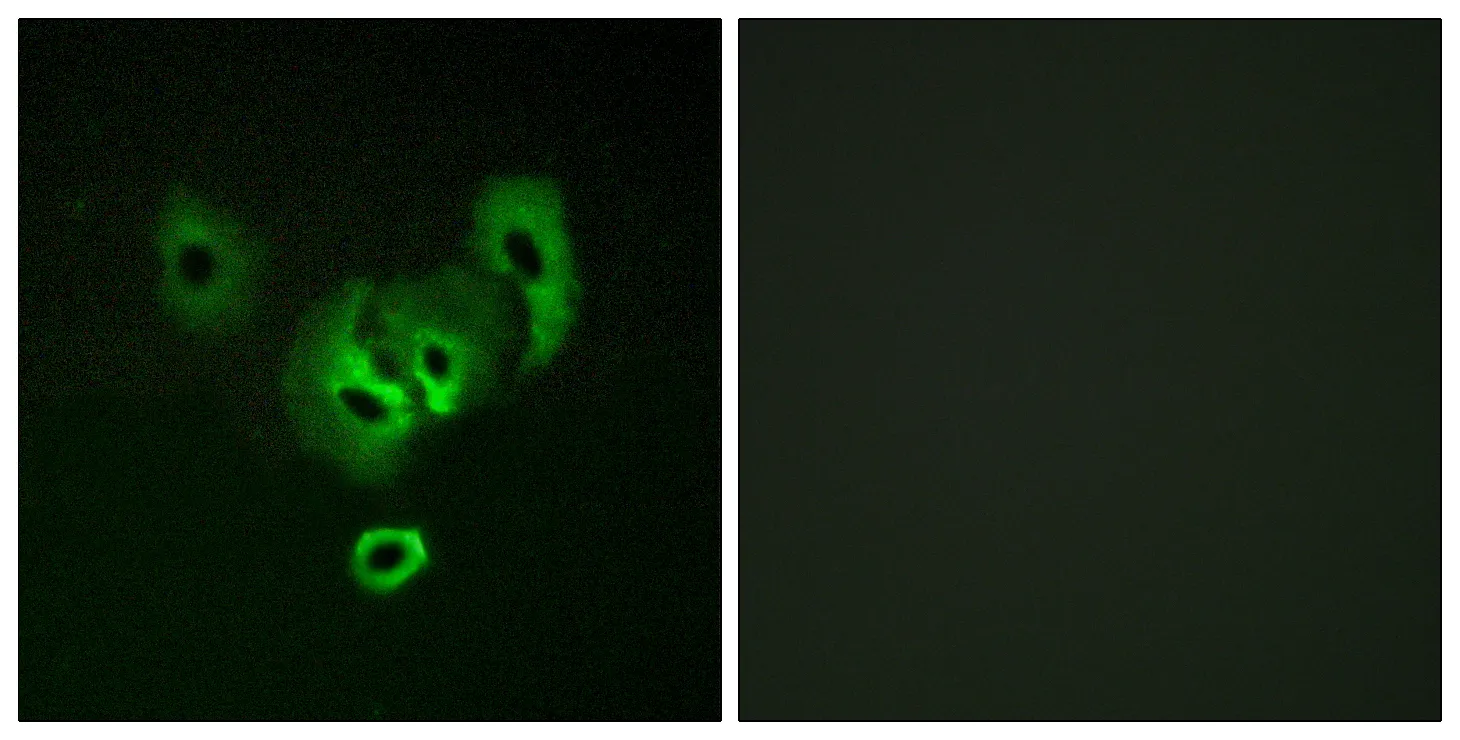
| アプリケーション | IHC,ICC/IF,ELISA |
| 希釈倍率 | IHC 1:100-1:300,ICC/IF 1:50-1:200,ELISA 1:5000-1:10000 |
| 分子量 | - |
研究分野
| Epigenetics and Nuclear Signaling; DNA / RNA; DNA Damage & Repair; DNA Damage Response; DNA Damage Recognition |
背景
| 触媒活性:3'から5'方向へのエキソヌクレアーゼ切断により、ヌクレオシド5'-リン酸が生成する。機能:DNA修復において主要な役割を果たす9-1-1細胞周期チェックポイント応答複合体の構成要素。9-1-1複合体は、RAD17-複製因子C(RFC)クランプローダー複合体による損傷時にDNA損傷部にリクルートされる。その後、ロングパッチ塩基除去修復(LP-BER)に関与するいくつかのタンパク質に対するDNA上でのスライディングクランププラットフォームとして機能する。9-1-1複合体は、プライマーテンプレートの3'-OH末端に対する親和性を高めることでDNAポリメラーゼベータ(POLB)活性を刺激し、LP-BERが進行する部位に対してPOLBを安定化させる。異なる配列および長さの二重、ニック、またはギャップフラップを持つ基質に対するエンドヌクレアーゼFEN1切断活性。およびDNAリガーゼI(LIG1)によるロングパッチ塩基除去修復基質へのリン酸化反応。RAD9Aは3'→5'二本鎖DNAエキソヌクレアーゼ活性を有する。PRKCDによるリン酸化は9-1-1複合体の形成に必要であると考えられる。,PTM:DNA損傷がない場合、セリンおよびスレオニンアミノ酸が恒常的にリン酸化される。DNA損傷があると、PRKCDおよびABL1によって過剰リン酸化される。PRKCDによるリン酸化は9-1-1複合体の形成に必要であると考えられる。,類似性:rad9ファミリーに属する。,サブユニット:RAD9A、RAD1、およびHUS1からなるトロイダル9-1-1(RAD9-RAD1-HUS1)複合体の構成要素。 9-1-1複合体は、LIG1、POLB、FEN1、RAD17、HDAC1、RPA1、およびRPA2と会合します。9-1-1複合体はRAD17-RFC複合体と会合します。RAD9Aは、BCL2L1、FEN1、PRKCD、RAD9B、HUS1、RAD1、ABL1、RPA1、ATAD5、およびRPA2と相互作用します。,触媒活性:3'から5'方向へのエキソヌクレアーゼによる切断により、ヌクレオシド5'-リン酸を生成します。,機能:DNA修復において主要な役割を果たす9-1-1細胞周期チェックポイント応答複合体の構成要素です。9-1-1複合体は、RAD17-複製因子C(RFC)クランプローダー複合体によってDNA損傷部位にリクルートされます。その後、ロングパッチ塩基除去修復(LP-BER)に関与するいくつかのタンパク質のためのDNA上でスライディングクランププラットフォームとして機能します。9-1-1複合体は、プライマーテンプレートの3'-OH末端への親和性を高めることでDNAポリメラーゼベータ(POLB)活性を刺激し、LP-BERが進行する部位に対してPOLBを安定化します。また、異なる配列および長さの二重、ニック、またはギャップフラップを持つ基質に対するエンドヌクレアーゼFEN1切断活性、およびロングパッチ塩基除去修復基質に対するDNAリガーゼI(LIG1)活性も備えています。RAD9Aは、3'->5'二本鎖DNAエキソヌクレアーゼ活性を有しています。PRKCDによるリン酸化は、9-1-1複合体の形成に必要であると考えられます。PTM:DNA損傷がない場合、セリンおよびスレオニンアミノ酸上で構成的にリン酸化されます。DNA損傷があると、PRKCDおよびABL1によって過リン酸化されます。 PRKCDによるリン酸化は、9-1-1複合体の形成に必要であると考えられる。,類似性:rad9ファミリーに属する。,サブユニット:RAD9A、RAD1、HUS1からなる環状9-1-1(RAD9-RAD1-HUS1)複合体の構成要素。9-1-1複合体は、LIG1、POLB、FEN1、RAD17、HDAC1、RPA1、RPA2と相互作用する。9-1-1複合体は、RAD17-RFC複合体と相互作用する。RAD9Aは、BCL2L1、FEN1、PRKCD、RAD9B、HUS1、RAD1、ABL1、RPA1、ATAD5、RPA2と相互作用する。, |