

Rad21ウサギポリクローナル抗体
コンジュゲーション: 非共役
ウサギポリクローナル抗体
アプリケーション
反応性
ヒト、マウス
遺伝子名
RAD21
保存
小分けして-20℃で保存してください(12ヶ月間有効)。凍結融解サイクルは避けてください。
要約
| 製品名 | Rad21ウサギポリクローナル抗体 |
| 説明 | ウサギポリクローナル抗体 |
| 宿主 | うさぎ |
| 反応性 | ヒト、マウス |
| コンジュゲーション | 非共役 |
| 修飾 | 未修正 |
| アイソタイプ | IgG |
| クローン性 | ポリクローナル |
| 形態 | 液体 |
| 濃度 | 非共役 |
| 保存 | 小分けして-20℃で保存してください(12ヶ月間有効)。凍結融解サイクルは避けてください。 |
| 配送 | 氷嚢。 |
| バッファー | 50% グリセロール、0.5% 保護タンパク質、0.02% 新タイプ防腐剤 N を含む PBS 液。 |
| 精製 | アフィニティー精製 |
抗原情報
| 遺伝子名 | RAD21 |
| 別名 | RAD21; HR21; KIAA0078; NXP1; Double-strand-break repair protein rad21 homolog; hHR21; Nuclear matrix protein 1; NXP-1; SCC1 homolog |
| 遺伝子ID | 5885 |
| SwissProt ID | O60216 |
| 免疫原 | 抗血清はヒトRAD21由来の合成ペプチドに対して作製された。アミノ酸範囲:521-570 |
アプリケーション
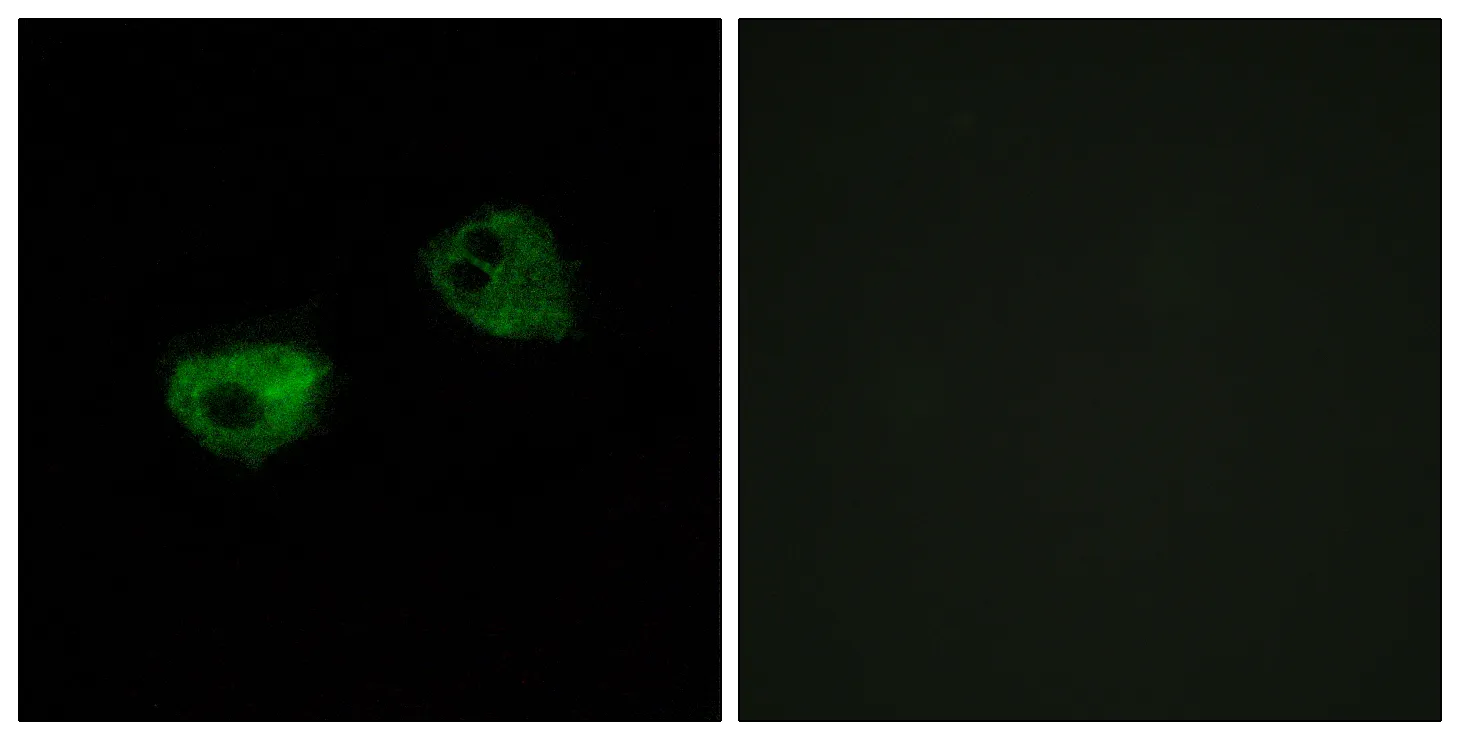
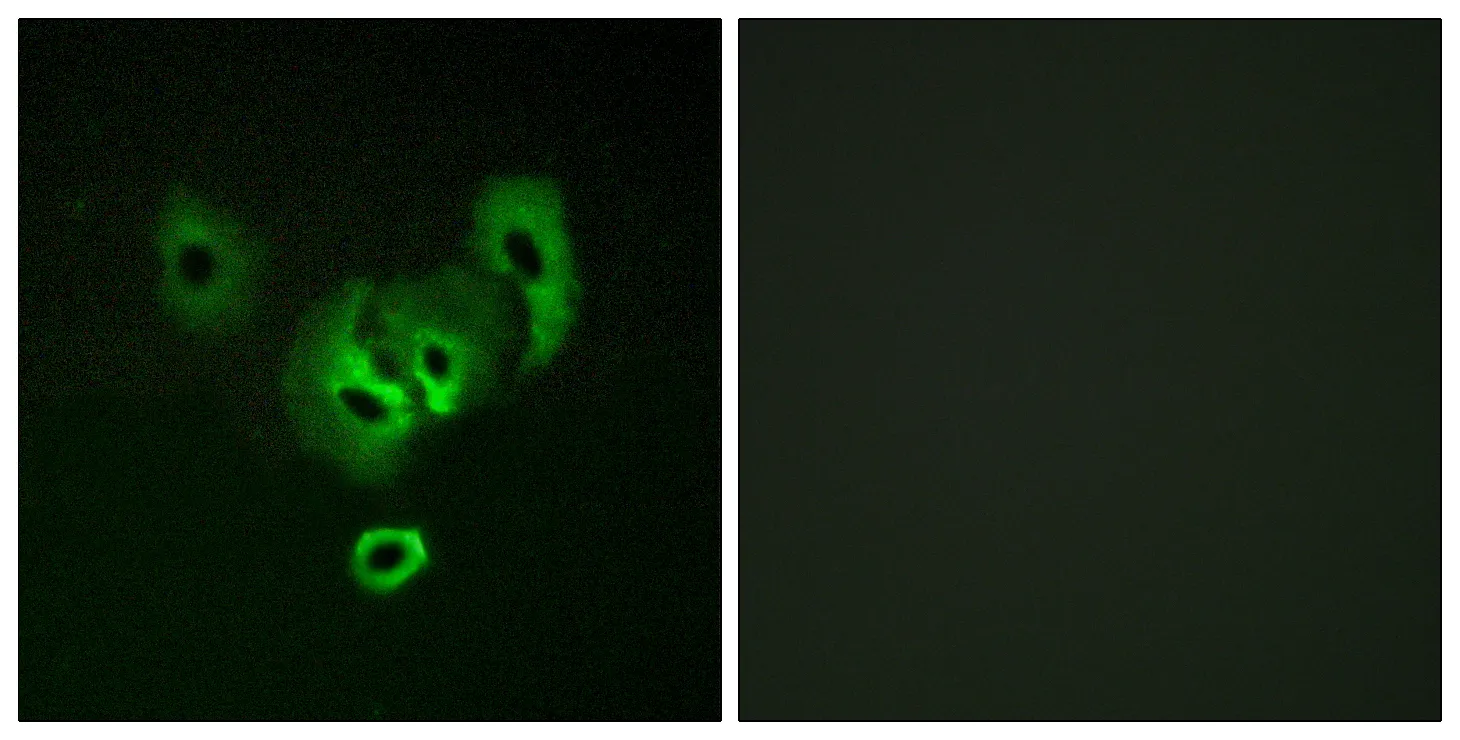
| アプリケーション | WB,IHC,ICC/IF,ELISA |
| 希釈倍率 | WB 1:500-1:2000,IHC 1:100-1:300,ICC/IF 1:200-1:1000,ELISA 1:5000-1:10000 |
| 分子量 | 120-130kDa |
研究分野
| Cell_Cycle_G1S;Cell_Cycle_G2M_DNA; |
背景
| この遺伝子によってコードされるタンパク質は、分裂酵母(Schizosaccharomyces pombe)のrad21遺伝子産物(DNA二本鎖切断の修復、および有糸分裂中の染色分体接着に関与する遺伝子)と非常に類似している。このタンパク質は核リン酸化タンパク質であり、細胞周期のM期に過剰リン酸化される。このタンパク質がセントロメア領域で特異的に有糸分裂クロマチンと高度に制御された結合をすることから、有糸分裂細胞における姉妹染色分体接着における役割が示唆される。[RefSeq提供、2008年7月],ドメイン:C末端部分はSMC1Aの頭部に結合し、N末端部分はSMC3の頭部に結合する。,機能:コヒーシン複合体の切断可能な成分で、細胞周期中の染色体接着、DNA修復、およびアポトーシスに関与する。コヒーシン複合体は、DNA複製後の姉妹染色分体の接着に必要である。コヒーシン複合体は、姉妹染色分体を捕捉できる大きなタンパク質リングを形成するようです。中期-後期移行期において、このタンパク質はセパラーゼ/ESPL1によって切断され、クロマチンから解離して、姉妹染色分体が分離できるようにします。コヒーシン複合体は、有糸分裂中の紡錘体極の組み立てにも関与している可能性があります。また、アポトーシスの初期段階でカスパーゼ-3/CASP3またはカスパーゼ-7/CASP7によって切断されることで、アポトーシスにも関与しています。C末端の64 kDaの切断産物は、アポトーシス経路に関与する細胞質イベントを開始するための核シグナルとして作用する可能性があります。,多型:放射線感受性のある癌患者の中には、保存されたグリシン-481の代わりにアルギニン-481を持つ人がいるようです。この変異が放射線感受性に寄与している可能性があります。,PTM:後期の開始時にセパラーゼ/ESPL1によって切断されます。アポトーシスの開始時にカスパーゼ3およびカスパーゼ7によって切断される。ESPL1およびカスパーゼ3による切断は異なる部位で起こる。,PTM:リン酸化; 細胞周期のM期に過剰リン酸化される。前期におけるコヒーシンの染色体腕からの大規模な解離は、PLKによるリン酸化が一因である可能性がある。,類似性:rad21ファミリーに属する。,細胞内局在:クロマチンと関連している。前期以前は、染色体腕に沿って散在している。前期には、コヒーシン複合体が残るセントロメアを除き、おそらくPLKによるリン酸化のために、ほとんどのコヒーシン複合体がクロマチンから解離する。後期には、セパラーゼ/ESPL1によって切断され、複合体が染色体から解離して染色体が分離される。カスパーゼ3によって切断されたC末端の64 kDaの切断産物は細胞質へ移行し、そこでアポトーシスを誘発する可能性がある。,サブユニット:コヒーシン複合体は、ヒンジドメインを介して結合したSMC1(SMC1AまたはSMC1B)とSMC3ヘテロダイマー、これらを連結するRAD21、およびRAD21と相互作用する1つのSTAGタンパク質(STAG1、STAG2、またはSTAG3)から構成される。SMC1A、SMC3、CDCA5、PDS5A/APRIN、およびPDS5B/SCC-112との複合体として存在する。, |