

RIAMウサギポリクローナル抗体
コンジュゲーション: 非共役
ウサギポリクローナル抗体
アプリケーション
反応性
ヒト、ラット、マウス
遺伝子名
APBB1IP
保存
小分けして-20℃で保存してください(12ヶ月間有効)。凍結融解サイクルは避けてください。
要約
| 製品名 | RIAMウサギポリクローナル抗体 |
| 説明 | ウサギポリクローナル抗体 |
| 宿主 | うさぎ |
| 反応性 | ヒト、ラット、マウス |
| コンジュゲーション | 非共役 |
| 修飾 | 未修正 |
| アイソタイプ | IgG |
| クローン性 | ポリクローナル |
| 形態 | 液体 |
| 濃度 | 非共役 |
| 保存 | 小分けして-20℃で保存してください(12ヶ月間有効)。凍結融解サイクルは避けてください。 |
| 配送 | 氷嚢。 |
| バッファー | 50% グリセロール、0.5% 保護タンパク質、0.02% 新タイプ防腐剤 N を含む PBS 液。 |
| 精製 | アフィニティー精製 |
抗原情報
| 遺伝子名 | APBB1IP |
| 別名 | APBB1IP; PREL1; RARP1; RIAM; Amyloid beta A4 precursor protein-binding family B member 1-interacting protein; APBB1-interacting protein 1; Proline-rich EVH1 ligand 1; PREL-1; Proline-rich protein 73; Rap1-GTP-interacting adapter molecule; R |
| 遺伝子ID | 54518 |
| SwissProt ID | Q7Z5R6 |
| 免疫原 | RIAM由来の合成ペプチド。アミノ酸範囲:430-510 |
アプリケーション
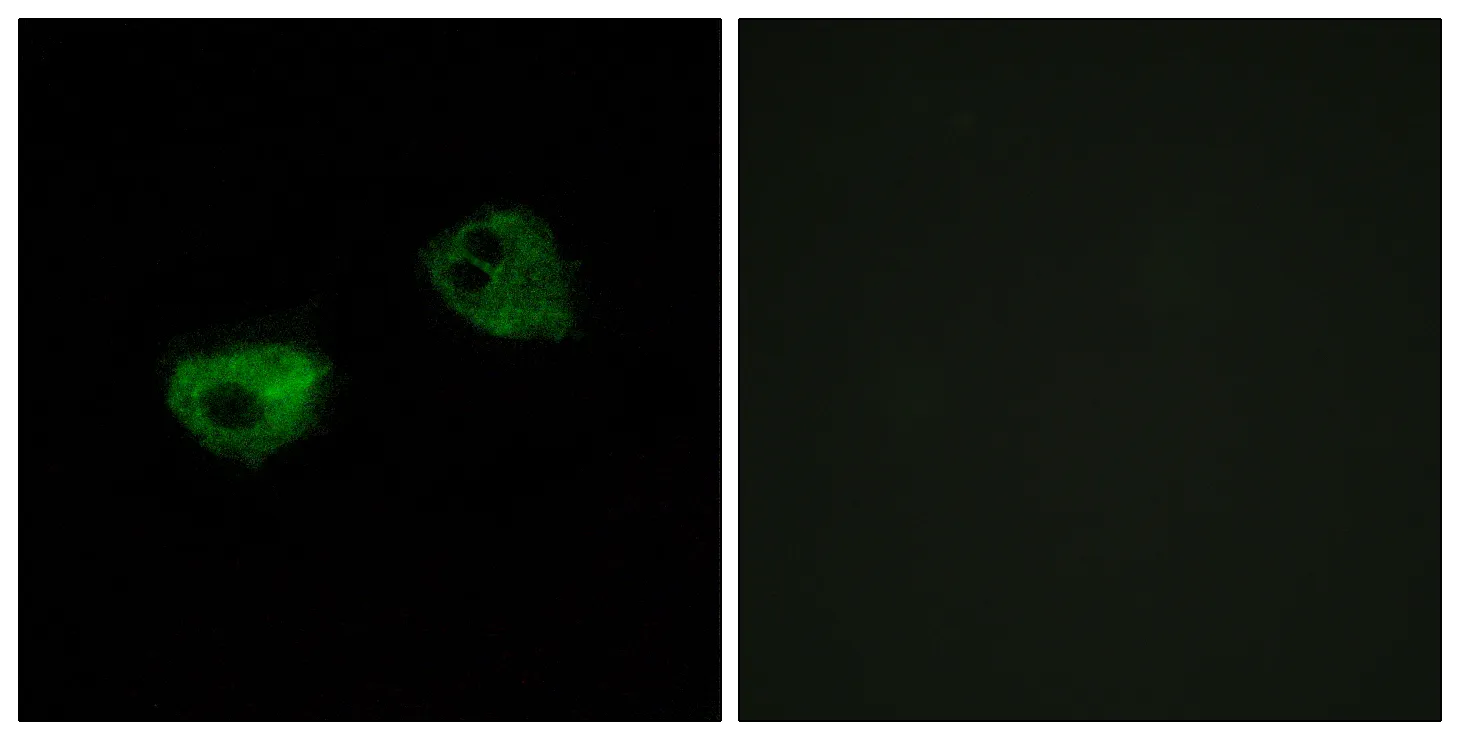
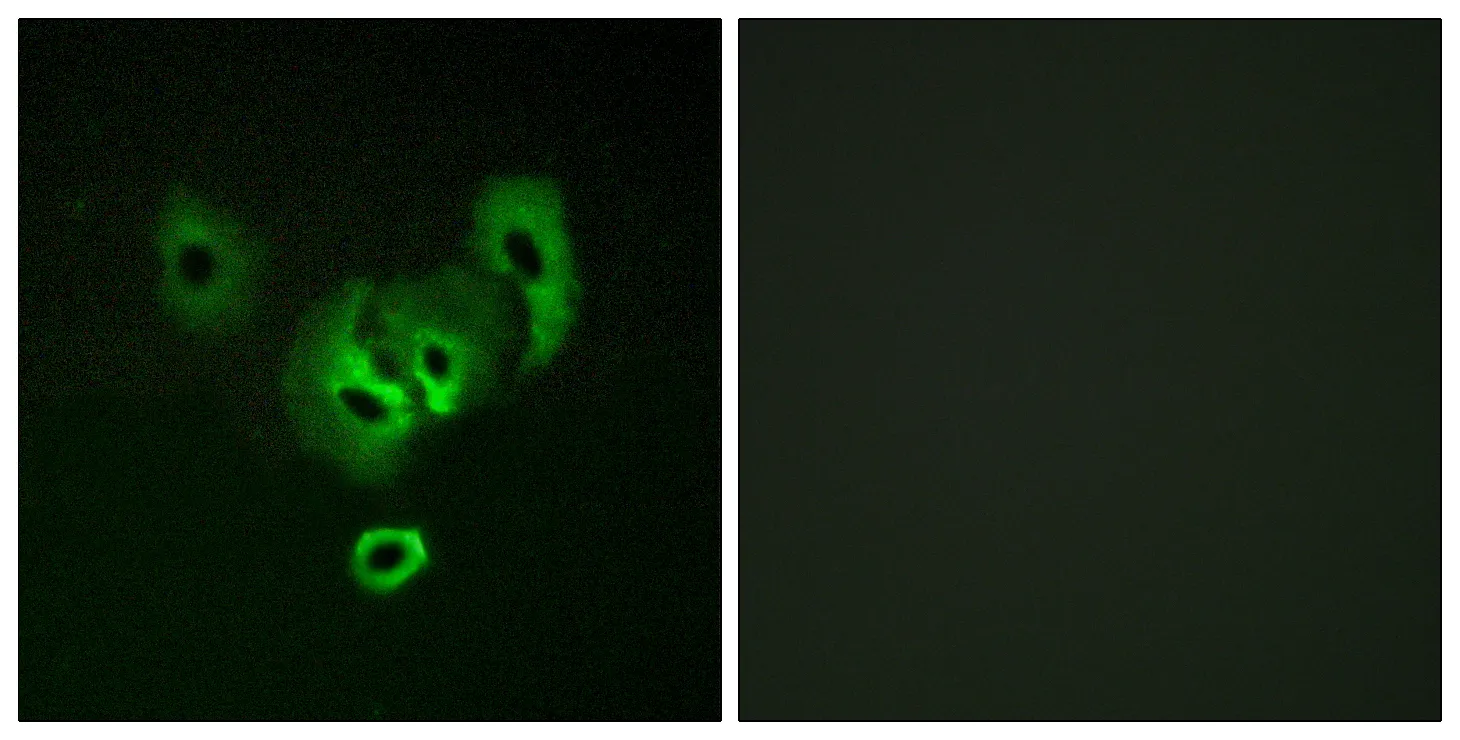
| アプリケーション | WB,IHC |
| 希釈倍率 | WB 1:500-1:2000,IHC 1:50-1:300 |
| 分子量 | 73kDa |
研究分野
| B_Cell_Antigen |
背景
| ドメイン:2つのProに富む領域は、AP1転写活性の抑制に必要です。,機能:Ras活性化からアクチン細胞骨格リモデリングへのシグナル伝達に機能すると思われます。AP1およびSREを介してインスリン誘導プロモーター活性を抑制します。Rap1誘導接着を媒介します。,誘導:オールトランスレチノイン酸によって誘導されます。,類似性:MRLファミリーに属します。,類似性:1つのPHドメインを含みます。,類似性:1つのRas関連ドメインを含みます。,細胞内局在:ラメリポディアの先端と接着斑ではENA/VASPタンパク質と共局在し、先端ではFアクチンと共局在します。膜表面では、PHドメインを介して、イノシトールリン酸、PtdIns(5)PおよびPtdIns(3)Pと優先的に会合します。この結合は、RAドメインがRas-GTPaseと効率的に相互作用するために必要であると考えられる。,サブユニット:N末端のPro-rich領域を介して、APBB1のWWドメインと相互作用する。RAP1A、PFN1、VASP、ENAHと相互作用する。,組織特異性:胸腺、脾臓、リンパ節、骨髄、末梢白血球で高発現し、広く発現する。,ドメイン:2つのPro-rich領域は、AP1転写活性の抑制に必要である。,機能:Ras活性化からアクチン細胞骨格リモデリングへのシグナル伝達に関与すると考えられる。AP1およびSREを介してインスリン誘導プロモーター活性を抑制する。 Rap1誘導接着を媒介する。,誘導:オールトランスレチノイン酸によって誘導される。,類似性:MRLファミリーに属する。,類似性:1つのPHドメインを含む。,類似性:1つのRas関連ドメインを含む。,細胞内局在:ラメリポディアの先端および接着斑ではENA/VASPタンパク質と共局在し、先端ではF-アクチンと共局在する。膜表面では、PHドメインを介して、イノシトールリン酸、PtdIns(5)PおよびPtdIns(3)Pと優先的に結合します。この結合は、RAドメインとRas-GTPaseの効率的な相互作用に必要であると考えられます。,サブユニット:N末端のPro-rich領域を介して、APBB1のWWドメインと相互作用します。 RAP1A、PFN1、VASP、ENAHと相互作用します。,組織特異性:胸腺、脾臓、リンパ節、骨髄、末梢白血球で高発現し、広く発現しています。, |