

RAI3ウサギポリクローナル抗体
コンジュゲーション: 非共役
ウサギポリクローナル抗体
アプリケーション
反応性
ヒト、マウス、ラット
遺伝子名
GPRC5A
保存
小分けして-20℃で保存してください(12ヶ月間有効)。凍結融解サイクルは避けてください。
要約
| 製品名 | RAI3ウサギポリクローナル抗体 |
| 説明 | ウサギポリクローナル抗体 |
| 宿主 | うさぎ |
| 反応性 | ヒト、マウス、ラット |
| コンジュゲーション | 非共役 |
| 修飾 | 未修正 |
| アイソタイプ | IgG |
| クローン性 | ポリクローナル |
| 形態 | 液体 |
| 濃度 | 非共役 |
| 保存 | 小分けして-20℃で保存してください(12ヶ月間有効)。凍結融解サイクルは避けてください。 |
| 配送 | 氷嚢。 |
| バッファー | 50% グリセロール、0.5% 保護タンパク質、0.02% 新タイプ防腐剤 N を含む PBS 液。 |
| 精製 | アフィニティー精製 |
抗原情報
| 遺伝子名 | GPRC5A |
| 別名 | GPRC5A; GPCR5A; RAI3; RAIG1; Retinoic acid-induced protein 3; G-protein coupled receptor family C group 5 member A; Orphan G-protein-coupling receptor PEIG-1; Retinoic acid-induced gene 1 protein; RAIG-1 |
| 遺伝子ID | 9052 |
| SwissProt ID | Q8NFJ5 |
| 免疫原 | 抗血清はヒトGPRC5A由来の合成ペプチドに対して作製された。アミノ酸範囲:140-189 |
アプリケーション
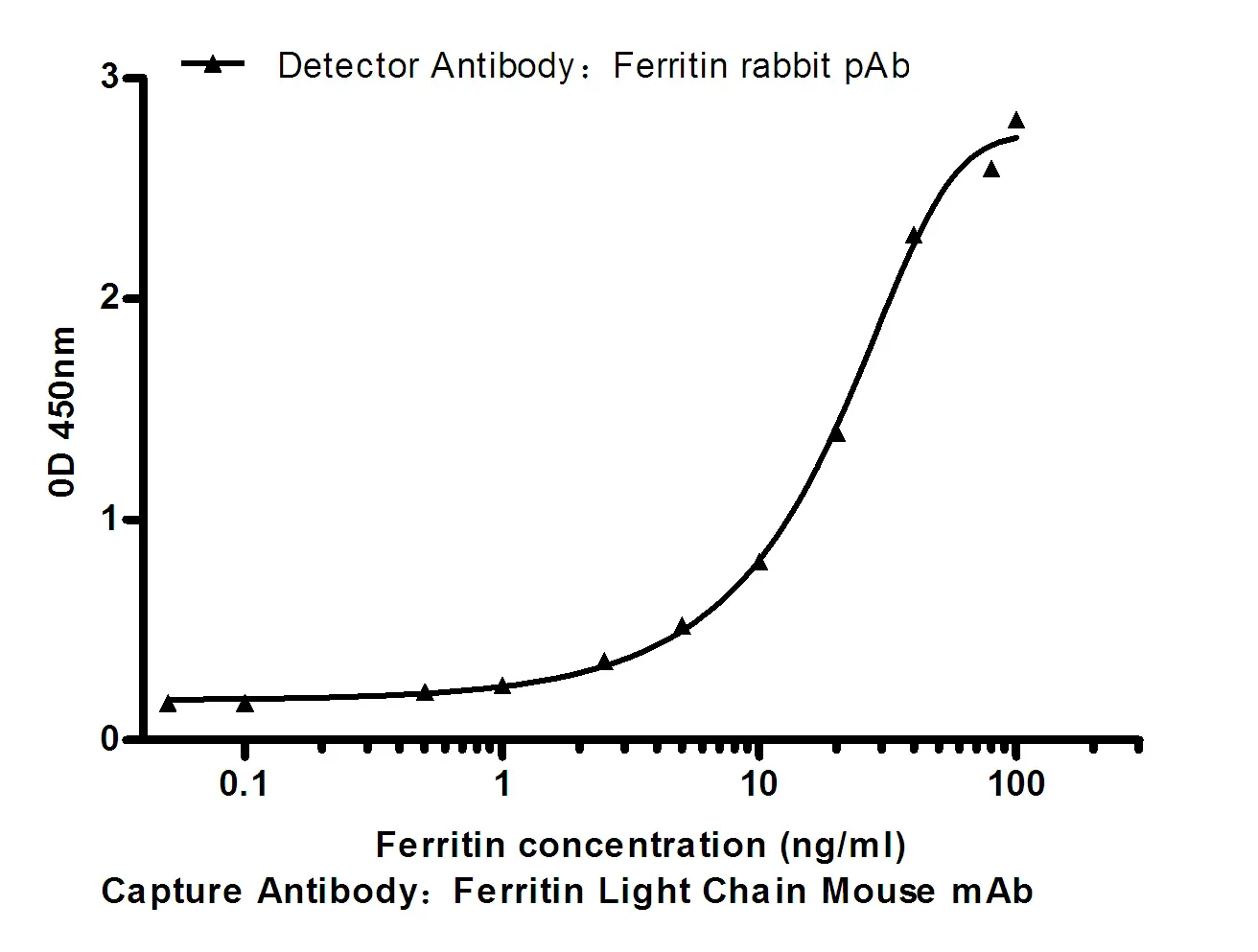
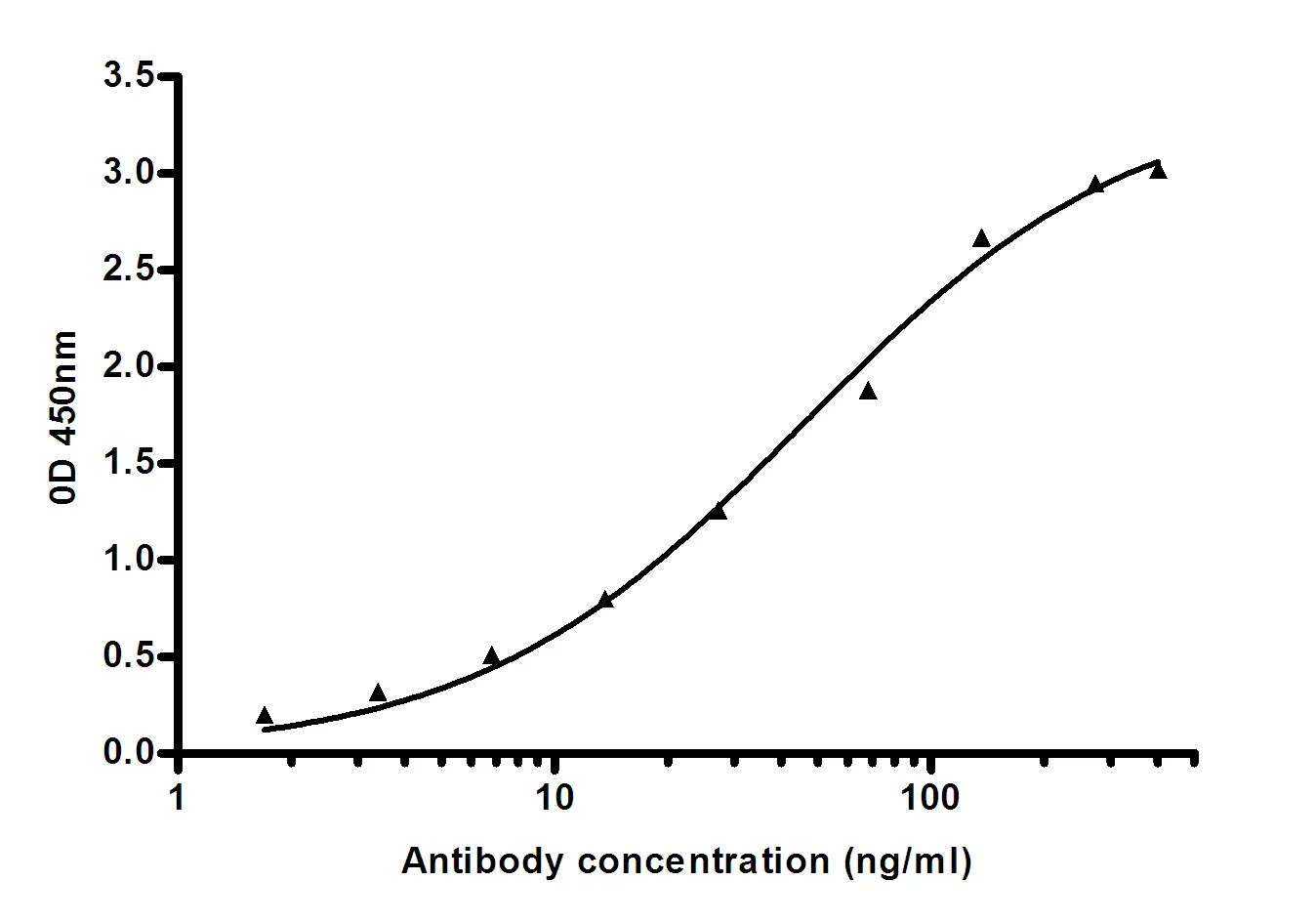
| アプリケーション | WB,ELISA |
| 希釈倍率 | WB 1:500-1:2000,ELISA 1:5000-1:20000 |
| 分子量 | 40kDa |
研究分野
背景
| この遺伝子は、7つの膜貫通ドメインモチーフを特徴とするタイプ3 Gタンパク質共役受容体ファミリーのメンバーをコードしています。コードされているタンパク質は、レチノイン酸とGタンパク質シグナル伝達経路の相互作用に関与している可能性があります。レチノイン酸は、発生、細胞増殖、分化において重要な役割を果たします。この遺伝子は、胚発生および上皮細胞の分化において役割を果たす可能性があります。[RefSeq提供、2008年7月]、機能:不明。このGタンパク質共役受容体は、上皮細胞の分化の調節と恒常性の維持に関与している可能性があります。胎児の肺および腎臓における発現レベルが成体組織と同等であることから、これらの臓器の胚発生および成熟において役割を果たしている可能性が示唆されます。このレチノイン酸誘導性GPCRは、レチノイドとGタンパク質シグナル伝達経路との相互作用の可能性を示唆する。,誘導:オールトランスレチノイン酸(ATRA)による。,類似性:Gタンパク質共役受容体3ファミリーに属する。,細胞内局在:細胞膜および核周縁小胞に局在する。,組織特異性:胎児および成人の肺組織で高発現する。胎児の腎臓、成人の胎盤、腎臓、前立腺、精巣、卵巣、小腸、結腸、胃、脊髄では低~中程度の発現が恒常的に認められる。胎児の心臓、脳、肝臓、成人の心臓、脳、肝臓、骨格筋、膵臓、脾臓、胸腺、末梢白血球では検出されない。PubMed:10783259によると、膵臓と心臓では低発現だが検出可能である。, |