

PUMAウサギポリクローナル抗体
コンジュゲーション: 非共役
ウサギポリクローナル抗体
アプリケーション
反応性
ヒト、マウス、ラット
遺伝子名
BBC3
保存
小分けして-20℃で保存してください(12ヶ月間有効)。凍結融解サイクルは避けてください。
要約
| 製品名 | PUMAウサギポリクローナル抗体 |
| 説明 | ウサギポリクローナル抗体 |
| 宿主 | うさぎ |
| 反応性 | ヒト、マウス、ラット |
| コンジュゲーション | 非共役 |
| 修飾 | 未修正 |
| アイソタイプ | IgG |
| クローン性 | ポリクローナル |
| 形態 | 液体 |
| 濃度 | 非共役 |
| 保存 | 小分けして-20℃で保存してください(12ヶ月間有効)。凍結融解サイクルは避けてください。 |
| 配送 | 氷嚢。 |
| バッファー | 50% グリセロール、0.5% 保護タンパク質、0.02% 新タイプ防腐剤 N を含む PBS 液。 |
| 精製 | アフィニティー精製 |
抗原情報
| 遺伝子名 | BBC3 |
| 別名 | BBC3; PUMA; Bcl-2-binding component 3; JFY-1; p53 up-regulated modulator of apoptosis |
| 遺伝子ID | 27113 |
| SwissProt ID | Q9BXH1 |
| 免疫原 | 抗血清はヒトPUMA由来の合成ペプチドに対して作製された。AA範囲:120-169 |
アプリケーション
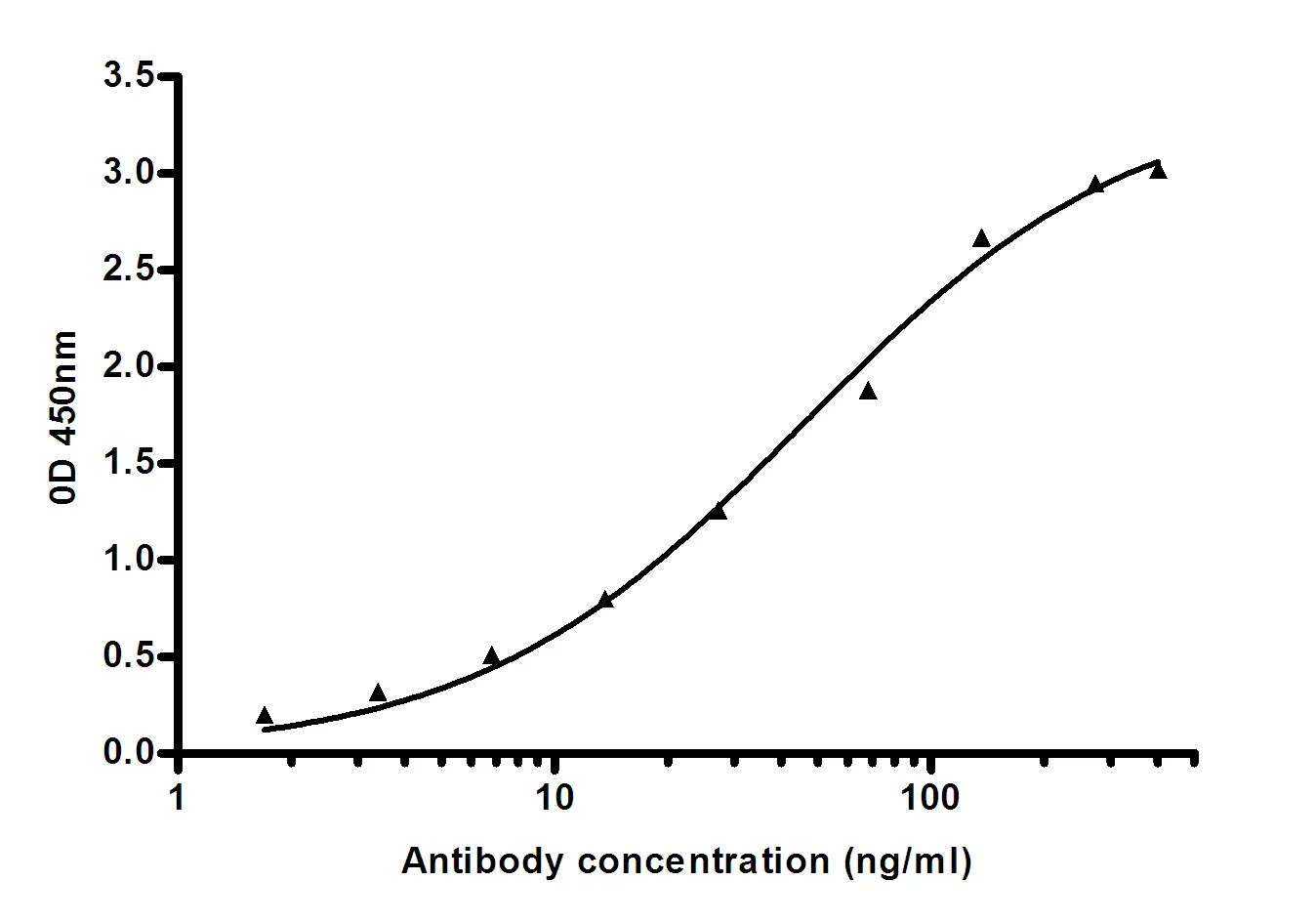
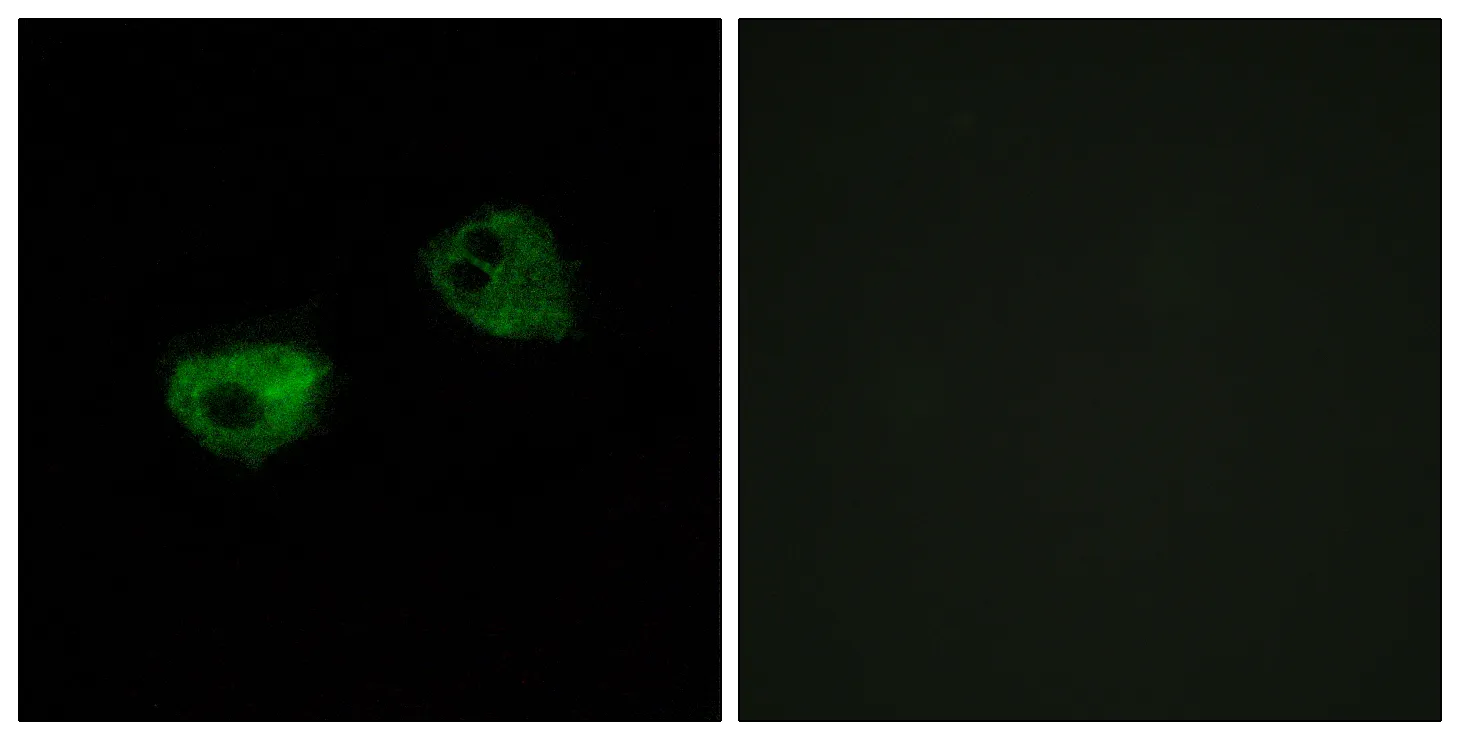
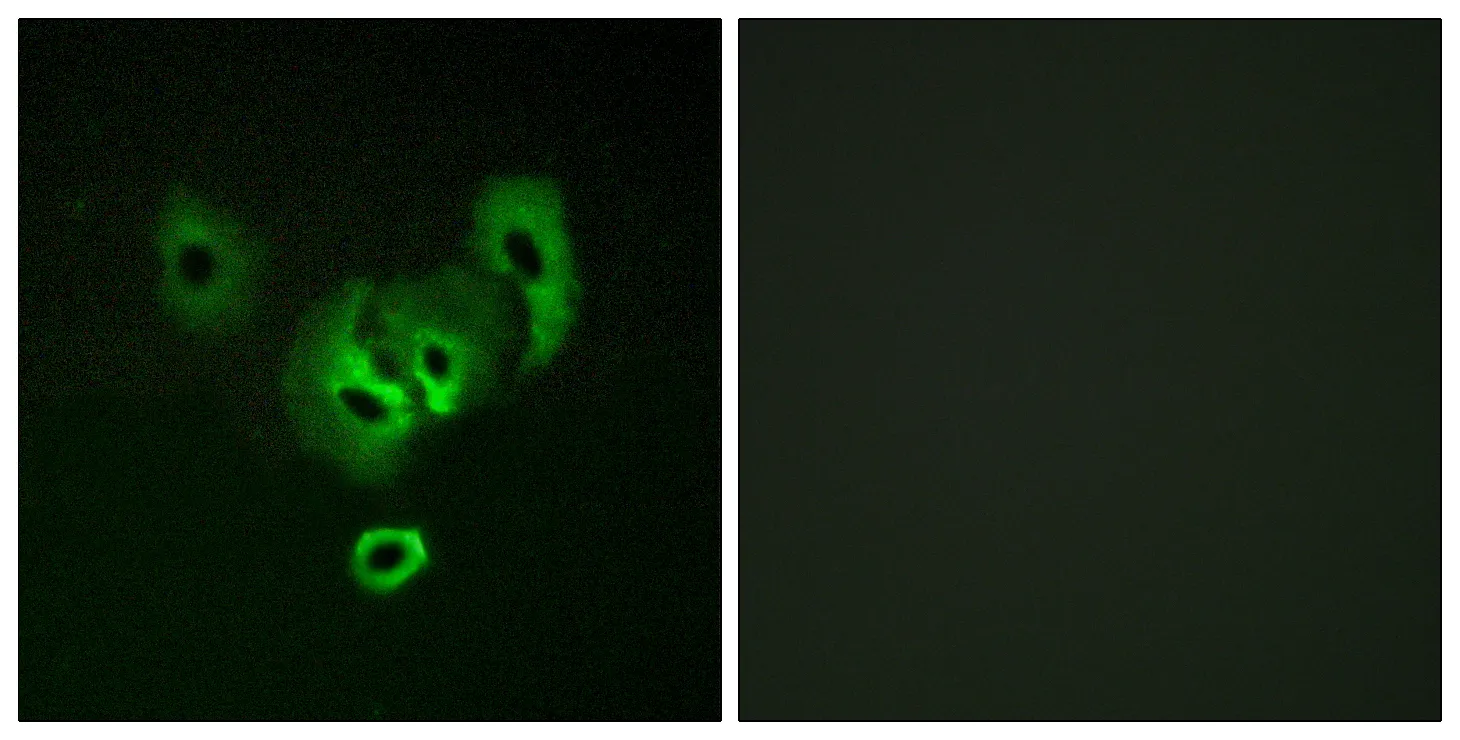
| アプリケーション | WB,ICC/IF,ELISA |
| 希釈倍率 | WB 1:500-1:2000,ICC/IF 1:100-1:300,ELISA 1:5000-1:20000 |
| 分子量 | 23kDa |
研究分野
| p53;Huntington's disease; |
背景
| この遺伝子はBCL-2ファミリータンパク質のメンバーをコードします。このファミリーメンバーはBH3のみを活性化するアポトーシス促進サブクラスに属します。このタンパク質は直接活性化タンパク質と共存し、ミトコンドリア外膜透過性とアポトーシスを誘導します。また、抗アポトーシス性Bcl-2ファミリーメンバーと結合し、ミトコンドリア機能不全とカスパーゼ活性化を誘導します。この遺伝子はアポトーシス促進作用を持つことから、がん治療および組織損傷に対する潜在的な薬剤標的となっています。選択的スプライシングにより、複数の転写産物バリアントが生じます。 [RefSeq提供、2011年12月],機能:p53依存性およびp53非依存性アポトーシスの必須メディエーター。,誘導:DNA損傷、グルココルチコイド処理、成長因子枯渇、およびp53による。,類似性:Bcl-2ファミリーに属する。,細胞内局在:シトクロムcの放出を誘導するためにミトコンドリアに局在する。,サブユニット:MCL1およびBCL2A1と相互作用する(類似性による)。BCL2およびBCL2L1/BCL-XLと相互作用する。,組織特異性:普遍的に発現する。, |