

PKM2ウサギポリクローナル抗体
コンジュゲーション: 非共役
ウサギポリクローナル抗体
アプリケーション
反応性
ヒト、マウス、ラット
遺伝子名
PKM
保存
小分けして-20℃で保存してください(12ヶ月間有効)。凍結融解サイクルは避けてください。
要約
| 製品名 | PKM2ウサギポリクローナル抗体 |
| 説明 | ウサギポリクローナル抗体 |
| 宿主 | うさぎ |
| 反応性 | ヒト、マウス、ラット |
| コンジュゲーション | 非共役 |
| 修飾 | 未修正 |
| アイソタイプ | IgG |
| クローン性 | ポリクローナル |
| 形態 | 液体 |
| 濃度 | 非共役 |
| 保存 | 小分けして-20℃で保存してください(12ヶ月間有効)。凍結融解サイクルは避けてください。 |
| 配送 | 氷嚢。 |
| バッファー | 50% グリセロール、0.5% 保護タンパク質、0.02% 新タイプ防腐剤 N を含む PBS 液。 |
| 精製 | アフィニティー精製 |
抗原情報
| 遺伝子名 | PKM |
| 別名 | PKM; OIP3; PK2; PK3; PKM2; Pyruvate kinase isozymes M1/M2; Cytosolic thyroid hormone-binding protein; CTHBP; Opa-interacting protein 3; OIP-3; Pyruvate kinase 2/3; Pyruvate kinase muscle isozyme; Thyroid hormone-binding protein 1; THBP1; Tu |
| 遺伝子ID | 5315 |
| SwissProt ID | P14618 |
| 免疫原 | 抗血清はヒトPKM2由来の合成ペプチドに対して作製された。アミノ酸範囲:181-230 |
アプリケーション
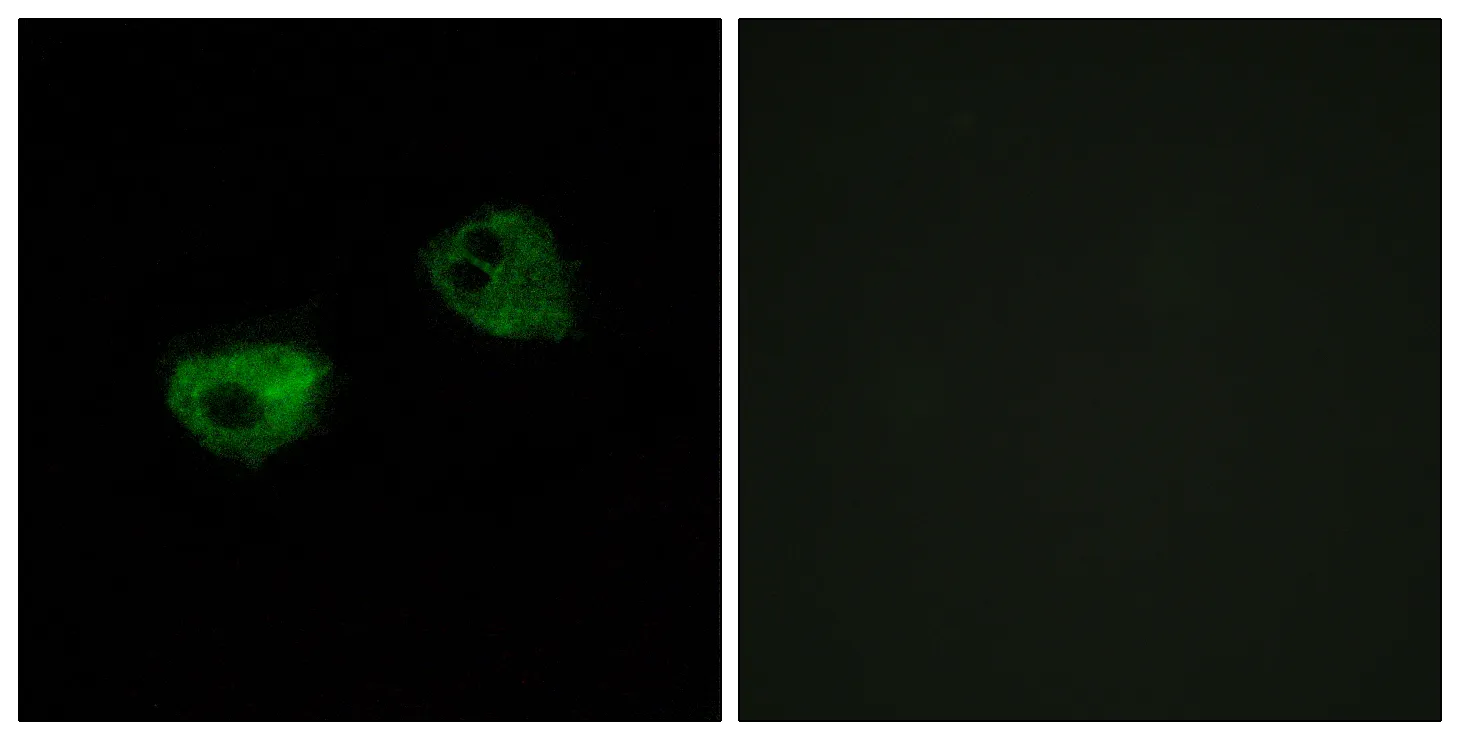
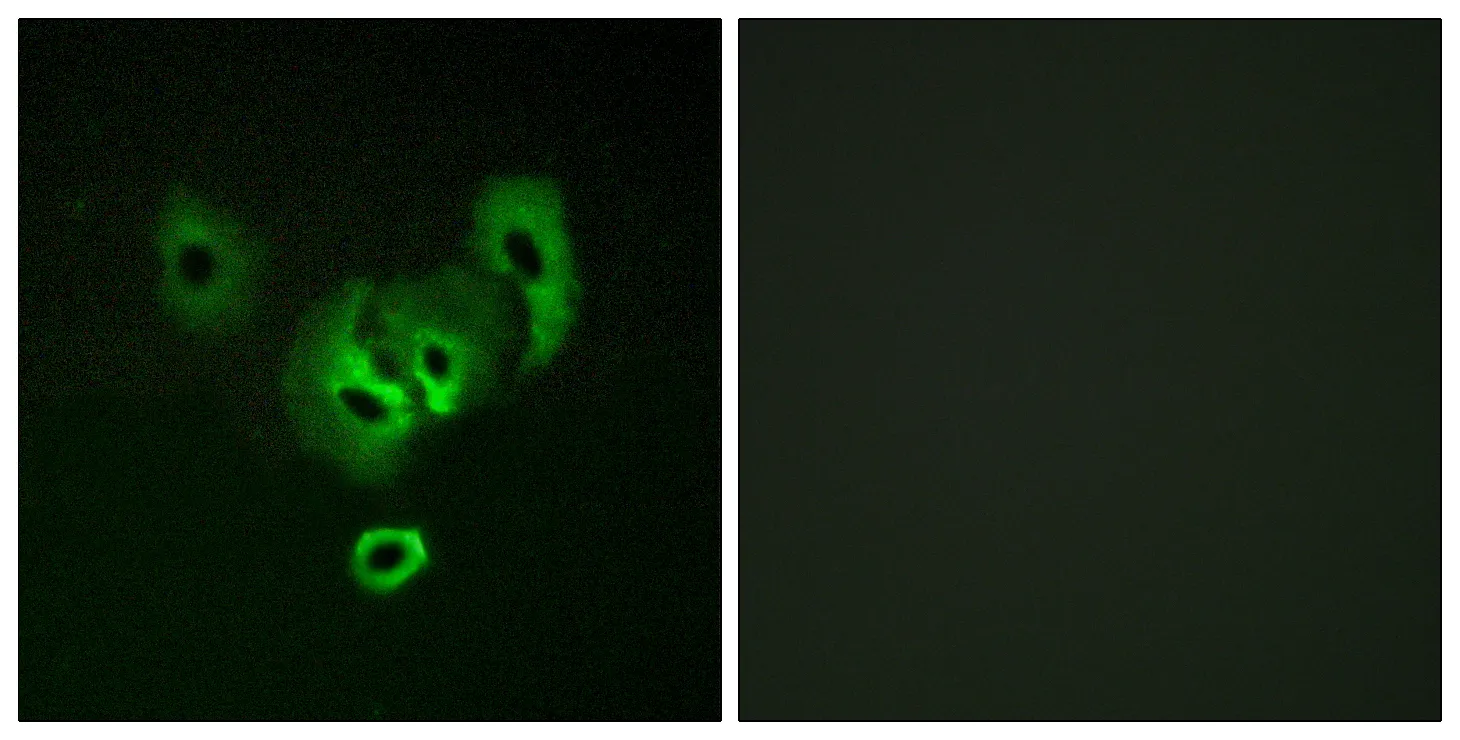
| アプリケーション | WB,IHC,ICC/IF,ELISA |
| 希釈倍率 | WB 1:500-1:2000,IHC 1:50-1:300,ICC/IF 1:50-1:200,ELISA 1:10000-1:20000 |
| 分子量 | 58kDa |
研究分野
| Glycolysis / Gluconeogenesis;Purine metabolism;Pyruvate metabolism;Type II diabetes mellitus; |
背景
| この遺伝子は解糖系に関与するタンパク質をコードしています。コードされているタンパク質はピルビン酸キナーゼであり、ホスホエノールピルビン酸からADPへのリン酸基の転移を触媒し、ATPとピルビン酸を生成します。このタンパク質は甲状腺ホルモンと相互作用することが示されており、甲状腺ホルモンによって誘導される細胞代謝効果を媒介する可能性があります。このタンパク質は、淋菌のヒト細胞への付着および侵入に関与する細菌外膜タンパク質であるOpaタンパク質に結合することが分かっており、このタンパク質が細菌の病原性において役割を果たしていることを示唆しています。いくつかの異なるアイソフォームをコードする、選択的スプライシングを受けた複数の転写バリアントが報告されています。 [RefSeq提供、2011年5月],触媒活性:ATP + ピルビン酸 = ADP + ホスホエノールピルビン酸。,補因子:二価金属陽イオン。,補因子:マグネシウム。,補因子:カリウム。,酵素調節:アイソフォームM2は、D-フルクトース1,6-二リン酸(FBP)によってアロステリックに活性化されます。シュウ酸および3,3',5-トリヨード-L-チロニン(T3)によって阻害されます。,機能:ホスホエノールピルビン酸(PEP)からADPへのリン酸基の転移を触媒し、ATPを生成する解糖酵素。,その他:哺乳類には、ピルビン酸キナーゼの4つのアイソザイム(L、R、M1、M2)があります。 L型は肝臓の主要なアイソザイム、R型は赤血球に存在し、M1型は筋肉、心臓、脳に多く存在し、M2型は初期胎児組織およびほとんどの癌細胞に存在します。,オンライン情報:ピルビン酸キナーゼへの進入経路:炭水化物分解;解糖;D-グリセルアルデヒド3-リン酸からのピルビン酸:ステップ5/5。,PTM:DNA損傷時にリン酸化される(おそらくATMまたはATRによる)。,類似性:ピルビン酸キナーゼファミリーに属する。,サブユニット:モノマーおよびホモテトラマー。FBP非存在下ではモノマーとして存在し、FBP存在下では可逆的に会合してホモテトラマーを形成する。モノマー型はT3に結合する。テトラマー形成はピルビン酸キナーゼ活性を誘導する。HERC1と相互作用する。, |