

PKC ε(リン酸化Ser729)ウサギポリクローナル抗体
コンジュゲーション: 非共役
ウサギポリクローナル抗体
アプリケーション
反応性
ヒト、マウス、ラット
遺伝子名
PRKCE
保存
小分けして-20℃で保存してください(12ヶ月間有効)。凍結融解サイクルは避けてください。
要約
| 製品名 | PKC ε(リン酸化Ser729)ウサギポリクローナル抗体 |
| 説明 | ウサギポリクローナル抗体 |
| 宿主 | うさぎ |
| 反応性 | ヒト、マウス、ラット |
| コンジュゲーション | 非共役 |
| 修飾 | リン酸化 |
| アイソタイプ | IgG |
| クローン性 | ポリクローナル |
| 形態 | 液体 |
| 濃度 | 非共役 |
| 保存 | 小分けして-20℃で保存してください(12ヶ月間有効)。凍結融解サイクルは避けてください。 |
| 配送 | 氷嚢。 |
| バッファー | 50% グリセロール、0.5% 保護タンパク質、0.02% 新タイプ防腐剤 N を含む PBS 液。 |
| 精製 | アフィニティー精製 |
抗原情報
| 遺伝子名 | PRKCE |
| 別名 | PRKCE; PKCE; Protein kinase C epsilon type; nPKC-epsilon |
| 遺伝子ID | 5581 |
| SwissProt ID | Q02156 |
| 免疫原 | 抗血清は、Ser729のリン酸化部位周辺のヒトPKCイプシロン由来の合成ペプチドに対して作製された。アミノ酸範囲:688-737 |
アプリケーション
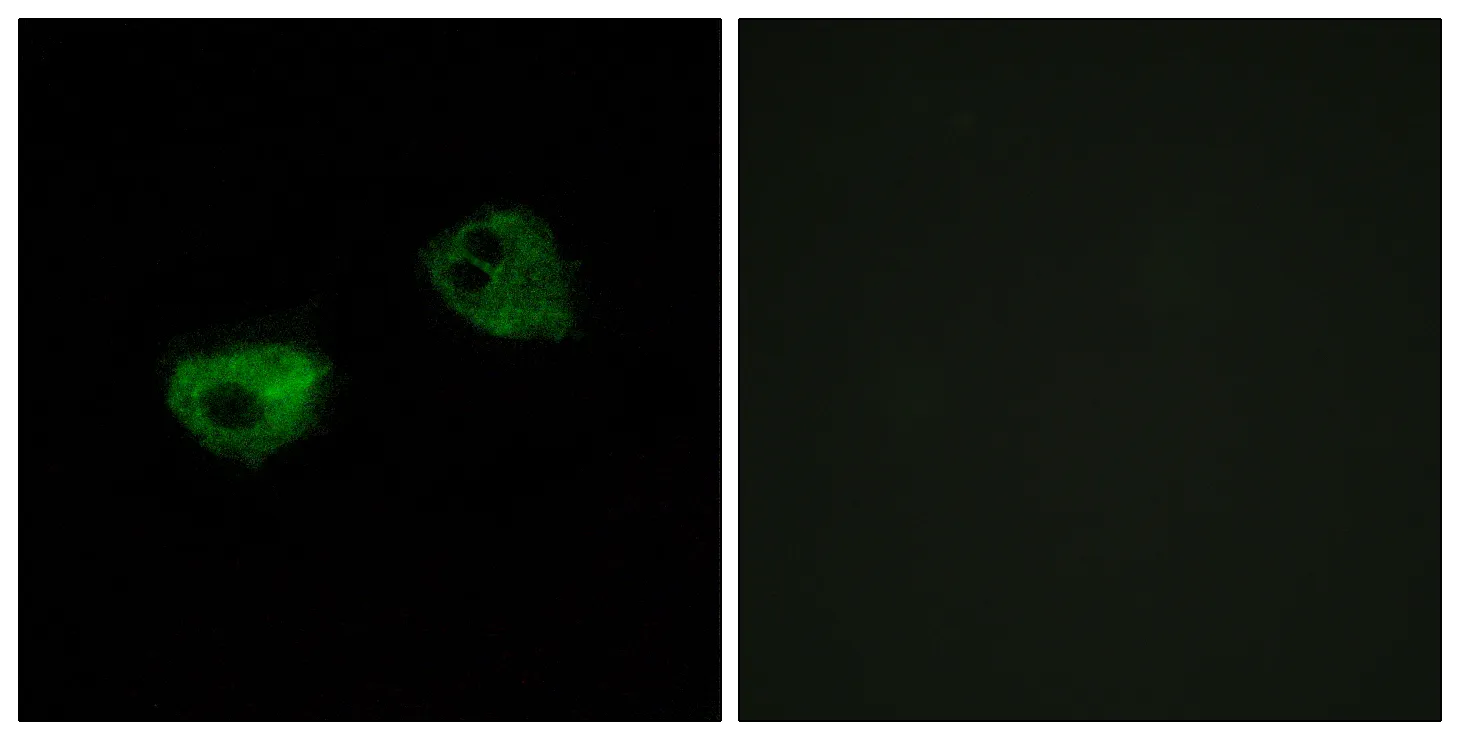
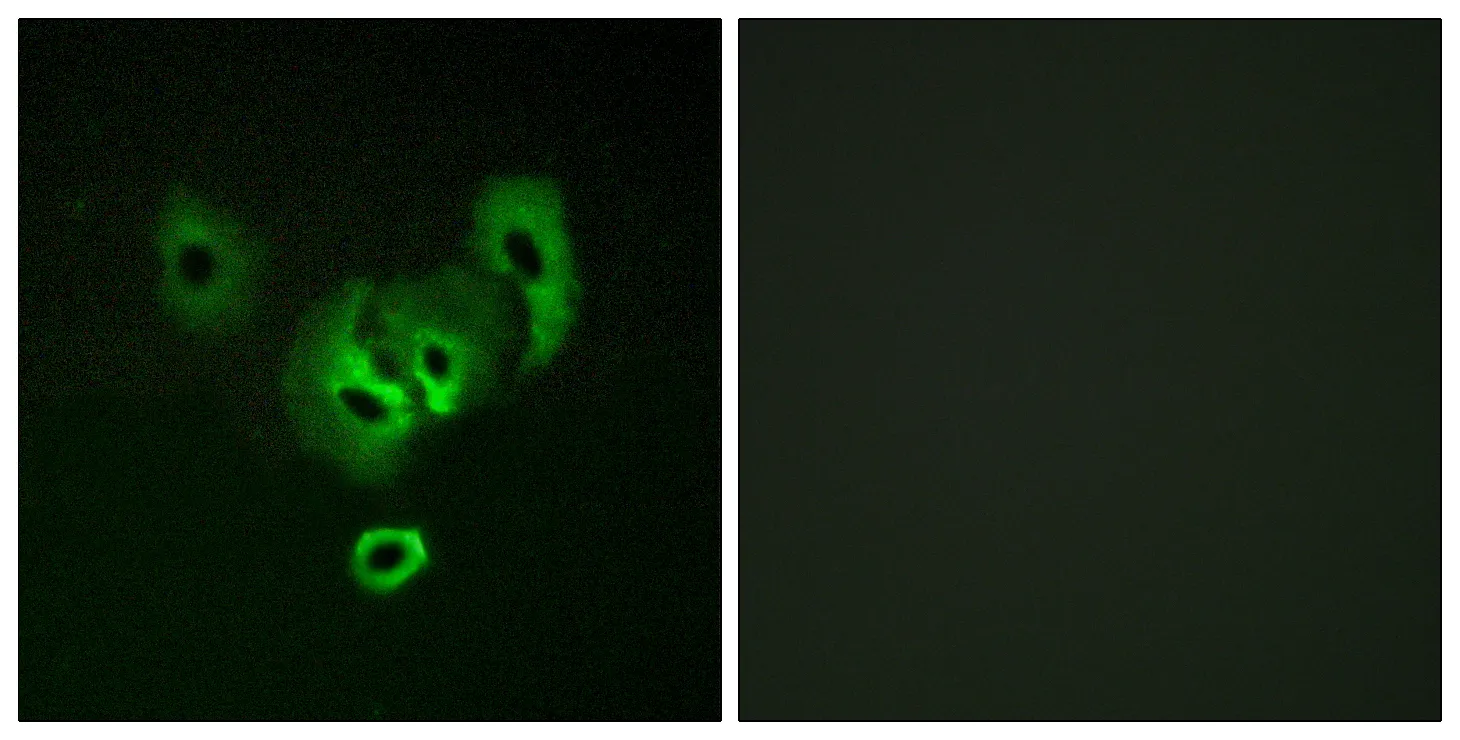
| アプリケーション | WB,IHC,ELISA |
| 希釈倍率 | WB 1:500-1:2000,IHC 1:50-1:300,ELISA 1:2000-1:20000 |
| 分子量 | 83kDa |
研究分野
| Regulation_Microtubule; Regulation of Actin Dynamics; Stem cell pathway; Insulin Receptor; B Cell Receptor; AMPK |
背景
| プロテインキナーゼCイプシロン(PRKCE) ホモサピエンス プロテインキナーゼC (PKC) は、カルシウムとセカンドメッセンジャーのジアシルグリセロールによって活性化されるセリンおよびスレオニン特異的プロテインキナーゼのファミリーです。PKC ファミリーのメンバーは、さまざまなタンパク質標的をリン酸化します。また、多様な細胞シグナル伝達経路に関与していることが知られています。PKC ファミリーのメンバーは、腫瘍プロモーターのクラスであるホルボールエステルの主要な受容体としても機能します。PKC ファミリーの各メンバーは、特定の発現プロファイルを持ち、細胞内で異なる役割を果たしていると考えられています。この遺伝子によってコードされているタンパク質は、PKC ファミリーのメンバーの 1 つです。このキナーゼは、ニューロンチャネルの活性化、アポトーシス、虚血からの心臓保護、熱ショック応答、インスリンエキソサイトーシスなど、さまざまな細胞機能に関与していることが示されています。マウスのノックアウト研究では、このキナーゼが活性化されたマクロ触媒活性におけるリポ多糖類 (LPS) を介したシグナル伝達に重要であることが示唆されています: ATP + タンパク質 = ADP + リン酸化タンパク質。,ドメイン: ホルボールエステル/DAG 型領域 1 (C1A) および 2 (C1B) を含む C1 ドメインはジアシルグリセロール センサーであり、C2 ドメインは非カルシウム結合ドメインです。,酵素制御: 完全に活性化するには、3 つの特定の部位、Thr-566 (キナーゼ ドメインの活性化ループ)、Thr-710 (ターン モチーフ)、および Ser-729 (疎水性領域) をリン酸化する必要があります。,機能: PKC はジアシルグリセロールによって活性化され、次にさまざまな細胞タンパク質をリン酸化します。 PKCは、腫瘍プロモーターの一種であるホルボールエステルの受容体としても機能します。,機能:カルシウム非依存性、リン脂質依存性、セリンおよびスレオニン特異的酵素です。,PTM:PDPK1によるThr-566のリン酸化は、Ser-729の自己リン酸化を引き起こします。,類似性:タンパク質キナーゼスーパーファミリーに属します。AGC Ser/Thrタンパク質キナーゼファミリー。PKCサブファミリー。,類似性:1つのAGCキナーゼC末端ドメインを含みます。,類似性:1つのC2ドメインを含みます。,類似性:1つのタンパク質キナーゼドメインを含みます。,類似性:2つのホルボールエステル/DAG型ジンクフィンガーを含みます。,サブユニット:TRIM63およびGN2BL1と三元複合体を形成します。, |