PEPCK-Cウサギポリクローナル抗体
コンジュゲーション: 非共役
ウサギポリクローナル抗体
アプリケーション
反応性
ヒト、マウス、ラット
遺伝子名
PCK1
保存
小分けして-20℃で保存してください(12ヶ月間有効)。凍結融解サイクルは避けてください。
要約
| 製品名 | PEPCK-Cウサギポリクローナル抗体 |
| 説明 | ウサギポリクローナル抗体 |
| 宿主 | うさぎ |
| 反応性 | ヒト、マウス、ラット |
| コンジュゲーション | 非共役 |
| 修飾 | 未修正 |
| アイソタイプ | IgG |
| クローン性 | ポリクローナル |
| 形態 | 液体 |
| 濃度 | 非共役 |
| 保存 | 小分けして-20℃で保存してください(12ヶ月間有効)。凍結融解サイクルは避けてください。 |
| 配送 | 氷嚢。 |
| バッファー | 50% グリセロール、0.5% 保護タンパク質、0.02% 新タイプ防腐剤 N を含む PBS 液。 |
| 精製 | アフィニティー精製 |
抗原情報
| 遺伝子名 | PCK1 |
| 別名 | PCK1; PEPCK1; Phosphoenolpyruvate carboxykinase, cytosolic [GTP]; PEPCK-C; Phosphoenolpyruvate carboxylase |
| 遺伝子ID | 5105 |
| SwissProt ID | P35558 |
| 免疫原 | 抗血清はヒトPCK1の内部領域由来の合成ペプチドに対して作製された。アミノ酸範囲:491-540 |
アプリケーション
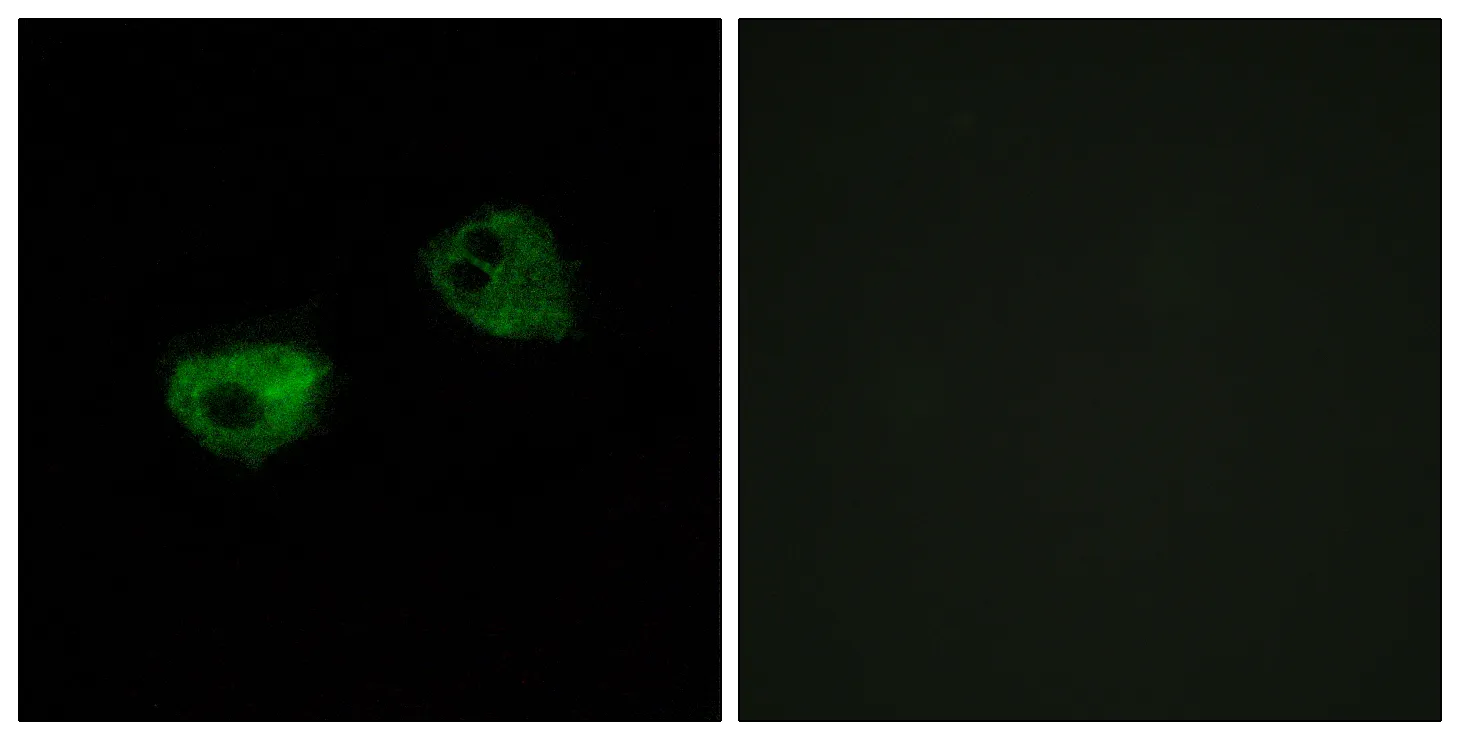
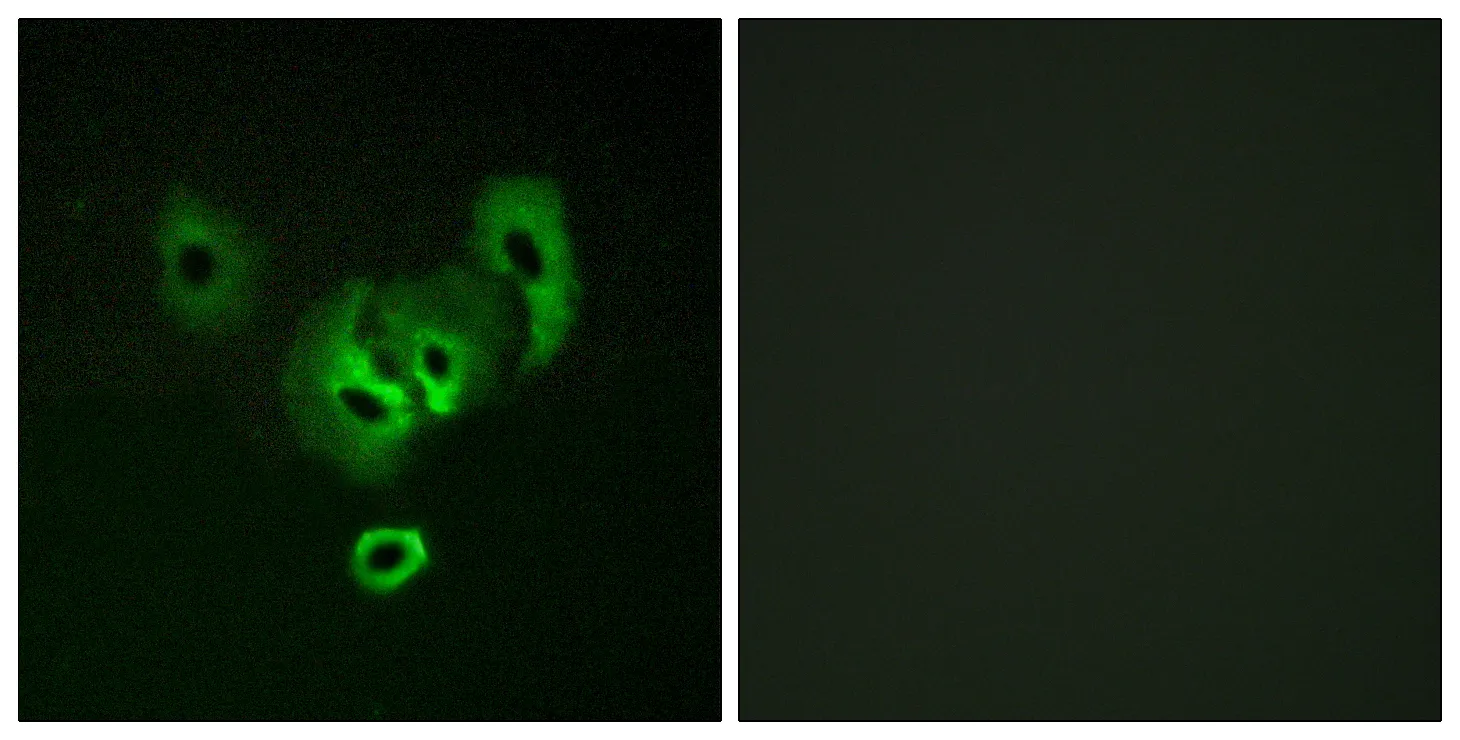
| アプリケーション | WB,IHC,ICC/IF,ELISA |
| 希釈倍率 | WB 1:500-1:2000,IHC 1:100-1:300,ICC/IF 1:50-1:200,ELISA 1:10000-1:20000 |
| 分子量 | 65kDa |
研究分野
| Glycolysis / Gluconeogenesis;Citrate cycle (TCA cycle);Pyruvate metabolism;PPAR;Insulin_Receptor;Adipocytokine; |
背景
| この遺伝子は糖新生の制御における主要な制御点である。この遺伝子によってコードされる細胞質酵素は、GTPとともに、オキサロ酢酸からホスホエノールピルビン酸への生成を触媒し、二酸化炭素とGDPを放出する。この遺伝子の発現は、インスリン、グルココルチコイド、グルカゴン、cAMP、および食事によって制御される。この遺伝子の欠陥は、細胞質ホスホエノールピルビン酸カルボキシキナーゼ欠損症の原因となる。この遺伝子によってコードされるタンパク質のミトコンドリアアイソザイムも特徴付けられている。 [RefSeq提供、2008年7月],触媒活性:GTP + オキサロ酢酸 = GDP + ホスホエノールピルビン酸 + CO(2).,補因子:サブユニットあたり1個のマンガンイオンを結合する.,疾患:PCK1の欠陥は、細胞質ホスホエノールピルビン酸カルボキシキナーゼ欠損症(細胞質PEPCK欠損症)[MIM:261680]の原因である。PEPCK欠損症は、糖新生障害に起因する代謝障害である。文献で報告されている症例は10例未満であり、稀な疾患である。臨床的特徴には、低血圧、肝腫大、発育不全、乳酸アシドーシス、低血糖などがある。剖検では、肝臓と腎臓の両方に脂肪浸潤が認められる。この疾患は常染色体劣性遺伝形質として遺伝します。,酵素調節:活性は、この代謝プロセスを制御するいくつかのホルモン(グルカゴン、インスリン、グルココルチコイドなど)によって影響を受けます。,機能:オキサロ酢酸(OAA)からホスホエノールピルビン酸(PEP)への変換を触媒します。これは、クエン酸回路由来の乳酸およびその他の前駆物質からグルコースを生成する代謝経路における律速段階です。,その他:真核生物には、細胞質アイソザイムとミトコンドリアアイソザイムの2つのアイソザイムがあります。,経路:炭水化物の生合成、糖新生。,類似性:ホスホエノールピルビン酸カルボキシキナーゼ[GTP]ファミリーに属します。,サブユニット:モノマー。,組織特異性:主な発現部位は、肝臓、腎臓、脂肪細胞です。, |