

PEK/PERKウサギポリクローナル抗体
コンジュゲーション: 非共役
ウサギポリクローナル抗体
アプリケーション
反応性
ヒト、マウス、ラット
遺伝子名
EIF2AK3 PEK PERK
保存
小分けして-20℃で保存してください(12ヶ月間有効)。凍結融解サイクルは避けてください。
要約
| 製品名 | PEK/PERKウサギポリクローナル抗体 |
| 説明 | ウサギポリクローナル抗体 |
| 宿主 | うさぎ |
| 反応性 | ヒト、マウス、ラット |
| コンジュゲーション | 非共役 |
| 修飾 | 未修正 |
| アイソタイプ | IgG |
| クローン性 | ポリクローナル |
| 形態 | 液体 |
| 濃度 | 非共役 |
| 保存 | 小分けして-20℃で保存してください(12ヶ月間有効)。凍結融解サイクルは避けてください。 |
| 配送 | 氷嚢。 |
| バッファー | 50% グリセロール、0.5% 保護タンパク質、0.02% 新タイプ防腐剤 N を含む PBS 液。 |
| 精製 | アフィニティー精製 |
抗原情報
| 遺伝子名 | EIF2AK3 PEK PERK |
| 別名 | Eukaryotic translation initiation factor 2-alpha kinase 3 (EC 2.7.11.1) (PRKR-like endoplasmic reticulum kinase) (Pancreatic eIF2-alpha kinase) (HsPEK) |
| 遺伝子ID | 9451 |
| SwissProt ID | Q9NZJ5 |
| 免疫原 | ヒトPEK/PERKポリクローナル由来の合成ペプチド |
アプリケーション
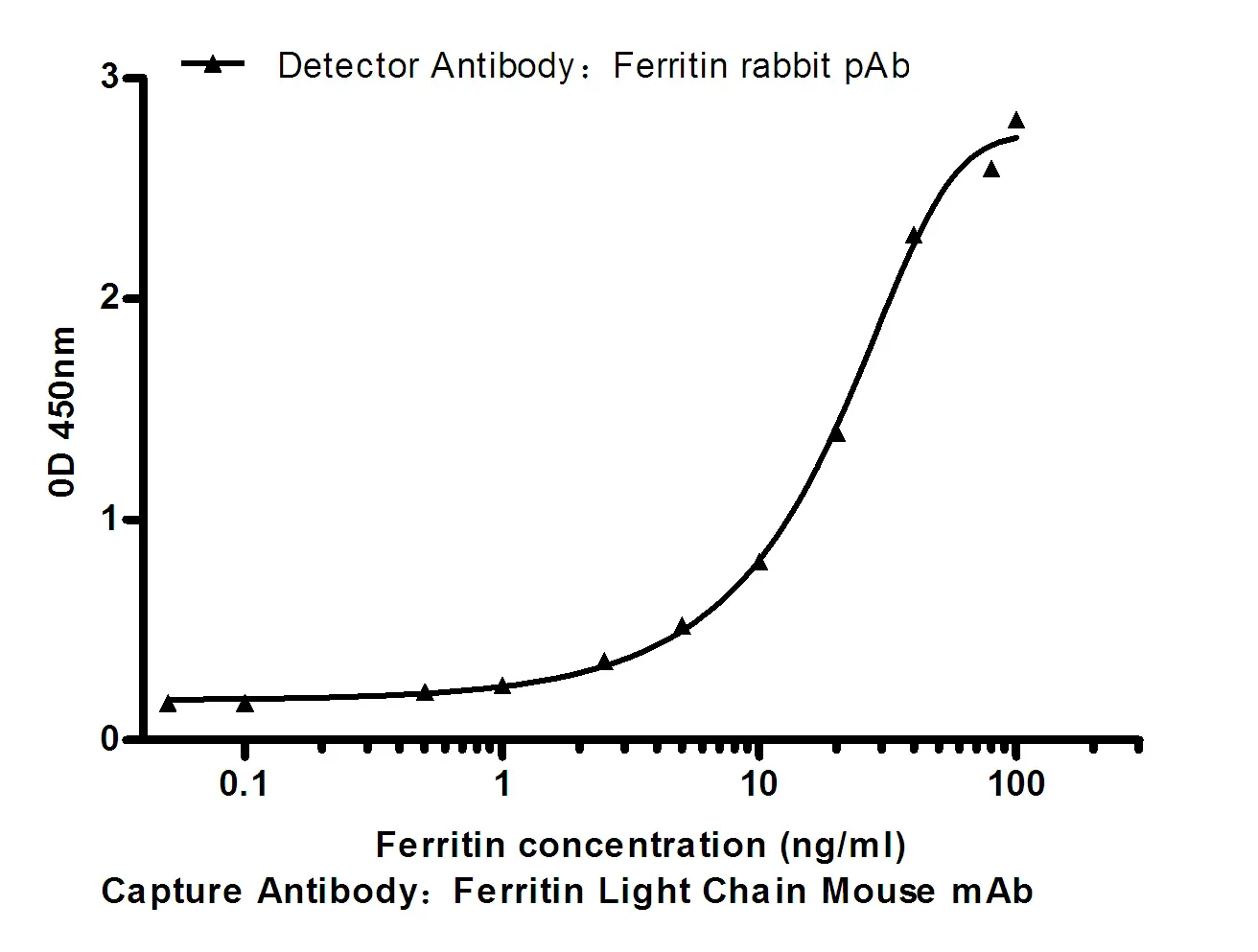
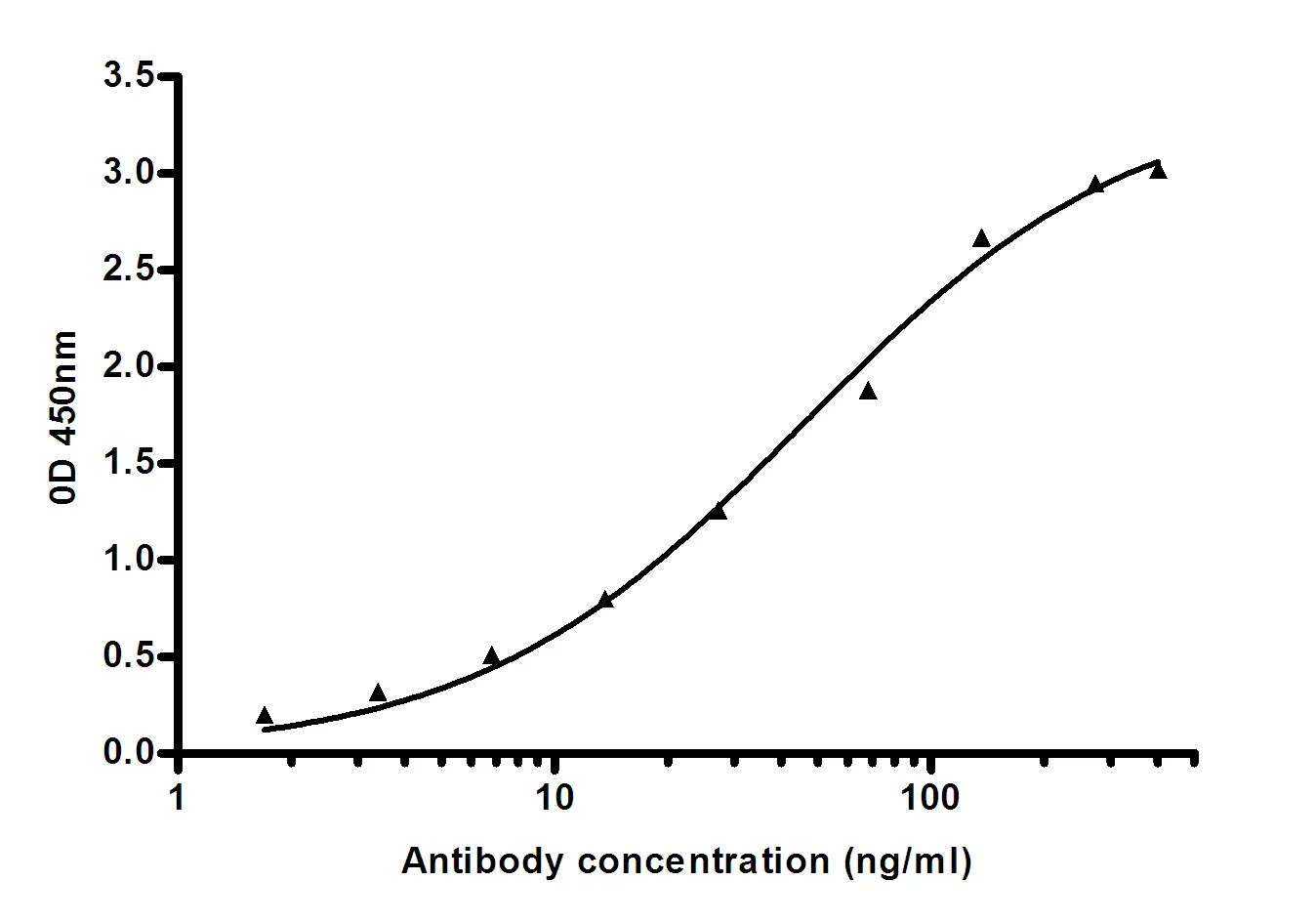
| アプリケーション | WB,ELISA |
| 希釈倍率 | WB 1:500-1:2000,ELISA 1:10000-1:20000 |
| 分子量 | 130kDa |
研究分野
| Alzheimer's disease; |
背景
| この遺伝子によってコードされるタンパク質は、真核生物翻訳開始因子2のαサブユニットをリン酸化して不活性化し、その結果、翻訳開始が急速に減少し、全体的なタンパク質合成が抑制されます。このタンパク質はミトコンドリアの機能を調節すると考えられています。これはI型膜タンパク質で、小胞体(ER)に位置し、異常折り畳みタンパク質によるERストレスによって誘導されます。この遺伝子の変異は、ウォルコット・ラリソン症候群と関連しています。[RefSeq提供、2015年9月],触媒活性:ATP + タンパク質 = ADP + リン酸化タンパク質。,疾患:EIF2AK3の欠陥は、ウォルコット・ラリソン症候群(WRS)[MIM:226980]の原因です。これは、早発性糖尿病を伴う多発性骨端線異形成症としても知られています。 WRS は、新生児期または乳児期早期のインスリン依存性糖尿病を特徴とするまれな常染色体劣性疾患であり、その後、骨端線異形成、骨粗鬆症、成長遅延、ならびに肝機能障害や腎機能障害、精神遅滞、心血管異常などの他の多臓器症状を呈する。,ドメイン:内腔ドメインは、おそらく HSPA5/BIP との可逆的な相互作用を介して、ER におけるタンパク質フォールディングの摂動を感知する。,酵素調節:小胞体 (ER) におけるタンパク質フォールディングの摂動は、HSPA5/BIP からの可逆的な解離およびオリゴマー化を促進し、その結果、トランスオートリン酸化およびキナーゼ活性の誘導を引き起こす。,機能:真核生物翻訳開始因子 2 (EIF2) のアルファ サブユニットをリン酸化して不活性化し、それによって翻訳開始が急速に減少し、全体的なタンパク質合成が抑制される。サイクリンD1の喪失による、小胞体ストレス応答(UPR)誘導性のG1期成長停止の重要なエフェクターとして機能する。,誘導:ERストレスによる。,PTM:自己リン酸化される。,PTM:N-グリコシル化される。,類似性:タンパク質キナーゼスーパーファミリーに属する。,類似性:タンパク質キナーゼスーパーファミリーに属する。Ser/Thrタンパク質キナーゼファミリー。GCN2サブファミリー。,類似性:1つのタンパク質キナーゼドメインを含む。,サブユニット:休止細胞ではHSPA5/BIPと二量体を形成する。ERストレス細胞ではオリゴマーを形成する。DNAJC3と相互作用する。,組織特異性:普遍的に存在する。分泌組織で高発現が認められる。, |