NGEPウサギポリクローナル抗体
コンジュゲーション: 非共役
ウサギポリクローナル抗体
アプリケーション
反応性
ヒト、ラット、マウス
遺伝子名
ANO7
保存
小分けして-20℃で保存してください(12ヶ月間有効)。凍結融解サイクルは避けてください。
要約
| 製品名 | NGEPウサギポリクローナル抗体 |
| 説明 | ウサギポリクローナル抗体 |
| 宿主 | うさぎ |
| 反応性 | ヒト、ラット、マウス |
| コンジュゲーション | 非共役 |
| 修飾 | 未修正 |
| アイソタイプ | IgG |
| クローン性 | ポリクローナル |
| 形態 | 液体 |
| 濃度 | 非共役 |
| 保存 | 小分けして-20℃で保存してください(12ヶ月間有効)。凍結融解サイクルは避けてください。 |
| 配送 | 氷嚢。 |
| バッファー | 50% グリセロール、0.5% 保護タンパク質、0.02% 新タイプ防腐剤 N を含む PBS 液。 |
| 精製 | アフィニティー精製 |
抗原情報
| 遺伝子名 | ANO7 |
| 別名 | ANO7; NGEP; PCANAP5; TMEM16G; Anoctamin-7; Dresden transmembrane protein of the prostate; D-TMPP; IPCA-5; New gene expressed in prostate; Prostate cancer-associated protein 5; Transmembrane protein 16G |
| 遺伝子ID | 50636 |
| SwissProt ID | Q6IWH7 |
| 免疫原 | 抗血清はヒトTM16G由来の合成ペプチドに対して作製された。アミノ酸範囲:881-930 |
アプリケーション
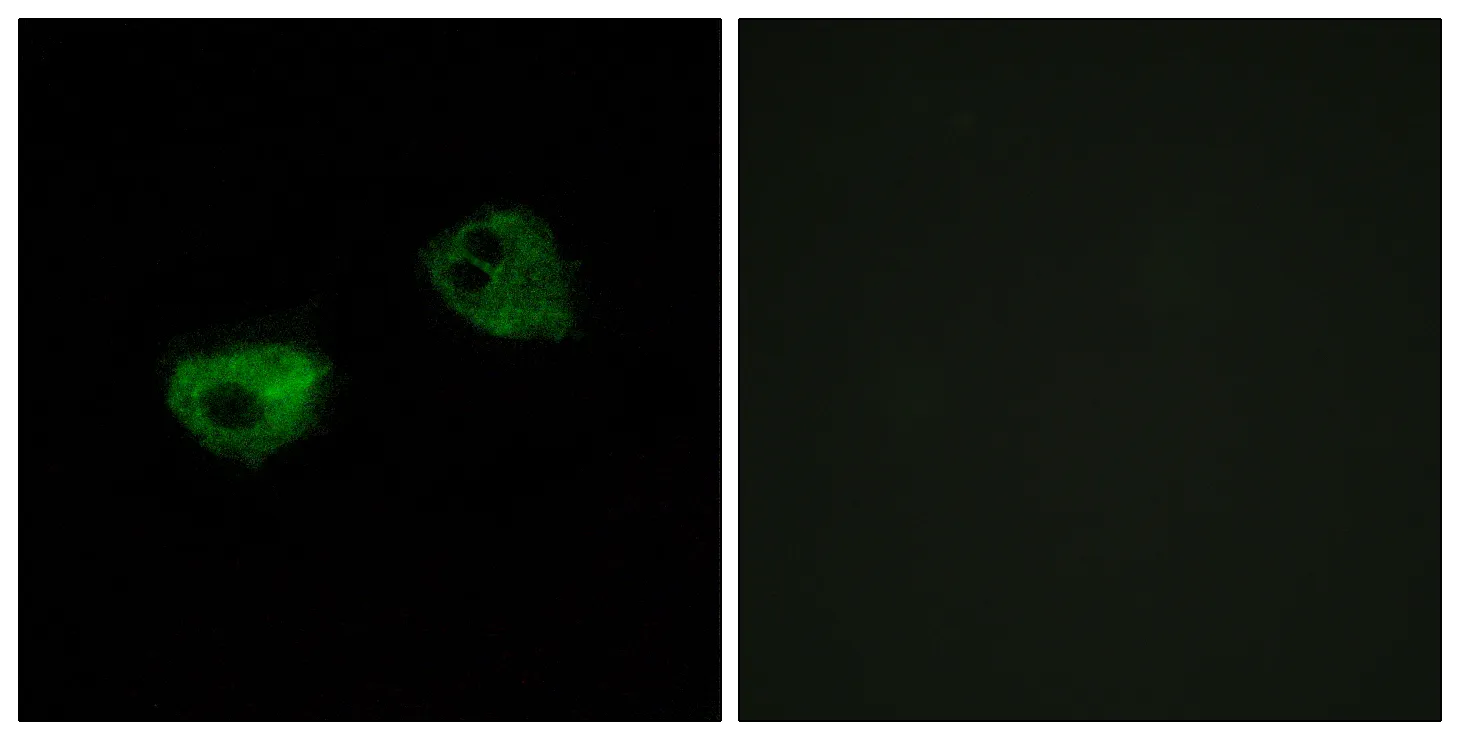
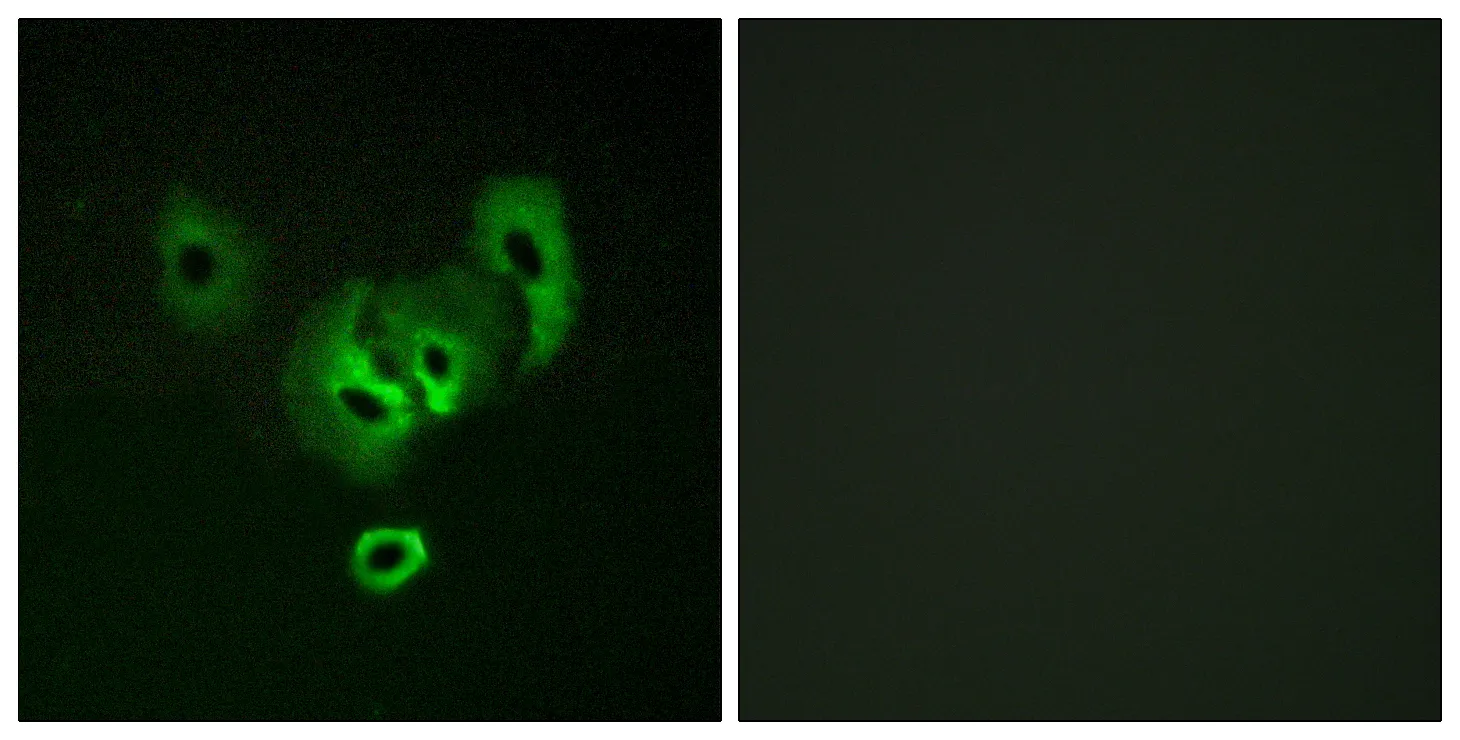
| アプリケーション | WB,IHC,ICC/IF,ELISA |
| 希釈倍率 | WB 1:500-1:2000,IHC 1:100-1:300,ICC/IF 1:200-1:1000,ELISA 1:10000-1:20000 |
| 分子量 | 105kDa |
研究分野
| Signal Transduction; Metabolism; Plasma Membrane; Channels |
背景
| この前立腺特異的遺伝子は、細胞質タンパク質と、前立腺癌の診断および免疫療法の標的となる可能性のある多面的膜タンパク質をコードしています。選択的スプライシングにより、異なるアイソフォームをコードする複数の転写産物バリアントが生成されます。[RefSeq提供、2011年8月],注意:Met-1とMet-55のどちらがイニシエーターであるかは不明です。,機能:カルシウム活性化塩素イオンチャネルとして作用する可能性があります。細胞間相互作用において役割を果たす可能性があります。,誘導:アンドロゲンによってアップレギュレーションされます。,類似性:アノクタミンファミリーに属します。,細胞内局在:細胞間接触部位に集中します。,組織特異性:前立腺上皮細胞で特異的に発現します(タンパク質レベル)。, |