

NFκB-p105(リン酸化Ser927)ウサギポリクローナル抗体
コンジュゲーション: 非共役
ウサギポリクローナル抗体
アプリケーション
反応性
ヒト、マウス
遺伝子名
NFKB1
保存
小分けして-20℃で保存してください(12ヶ月間有効)。凍結融解サイクルは避けてください。
要約
| 製品名 | NFκB-p105(リン酸化Ser927)ウサギポリクローナル抗体 |
| 説明 | ウサギポリクローナル抗体 |
| 宿主 | うさぎ |
| 反応性 | ヒト、マウス |
| コンジュゲーション | 非共役 |
| 修飾 | リン酸化 |
| アイソタイプ | IgG |
| クローン性 | ポリクローナル |
| 形態 | 液体 |
| 濃度 | 非共役 |
| 保存 | 小分けして-20℃で保存してください(12ヶ月間有効)。凍結融解サイクルは避けてください。 |
| 配送 | 氷嚢。 |
| バッファー | 50% グリセロール、0.5% 保護タンパク質、0.02% 新タイプ防腐剤 N を含む PBS 液。 |
| 精製 | アフィニティー精製 |
抗原情報
| 遺伝子名 | NFKB1 |
| 別名 | NFKB1; Nuclear factor NF-kappa-B p105 subunit; DNA-binding factor KBF1; EBP-1; Nuclear factor of kappa light polypeptide gene enhancer in B-cells 1 |
| 遺伝子ID | 4790 |
| SwissProt ID | P19838 |
| 免疫原 | 抗血清は、Ser927のリン酸化部位周辺のヒトNF-κB p105/p50由来の合成ペプチドに対して作製された。アミノ酸範囲:896-945 |
アプリケーション
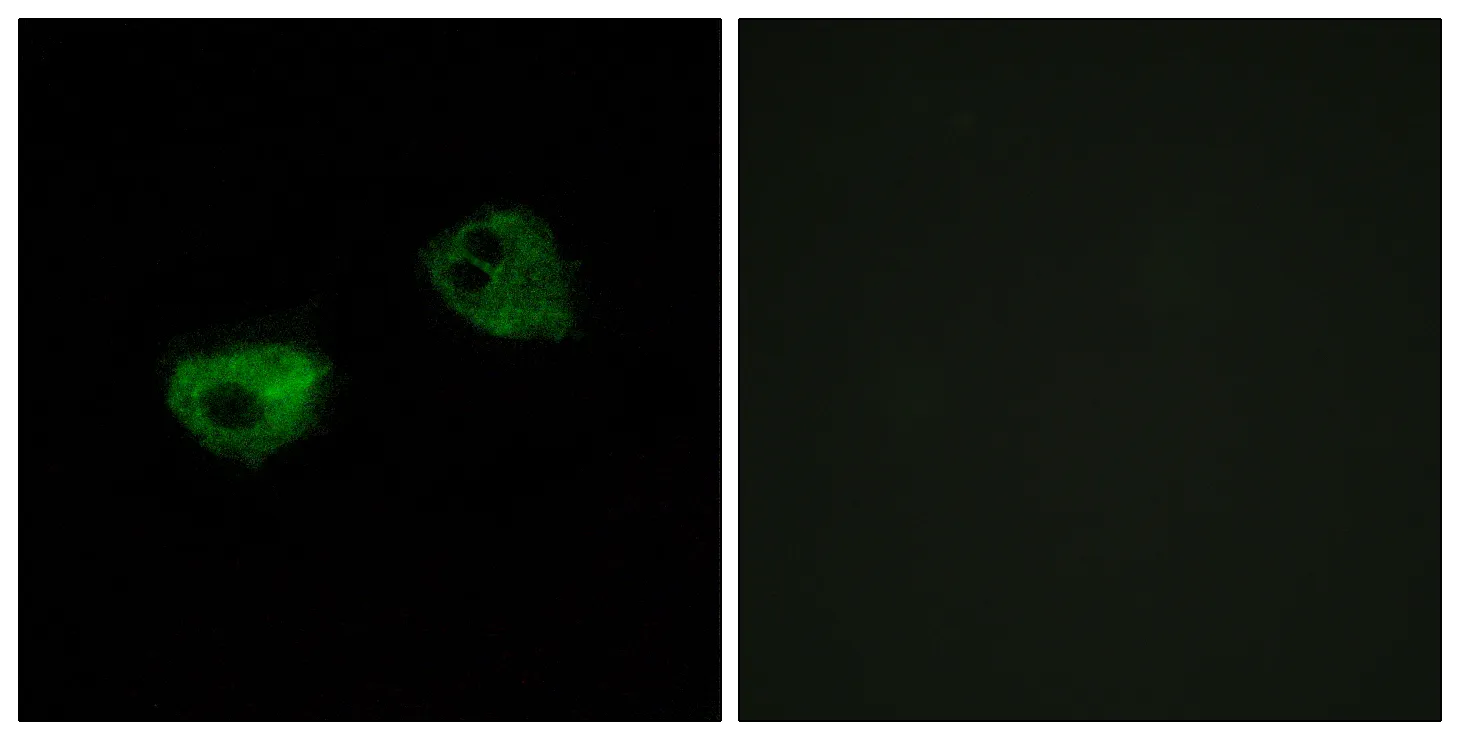
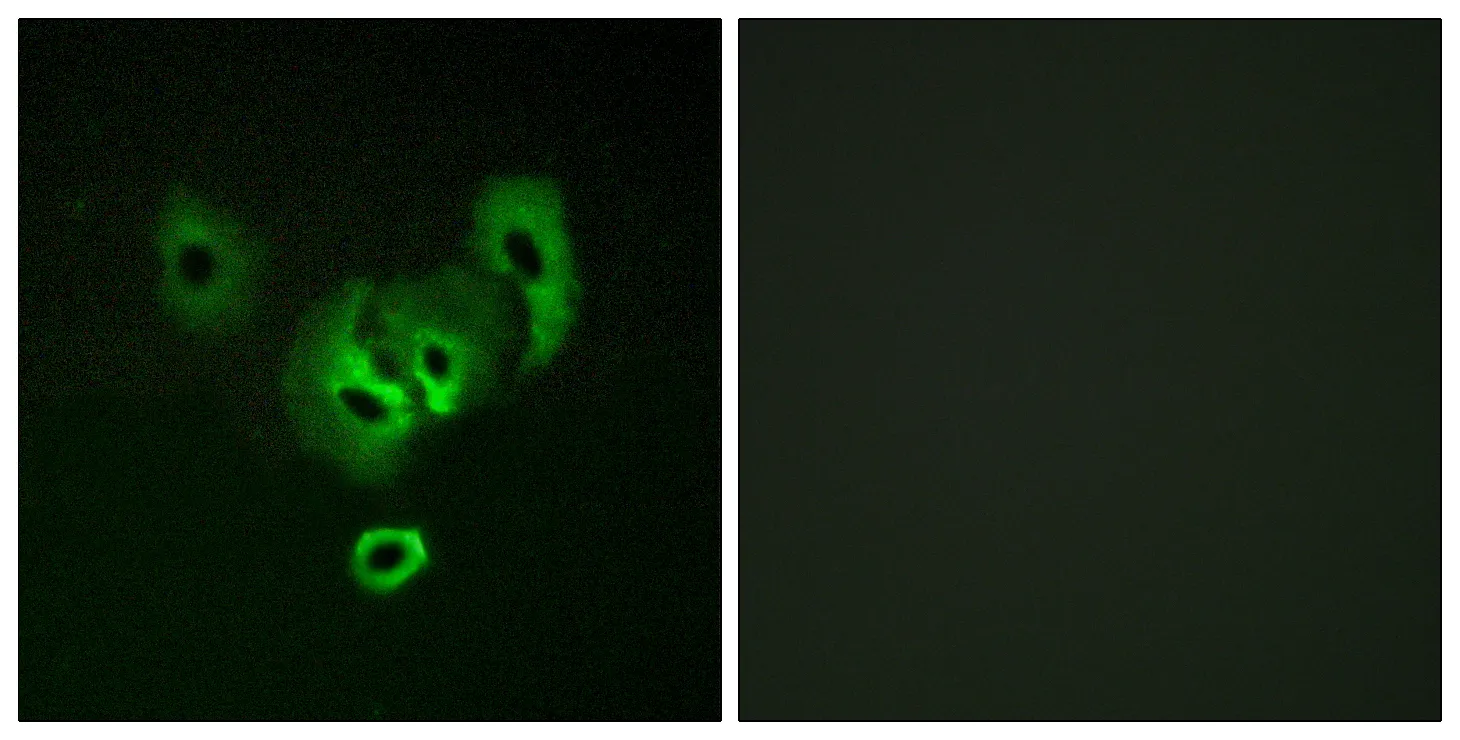
| アプリケーション | WB,IHC,ICC/IF,ELISA |
| 希釈倍率 | WB 1:500-1:2000,IHC 1:100-1:300,ICC/IF 1:200-1:1000,ELISA 1:10000-1:20000 |
| 分子量 | 110kDa |
研究分野
| T_Cell_Receptor; B_Cell_Antigen; Stem cell pathway; Toll_Like; MAPK_ERK_Growth;MAPK_G_Protein; PI3K/Akt; Protein_Acetylation |
背景
| 核因子κBサブユニット1(NFKB1)ホモサピエンス この遺伝子は105kDのタンパク質をコードしており、26Sプロテアソームによる共翻訳プロセシングを受けて50kDのタンパク質を生成します。105kDのタンパク質はRelタンパク質特異的転写阻害因子であり、50kDのタンパク質はNF-κB(NFKB)タンパク質複合体のDNA結合サブユニットです。NFKBは、サイトカイン、酸化フリーラジカル、紫外線照射、細菌またはウイルス産物などのさまざまな細胞内外刺激によって活性化される転写制御因子です。活性化されたNFKBは核に移行し、さまざまな生物学的機能に関与する遺伝子の発現を刺激します。NFKBの不適切な活性化は多くの炎症性疾患に関連しており、NFKBの持続的な阻害は不適切な免疫細胞の発達や細胞増殖の遅延につながります。選択的スプライシングにより、異なるアイソフォームをコードする複数の転写産物バリアントが生成されます。ドメイン:グリシンリッチ領域(GRR)は、p50の生成に不可欠な要素であると考えられます。ドメイン:p105のC末端は、細胞質保持、DNA結合の阻害、および転写活性化に関与している可能性があります。機能:NF-κBは、ほぼすべての細胞タイプに存在する多面的転写因子であり、炎症、免疫、分化、細胞増殖、腫瘍形成、アポトーシスなどの多くの生物学的プロセスに関与しています。NF-κBは、Rel様ドメインを含むタンパク質RELA/p65、RELB、NFKB1/p105、NFKB1/p50、REL、およびNFKB2/p52によって形成されるホモまたはヘテロ二量体複合体であり、ヘテロ二量体のp65-p50複合体が最も豊富であると考えられます。二量体は標的遺伝子の DNA の κB 部位に結合し、個々の二量体は異なる κB 部位に対して明確な親和性および特異性を持って結合することを好みます。異なる二量体の組み合わせは、それぞれ転写活性化因子または転写抑制因子として作用します。NF-κB は、翻訳後修飾および細胞内区画化のさまざまなメカニズム、ならびに他の補因子またはコリプレッサーとの相互作用によって制御されます。NF-κB 複合体は、NF-κB 阻害因子 (I-κB) ファミリーのメンバーと複合体を形成し、不活性状態で細胞質内に保持されます。従来の活性化経路では、I-κB はさまざまな活性化因子に反応して I-κB キナーゼ (IKK) によってリン酸化され、その後分解されて活性 NF-κB 複合体が遊離し、核に移行します。 NF-κBヘテロ二量体p65-p50複合体およびRelB-p50複合体は転写活性化因子である。NF-κB p50-p50ホモ二量体は転写抑制因子であるが、BCL3と結合すると転写活性化因子として作用する。NFKB1は、p105による結合したNF-κBタンパク質の細胞質内保持と、共翻訳プロセシングによるp50の生成という二重の機能を有すると考えられる。 |