

NFATc3(リン酸化Ser165)ウサギポリクローナル抗体
コンジュゲーション: 非共役
ウサギポリクローナル抗体
アプリケーション
反応性
ヒト、マウス
遺伝子名
NFATC3
保存
小分けして-20℃で保存してください(12ヶ月間有効)。凍結融解サイクルは避けてください。
要約
| 製品名 | NFATc3(リン酸化Ser165)ウサギポリクローナル抗体 |
| 説明 | ウサギポリクローナル抗体 |
| 宿主 | うさぎ |
| 反応性 | ヒト、マウス |
| コンジュゲーション | 非共役 |
| 修飾 | リン酸化 |
| アイソタイプ | IgG |
| クローン性 | ポリクローナル |
| 形態 | 液体 |
| 濃度 | 非共役 |
| 保存 | 小分けして-20℃で保存してください(12ヶ月間有効)。凍結融解サイクルは避けてください。 |
| 配送 | 氷嚢。 |
| バッファー | 50% グリセロール、0.5% 保護タンパク質、0.02% 新タイプ防腐剤 N を含む PBS 液。 |
| 精製 | アフィニティー精製 |
抗原情報
| 遺伝子名 | NFATC3 |
| 別名 | NFATC3; NFAT4; Nuclear factor of activated T-cells; cytoplasmic 3; NF-ATc3; NFATc3; NFATx; T-cell transcription factor NFAT4; NF-AT4 |
| 遺伝子ID | 4775 |
| SwissProt ID | Q12968 |
| 免疫原 | 抗血清は、Ser165のリン酸化部位周辺のヒトNFAT4由来の合成ペプチドに対して作製された。アミノ酸範囲:131-180 |
アプリケーション
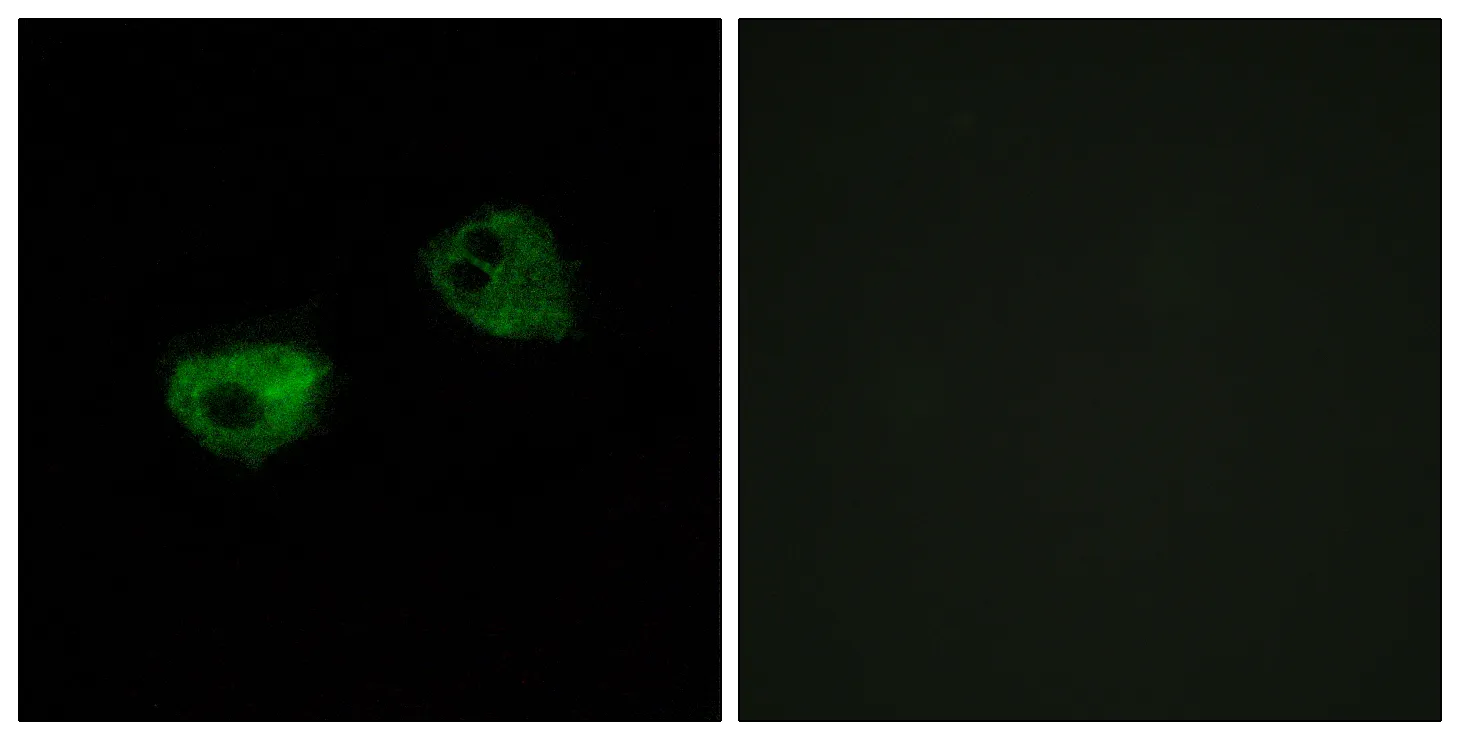
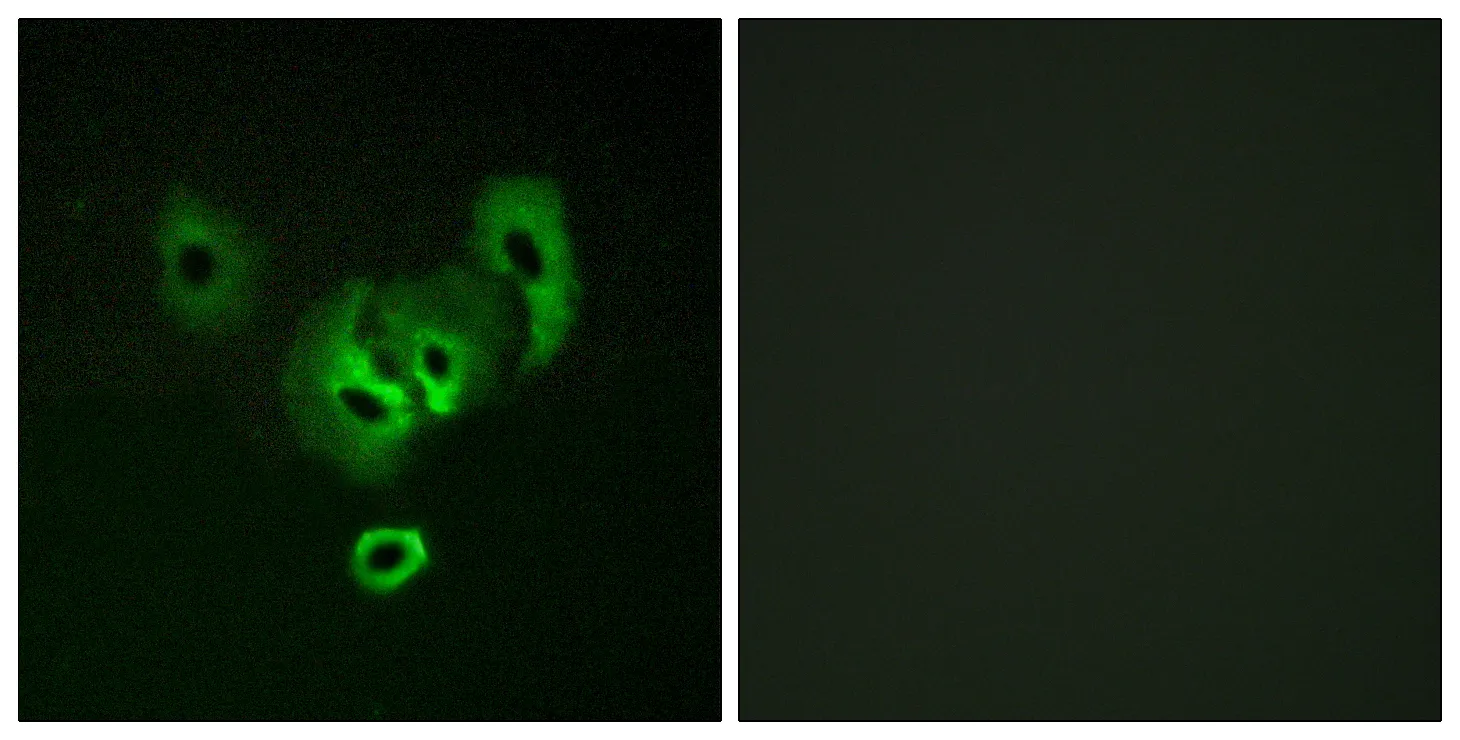
| アプリケーション | WB,IHC,ICC/IF,ELISA |
| 希釈倍率 | WB 1:500-1:2000,IHC 1:100-1:300,ICC/IF 1:200-1:1000,ELISA 1:5000-1:10000 |
| 分子量 | 115kDa |
研究分野
| WNT;WNT-T CELLAxon guidance;VEGF;Natural killer cell mediated cytotoxicity;T_Cell_Receptor;B_Cell_Antigen; |
背景
| この遺伝子産物は、活性化 T 細胞核因子 DNA 結合転写複合体のメンバーです。この複合体は、少なくとも 2 つの成分、つまり T 細胞受容体 (TCR) 刺激により核に移行する既存の細胞質成分と誘導性核成分から構成されます。このファミリーの他のメンバーもこの複合体の形成に関与します。この遺伝子産物は、T 細胞および未熟胸腺細胞における遺伝子発現の調節に役割を果たします。この遺伝子については、異なるアイソフォームをコードするいくつかの転写バリアントが特定されています。[RefSeq 提供、2010 年 11 月],ドメイン:Rel 類似性ドメイン (RSD) は、DNA 結合および AP1 因子との協調的相互作用を可能にします。,機能:T 細胞におけるサイトカイン遺伝子の誘導発現、特に IL-2 の誘導に役割を果たします。,PTM:NFATC キナーゼによってリン酸化されます。カルシニューリンによって脱リン酸化される。,類似性:1つのRHD(Rel様)ドメインを含む。,細胞内局在:リン酸化型は細胞質内に、カルシニューリンを介した脱リン酸化によって制御される活性化後は核内に局在する。NFATCが速やかに核から排出されることは、細胞が持続性カルシウムシグナルと一過性カルシウムシグナルを区別するメカニズムの1つであると考えられている。NFATCの細胞内局在は、遺伝子転写の調節において重要な役割を果たしている。,サブユニット:多成分NFATC転写複合体のメンバーであり、少なくとも2つの成分、既存の細胞質成分NFATC2と誘導性核成分NFATC1で構成される。NFATC4、NFATC3などの他のメンバー、または活性化タンパク質1ファミリー、MAF、GATA4、Cbp/p300のメンバーもこの複合体に結合できる。 NFATCタンパク質はモノマーとしてDNAに結合します。,組織特異性:アイソフォーム1は主に胸腺に発現し、末梢血白血球および腎臓にも存在します。アイソフォーム2は主に骨格筋に発現し、胸腺、腎臓、精巣、脾臓、前立腺、卵巣、小腸、心臓、胎盤、膵臓にも存在します。アイソフォーム3は胸腺と腎臓に発現します。アイソフォーム4は胸腺と骨格筋に発現します。, |