

NDUFS7 Rabbit Polyclonal Antibody

NDUFS7 Rabbit Polyclonal Antibody

Cat: APRab14519
Boyut:20μL Fiyat:$99_x000D_
Boyut:50μL Fiyat:$118_x000D_
Boyut:100μL Fiyat:$220_x000D_
Boyut:200μL Fiyat:$380_x000D_
Uygulama:IHC,ICC/IF,ELISA
Reaktivite:Human,Mouse,Rat
Konjuge:Unconjugated
İsteğe bağlı konjugeler: Biotin, FITC (ücretsiz). Diğer 26 konjugatı görün.

Gen Adı:NDUFS7
Category: ポリクローナル抗体 Tags: , , , , , , , , ,
NDUFS7 Rabbit Polyclonal Antibody
Konjugasyon: Unconjugated
Rabbit polyclonal Antibody
Uygulama
IHC  ICC/IF  ELISA IHC,ICC/IF,ELISA
Reaktivite
Human,Mouse,Rat
Gen Adı
NDUFS7
Saklama
Aliquot and store at -20°C (valid for 12 months). Avoid freeze/thaw cycles.
Özet
Ürün Adı NDUFS7 Rabbit Polyclonal Antibody
Açıklama Rabbit polyclonal Antibody
Konak Rabbit
Reaktivite Human,Mouse,Rat
Konjugasyon Unconjugated
Modifikasyon Unmodified
İzotip IgG
Klonalite Polyclonal
Form Liquid
Konsantrasyon Unconjugated
Saklama Aliquot and store at -20°C (valid for 12 months). Avoid freeze/thaw cycles.
Nakliye Ice bags.
Tampon Liquid in PBS containing 50% glycerol, 0.5% protective protein and 0.02% New type preservative N.
Saflaştırma Affinity purification
Antijen Bilgisi
Gen Adı NDUFS7
Alternatif İsimler NDUFS7; NADH dehydrogenase [ubiquinone] iron-sulfur protein 7; mitochondrial; Complex I-20kD; CI-20kD; NADH-ubiquinone oxidoreductase 20 kDa subunit; PSST subunit
Gen Kimliği 374291
SwissProt Kimliği O75251
İmmünojen The antiserum was produced against synthesized peptide derived from human NDUFS7. AA range:164-213
Uygulama
Uygulama IHC,ICC/IF,ELISA
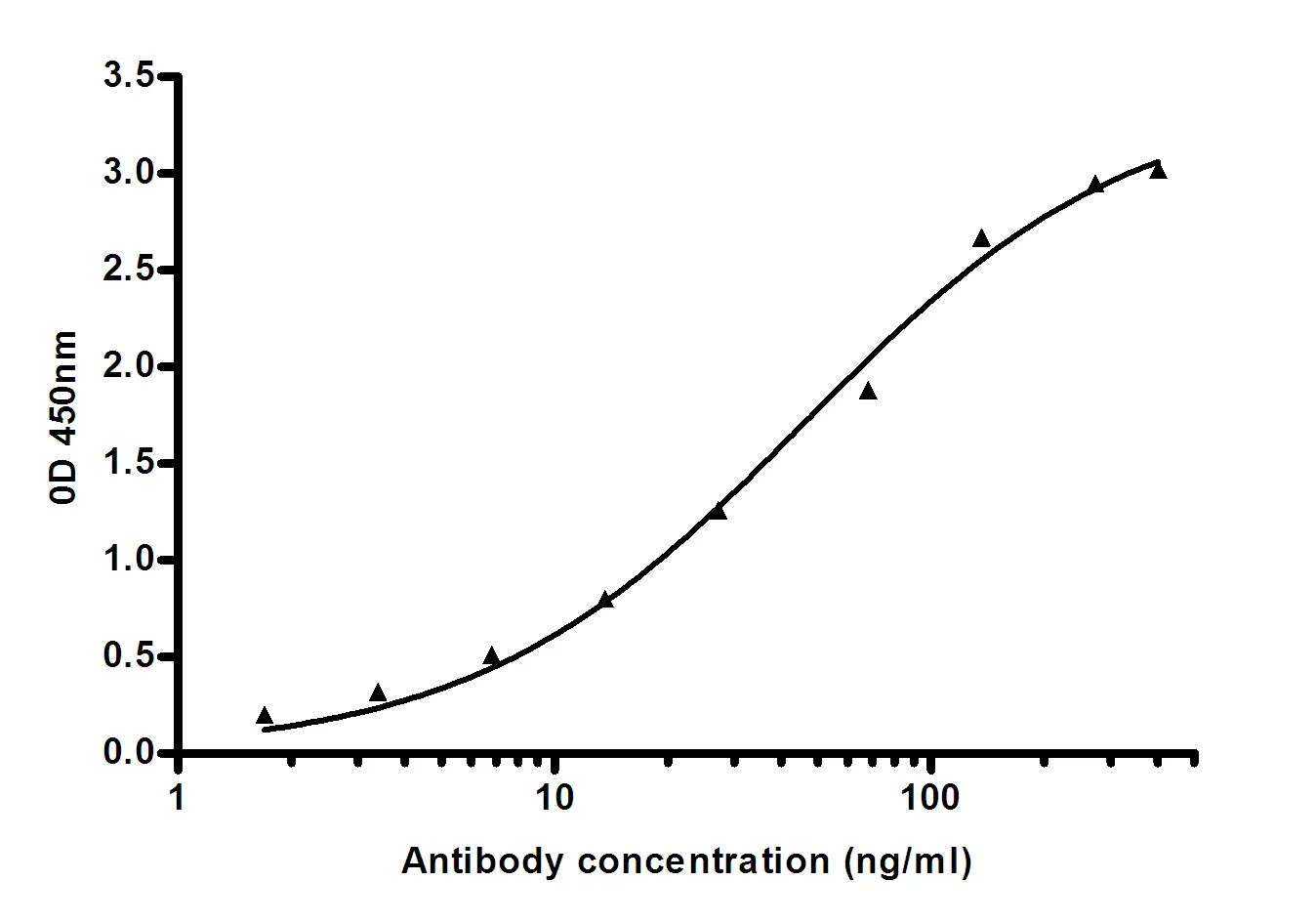
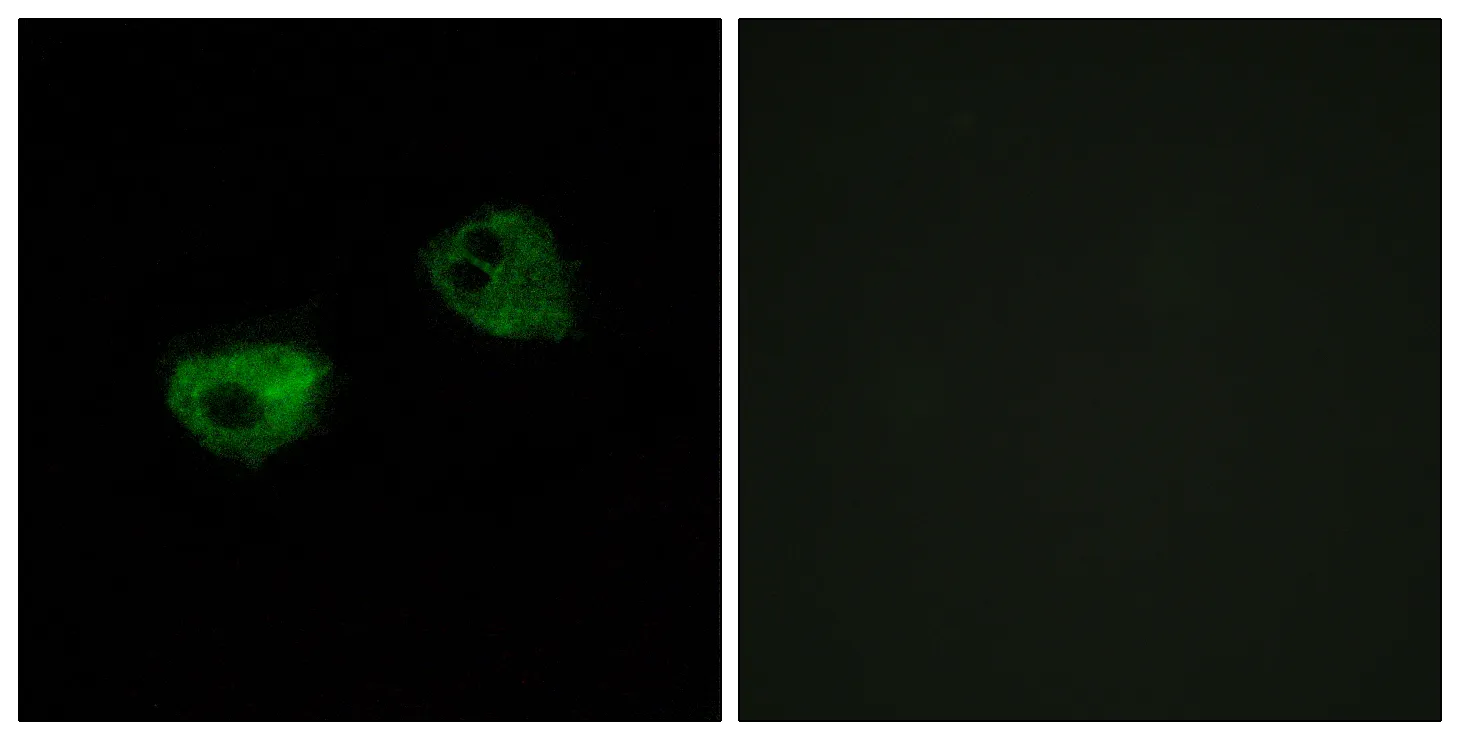
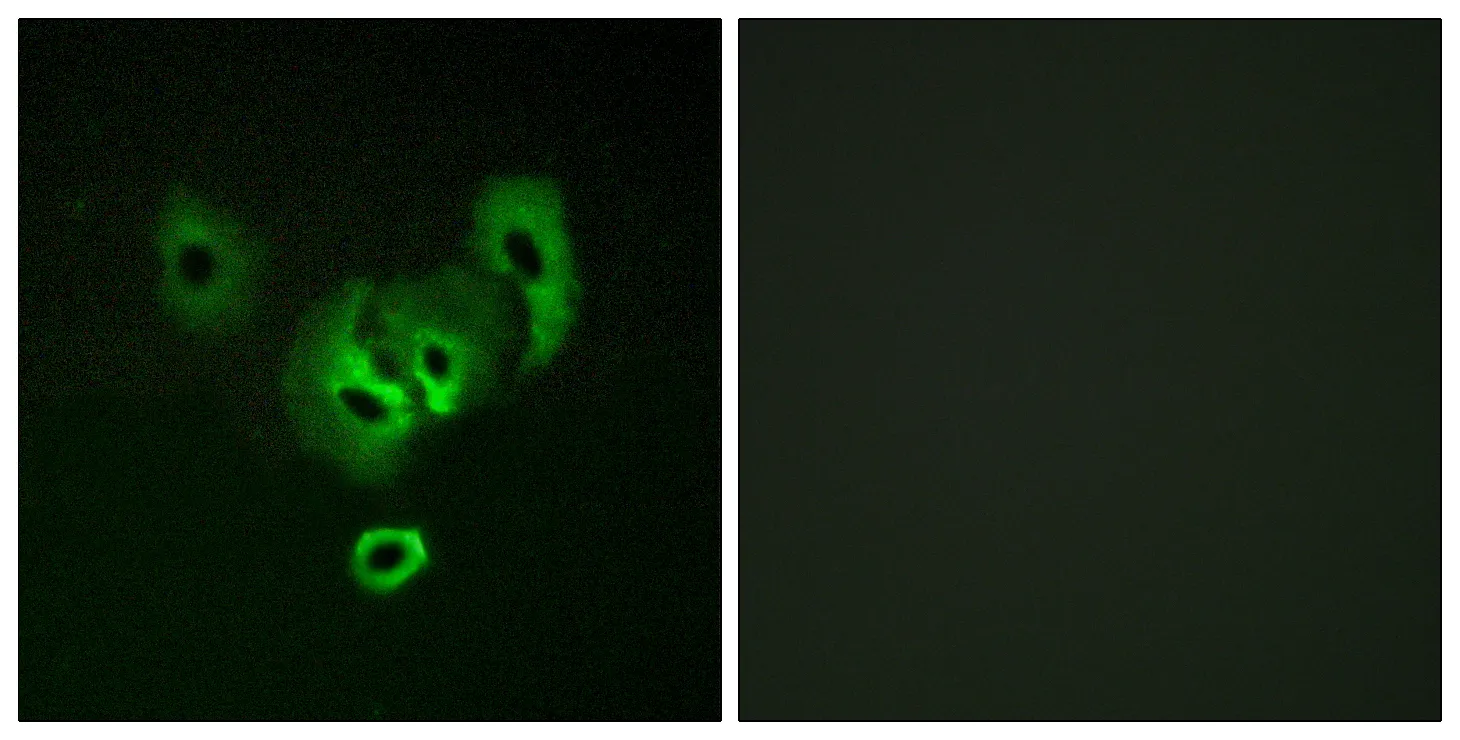
Seyreltme Oranı IHC 1:100-1:300,ICC/IF 1:50-1:200,ELISA 1:20000-1:40000
Moleküler Ağırlık -
Araştırma Alanı
Oxidative phosphorylation;Alzheimer's disease;Parkinson's disease;Huntington's disease;
Arka Plan
This gene encodes a protein that is a subunit of one of the complexes that forms the mitochondrial respiratory chain. This protein is one of over 40 subunits found in complex I, the nicotinamide adenine dinucleotide (NADH):ubiquinone oxidoreductase. This complex functions in the transfer of electrons from NADH to the respiratory chain, and ubiquinone is believed to be the immediate electron acceptor for the enzyme. Mutations in this gene cause Leigh syndrome due to mitochondrial complex I deficiency, a severe neurological disorder that results in bilaterally symmetrical necrotic lesions in subcortical brain regions. [provided by RefSeq, Jul 2008],catalytic activity:NADH + acceptor = NAD(+) + reduced acceptor.,catalytic activity:NADH + ubiquinone = NAD(+) + ubiquinol.,cofactor:Binds 1 4Fe-4S cluster .,disease:Defects in NDUFS7 are a cause of complex I mitochondrial respiratory chain deficiency [MIM:252010]. Complex I (NADH-ubiquinone oxidoreductase), the largest complex of the mitochondrial respiratory chain, contains more than 40 subunits. It is embedded in the inner mitochondrial membrane and is partly protruding in the matrix. Complex I deficiency is the most common cause of mitochondrial disorders. It represents largely one-third of all cases of respiratory chain deficiency and is responsible for a variety of clinical symptoms, ranging from neurological disorders to cardiomyopathy, liver failure, and myopathy.,disease:Defects in NDUFS7 are a cause of Leigh syndrome (LS) [MIM:256000]. LS is a severe neurological disorder characterized by bilaterally symmetrical necrotic lesions in subcortical brain regions.,function:Core subunit of the mitochondrial membrane respiratory chain NADH dehydrogenase (Complex I) that is believed to belong to the minimal assembly required for catalysis. Complex I functions in the transfer of electrons from NADH to the respiratory chain. The immediate electron acceptor for the enzyme is believed to be ubiquinone.,similarity:Belongs to the complex I 20 kDa subunit family.,subunit:Complex I is composed of 45 different subunits This is a component of the iron-sulfur (IP) fragment of the enzyme.,
   💬 WhatsApp