

NDUFB9ウサギポリクローナル抗体
コンジュゲーション: 非共役
ウサギポリクローナル抗体
アプリケーション
反応性
ヒト、ラット、マウス
遺伝子名
NDUFB9
保存
小分けして-20℃で保存してください(12ヶ月間有効)。凍結融解サイクルは避けてください。
要約
| 製品名 | NDUFB9ウサギポリクローナル抗体 |
| 説明 | ウサギポリクローナル抗体 |
| 宿主 | うさぎ |
| 反応性 | ヒト、ラット、マウス |
| コンジュゲーション | 非共役 |
| 修飾 | 未修正 |
| アイソタイプ | IgG |
| クローン性 | ポリクローナル |
| 形態 | 液体 |
| 濃度 | 非共役 |
| 保存 | 小分けして-20℃で保存してください(12ヶ月間有効)。凍結融解サイクルは避けてください。 |
| 配送 | 氷嚢。 |
| バッファー | 50% グリセロール、0.5% 保護タンパク質、0.02% 新タイプ防腐剤 N を含む PBS 液。 |
| 精製 | アフィニティー精製 |
抗原情報
| 遺伝子名 | NDUFB9 |
| 別名 | NDUFB9; LYRM3; UQOR22; NADH dehydrogenase [ubiquinone] 1 beta subcomplex subunit 9; Complex I-B22; CI-B22; LYR motif-containing protein 3; NADH-ubiquinone oxidoreductase B22 subunit |
| 遺伝子ID | 4715 |
| SwissProt ID | Q9Y6M9 |
| 免疫原 | 抗血清はヒトNDUFB9由来の合成ペプチドに対して作製された。アミノ酸範囲:102-151 |
アプリケーション
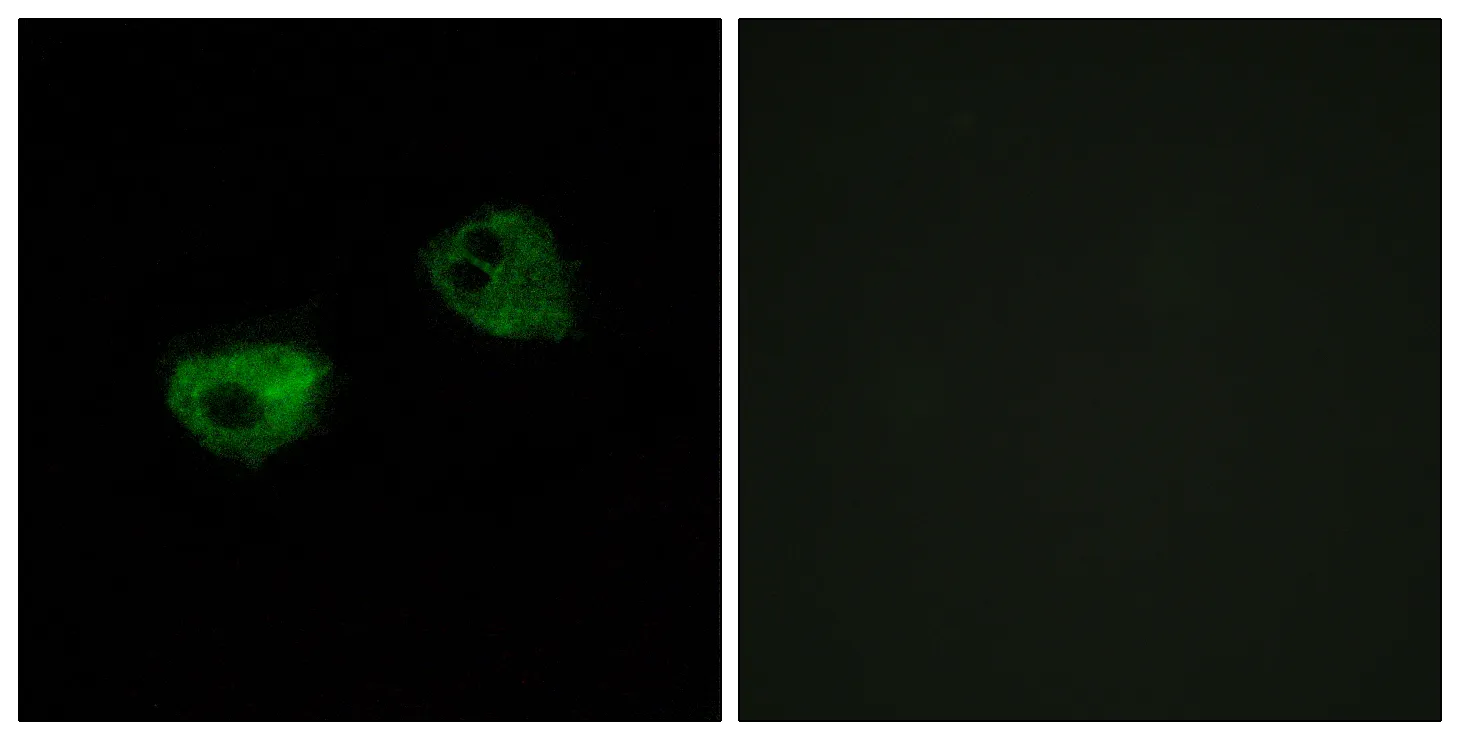
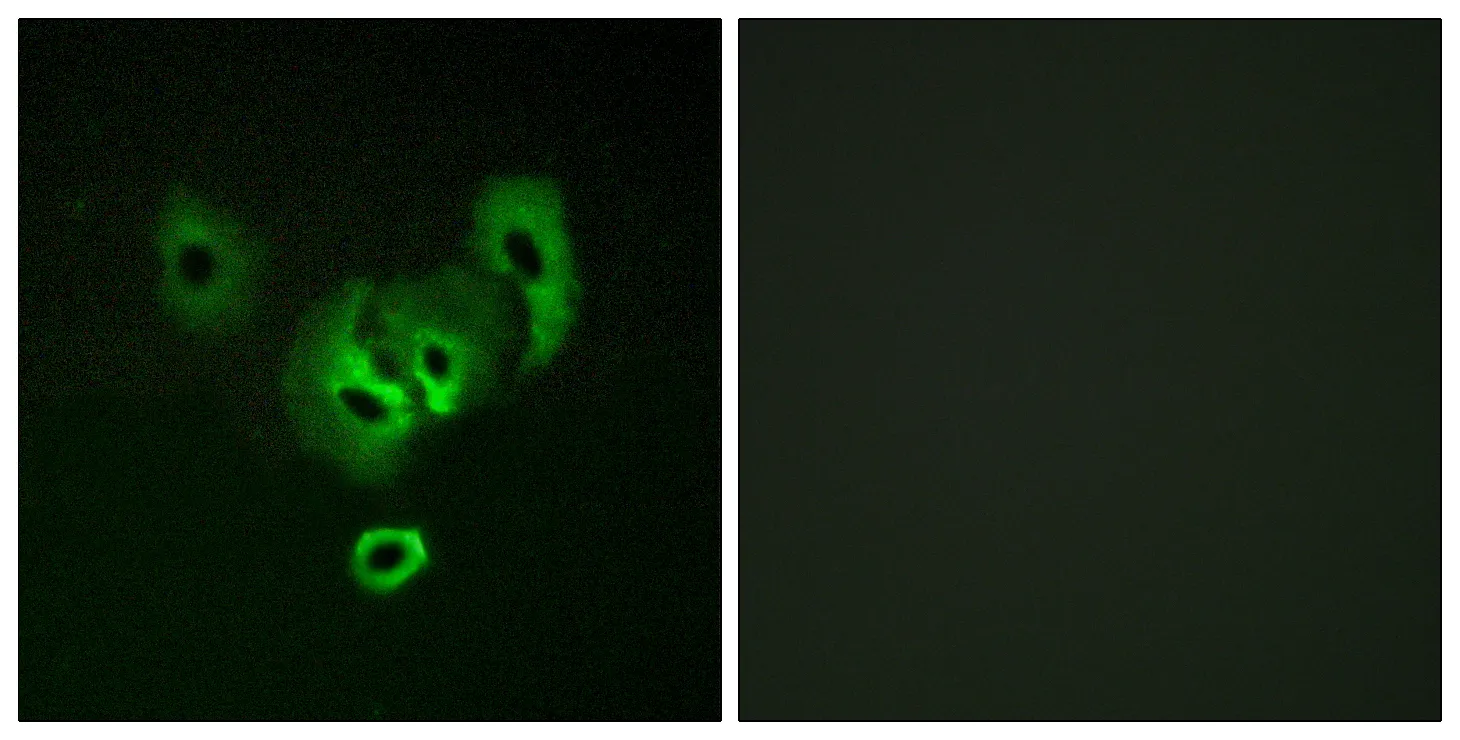
| アプリケーション | WB,IHC,ICC/IF,ELISA |
| 希釈倍率 | WB 1:500-1:2000,IHC 1:100-1:300,ICC/IF 1:50-1:200,ELISA 1:5000-1:20000 |
| 分子量 | 22kDa |
研究分野
| Oxidative phosphorylation;Alzheimer's disease;Parkinson's disease;Huntington's disease; |
背景
| この遺伝子によってコードされるタンパク質は、ミトコンドリア酸化リン酸化複合体I(ニコチンアミドアデニンジヌクレオチド:ユビキノン酸化還元酵素)のサブユニットです。複合体Iはミトコンドリア内膜に局在し、ニコチンアミドアデニンジヌクレオチドの脱水素反応とコエンザイムQへの電子伝達を担います。複合体Iの欠損は、酸化リン酸化疾患において最もよく見られる欠陥であり、致死的な新生児疾患、肥大型心筋症、肝疾患、成人発症型神経変性疾患など、様々な病態を引き起こします。この遺伝子の偽遺伝子は、5番染色体、7番染色体、8番染色体上に存在します。選択的スプライシングにより、複数の転写産物バリアントが生じます。 [RefSeq提供、2015年7月],機能:ミトコンドリア膜呼吸鎖NADH脱水素酵素(複合体I)の補助サブユニット。触媒作用には関与していないと考えられている。複合体IはNADHから呼吸鎖への電子伝達に機能する。この酵素の直接電子受容体はユビキノンであると考えられている。,類似性:複合体I LYRファミリーに属する。,サブユニット:哺乳類の複合体Iは45の異なるサブユニットから構成される。, |