

ND1ウサギポリクローナル抗体
コンジュゲーション: 非共役
ウサギポリクローナル抗体
アプリケーション
反応性
ヒト、ラット、マウス
遺伝子名
MT-ND1
保存
小分けして-20℃で保存してください(12ヶ月間有効)。凍結融解サイクルは避けてください。
要約
| 製品名 | ND1ウサギポリクローナル抗体 |
| 説明 | ウサギポリクローナル抗体 |
| 宿主 | うさぎ |
| 反応性 | ヒト、ラット、マウス |
| コンジュゲーション | 非共役 |
| 修飾 | 未修正 |
| アイソタイプ | IgG |
| クローン性 | ポリクローナル |
| 形態 | 液体 |
| 濃度 | 非共役 |
| 保存 | 小分けして-20℃で保存してください(12ヶ月間有効)。凍結融解サイクルは避けてください。 |
| 配送 | 氷嚢。 |
| バッファー | 50% グリセロール、0.5% 保護タンパク質、0.02% 新タイプ防腐剤 N を含む PBS 液。 |
| 精製 | アフィニティー精製 |
抗原情報
| 遺伝子名 | MT-ND1 |
| 別名 | MT-ND1; MTND1; NADH1; ND1; NADH-ubiquinone oxidoreductase chain 1; NADH dehydrogenase subunit 1 |
| 遺伝子ID | 4535 |
| SwissProt ID | P03886 |
| 免疫原 | 抗血清はヒトMT-ND1由来の合成ペプチドに対して作製された。アミノ酸範囲:176-225 |
アプリケーション
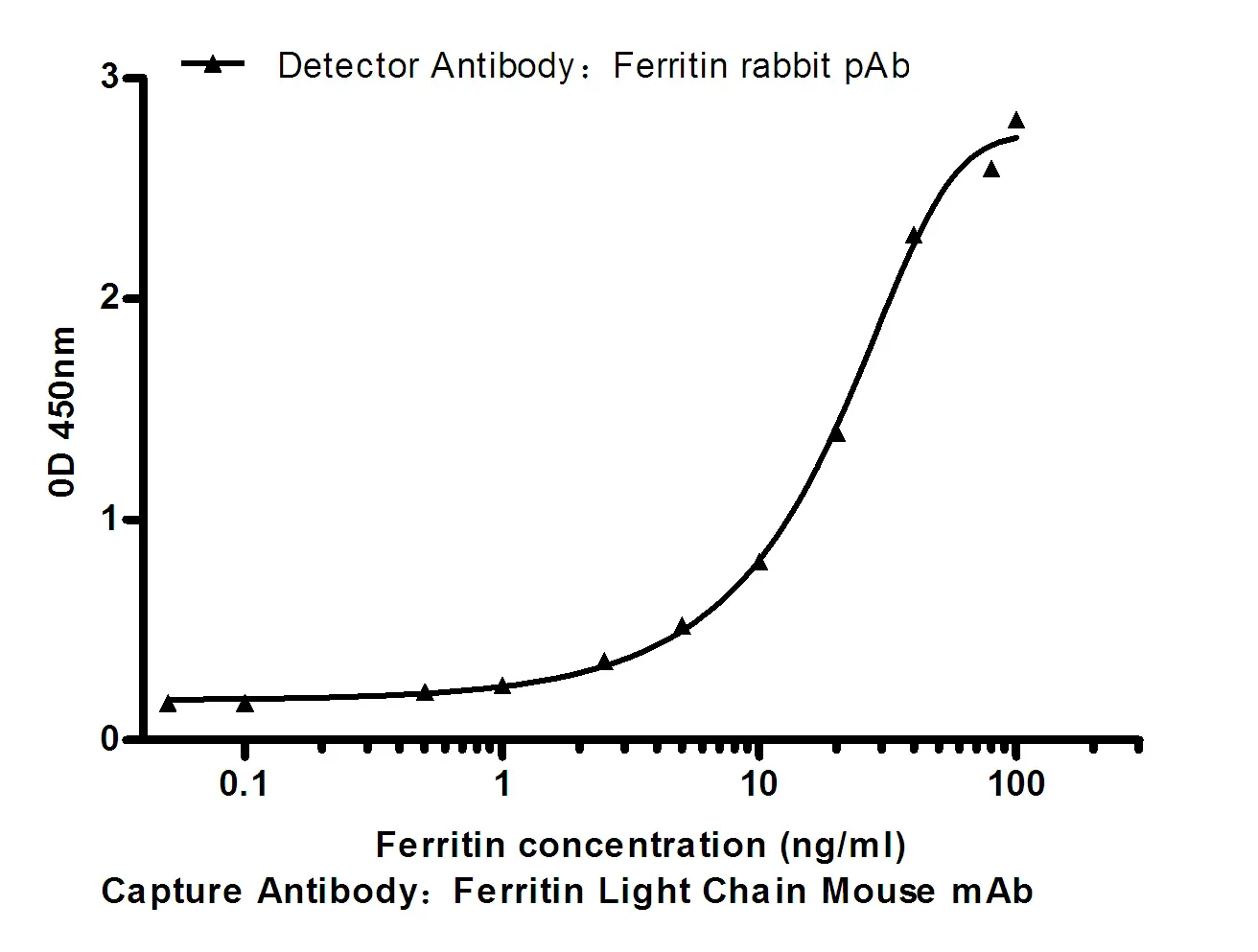
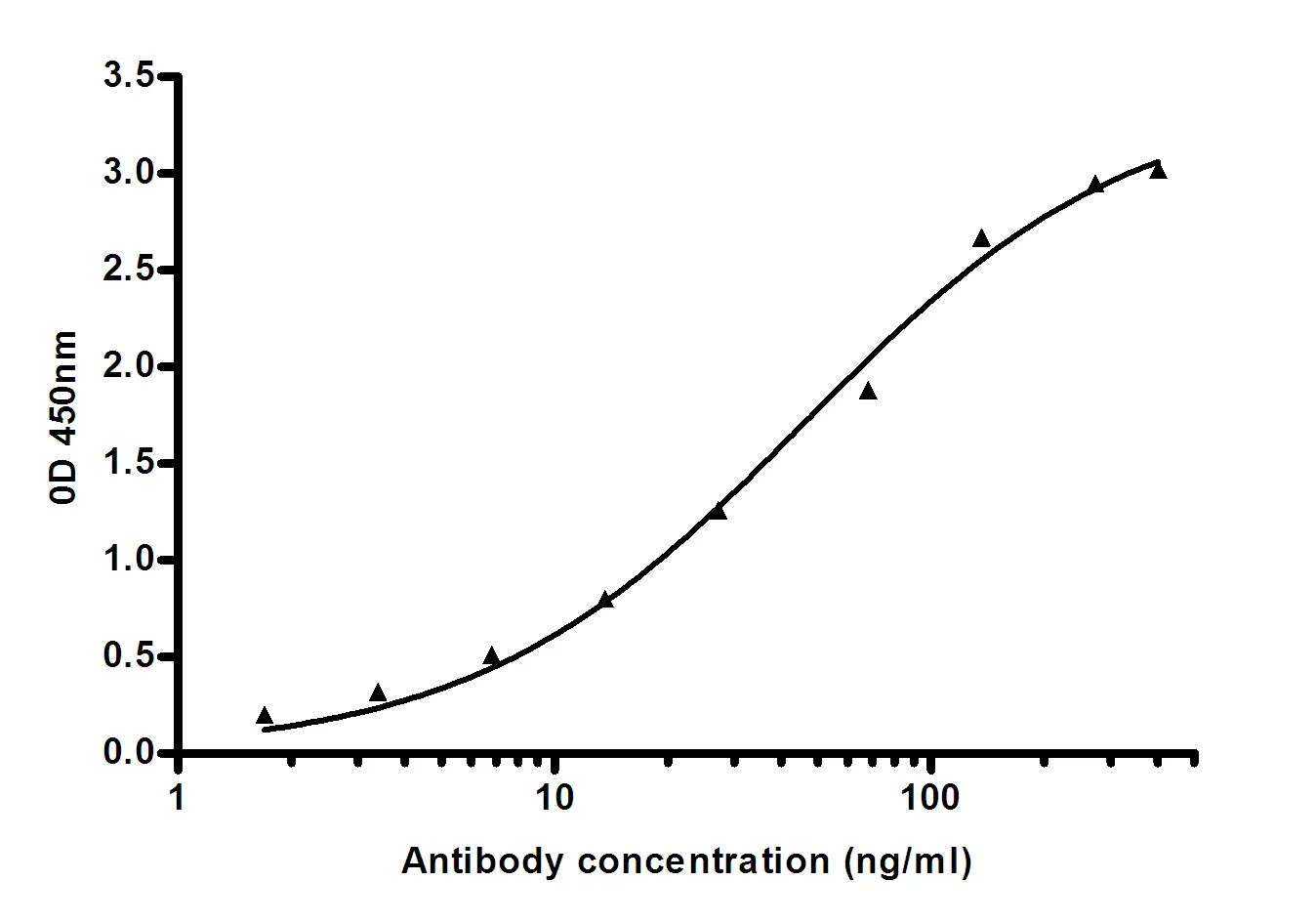
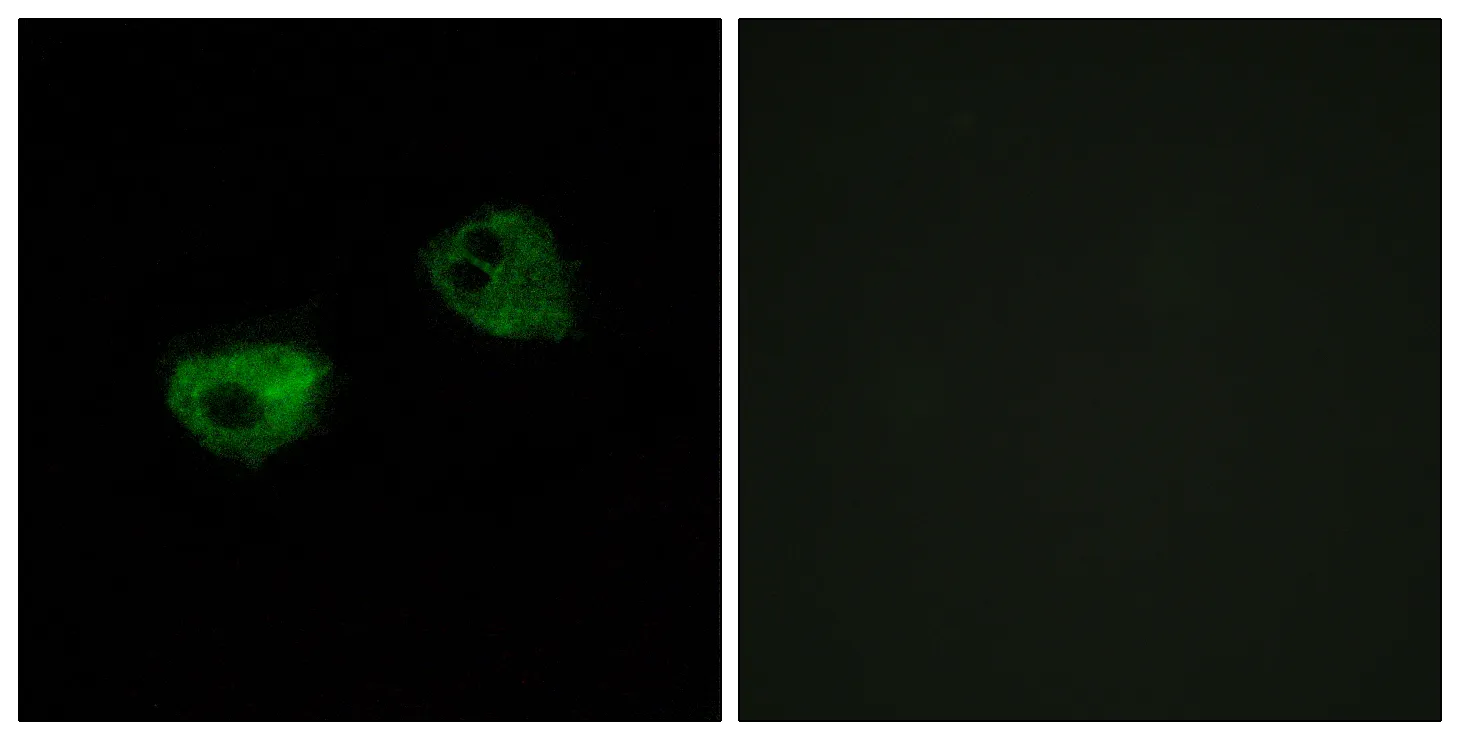
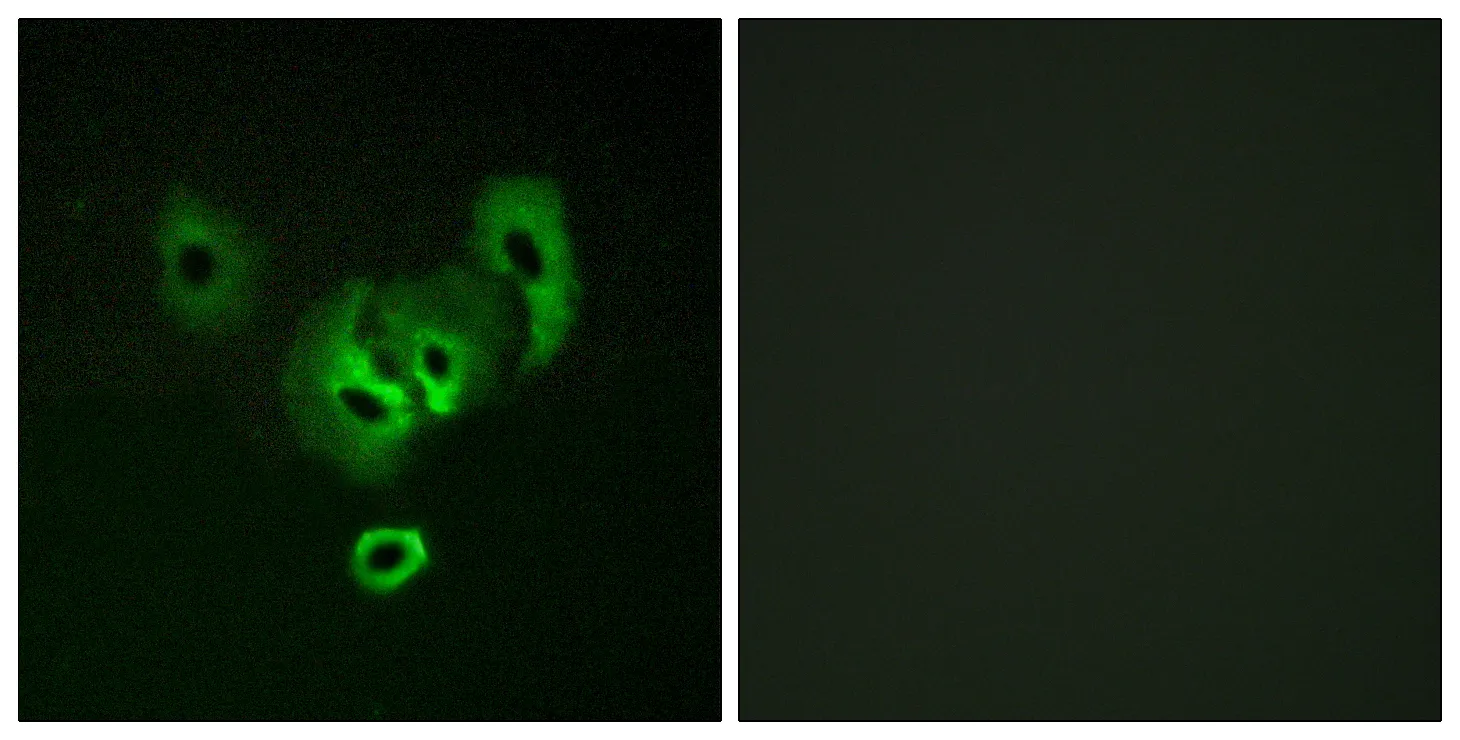
| アプリケーション | WB,IHC,ICC/IF,ELISA |
| 希釈倍率 | WB 1:500-1:2000,IHC 1:100-1:300,ICC/IF 1:50-1:200,ELISA 1:20000-1:40000 |
| 分子量 | 36kDa |
研究分野
| Oxidative phosphorylation;Parkinson's disease; |
背景
| 触媒活性:NADH + ユビキノン = NAD(+) + ユビキノール。,疾患:MT-ND1の欠陥は、レーバー遺伝性視神経症(LHON)[MIM:535000]の原因です。LHONは、視神経機能不全により、急性または亜急性の中心視力喪失を引き起こす母性遺伝疾患です。一部の患者では、心臓伝導障害や神経学的欠陥も報告されています。LHONは、呼吸鎖複合体に影響を及ぼす主要なミトコンドリアDNA変異に起因します。,疾患:MT-ND1の欠陥は、乳酸アシドーシスおよび脳卒中様エピソード症候群を伴うミトコンドリア脳筋症(MELAS)[MIM:540000]の原因です。 MELAS は遺伝的に異質な疾患であり、断続的な嘔吐、発作、および脳卒中と類似した再発性の脳障害を特徴とし、片麻痺、半盲、または皮質盲を引き起こします。,疾患:MT-ND1 の欠陥は、ミトコンドリアのアルツハイマー病 (AD) 感受性と関連している可能性があります [MIM:502500]。,疾患:MT-ND1 の欠陥は、インスリン非依存性糖尿病 (NIDDM) と関連している可能性があります。,機能:ミトコンドリア膜呼吸鎖 NADH 脱水素酵素 (複合体 I) の中核サブユニットで、触媒に必要な最小限のアセンブリに属すると考えられています。複合体 I は、NADH から呼吸鎖への電子の移動に機能します。この酵素の直接の電子受容体はユビキノンであると考えられている。,類似性:複合体Iサブユニット1ファミリーに属する。,触媒活性:NADH + ユビキノン = NAD(+) + ユビキノール。,疾患:MT-ND1の欠陥は、レーバー遺伝性視神経症(LHON)[MIM:535000]の原因である。LHONは母系遺伝性疾患であり、視神経機能不全により急性または亜急性の中心視力喪失を引き起こす。一部の患者では、心臓伝導障害や神経学的異常も報告されている。 LHON は、呼吸鎖複合体に影響を及ぼす主要なミトコンドリア DNA 変異によって発生します。,疾患: MT-ND1 の欠陥は、乳酸アシドーシスおよび脳卒中様エピソード症候群を伴うミトコンドリア脳筋症 (MELAS) [MIM:540000] の原因です。 MELAS は遺伝的に異質な疾患であり、断続的な嘔吐、発作、および脳卒中と類似した再発性の脳障害を特徴とし、片麻痺、半盲、または皮質盲を引き起こします。,疾患:MT-ND1 の欠陥は、ミトコンドリアのアルツハイマー病 (AD) 感受性と関連している可能性があります [MIM:502500]。,疾患:MT-ND1 の欠陥は、インスリン非依存性糖尿病 (NIDDM) と関連している可能性があります。,機能:ミトコンドリア膜呼吸鎖 NADH 脱水素酵素 (複合体 I) の中核サブユニットで、触媒に必要な最小限のアセンブリに属すると考えられています。複合体 I は、NADH から呼吸鎖への電子の移動に機能します。この酵素の直接の電子受容体はユビキノンであると考えられています。,類似性:複合体 I サブユニット 1 ファミリーに属します。, |