

NCAM-L1 Rabbit Polyclonal Antibody

NCAM-L1 Rabbit Polyclonal Antibody

Cat: APRab14438
Boyut:20μL Fiyat:$99_x000D_
Boyut:50μL Fiyat:$118_x000D_
Boyut:100μL Fiyat:$220_x000D_
Boyut:200μL Fiyat:$380_x000D_
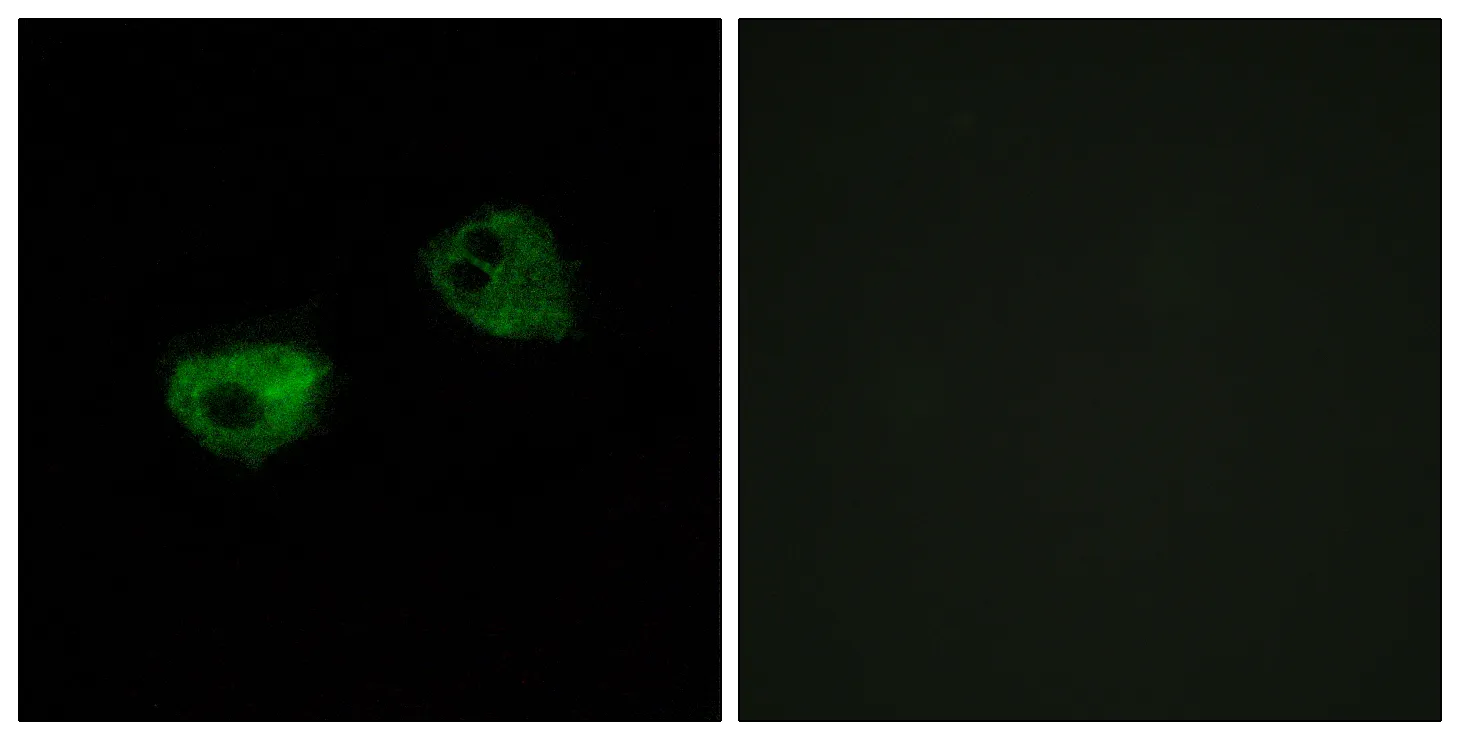
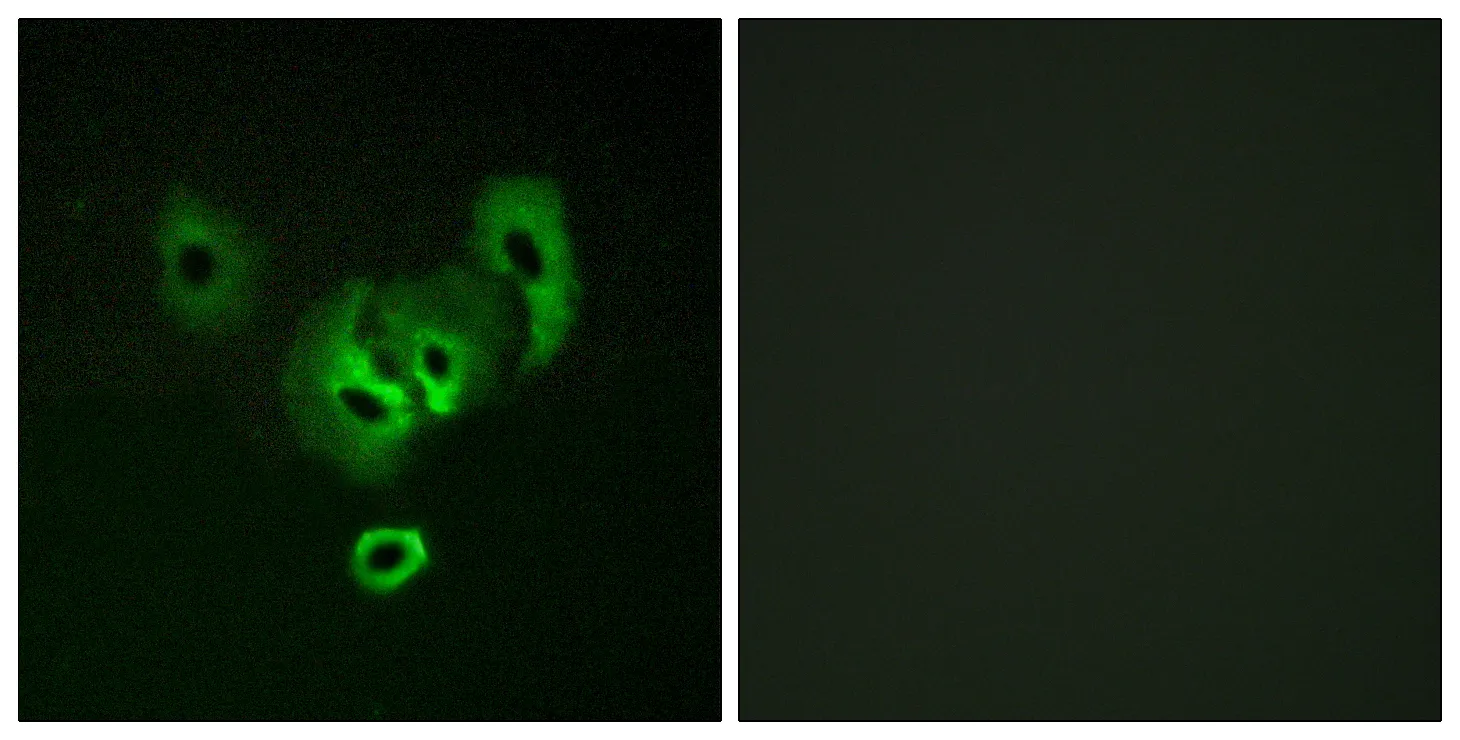
Uygulama:WB,IHC,ICC/IF,ELISA
Reaktivite:Human,Mouse,Rat
Konjuge:Unconjugated
İsteğe bağlı konjugeler: Biotin, FITC (ücretsiz). Diğer 26 konjugatı görün.

Gen Adı:L1CAM
Category: ポリクローナル抗体 Tags: , , , , , , , , , ,
NCAM-L1 Rabbit Polyclonal Antibody
Konjugasyon: Unconjugated
Rabbit polyclonal Antibody
Uygulama
IHC  ICC/IF  ELISA WB,IHC,ICC/IF,ELISA
Reaktivite
Human,Mouse,Rat
Gen Adı
L1CAM
Saklama
Aliquot and store at -20°C (valid for 12 months). Avoid freeze/thaw cycles.
Özet
Ürün Adı NCAM-L1 Rabbit Polyclonal Antibody
Açıklama Rabbit polyclonal Antibody
Konak Rabbit
Reaktivite Human,Mouse,Rat
Konjugasyon Unconjugated
Modifikasyon Unmodified
İzotip IgG
Klonalite Polyclonal
Form Liquid
Konsantrasyon Unconjugated
Saklama Aliquot and store at -20°C (valid for 12 months). Avoid freeze/thaw cycles.
Nakliye Ice bags.
Tampon Liquid in PBS containing 50% glycerol, 0.5% protective protein and 0.02% New type preservative N.
Saflaştırma Affinity purification
Antijen Bilgisi
Gen Adı L1CAM
Alternatif İsimler L1CAM; CAML1; MIC5; Neural cell adhesion molecule L1; N-CAM-L1; NCAM-L1; CD antigen CD171
Gen Kimliği 3897
SwissProt Kimliği P32004
İmmünojen The antiserum was produced against synthesized peptide derived from human CD171/N-CAML1. AA range:1147-1196
Uygulama
Uygulama WB,IHC,ICC/IF,ELISA
Seyreltme Oranı WB 1:500-1:2000,IHC 1:100-1:300,ICC/IF 1:200-1:1000,ELISA 1:10000-1:20000
Moleküler Ağırlık 180kDa
Araştırma Alanı
Axon guidance;Cell adhesion molecules (CAMs);
Arka Plan
The protein encoded by this gene is an axonal glycoprotein belonging to the immunoglobulin supergene family. The ectodomain, consisting of several immunoglobulin-like domains and fibronectin-like repeats (type III), is linked via a single transmembrane sequence to a conserved cytoplasmic domain. This cell adhesion molecule plays an important role in nervous system development, including neuronal migration and differentiation. Mutations in the gene cause X-linked neurological syndromes known as CRASH (corpus callosum hypoplasia, retardation, aphasia, spastic paraplegia and hydrocephalus). Alternative splicing of this gene results in multiple transcript variants, some of which include an alternate exon that is considered to be specific to neurons. [provided by RefSeq, May 2013],disease:Defects in L1CAM are a cause of partial agenesis of the corpus callosum [MIM:304100]; a X-linked disorder.,disease:Defects in L1CAM are the cause of hydrocephalus due to stenosis of the aqueduct of Sylvius (HSAS) [MIM:307000]. Hydrocephalus is a condition in which abnormal accumulation of cerebrospinal fluid in the brain causes increased intracranial pressure inside the skull. This is usually due to blockage of cerebrospinal fluid outflow in the brain ventricles or in the subarachnoid space at the base of the brain. In children is typically characterized by enlargement of the head, prominence of the forehead, brain atrophy, mental deterioration, and convulsions. In adults the syndrome includes incontinence, imbalance, and dementia. HSAS is characterized by mental retardation and enlarged brain ventricles.,disease:Defects in L1CAM are the cause of mental retardation-aphasia-shuffling gait-adducted thumbs syndrome (MASA) [MIM:303350]; also known as corpus callosum hypoplasia, psychomotor retardation, adducted thumbs, spastic paraparesis, and hydrocephalus or CRASH syndrome. MASA is an X-linked recessive syndrome with a highly variable clinical spectrum. Main clinical features include spasticity and hyperreflexia of lower limbs, shuffling gait, mental retardation, aphasia and adducted thumbs. The features of spasticity have been referred to as complicated spastic paraplegia type 1 (SPG1). Some patients manifest corpus callosum hypoplasia and hydrocephalus. Inter- and intrafamilial variability is very wide, such that patients with hydrocephalus, MASA, SPG1, and agenesis of corpus callosum can be present within the same family.,disease:Defects in L1CAM are the cause of spastic paraplegia X-linked type 1 (SPG1) [MIM:303350]. Spastic paraplegia is a degenerative spinal cord disorder characterized by a slow, gradual, progressive weakness and spasticity of the lower limbs.,disease:Defects in L1CAM may contribute to Hirschsprung disease (HSCR) [MIM:142623]. It may do so by modifying the effects of a Hirschsprung disease-associated gene to cause intestinal aganglionosis.,function:Cell adhesion molecule with an important role in the development of the nervous system. Involved in neuron-neuron adhesion, neurite fasciculation, outgrowth of neurites, etc. Binds to axonin on neurons.,online information:L1CAM mutation Web Page,similarity:Belongs to the immunoglobulin superfamily. L1/neurofascin/NgCAM family.,similarity:Contains 5 fibronectin type-III domains.,similarity:Contains 6 Ig-like C2-type (immunoglobulin-like) domains.,
   💬 WhatsApp