

Myf-6ウサギポリクローナル抗体
コンジュゲーション: 非共役
ウサギポリクローナル抗体
アプリケーション
反応性
ヒト、マウス、ラット
遺伝子名
MYF6
保存
小分けして-20℃で保存してください(12ヶ月間有効)。凍結融解サイクルは避けてください。
要約
| 製品名 | Myf-6ウサギポリクローナル抗体 |
| 説明 | ウサギポリクローナル抗体 |
| 宿主 | うさぎ |
| 反応性 | ヒト、マウス、ラット |
| コンジュゲーション | 非共役 |
| 修飾 | 未修正 |
| アイソタイプ | IgG |
| クローン性 | ポリクローナル |
| 形態 | 液体 |
| 濃度 | 非共役 |
| 保存 | 小分けして-20℃で保存してください(12ヶ月間有効)。凍結融解サイクルは避けてください。 |
| 配送 | 氷嚢。 |
| バッファー | 50% グリセロール、0.5% 保護タンパク質、0.02% 新タイプ防腐剤 N を含む PBS 液。 |
| 精製 | アフィニティー精製 |
抗原情報
| 遺伝子名 | MYF6 |
| 別名 | MYF6; BHLHC4; MRF4; Myogenic factor 6; Myf-6; Class C basic helix-loop-helix protein 4; bHLHc4; Muscle-specific regulatory factor 4 |
| 遺伝子ID | 4618 |
| SwissProt ID | P23409 |
| 免疫原 | 抗血清はヒトMYF6由来の合成ペプチドに対して作製された。アミノ酸範囲:116-165 |
アプリケーション
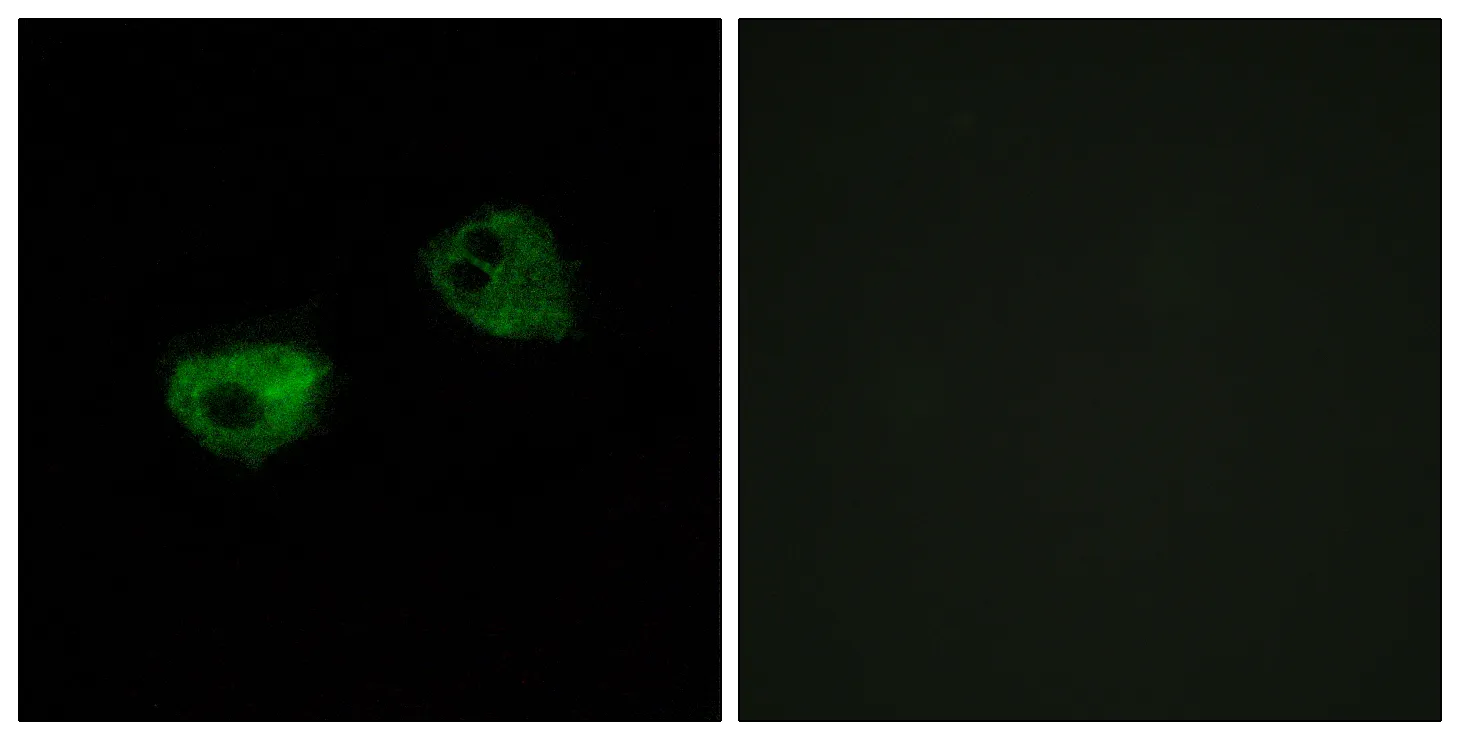
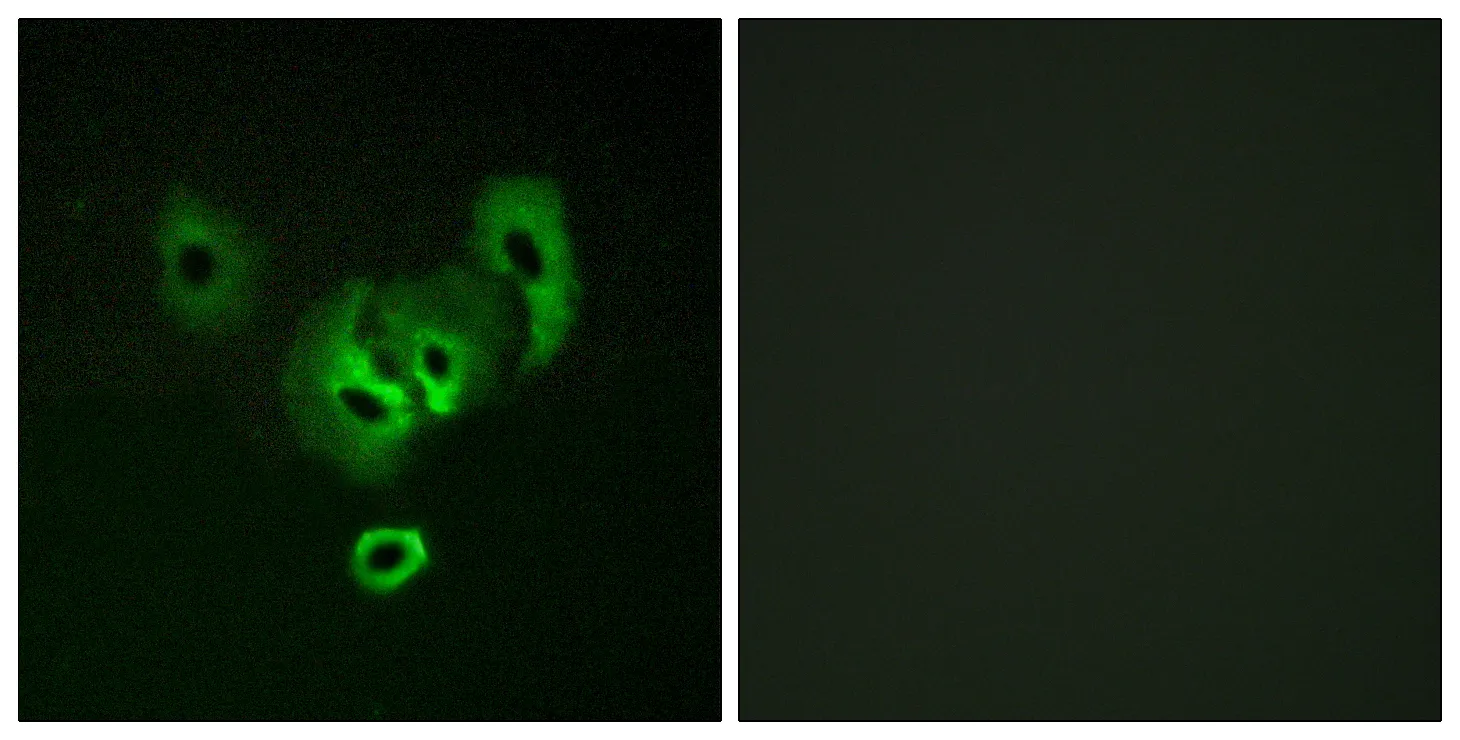
| アプリケーション | WB,IHC,ICC/IF,ELISA |
| 希釈倍率 | WB 1:500-1:2000,IHC 1:100-1:300,ICC/IF 1:50-1:200,ELISA 1:10000-1:20000 |
| 分子量 | 26kDa |
研究分野
背景
| 筋原因子6(MYF6)ホモサピエンス この遺伝子によってコードされるタンパク質は、筋肉の分化に関与する塩基性ヘリックス・ループ・ヘリックス(bHLH)DNA結合タンパク質であると考えられます。コードされるタンパク質は、おそらく別のbHLHタンパク質とヘテロ二量体として作用します。この遺伝子の欠陥は、常染色体優性中心核ミオパチー(ADCNM)の原因となります。[RefSeq提供、2010年5月]、疾患:MYF6の欠陥は、常染色体優性中心核ミオパチー(ADCNM)[MIM:160150]の原因となる可能性があります。常染色体優性ミオチューブラーミオパチーとしても知られています。中心核ミオパチーは、主に肢帯、体幹、および頸筋の進行性の筋力低下および萎縮を特徴とする先天性筋疾患です。遠位筋も影響を受ける可能性があります。筋力低下は小児期または青年期に現れる場合もあれば、20代まで明らかにならない場合もあります。眼瞼下垂はよくみられる臨床所見です。最も顕著な組織病理学的特徴としては、再生に起因しない筋線維の中心核の高頻度分布、中心核周囲の筋小胞体線維の放射状配列、およびタイプ1線維の優位性と低栄養などが挙げられます。,機能:筋分化に関与(筋原性因子)。線維芽細胞を筋芽細胞への分化を誘導する。おそらく配列特異的なDNA結合タンパク質。,類似性:1つの塩基性ヘリックス・ループ・ヘリックス(bHLH)ドメインを含む。,サブユニット:効率的なDNA結合には、別のbHLHタンパク質との二量体形成が必要である。,組織特異性:骨格筋。, |