

メニンウサギポリクローナル抗体
コンジュゲーション: 非共役
ウサギポリクローナル抗体
アプリケーション
反応性
ヒト、マウス、ラット
遺伝子名
MEN1
保存
小分けして-20℃で保存してください(12ヶ月間有効)。凍結融解サイクルは避けてください。
要約
| 製品名 | メニンウサギポリクローナル抗体 |
| 説明 | ウサギポリクローナル抗体 |
| 宿主 | うさぎ |
| 反応性 | ヒト、マウス、ラット |
| コンジュゲーション | 非共役 |
| 修飾 | 未修正 |
| アイソタイプ | IgG |
| クローン性 | ポリクローナル |
| 形態 | 液体 |
| 濃度 | 非共役 |
| 保存 | 小分けして-20℃で保存してください(12ヶ月間有効)。凍結融解サイクルは避けてください。 |
| 配送 | 氷嚢。 |
| バッファー | 50% グリセロール、0.5% 保護タンパク質、0.02% 新タイプ防腐剤 N を含む PBS 液。 |
| 精製 | アフィニティー精製 |
抗原情報
| 遺伝子名 | MEN1 |
| 別名 | MEN1; SCG2; Menin |
| 遺伝子ID | 4221 |
| SwissProt ID | O00255 |
| 免疫原 | 抗血清はヒトMEN1由来の合成ペプチドに対して作製された。アミノ酸範囲:181-230 |
アプリケーション
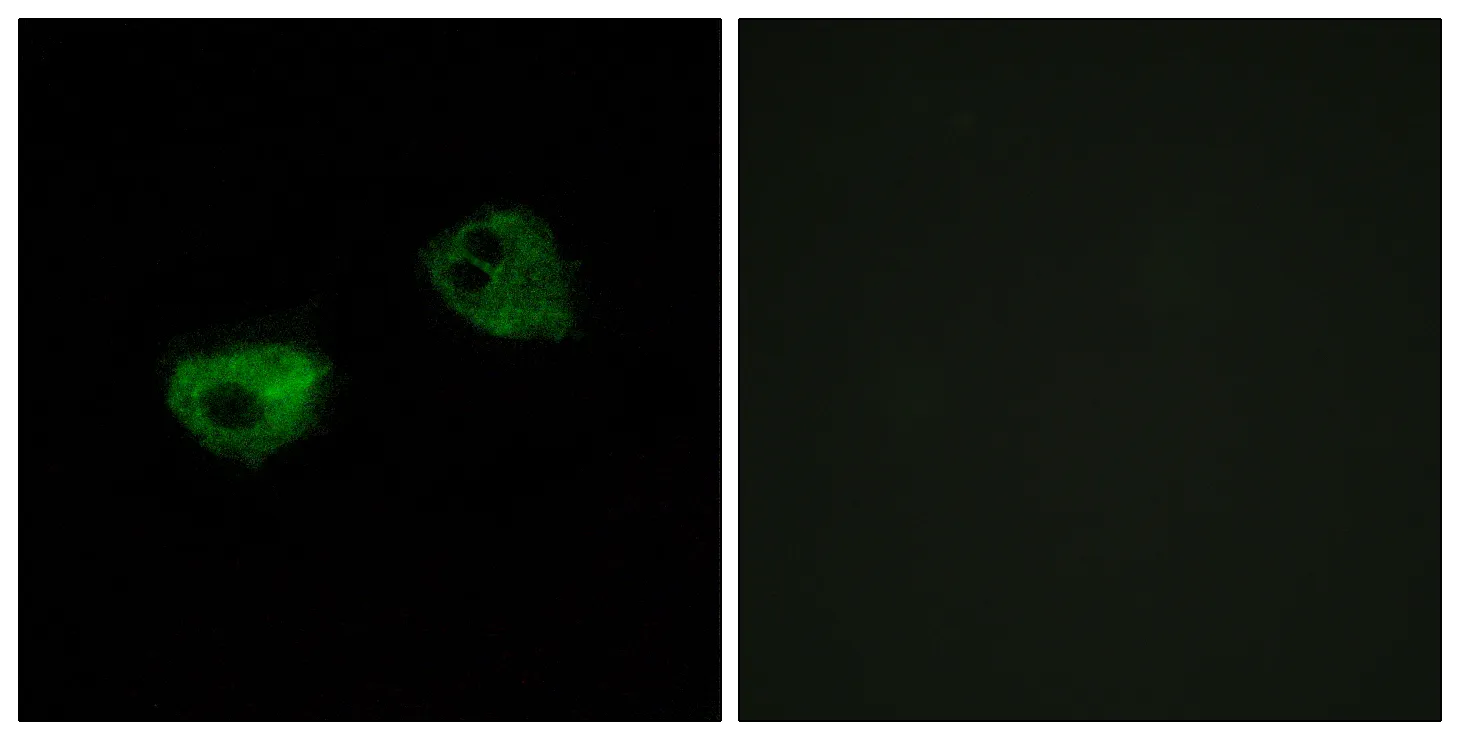
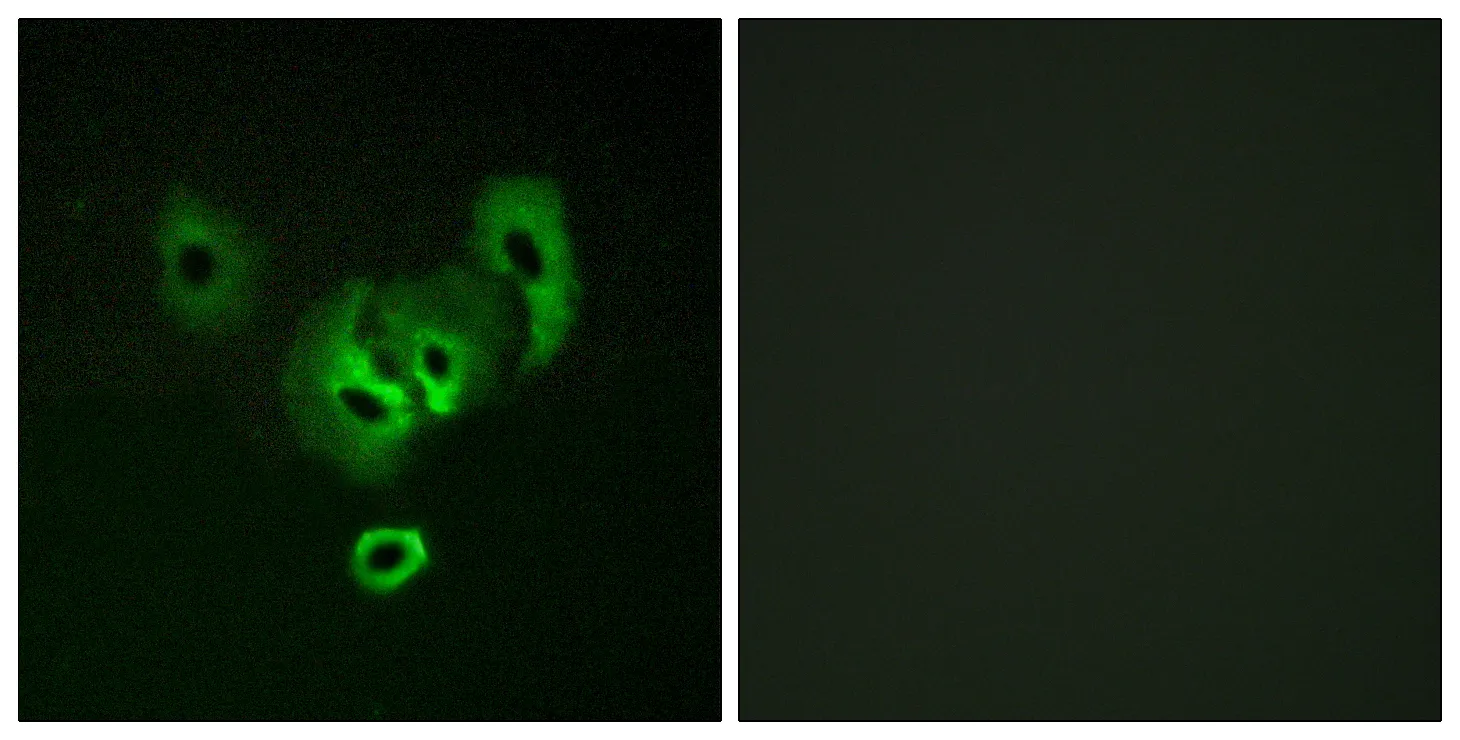
| アプリケーション | WB,IHC,ICC/IF,ELISA |
| 希釈倍率 | WB 1:500-1:2000,IHC 1:100-1:300,ICC/IF 1:50-1:200,ELISA 1:10000-1:20000 |
| 分子量 | 67kDa |
研究分野
| Epigenetics and Nuclear Signaling |
背景
| この遺伝子は、多発性内分泌腫瘍症1型として知られる症候群に関連する腫瘍抑制因子と考えられるメニンをコードしています。in vitro研究では、メニンは核に局在し、2つの機能的な核局在シグナルを有し、JunDによる転写活性化を阻害することが示されていますが、このタンパク質の機能は不明です。ノーザンブロットでは2つのメッセージが検出されていますが、より大きなメッセージは特徴付けられていません。選択的スプライシングにより、複数の転写バリアントが生じます。[RefSeq提供、2008年10月]、疾患:MEN1の欠陥は、家族性孤立性副甲状腺機能亢進症(FIHP)[MIM:145000]の原因です。これは、副甲状腺機能亢進症1型(HRPT1)としても知られています。 FIHPは、高カルシウム血症、副甲状腺ホルモン(PTH)値の上昇、および単腺性または多腺性副甲状腺腫瘍を特徴とする常染色体優性疾患です。疾患:MEN1の欠陥は、家族性多発性内分泌腫瘍症I型(MEN1)[MIM:131100]の原因です。MEN1は、副甲状腺、消化管内分泌組織、下垂体前葉、その他の組織の腫瘍を特徴とする常染色体優性疾患です。皮膚病変や神経組織腫瘍が生じることがあります。 MEN1患者の予後は、腫瘍によるホルモン過剰分泌と関連しており、重症消化性潰瘍(ゾリンジャー・エリソン症候群、ZES)を引き起こす高ガストリン血症、原発性副甲状腺機能亢進症、急性型高インスリン血症などが挙げられます。,機能:DNA修復に関与している可能性があります。,PTM:DNA損傷時にリン酸化され、おそらくATMまたはATRによるものと考えられます。,細胞内局在:核小体様構造に濃縮されています。ガンマ線照射により核マトリックスに再配置されます。,サブユニット:FANCD2およびDBF4と相互作用します。 MLL含有複合体(MLL、ASCOM、MLL2/MLL3、またはMLL3/MLL4複合体と呼ばれる)の構成要素:少なくともASH2L、RBBP5、DPY30、WDR5、1つまたは複数のヒストンメチルトランスフェラーゼ(MLL、MLL2、MLL3、および/またはMLL4)、および条件的構成要素MEN1、HCFC1、HCFC2、NCOA6、KDM6A、PAXIP1/PTIP、およびC16orf53/PA1で構成される。組織特異性:普遍的。 |