MMP-9ウサギポリクローナル抗体
コンジュゲーション: 非共役
ウサギポリクローナル抗体
アプリケーション
反応性
ヒト、マウス、ラット
遺伝子名
MMP9
保存
小分けして-20℃で保存してください(12ヶ月間有効)。凍結融解サイクルは避けてください。
要約
| 製品名 | MMP-9ウサギポリクローナル抗体 |
| 説明 | ウサギポリクローナル抗体 |
| 宿主 | うさぎ |
| 反応性 | ヒト、マウス、ラット |
| コンジュゲーション | 非共役 |
| 修飾 | 未修正 |
| アイソタイプ | IgG |
| クローン性 | ポリクローナル |
| 形態 | 液体 |
| 濃度 | 非共役 |
| 保存 | 小分けして-20℃で保存してください(12ヶ月間有効)。凍結融解サイクルは避けてください。 |
| 配送 | 氷嚢。 |
| バッファー | 50% グリセロール、0.5% 保護タンパク質、0.02% 新タイプ防腐剤 N を含む PBS 液。 |
| 精製 | アフィニティー精製 |
抗原情報
| 遺伝子名 | MMP9 |
| 別名 | MMP9; CLG4B; Matrix metalloproteinase-9; MMP-9; 92 kDa gelatinase; 92 kDa type IV collagenase; Gelatinase B; GELB |
| 遺伝子ID | 4318 |
| SwissProt ID | P14780 |
| 免疫原 | 抗血清はヒトMMP-9由来の合成ペプチドに対して作製された。アミノ酸範囲:651-700 |
アプリケーション
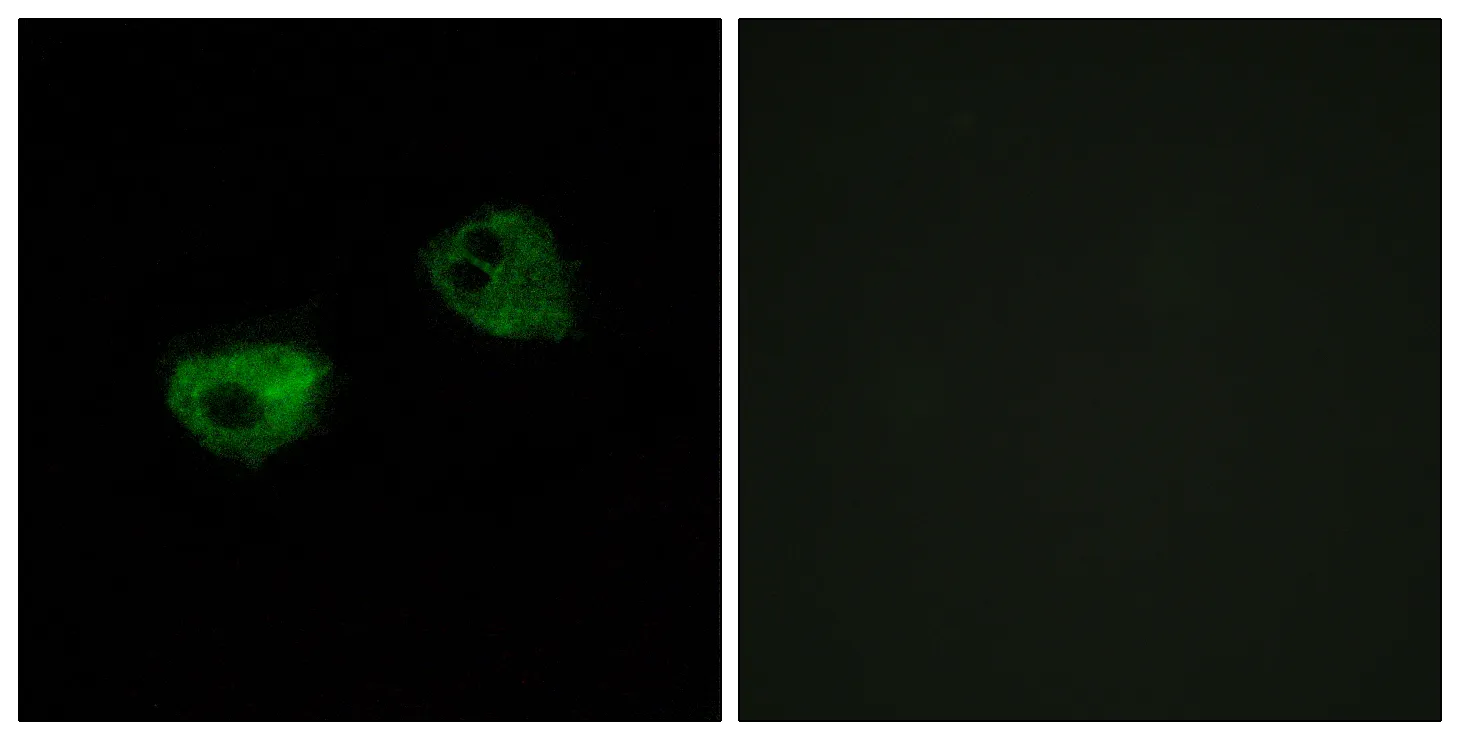
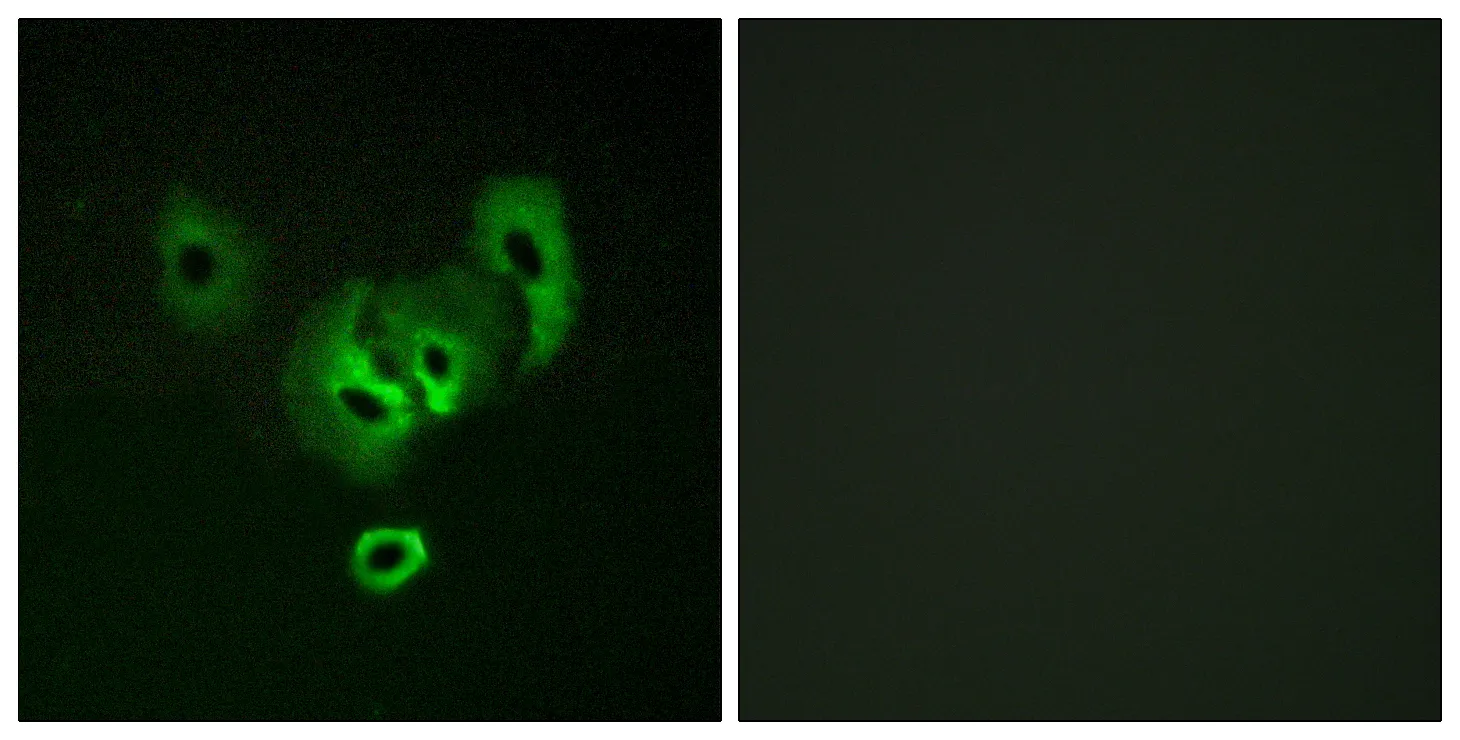
| アプリケーション | WB,IHC,ICC/IF,ELISA |
| 希釈倍率 | WB 1:500-1:2000,IHC 1:100-1:300,ICC/IF 1:100-1:300,ELISA 1:10000-1:20000 |
| 分子量 | 78kDa |
研究分野
| Leukocyte transendothelial migration;Pathways in cancer;Bladder cancer; |
背景
| マトリックスメタロペプチダーゼ9(MMP9) ホモサピエンス マトリックスメタロプロテアーゼ(MMP)ファミリーのタンパク質は、胚発生、生殖、組織リモデリングなどの正常な生理学的プロセス、および関節炎や転移などの疾患プロセスにおける細胞外マトリックスの分解に関与しています。ほとんどのMMPは不活性なプロタンパク質として分泌され、細胞外プロテアーゼによって切断されると活性化されます。この遺伝子によってコードされる酵素は、IV型およびV型コラーゲンを分解します。アカゲザルの研究では、この酵素がIL-8誘導による骨髄からの造血前駆細胞の動員に関与していることが示唆されており、マウスの研究では、腫瘍関連組織リモデリングにおける役割が示唆されています。 [RefSeq提供、2008年7月],触媒活性:ゼラチンI型およびV型、コラーゲンIV型およびV型の分解。,補因子:サブユニットあたり2個の亜鉛イオンと結合する。,補因子:サブユニットあたり3個のカルシウムイオンと結合する。,疾患:MMP9の欠陥は、腰椎椎間板ヘルニア(LDH)[MIM:603932]の感受性の一因となる可能性がある。LDHは、腰痛および片側性脚痛の主な原因である。,ドメイン:システインスイッチモチーフに存在する保存されたシステインが、触媒活性を持つ亜鉛イオンと結合し、酵素を阻害する。活性化ペプチドの放出に伴う亜鉛イオンからのシステイン解離により、酵素が活性化される。,酵素調節:ヒスタチン-3 1/24(ヒスタチン-5)によって阻害される。,機能:細胞外マトリックスの局所的タンパク質分解および白血球遊走において重要な役割を果たす可能性がある。骨破骨細胞による骨吸収にも関与する可能性がある。KiSS1をグリシン-|-ロイシン結合で切断する。IV型およびV型コラーゲンを、C末端側の大きな4分の3断片とN末端側のより短い4分の1断片に切断する。フィブロネクチンを分解しますが、ラミニンやPz-ペプチドは分解しません。,誘導:4-アミノフェニル水銀酢酸塩およびホルボールエステルによって活性化されます。,その他:関節炎患者では、この酵素が関節破壊の病因に寄与している可能性があり、病気の状態を示す有用なマーカーとなる可能性があります。,PTM:N-およびO-グリコシル化されています。,PTM:前駆体を処理すると、64、67、82 kDaの異なる活性型が生成されます。 MMP3による連続処理により、82 kDaのマトリックスメタロプロテアーゼ9が生成される。,類似性:ペプチダーゼM10Aファミリーに属する。,類似性:3つのフィブロネクチンII型ドメインを含む。,類似性:4つのヘモペキシン様ドメインを含む。,サブユニット:単量体、ジスルフィド結合ホモ二量体、および25 kDaのタンパク質とのヘテロ二量体として存在する。マクロファージおよび形質転換細胞株は単量体のみを産生する。,組織特異性:正常な肺胞マクロファージおよび顆粒球によって産生される。, |