

MKウサギポリクローナル抗体
コンジュゲーション: 非共役
ウサギポリクローナル抗体
アプリケーション
反応性
人間、ネズミ
遺伝子名
MDK
保存
小分けして-20℃で保存してください(12ヶ月間有効)。凍結融解サイクルは避けてください。
要約
| 製品名 | MKウサギポリクローナル抗体 |
| 説明 | ウサギポリクローナル抗体 |
| 宿主 | うさぎ |
| 反応性 | 人間、ネズミ |
| コンジュゲーション | 非共役 |
| 修飾 | 未修正 |
| アイソタイプ | IgG |
| クローン性 | ポリクローナル |
| 形態 | 液体 |
| 濃度 | 非共役 |
| 保存 | 小分けして-20℃で保存してください(12ヶ月間有効)。凍結融解サイクルは避けてください。 |
| 配送 | 氷嚢。 |
| バッファー | 50% グリセロール、0.5% 保護タンパク質、0.02% 新タイプ防腐剤 N を含む PBS 液。 |
| 精製 | アフィニティー精製 |
抗原情報
| 遺伝子名 | MDK |
| 別名 | MDK; MK1; NEGF2; Midkine; MK; Amphiregulin-associated protein; ARAP; Midgestation and kidney protein; Neurite outgrowth-promoting factor 2; Neurite outgrowth-promoting protein |
| 遺伝子ID | 4192 |
| SwissProt ID | P21741 |
| 免疫原 | 抗血清はヒトMDKの内部領域由来の合成ペプチドに対して作製された。アミノ酸範囲:94-143 |
アプリケーション
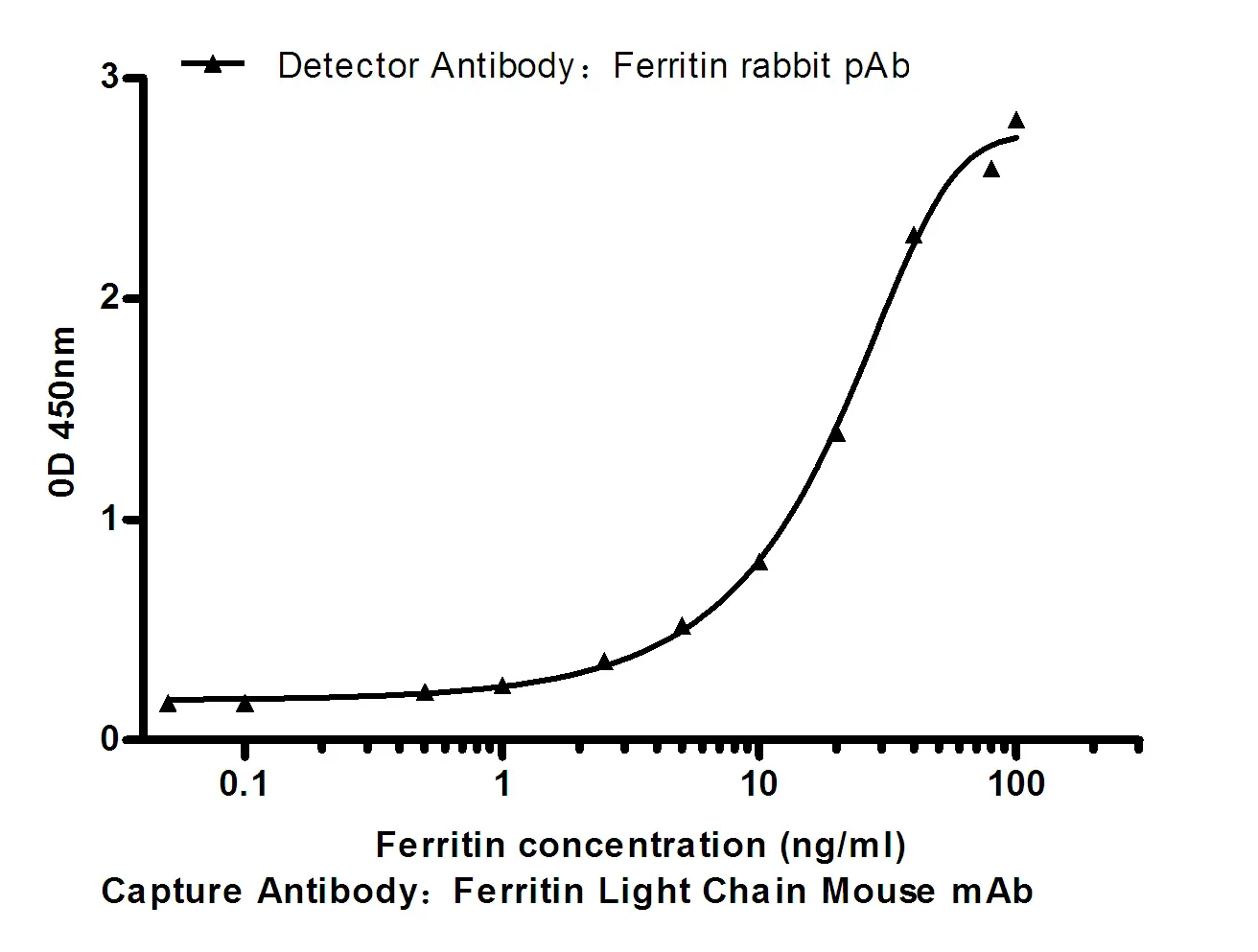
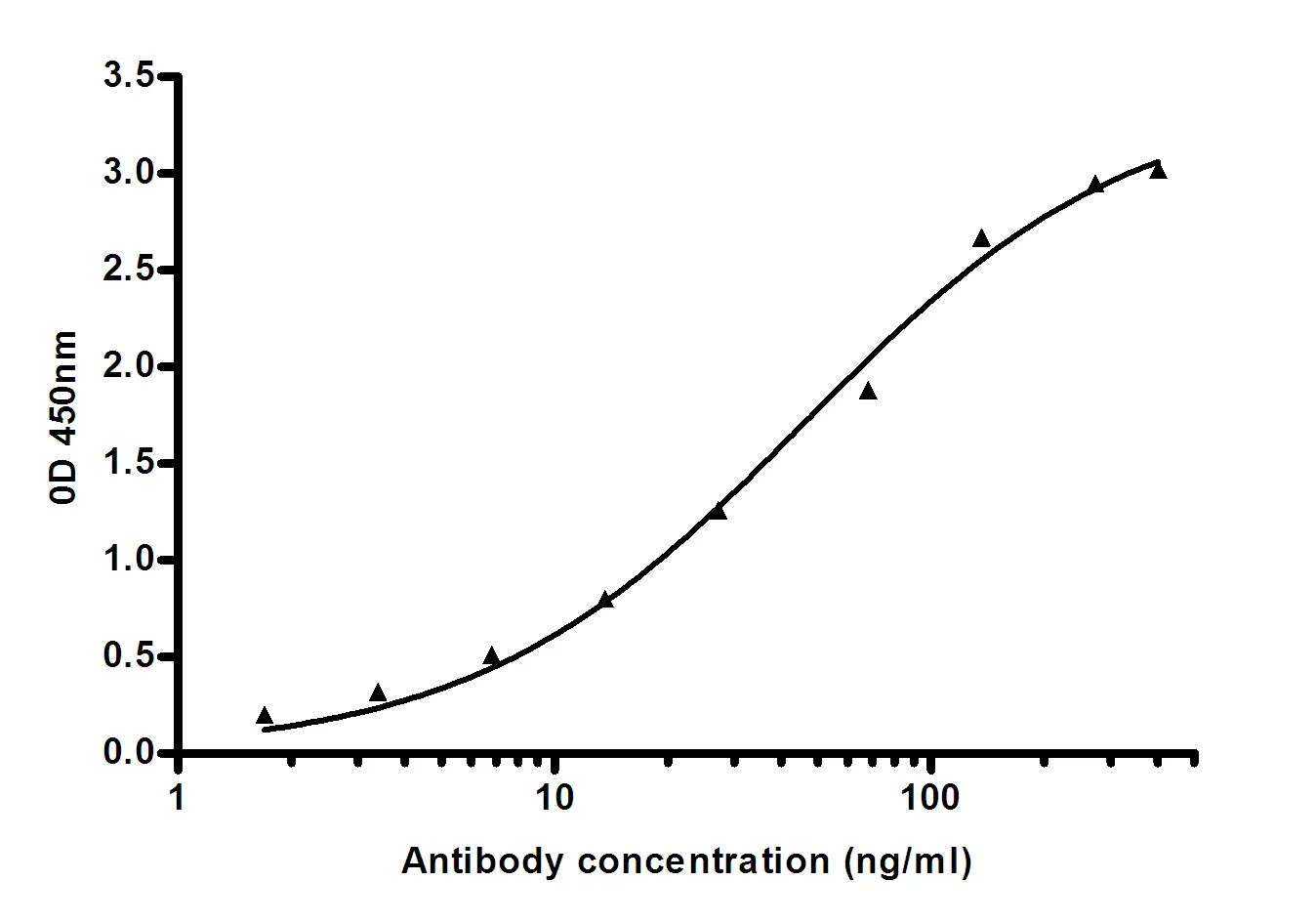
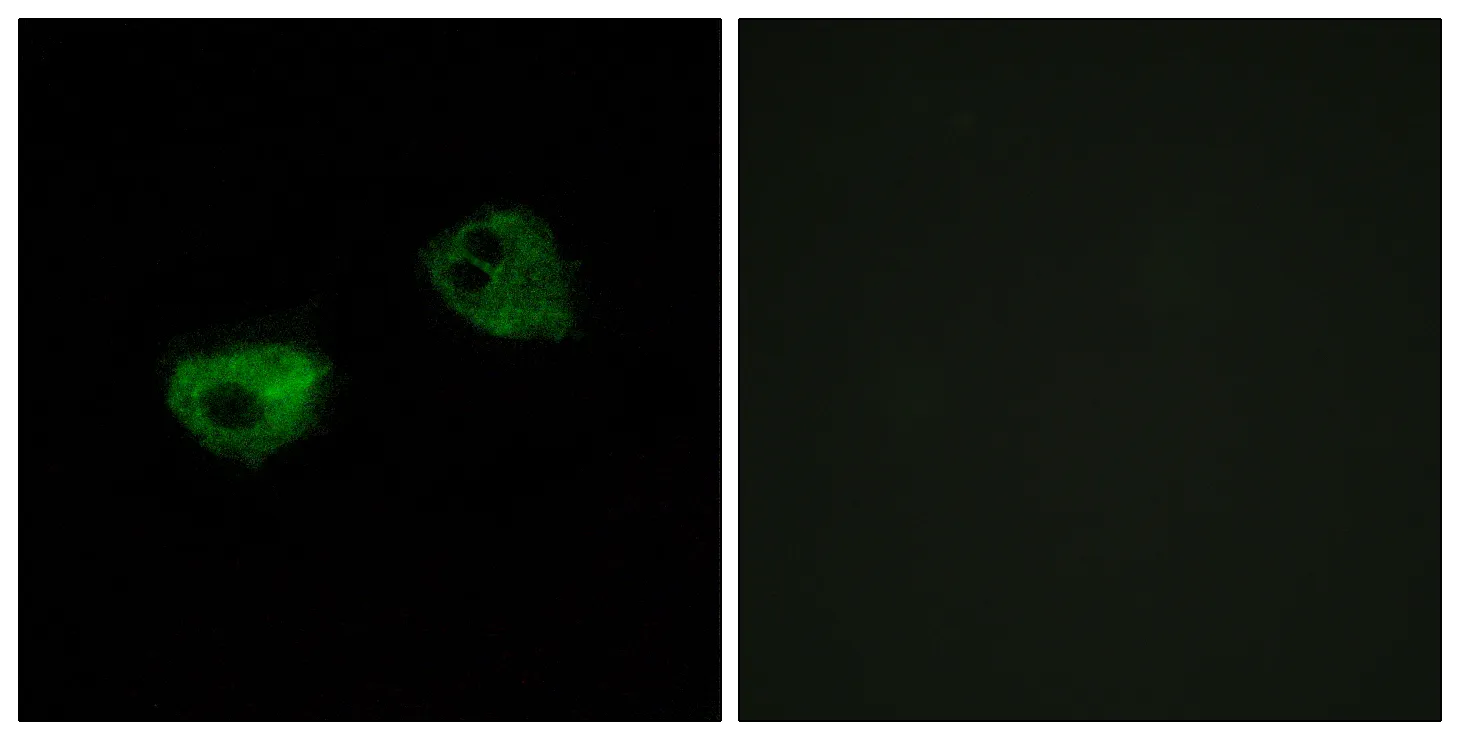
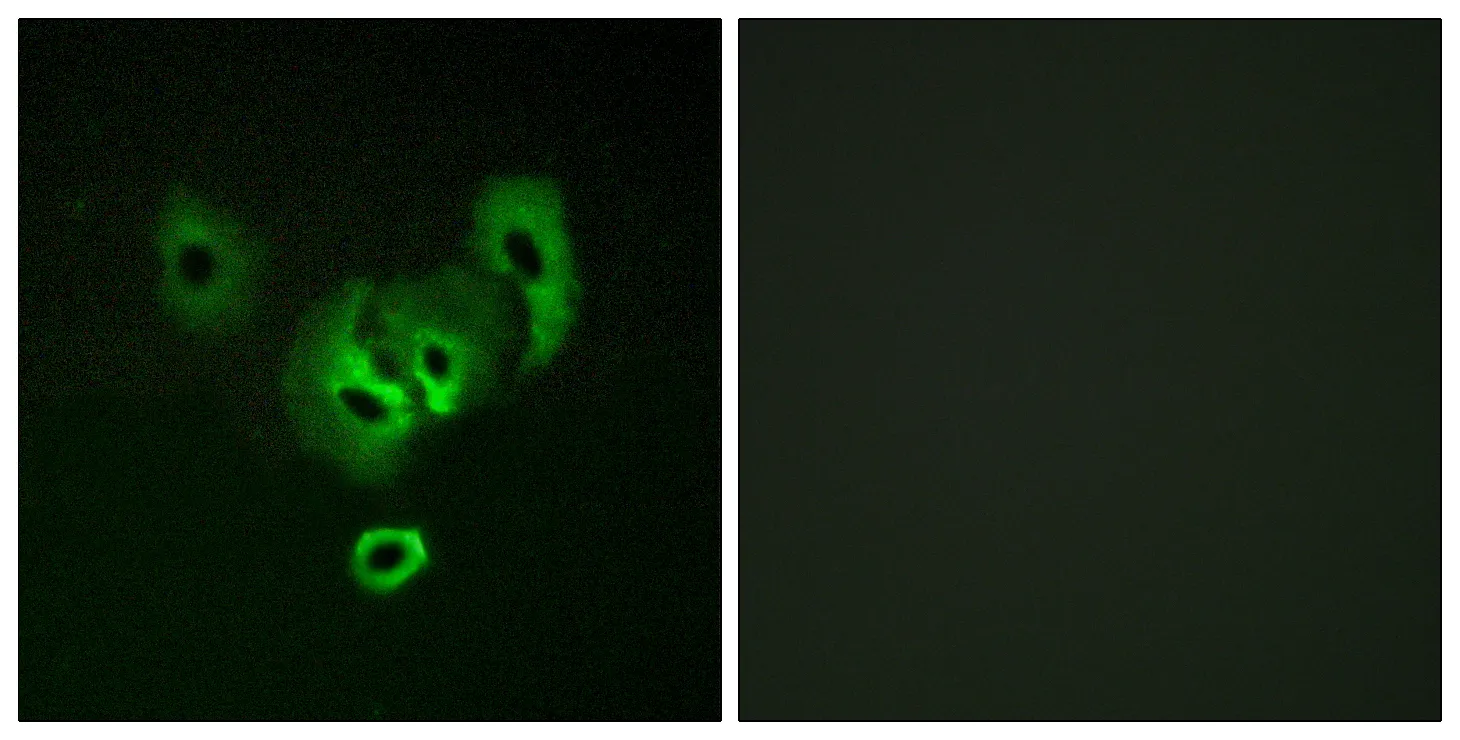
| アプリケーション | WB,IHC,ICC/IF,ELISA |
| 希釈倍率 | WB 1:500-1:2000,IHC 1:100-1:300,ICC/IF 1:50-1:200,ELISA 1:10000-1:20000 |
| 分子量 | 18kDa |
研究分野
| Neuroscience |
背景
| この遺伝子は、ヘパリンに結合し、レチノイン酸に反応する分泌型成長因子の小ファミリーに属するタンパク質をコードしています。コードされているタンパク質は、特に腫瘍形成期において、細胞の成長、遊走、血管新生を促進します。この遺伝子は、様々な疾患の治療薬として標的とされています。複数のアイソフォームをコードする選択的スプライシング転写バリアントが観察されています。[RefSeq提供、2012年7月],機能:ヘパリン結合活性および成長促進活性を有する。動脈損傷後の新生内膜形成に関与し、おそらく白血球動員を媒介する。また、胎児期の副腎の発達初期にも関与する。,誘導:ヘパリンおよびレチノイン酸による。,類似性:プレイオトロフィンファミリーに属する。,サブユニット:ホモ二量体。, |