

MCT12ウサギポリクローナル抗体
コンジュゲーション: 非共役
ウサギポリクローナル抗体
アプリケーション
反応性
ヒト、マウス
遺伝子名
SLC16A12
保存
小分けして-20℃で保存してください(12ヶ月間有効)。凍結融解サイクルは避けてください。
要約
| 製品名 | MCT12ウサギポリクローナル抗体 |
| 説明 | ウサギポリクローナル抗体 |
| 宿主 | うさぎ |
| 反応性 | ヒト、マウス |
| コンジュゲーション | 非共役 |
| 修飾 | 未修正 |
| アイソタイプ | IgG |
| クローン性 | ポリクローナル |
| 形態 | 液体 |
| 濃度 | 非共役 |
| 保存 | 小分けして-20℃で保存してください(12ヶ月間有効)。凍結融解サイクルは避けてください。 |
| 配送 | 氷嚢。 |
| バッファー | 50% グリセロール、0.5% 保護タンパク質、0.02% 新タイプ防腐剤 N を含む PBS 液。 |
| 精製 | アフィニティー精製 |
抗原情報
| 遺伝子名 | SLC16A12 |
| 別名 | SLC16A12; MCT12; Monocarboxylate transporter 12; MCT 12; Solute carrier family 16 member 12 |
| 遺伝子ID | 387700 |
| SwissProt ID | Q6ZSM3 |
| 免疫原 | 抗血清はヒトMOT12由来の合成ペプチドに対して作製された。アミノ酸範囲:115-164 |
アプリケーション
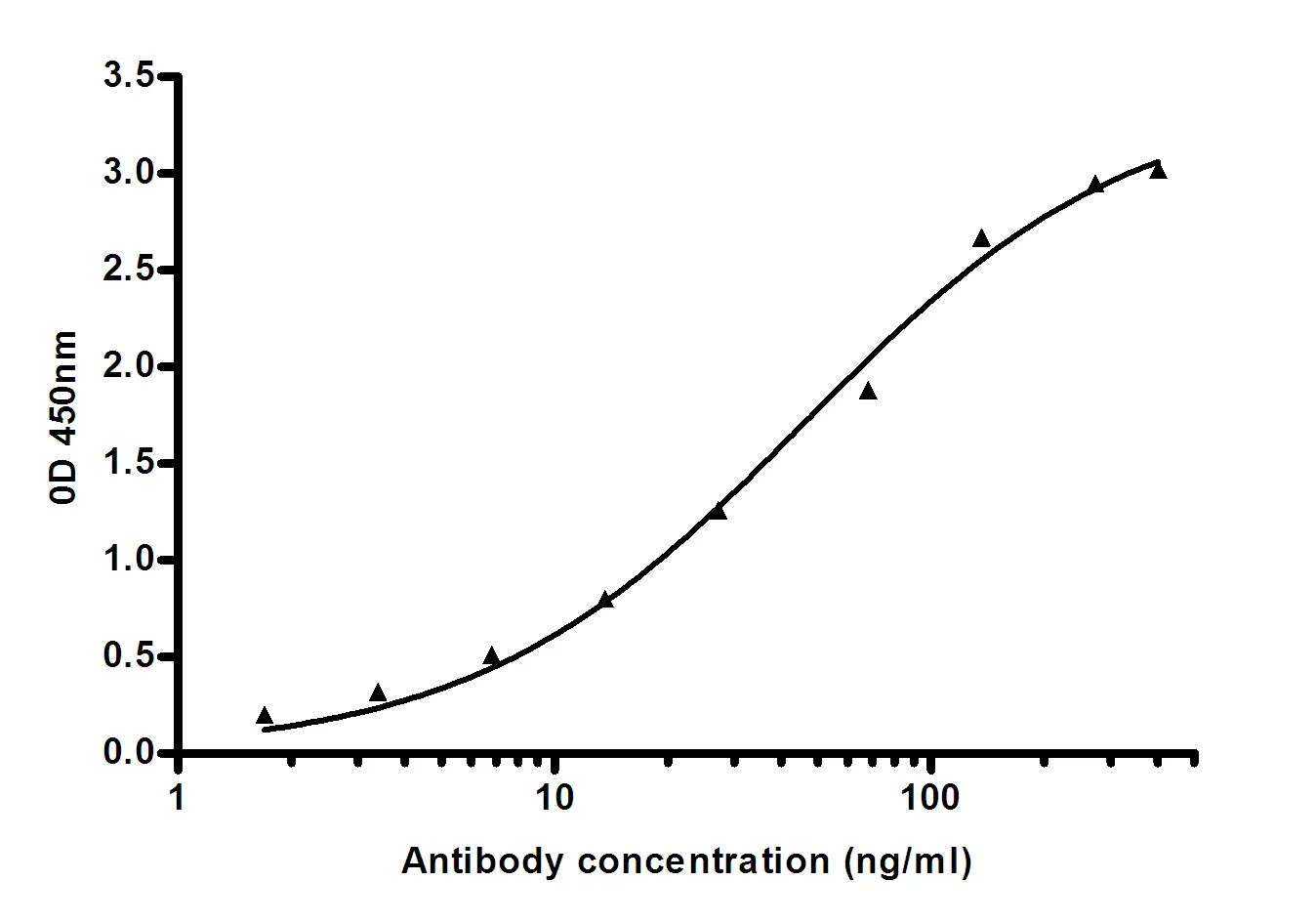
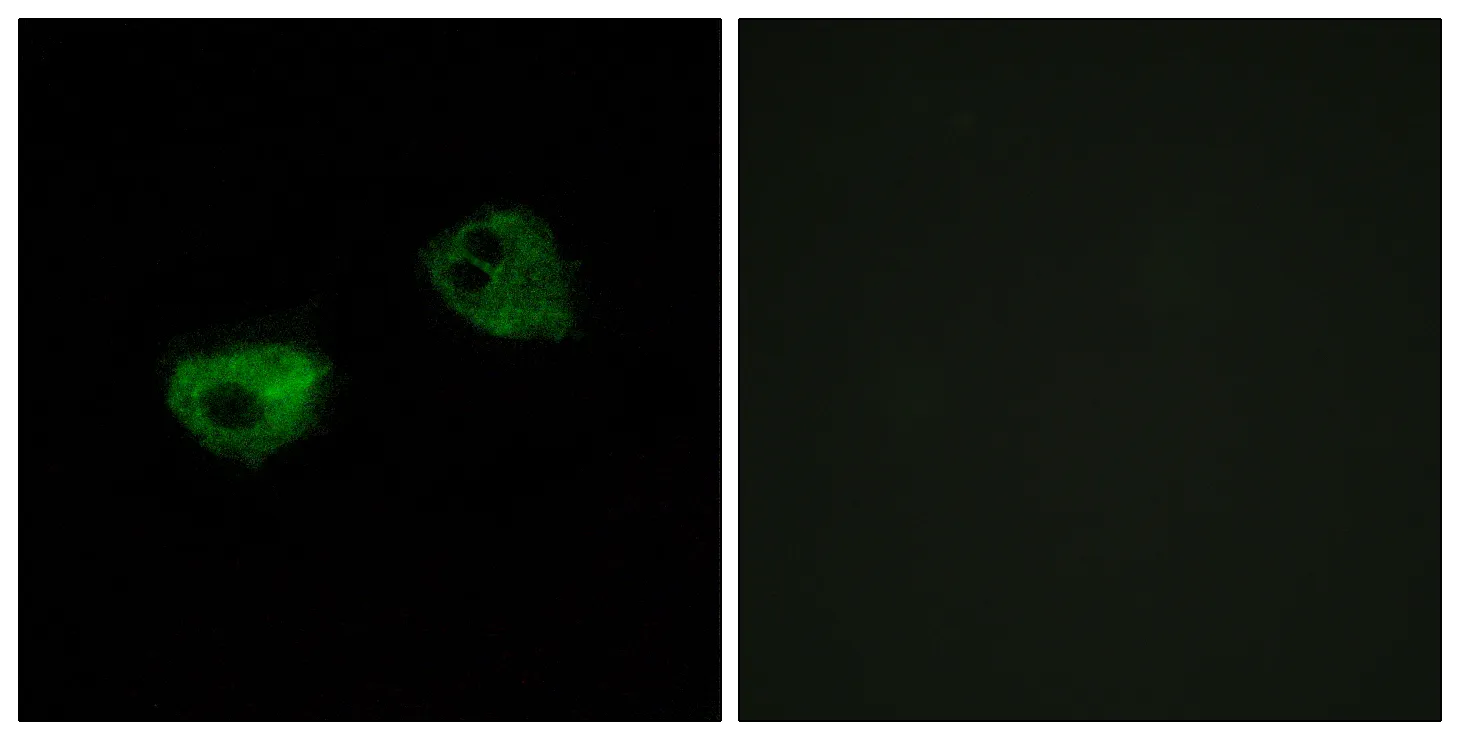
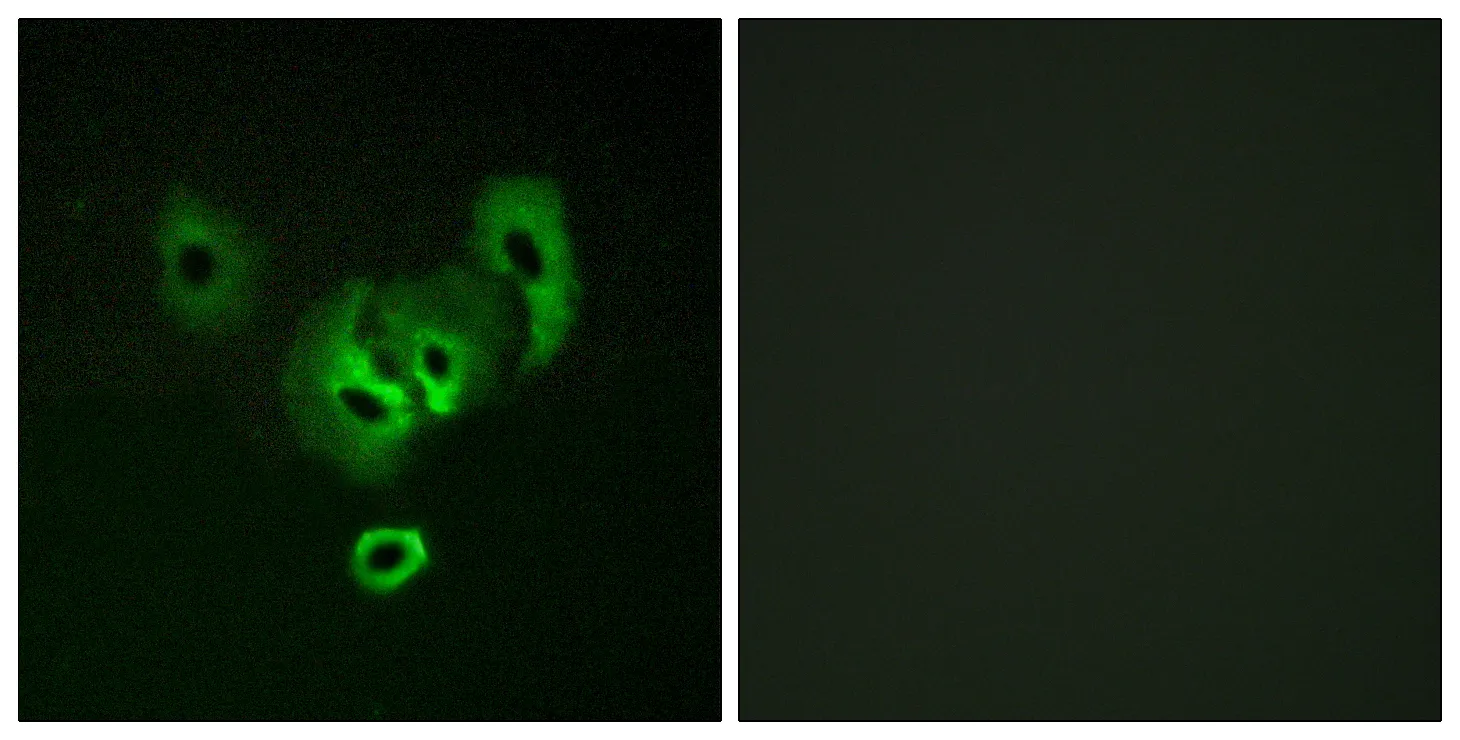
| アプリケーション | WB,IHC,ICC/IF,ELISA |
| 希釈倍率 | WB 1:500-1:2000,IHC 1:100-1:300,ICC/IF 1:50-1:200,ELISA 1:10000-1:20000 |
| 分子量 | 53kDa |
研究分野
背景
| この遺伝子は、モノカルボン酸輸送に関与すると考えられる膜貫通型トランスポーターをコードしています。この遺伝子の変異は、小角膜および腎性糖尿を伴う若年性白内障と関連付けられています。[RefSeq提供、2010年3月],疾患:SLC16A12遺伝子の欠損は、小角膜および糖尿を伴う若年性白内障(CJMG)の原因です[MIM:612018]。腎性糖尿は、高血糖および形態学的腎異常の証拠を伴わない、尿中グルコース濃度の上昇によって定義されます。,機能:プロトン結合型モノカルボン酸トランスポーター。多くのモノカルボン酸の細胞膜を介した迅速な輸送を触媒します。,類似性:主要促進因子スーパーファミリーに属します。モノカルボキシレートポーター(TC 2.A.1.13)ファミリー。組織特異性:腎臓で最も強く発現し、次いで網膜、肺、精巣の順となる。脳と肝臓では極めて弱い発現を示す。水晶体でも検出される。 |