

LKB1(リン酸化Ser334)ウサギポリクローナル抗体
コンジュゲーション: 非共役
ウサギポリクローナル抗体
アプリケーション
反応性
ヒト、マウス
遺伝子名
STK11
保存
小分けして-20℃で保存してください(12ヶ月間有効)。凍結融解サイクルは避けてください。
要約
| 製品名 | LKB1(リン酸化Ser334)ウサギポリクローナル抗体 |
| 説明 | ウサギポリクローナル抗体 |
| 宿主 | うさぎ |
| 反応性 | ヒト、マウス |
| コンジュゲーション | 非共役 |
| 修飾 | リン酸化 |
| アイソタイプ | IgG |
| クローン性 | ポリクローナル |
| 形態 | 液体 |
| 濃度 | 非共役 |
| 保存 | 小分けして-20℃で保存してください(12ヶ月間有効)。凍結融解サイクルは避けてください。 |
| 配送 | 氷嚢。 |
| バッファー | 50% グリセロール、0.5% 保護タンパク質、0.02% 新タイプ防腐剤 N を含む PBS 液。 |
| 精製 | アフィニティー精製 |
抗原情報
| 遺伝子名 | STK11 |
| 別名 | STK11; LKB1; PJS; Serine/threonine-protein kinase STK11; Liver kinase B1; LKB1; hLKB1; Renal carcinoma antigen NY-REN-19 |
| 遺伝子ID | 6794 |
| SwissProt ID | Q15831 |
| 免疫原 | 抗血清は、Ser334のリン酸化部位周辺のヒトLKB1由来の合成ペプチドに対して作製された。アミノ酸範囲:300-349 |
アプリケーション
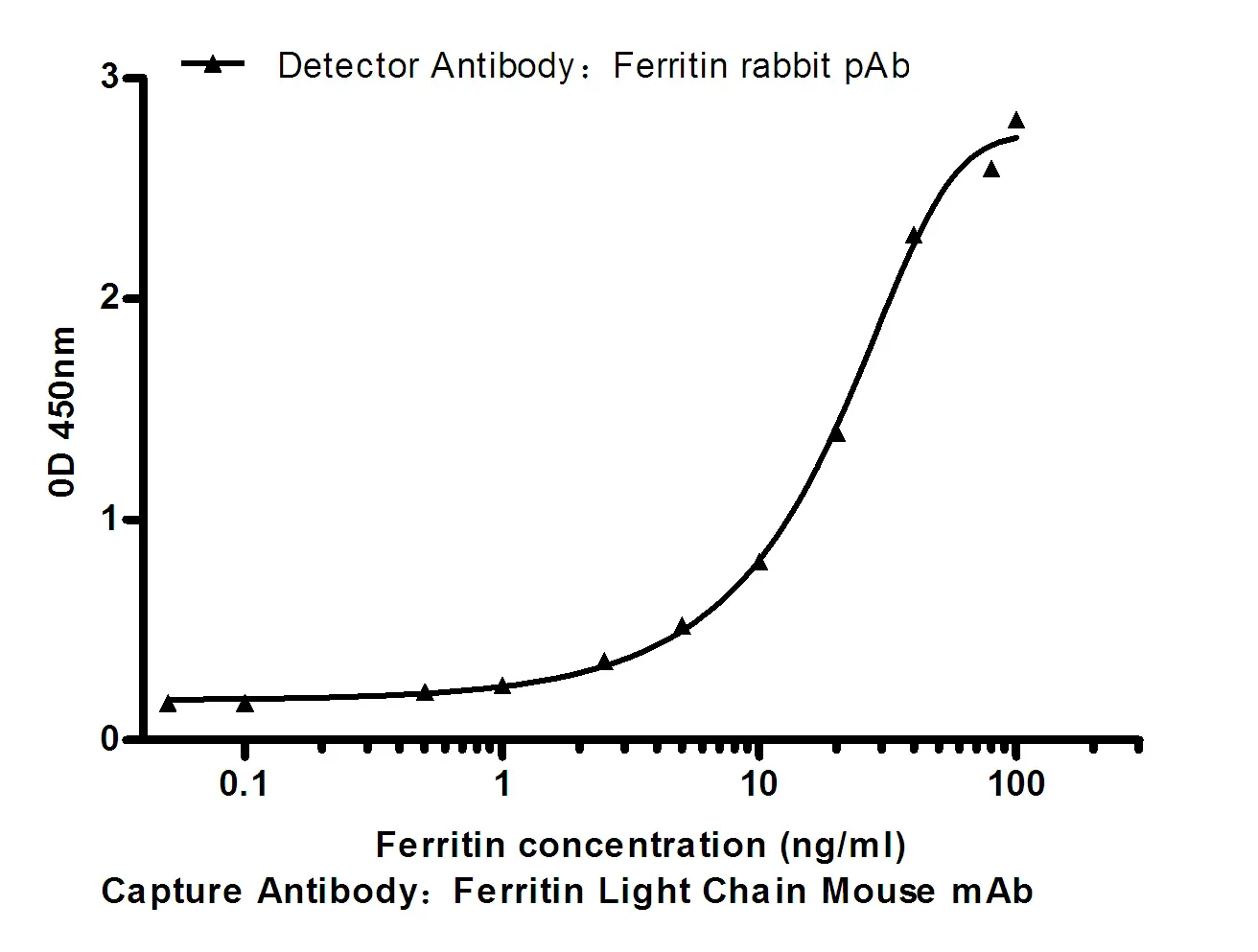
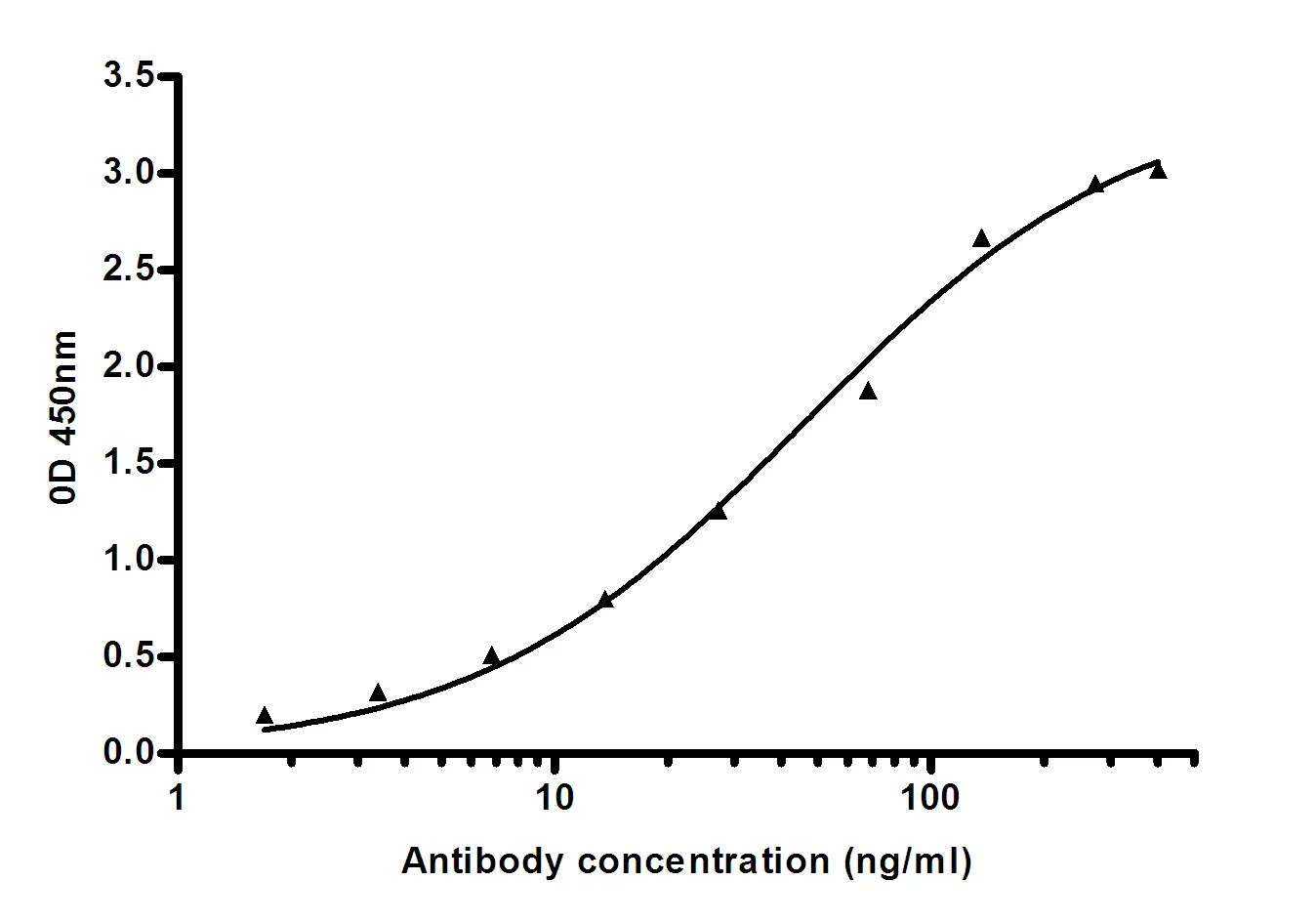
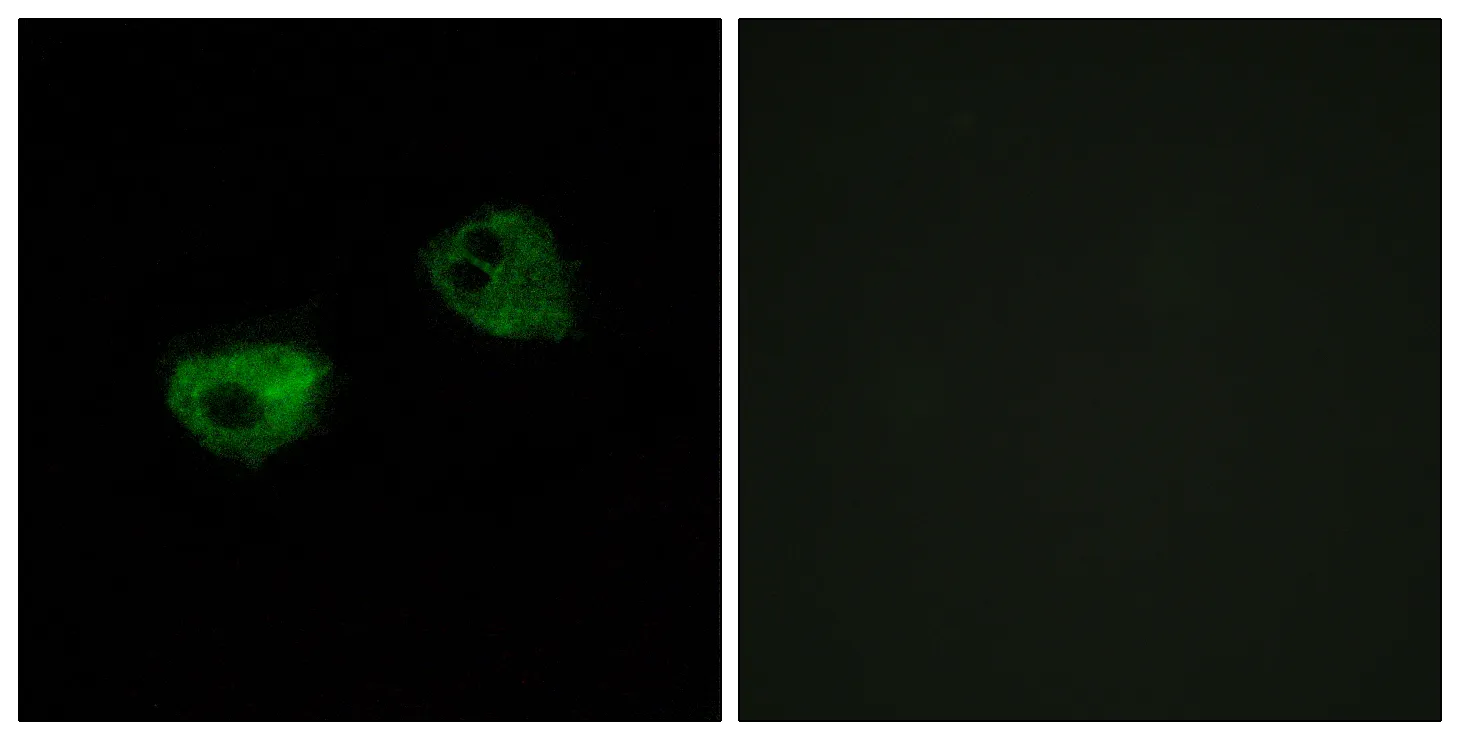
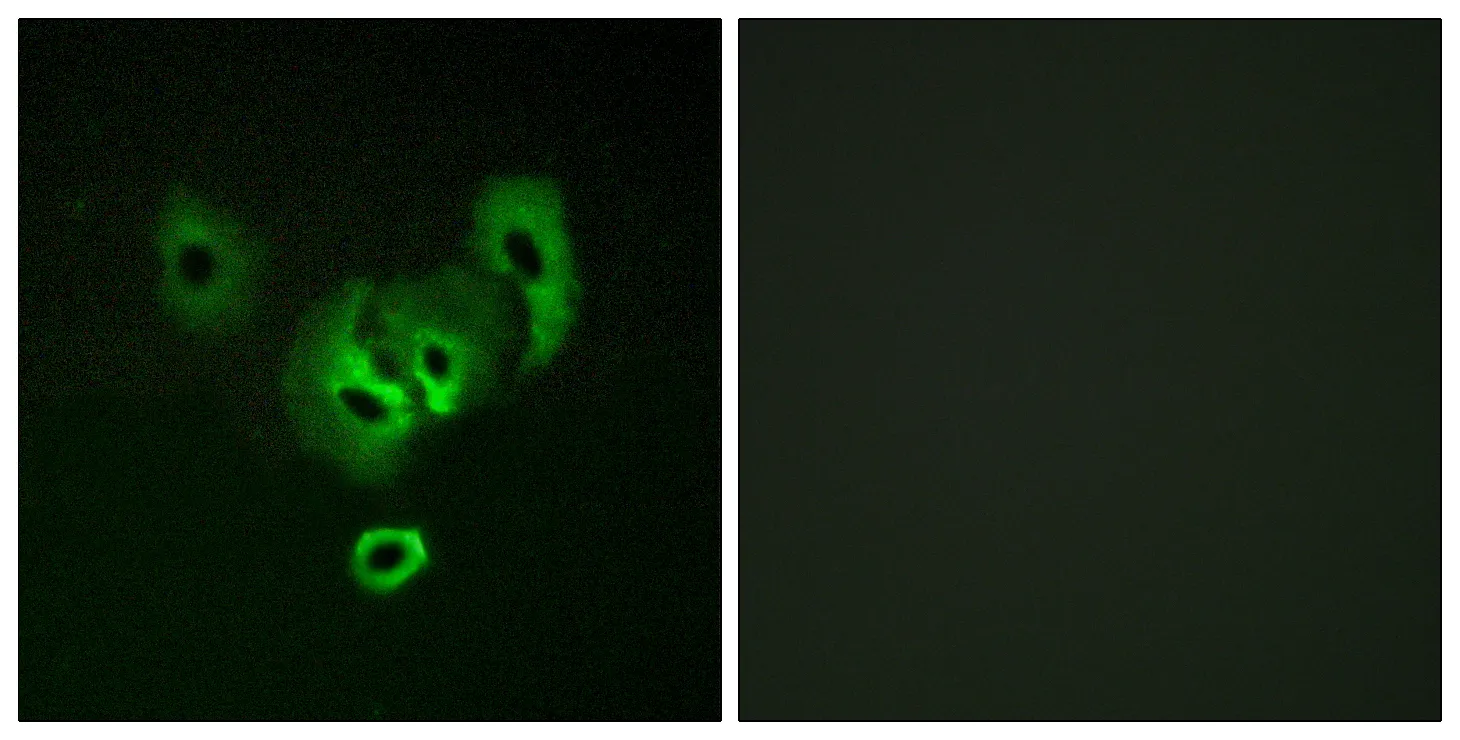
| アプリケーション | IHC,ICC/IF,ELISA |
| 希釈倍率 | IHC 1:100-1:300,ICC/IF 1:50-1:200,ELISA 1:5000-1:20000 |
| 分子量 | - |
研究分野
| Insulin Receptor; mTOR; AMPK |
背景
| セリン/スレオニンキナーゼファミリーのメンバーをコードするこの遺伝子は、細胞極性を制御し、腫瘍抑制因子として機能する。この遺伝子の変異は、消化管ポリープの増殖、皮膚や口腔の色素斑、その他の腫瘍を特徴とする常染色体優性遺伝疾患であるポイツ・イェガース症候群と関連付けられている。この遺伝子の選択的転写スプライスバリアントが観察されているが、詳細な特徴づけはされていない。[RefSeq提供、2008年7月],触媒活性:ATP + タンパク質 = ADP + リン酸化タンパク質。,補因子:マグネシウムまたはマンガン。,疾患:STK11の欠陥は、ポイツ・イェガース症候群(PJS)の原因である[MIM:175200]。 PJSは、多くの臓器系に良性および悪性の腫瘍が発生しやすい、まれな遺伝性疾患です。PJSは常染色体優性遺伝疾患で、唇のメラノサイトーシス斑、多発性消化管過誤腫性ポリープ、および消化管癌を含むさまざまな腫瘍のリスク増加を特徴とします。,疾患:STK11の欠陥は精巣腫瘍[MIM:273300]と関連付けられています。これには、胚細胞腫瘍(GCT)または精巣胚細胞腫瘍(TGCT)が含まれます。,酵素調節:CAB39とSTRAD、またはCAB39とALS2CR2からなる複合体の結合によって活性化されます。,機能:G1細胞周期停止に不可欠な役割を担います。AMPK関連サブファミリーのタンパク質キナーゼのメンバーをリン酸化および活性化します。腫瘍抑制因子。,オンライン情報:PJSエントリー,PTM:cAMP依存性プロテインキナーゼによってリン酸化される。,類似性:プロテインキナーゼスーパーファミリーに属する。,類似性:プロテインキナーゼスーパーファミリーに属する。CAMK Ser/Thrプロテインキナーゼファミリー。LKB1サブファミリー。,類似性:1つのプロテインキナーゼドメインを含む。,細胞内局在:CAB39とSTRAD、またはCAB39とALS2CR2に結合すると細胞質に移動する。,サブユニット:SMAD4、STK11、およびSTK11IPからなる三元複合体に存在し、SMAD4およびSTK11IPと相互作用する。,組織特異性:普遍的に発現する。精巣と胎児肝臓で最も強く発現する。, |