

Ku-86ウサギポリクローナル抗体
コンジュゲーション: 非共役
ウサギポリクローナル抗体
アプリケーション
反応性
ヒト、ラット、マウス
遺伝子名
XRCC5
保存
小分けして-20℃で保存してください(12ヶ月間有効)。凍結融解サイクルは避けてください。
要約
| 製品名 | Ku-86ウサギポリクローナル抗体 |
| 説明 | ウサギポリクローナル抗体 |
| 宿主 | うさぎ |
| 反応性 | ヒト、ラット、マウス |
| コンジュゲーション | 非共役 |
| 修飾 | 未修正 |
| アイソタイプ | IgG |
| クローン性 | ポリクローナル |
| 形態 | 液体 |
| 濃度 | 非共役 |
| 保存 | 小分けして-20℃で保存してください(12ヶ月間有効)。凍結融解サイクルは避けてください。 |
| 配送 | 氷嚢。 |
| バッファー | 50% グリセロール、0.5% 保護タンパク質、0.02% 新タイプ防腐剤 N を含む PBS 液。 |
| 精製 | アフィニティー精製 |
抗原情報
| 遺伝子名 | XRCC5 |
| 別名 | XRCC5; G22P2; X-ray repair cross-complementing protein 5; 86 kDa subunit of Ku antigen; ATP-dependent DNA helicase 2 subunit 2; ATP-dependent DNA helicase II 80 kDa subunit; CTC box-binding factor 85 kDa subunit; CTC85; CTCBF; DNA repair pr |
| 遺伝子ID | 7520 |
| SwissProt ID | P13010 |
| 免疫原 | 抗血清はヒトXRCC5由来の合成ペプチドに対して作製された。アミノ酸範囲:441-490 |
アプリケーション
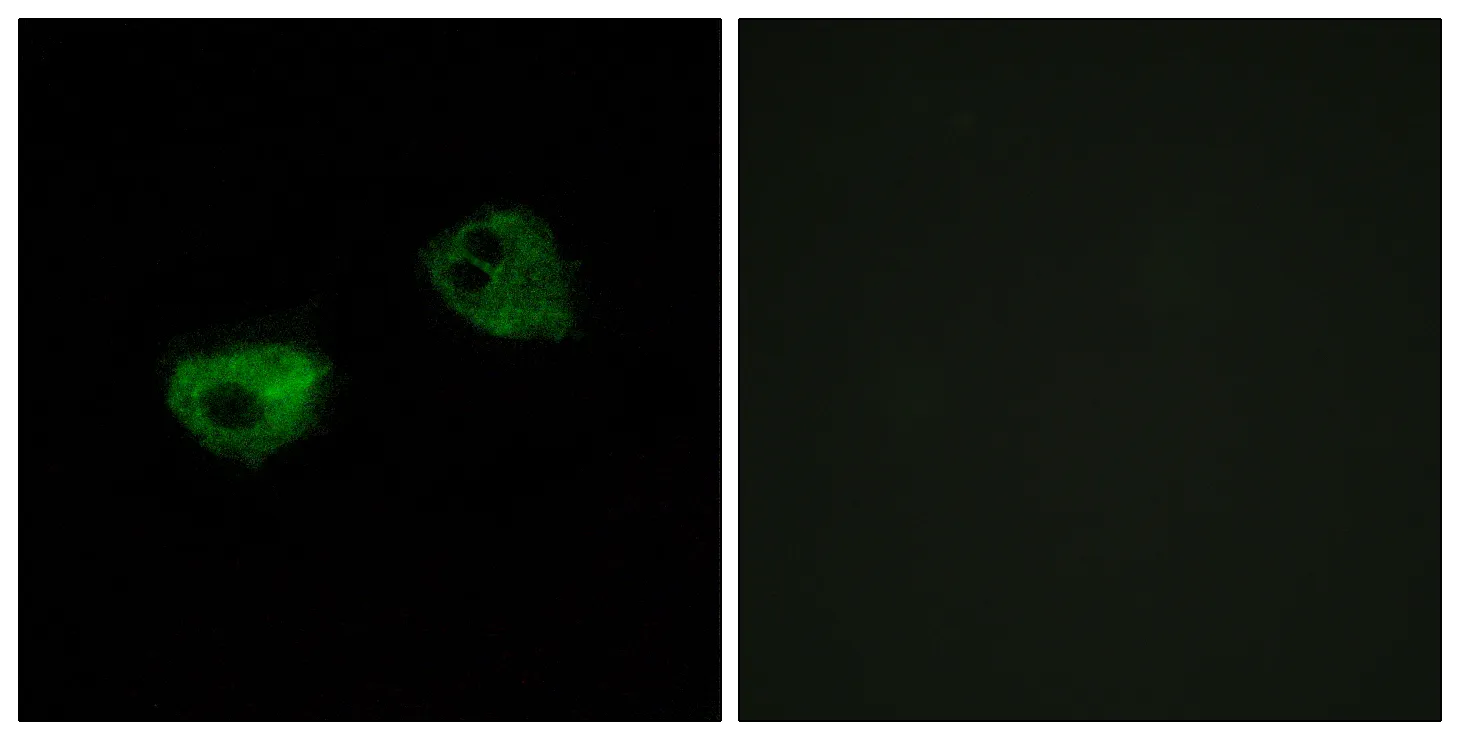
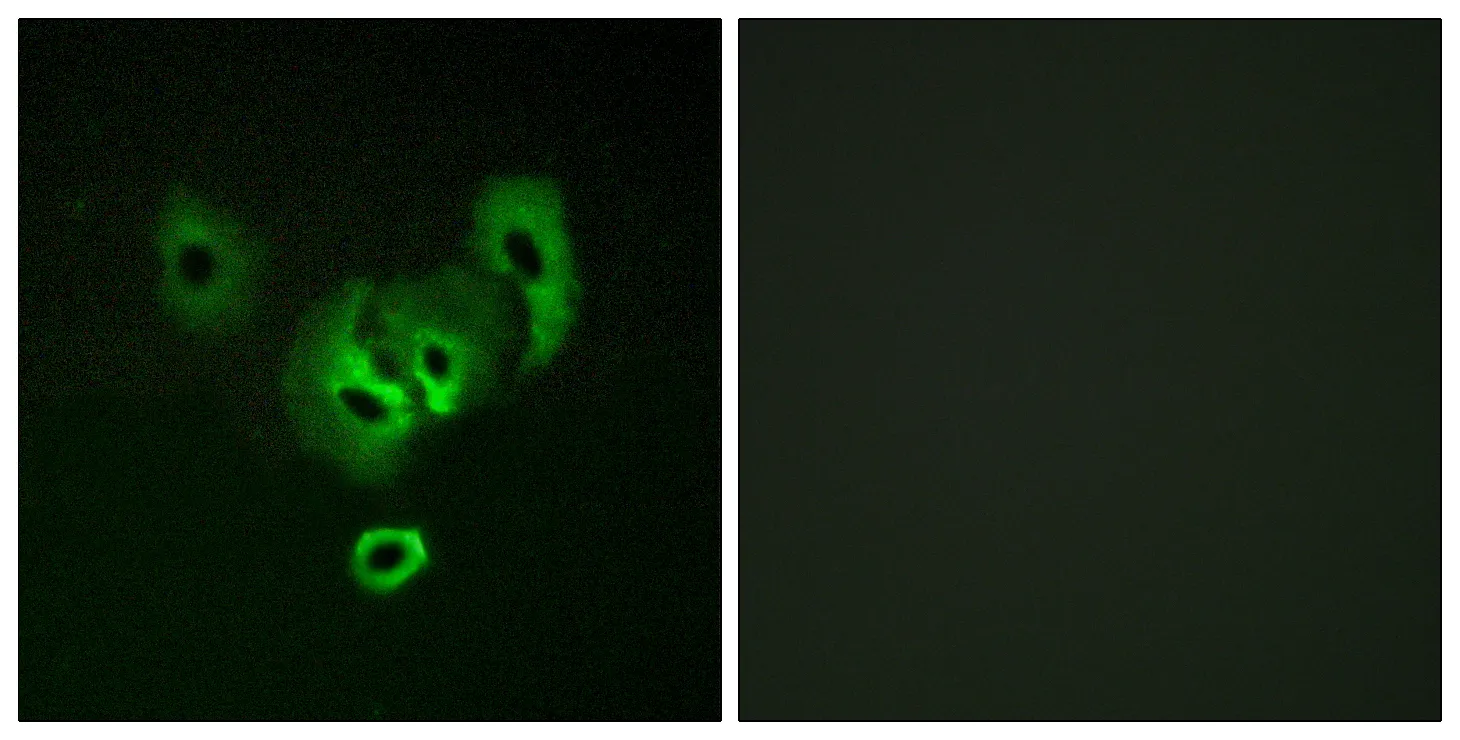
| アプリケーション | WB,IHC,ICC/IF,ELISA |
| 希釈倍率 | WB 1:500-1:2000,IHC 1:100-1:300,ICC/IF 1:50-1:200,ELISA 1:20000-1:40000 |
| 分子量 | 80kDa |
研究分野
| Non-homologous end-joining; |
背景
| この遺伝子によってコードされるタンパク質は、ATP依存性DNAヘリカーゼIIまたはDNA修復タンパク質XRCC5としても知られるKuヘテロ二量体タンパク質の80キロダルトンサブユニットです。KuはDNA依存性タンパク質キナーゼのDNA結合成分であり、DNAリガーゼIV-XRCC4複合体と連携して、非相同末端結合によるDNA二本鎖切断の修復とV(D)J組換えの完了に関与します。この遺伝子は、DNA二本鎖切断修復およびV(D)J組換えの遂行能力に欠陥のある変異体であるチャイニーズハムスターxrs-6を機能的に補完します。この遺伝子の稀なマイクロサテライト多型は、放射線感受性の異なる患者における癌と関連しています。 [RefSeq提供、2008年7月],発生段階:前骨髄球分化中に発現が増加する。,疾患:全身性エリテマトーデス(SLE)および関連疾患の患者は、p70およびp86に対する自己抗体を大量に産生する。,ドメイン:EEXXXDDLモチーフは、触媒サブユニットPRKDCとの相互作用、およびDNA損傷部位へのそのリクルートメントに必要である。,機能:一本鎖DNA依存性ATP依存性ヘリカーゼ。染色体転座に関与する。DNAヘリカーゼII複合体は、細胞周期依存的に二本鎖DNAのフォーク状末端に優先的に結合し、3'-5'方向に作用する。DNAへの結合はp70を介している可能性がある。二本鎖切断修復およびV(D)J組換えに必要なDNA非相同末端結合(NHEJ)に関与する。 Ku p70/p86二量体は、DNA依存性タンパク質キナーゼ複合体DNA-PKの調節サブユニットとして機能し、触媒サブユニットPRKDCのDNA親和性を100倍に高めます。Ku p70/p86二量体は、切断されたDNA末端を安定化させ、それらを結合させる役割を担っていると考えられます。DNA末端へのDNA-PK複合体の集合は、NHEJライゲーション段階に必須です。NARG1と共役して、Ku p70/p86二量体はオステオカルシンプロモーターに結合し、オステオカルシンの発現を活性化します。,誘導:骨芽細胞においてFGF2によって誘導されます。,PTM:セリン残基がリン酸化されています。 PRKDCによるリン酸化はヘリカーゼ活性を増強する可能性がある。,PTM:SUMO化されている。,類似性:ku80ファミリーに属する。,類似性:1つのKuドメインを含む。,サブユニット:70 kDaサブユニットと80 kDaサブユニットのヘテロ二量体。この二量体はDNA依存的にPRKDCと会合し、DNA依存性タンパク質キナーゼ複合体DNA-PK、およびLIG4-XRCC4複合体を形成する。この二量体はNARG1とも会合し、この複合体はオステオカルシンFGF応答配列(OCFRE)に対するDNA結合活性を示す。さらに、80 kDaサブユニットは骨芽細胞特異的転写因子MSX2およびRUNX2と結合する。ELF3と相互作用する。APLFと相互作用する可能性がある。, |