

KiSS-1R Rabbit Polyclonal Antibody

KiSS-1R Rabbit Polyclonal Antibody

Cat: APRab13039
Boyut:20μL Fiyat:$99_x000D_
Boyut:50μL Fiyat:$118_x000D_
Boyut:100μL Fiyat:$220_x000D_
Boyut:200μL Fiyat:$380_x000D_
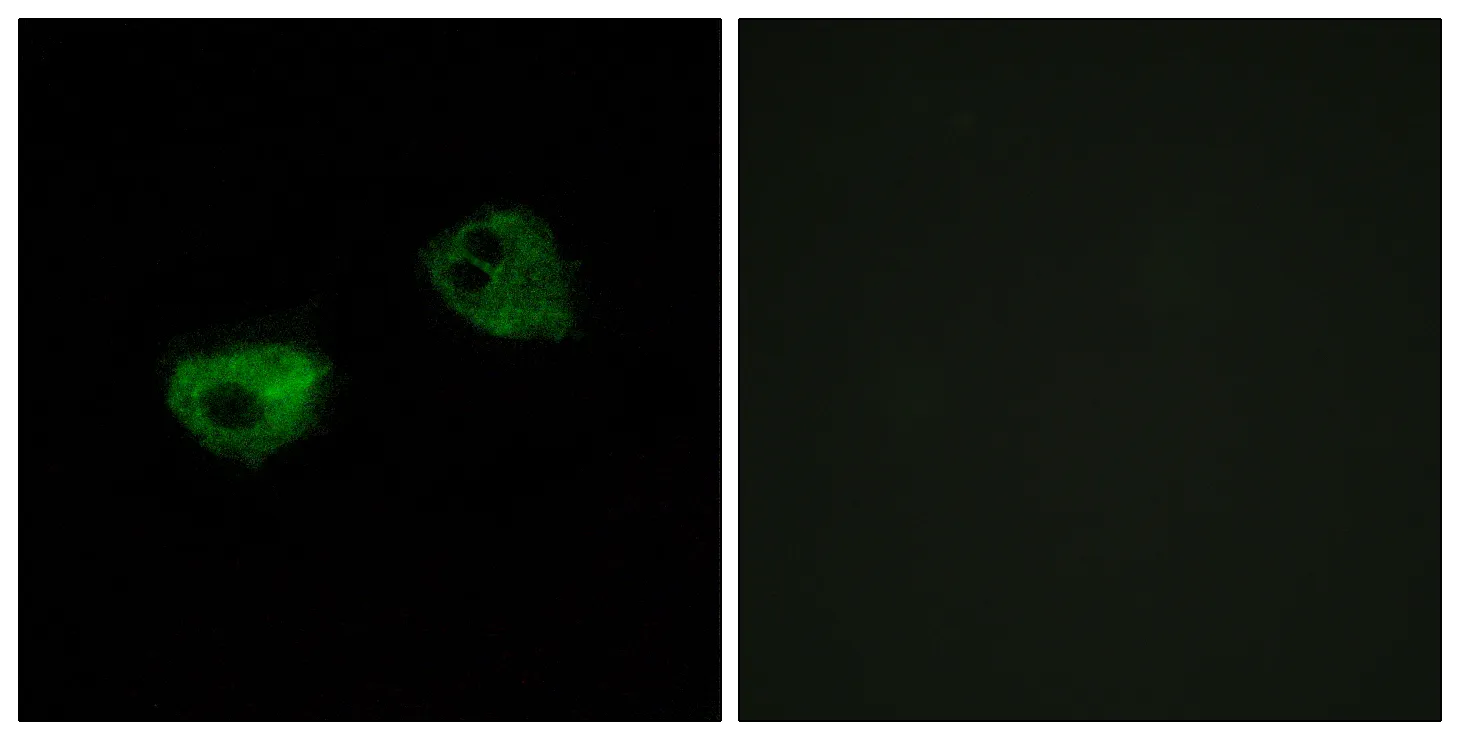
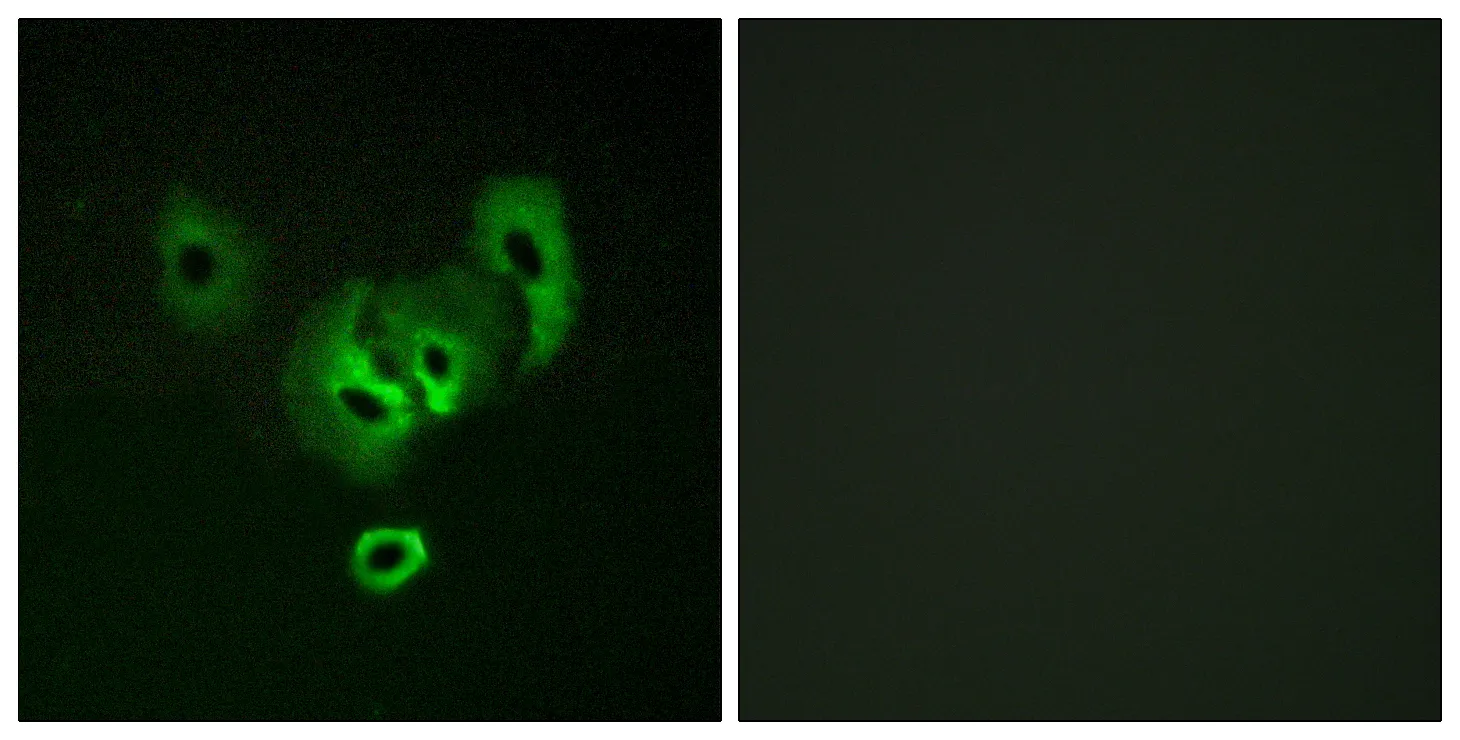
Uygulama:IHC,ICC/IF,ELISA
Reaktivite:Human,Rat,Mouse
Konjuge:Unconjugated
İsteğe bağlı konjugeler: Biotin, FITC (ücretsiz). Diğer 26 konjugatı görün.

Gen Adı:KISS1R
Category: ポリクローナル抗体 Tags: , , , , , , , , ,
KiSS-1R Rabbit Polyclonal Antibody
Konjugasyon: Unconjugated
Rabbit polyclonal Antibody
Uygulama
IHC  ICC/IF  ELISA IHC,ICC/IF,ELISA
Reaktivite
Human,Rat,Mouse
Gen Adı
KISS1R
Saklama
Aliquot and store at -20°C (valid for 12 months). Avoid freeze/thaw cycles.
Özet
Ürün Adı KiSS-1R Rabbit Polyclonal Antibody
Açıklama Rabbit polyclonal Antibody
Konak Rabbit
Reaktivite Human,Rat,Mouse
Konjugasyon Unconjugated
Modifikasyon Unmodified
İzotip IgG
Klonalite Polyclonal
Form Liquid
Konsantrasyon Unconjugated
Saklama Aliquot and store at -20°C (valid for 12 months). Avoid freeze/thaw cycles.
Nakliye Ice bags.
Tampon Liquid in PBS containing 50% glycerol, 0.5% protective protein and 0.02% New type preservative N.
Saflaştırma Affinity purification
Antijen Bilgisi
Gen Adı KISS1R
Alternatif İsimler KISS1R; AXOR12; GPR54; KiSS-1 receptor; KiSS-1R; G-protein coupled receptor 54; G-protein coupled receptor OT7T175; hOT7T175; Hypogonadotropin-1; Kisspeptins receptor; Metastin receptor
Gen Kimliği 84634
SwissProt Kimliği Q969F8
İmmünojen The antiserum was produced against synthesized peptide derived from human KISS1R. AA range:301-350
Uygulama
Uygulama IHC,ICC/IF,ELISA
Seyreltme Oranı IHC 1:100-1:300,ICC/IF 1:100-1:500,ELISA 1:5000-1:10000
Moleküler Ağırlık -
Araştırma Alanı
Neuroactive ligand-receptor interaction;
Arka Plan
The protein encoded by this gene is a galanin-like G protein-coupled receptor that binds metastin, a peptide encoded by the metastasis suppressor gene KISS1. The tissue distribution of the expressed gene suggests that it is involved in the regulation of endocrine function, and this is supported by the finding that this gene appears to play a role in the onset of puberty. Mutations in this gene have been associated with hypogonadotropic hypogonadism and central precocious puberty. [provided by RefSeq, Jul 2008],disease:Defects in KISS1R are a cause of central precocious puberty [MIM:176400]. Precocious puberty is defined as the development of secondary sexual characteristics before the age of 8 years in girls and 9 years in boys. Central precocious puberty refers to a gonadotropin-dependent type which results from premature activation of the hypothalamic-pituitary-gonadal axis.,disease:Defects in KISS1R are a cause of idiopathic hypogonadotropic hypogonadism (IHH) [MIM:146110]. IHH is defined as a deficiency of the pituitary secretion of follicle-stimulating hormone and luteinizing hormone, which results in the impairment of pubertal maturation and of reproductive function.,function:Receptor for metastin (kisspeptin-54 or kp-54), a C-terminally amidated peptide of KiSS1. KiSS1 is a metastasis suppressor protein that suppresses metastases in malignant melanomas and in some breast carcinomas without affecting tumorigenicity. The metastasis suppressor properties may be mediated in part by cell cycle arrest and induction of apoptosis in malignant cells. The receptor is essential for normal gonadotropin-released hormone physiology and for puberty. The hypothalamic KiSS1/KISS1R system is a pivotal factor in central regulation of the gonadotropic axis at puberty and in adulthood. The receptor is also probably involved in the regulation and fine-tuning of trophoblast invasion generated by the trophoblast itself. Analysis of the transduction pathways activated by the receptor identifies coupling to phospholipase C and intracellular calcium release through pertussis toxin-insensitive G(q) proteins.,induction:Expressed at higher levels in first trimester trophoblasts than at term of gestation.,online information:Tintin's blight - Issue 58 of May 2005,similarity:Belongs to the G-protein coupled receptor 1 family.,tissue specificity:Most highly expressed in the pancreas, placenta and spinal cord, with lower-level of expression in peripheral blood leukocytes, kidney, lung, fetal liver, stomach, small intestine, testes, spleen, thymus, adrenal glands and lymph nodes. In the adult brain, expressed in the superior frontal gyrus, putamen, caudate nucleus, cingulate gyrus, nucleus accumbens, hippocampus, pons and amygdala, as well as the hypothalamus and pituitary. Expression levels are higher in early (7-9 weeks) than term placentas. Expression levels were increased in both early placentas and molar pregnancies and were reduced in choriocarcinoma cells. Expressed at higher levels in first trimester trophoblasts than at term of gestation. Also found in the extravillous trophoblast suggesting endocrine/paracrine activation mechanism.,
   💬 WhatsApp