Karyopherin α2 Rabbit Polyclonal Antibody

Karyopherin α2 Rabbit Polyclonal Antibody

Cat: APRab12899
Boyut:20μL Fiyat:$99_x000D_
Boyut:50μL Fiyat:$118_x000D_
Boyut:100μL Fiyat:$220_x000D_
Boyut:200μL Fiyat:$380_x000D_
Uygulama:WB,IHC,ICC/IF,ELISA
Reaktivite:Human,Mouse,Rat
Konjuge:Unconjugated
İsteğe bağlı konjugeler: Biotin, FITC (ücretsiz). Diğer 26 konjugatı görün.

Gen Adı:KPNA2
Category: ポリクローナル抗体 Tags: , , , , , , , , ,
Karyopherin α2 Rabbit Polyclonal Antibody
Konjugasyon: Unconjugated
Rabbit polyclonal Antibody
Uygulama
IHC  ICC/IF  ELISA WB,IHC,ICC/IF,ELISA
Reaktivite
Human,Mouse,Rat
Gen Adı
KPNA2
Saklama
Aliquot and store at -20°C (valid for 12 months). Avoid freeze/thaw cycles.
Özet
Ürün Adı Karyopherin α2 Rabbit Polyclonal Antibody
Açıklama Rabbit polyclonal Antibody
Konak Rabbit
Reaktivite Human,Mouse,Rat
Konjugasyon Unconjugated
Modifikasyon Unmodified
İzotip IgG
Klonalite Polyclonal
Form Liquid
Konsantrasyon Unconjugated
Saklama Aliquot and store at -20°C (valid for 12 months). Avoid freeze/thaw cycles.
Nakliye Ice bags.
Tampon Liquid in PBS containing 50% glycerol, 0.5% protective protein and 0.02% New type preservative N.
Saflaştırma Affinity purification
Antijen Bilgisi
Gen Adı KPNA2
Alternatif İsimler KPNA2; RCH1; SRP1; Importin subunit alpha-2; Karyopherin subunit alpha-2; RAG cohort protein 1; SRP1-alpha
Gen Kimliği 3838
SwissProt Kimliği P52292
İmmünojen Synthesized peptide derived from the N-terminal region of human Karyopherin α2.
Uygulama
Uygulama WB,IHC,ICC/IF,ELISA
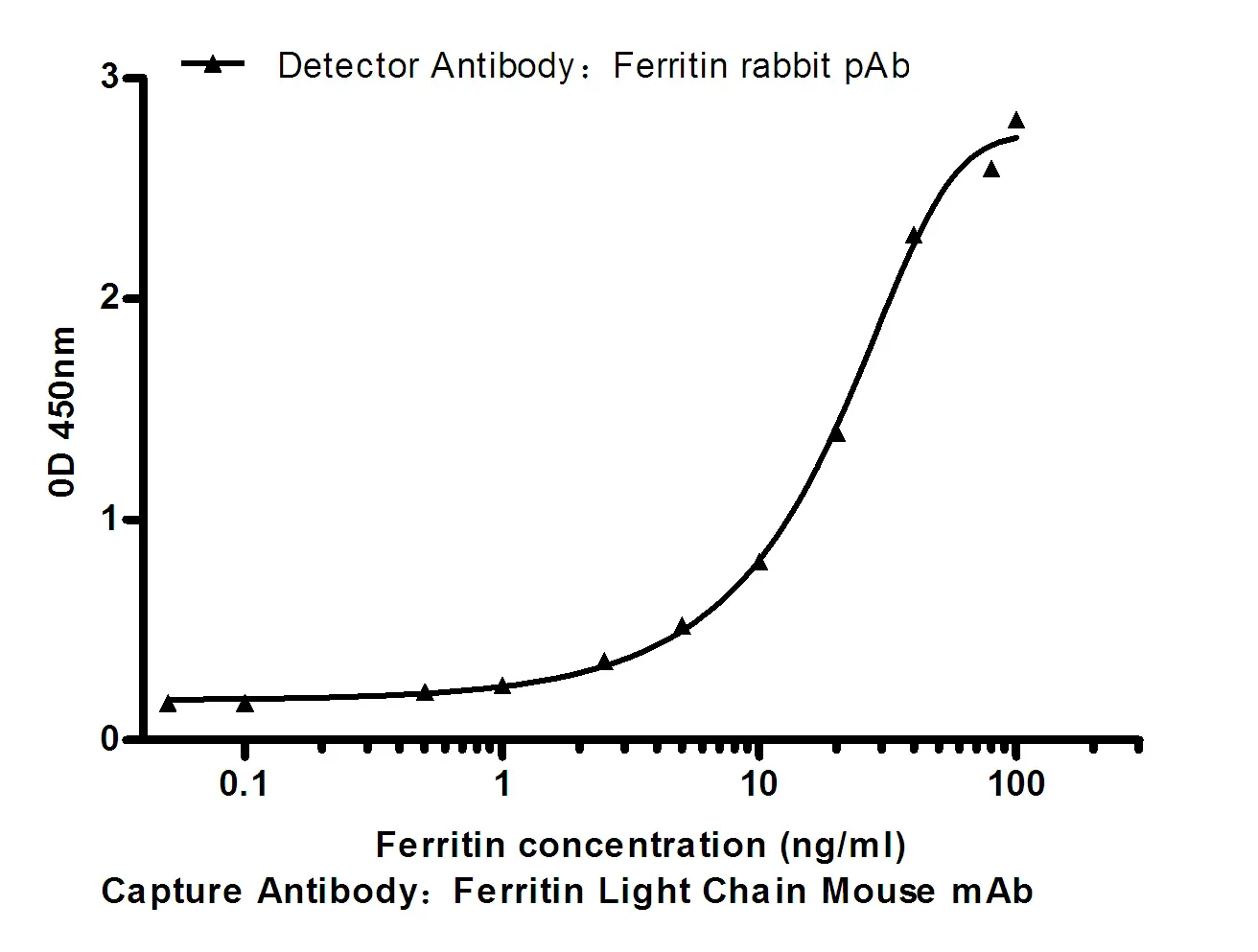
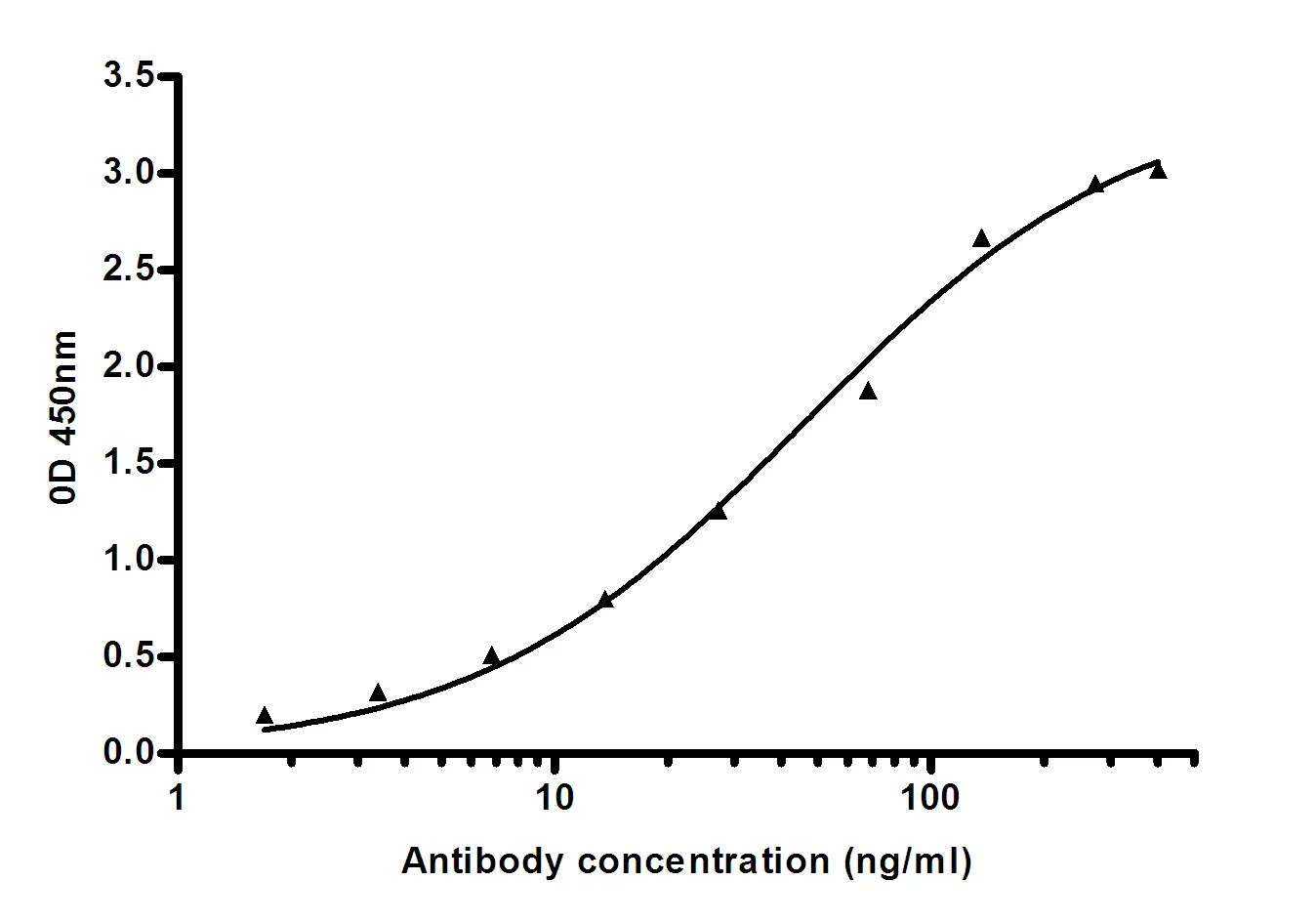
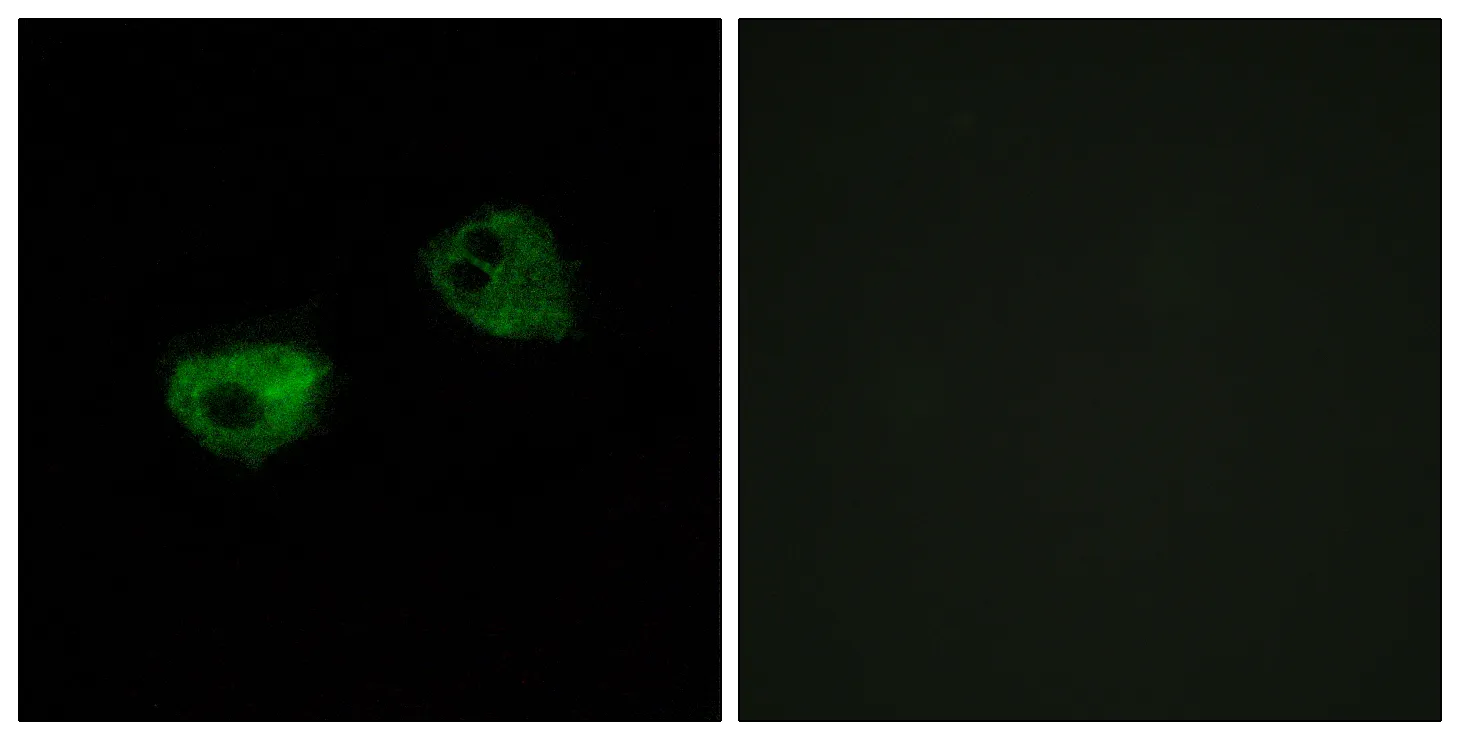
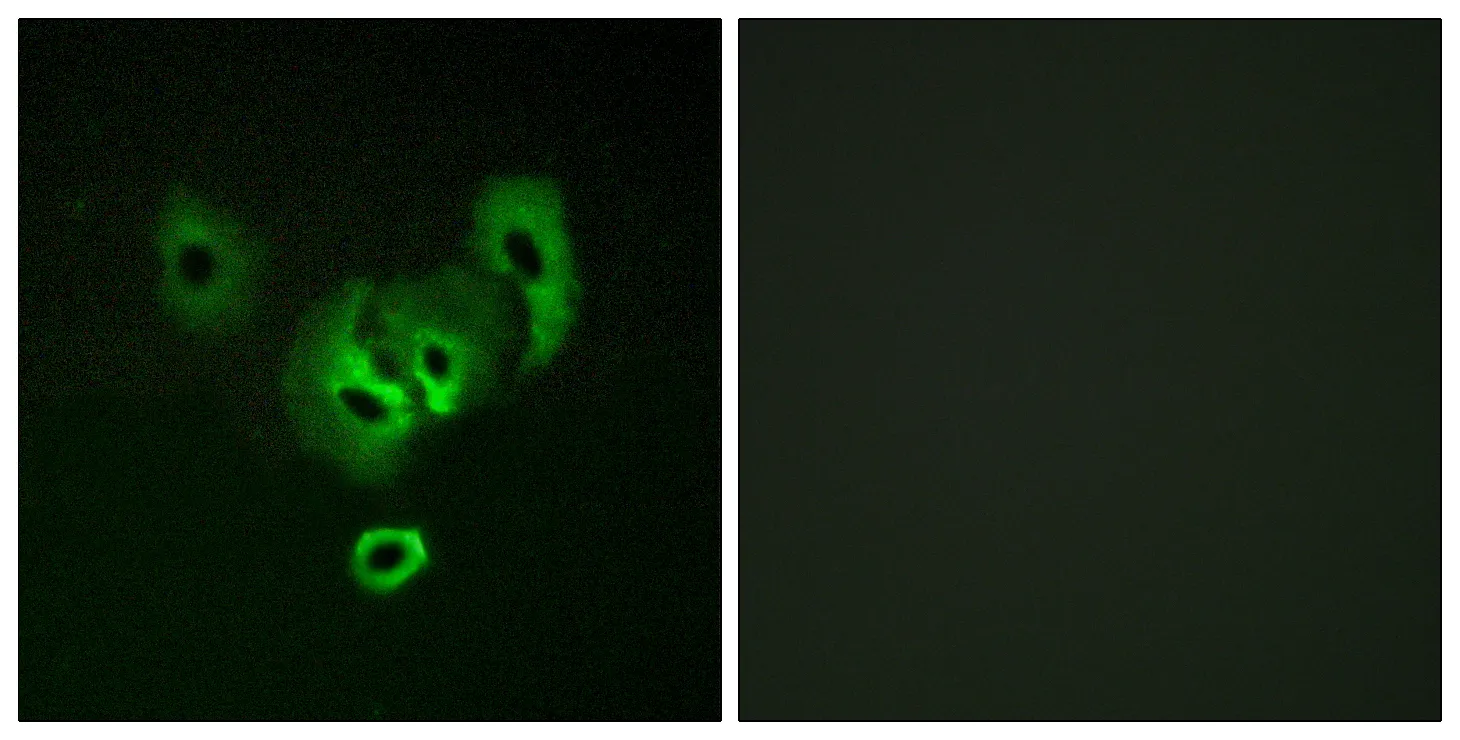
Seyreltme Oranı WB 1:500-1:2000,IHC 1:100-1:300,ICC/IF 1:50-1:200,ELISA 1:5000-1:20000
Moleküler Ağırlık 60kDa
Araştırma Alanı
Arka Plan
The import of proteins into the nucleus is a process that involves at least 2 steps. The first is an energy-independent docking of the protein to the nuclear envelope and the second is an energy-dependent translocation through the nuclear pore complex. Imported proteins require a nuclear localization sequence (NLS) which generally consists of a short region of basic amino acids or 2 such regions spaced about 10 amino acids apart. Proteins involved in the first step of nuclear import have been identified in different systems. These include the Xenopus protein importin and its yeast homolog, SRP1 (a suppressor of certain temperature-sensitive mutations of RNA polymerase I in Saccharomyces cerevisiae), which bind to the NLS. KPNA2 protein interacts with the NLSs of DNA helicase Q1 and SV40 T antigen and may be involved in the nuclear transport of proteins. KPNA2 also may play a role in V(D)J redomain:Consists of an N-terminal hydrophilic region, a hydrophobic central region composed of 10 repeats, and a short hydrophilic C-terminus. The N-terminal hydrophilic region contains the importin beta binding domain (IBB domain), which is sufficient for binding importin beta and essential for nuclear protein import.,domain:The IBB domain is thought to act as an intrasteric autoregulatory sequence by interacting with the internal autoinhibitory NLS. Binding of KPNB1 probably overlaps the internal NLS and contributes to a high affinity for cytoplasmic NLS-containing cargo substrates. After dissociation of the importin/substrate complex in the nucleus the internal autohibitory NLS contributes to a low affinity for nuclear NLS-containing proteins.,domain:The major and minor NLS binding sites are mainly involved in recognition of simple or bipartite NLS motifs. Structurally located within in a helical surface groove they contain several conserved Trp and Asn residues of the corresponding third helices (H3) of ARM repeats which mainly contribute to binding.,function:Functions in nuclear protein import as an adapter protein for nuclear receptor KPNB1. Binds specifically and directly to substrates containing either a simple or bipartite NLS motif. Docking of the importin/substrate complex to the nuclear pore complex (NPC) is mediated by KPNB1 through binding to nucleoporin FxFG repeats and the complex is subsequently translocated through the pore by an energy requiring, Ran-dependent mechanism. At the nucleoplasmic side of the NPC, Ran binds to importin-beta and the three components separate and importin-alpha and -beta are re-exported from the nucleus to the cytoplasm where GTP hydrolysis releases Ran from importin. The directionality of nuclear import is thought to be conferred by an asymmetric distribution of the GTP- and GDP-bound forms of Ran between the cytoplasm and nucleus.,mass spectrometry: PubMed:11840567,similarity:Belongs to the importin alpha family.,similarity:Contains 1 IBB domain.,similarity:Contains 10 ARM repeats.,subunit:Forms a complex with importin subunit beta-1. Found in a complex with CSE1L/XPO2, Ran and KPNA2. Interacts with CSE1L/XPO2 and NBN. Interacts with ANP32E (By similarity). Interacts with HIV-1 Vpr and PLAG1.,tissue specificity:Expressed ubiquitously.,
   💬 WhatsApp